Understanding the Filter Panel: A Crucial Component in Modern Filtration Systems
If you’ve ever wondered how industries worldwide keep air clean, liquids pure, or contaminants at bay, then the humble filter panel quietly plays a starring role. Filter panels are everywhere—from factories and water treatment plants to hospitals and even your home HVAC system. Their global significance can’t be overstated: they help us meet environmental standards, protect human health, and boost operational efficiency.
Grasping the essentials of filter panels isn’t just engineering trivia; it’s about recognizing a linchpin technology in pollution control and resource management. Factoring in global imperatives, like the UN’s Sustainable Development Goals (SDGs), clean filtration supports safe water (SDG 6), sustainable industry (SDG 9), and health (SDG 3). So naturally, knowing what makes a filter panel work, and how to choose one, turns out to be incredibly useful for engineers, policy makers, and even curious consumers.
Introducing the Global Relevance of Filter Panels
Today, the global filtration market is booming, expected to reach over $150 billion by 2028, according to industry reports. That’s partly because environmental regulations are tightening worldwide — ISO standards, for example, set precise limits on air and water pollution. Filter panels address this growing challenge by providing a modular, effective solution to trap particles, microorganisms, or chemicals in various settings.
In post-disaster relief efforts, filter panels are key to restoring clean air and water supplies quickly. Industrial zones on multiple continents rely on them to reduce harmful emissions. Basically, wherever filtration matters — and that’s pretty much everywhere — filter panels are a mainstay.
What Exactly Is a Filter Panel?
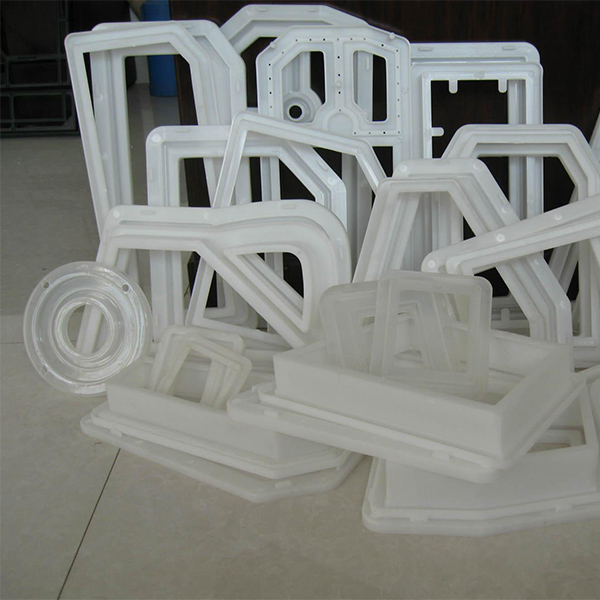
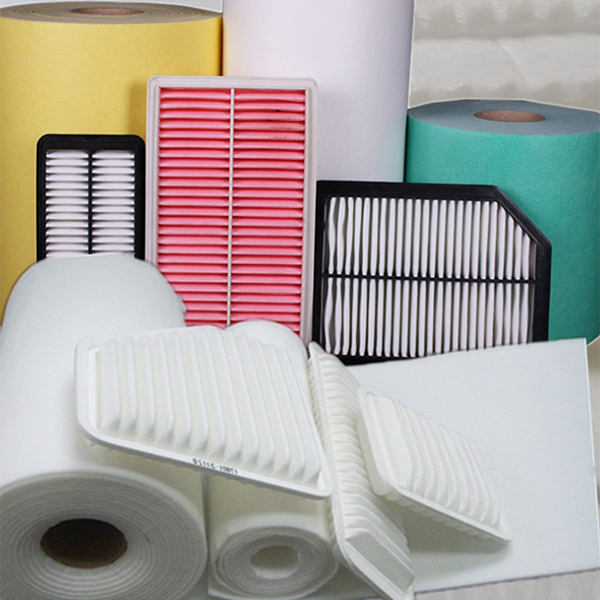
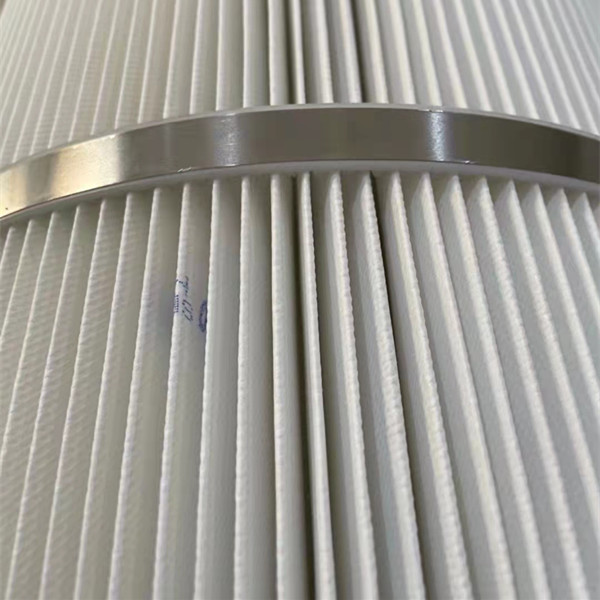
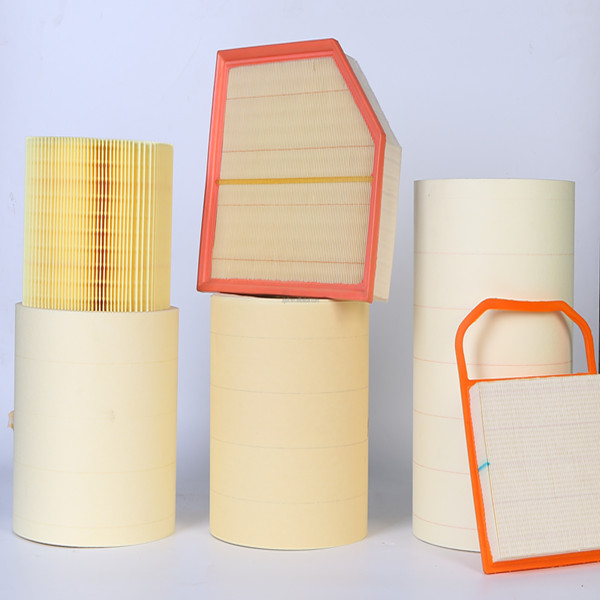
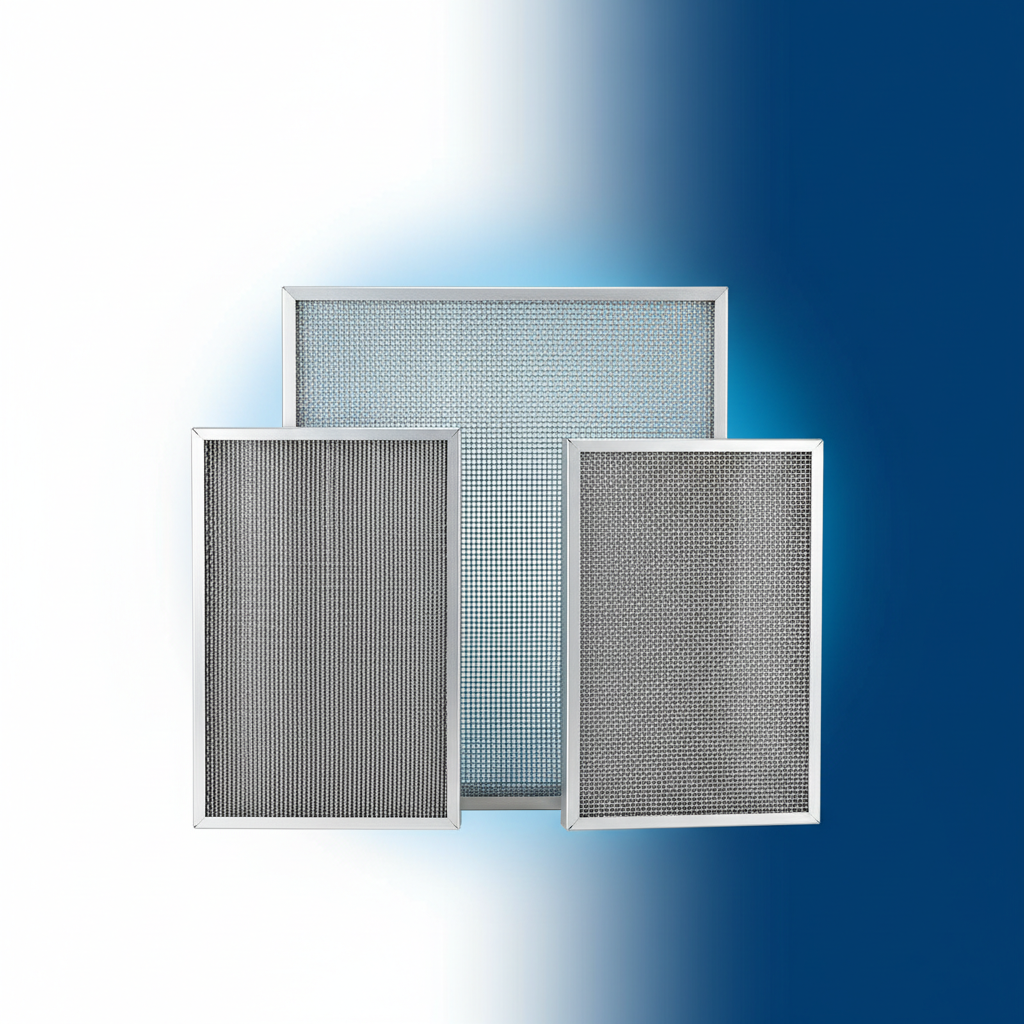
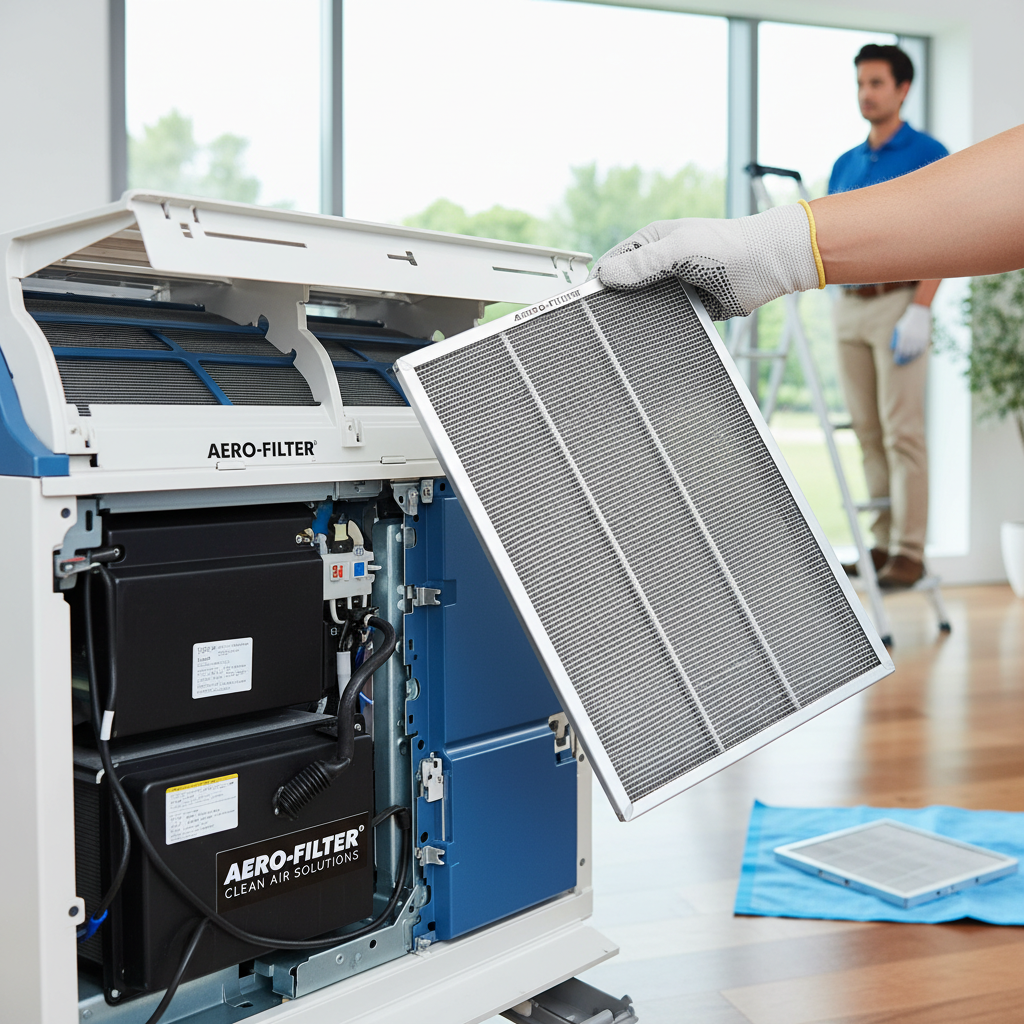
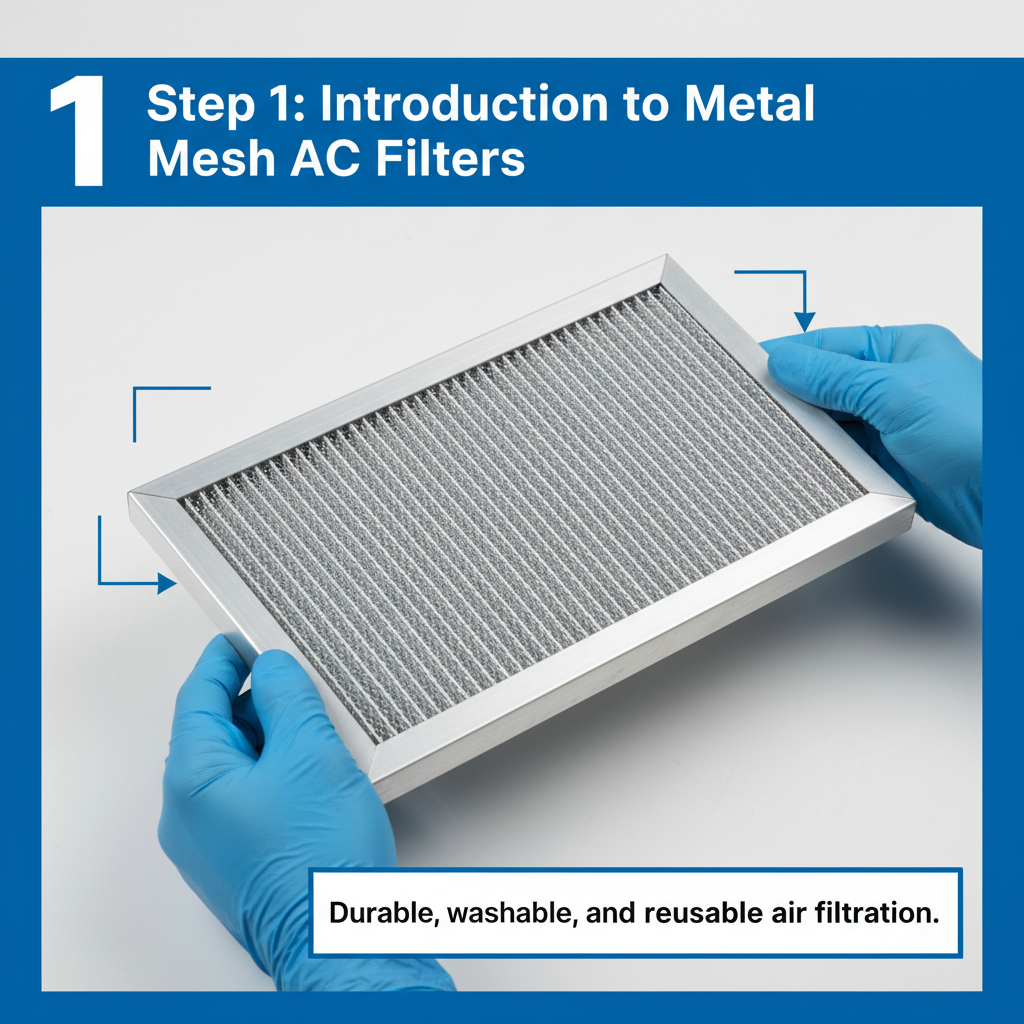
Put very simply, a filter panel is a flat—or sometimes pleated—component designed to hold filtration media. It fits within larger filtration units, guiding air or fluids through layers that capture unwanted particles. Unlike disposable filters, panels can often be serviced or replaced separately, making maintenance more manageable and cost-effective.
Modern filter panels link closely to advanced manufacturing and humanitarian needs. For example, hospitals require medical-grade filter panels in ventilation to control airborne pathogens. Disaster zones might deploy rugged filter panels in mobile water treatment units. The versatility of filter panels reflects their critical role in keeping environments safe and operations sustainable.
Key Components of Filter Panels
- Durability: A filter panel must withstand conditions specific to its use—high humidity in water treatment, corrosive gases in chemical plants, or heavy dust in mining. Materials like aluminum frames or synthetic polymers greatly influence lifespan.
- Filtration Efficiency: Measured often by MERV (Minimum Efficiency Reporting Value) ratings or equivalent metrics, this points to how well a panel traps particles of different sizes — from large debris to microscopic allergens.
- Cost Efficiency: It’s not just the upfront price but replacement intervals and energy consumption due to air resistance that matter. Some panels balance premium materials with long life to deliver lower total cost.
- Compatibility & Scalability: Panels must fit existing systems or scale for modular applications. This ensures industrial plants or municipal water facilities can upgrade filters without major downtime.
- Environmental Impact: Increasingly, eco-conscious industries prefer filter panels made with recyclable materials or designed for easy disassembly at end-of-life.
Put together, these factors influence not only how the filter panel performs but also its overall value to the user.
Typical Filter Panel Specifications
| Specification | Value |
|---|---|
| Material Frame | Aluminum / Galvanized Steel |
| Filter Media | Fiberglass, Synthetic, Activated Carbon |
| Efficiency Range | MERV 8 – 16 |
| Max Operating Temp | 80°C (176°F) |
| Standard Sizes | 24”x24”, 16”x20”, Custom |
Global Applications & Use Cases of Filter Panels
The global footprint of filter panels is impressive. In Europe, stringent emissions laws push manufacturers to install high-grade filter panels in factory laundries and chemical plants. Asia’s rapid urbanization demands effective air filtration in growing metro healthcare and residential buildings. Africa’s water treatment initiatives lean on robust filter panels to ensure potable water in rural zones.
One familiar example is emergency water filtration in disaster relief areas. NGOs use portable filtration units with interchangeable filter panels to rapidly provide safe drinking water after floods or earthquakes. In remote mining operations across Australia and South America, filter panels help reduce dust and air contaminants, safeguarding workers.
In all these cases, the adaptability and reliability of filter panels make them invaluable.
Vendor Comparison: Filter Panel Suppliers
| Feature | FilterMax | PureAir Solutions | CleanFlow Ltd. |
|---|---|---|---|
| Material Options | Aluminum, Polymer | Galvanized Steel, Carbon Fiber | Aluminum, Fiberglass |
| MERV Rating | 8–14 | 10–16 | 7–13 |
| Custom Sizes | Yes | Limited | Yes |
| Eco-Friendly Options | Yes | No | Yes |
| Price Range | $$ | $$$ | $ |
Advantages and Long-Term Value of Filter Panels
Honestly, what makes filter panels worth the investment? Well, they reduce operational downtime by making filters easier to service. That’s money saved and headaches avoided. Their modular nature also means systems can be upgraded incrementally, rather than replaced wholesale.
From a sustainability perspective, choosing recyclable filter panels with long lifecycles means less waste. There’s also an undeniable social benefit: cleaner air and water improve community health outcomes, supporting dignity and well-being. You might say filter panels quietly contribute to social trust in public infrastructure — not a small thing, really.
Emerging Trends and Innovations in Filter Panels
Looking ahead, filter panels are getting smarter. Sensors embedded within panels can now monitor filter health in real-time, informing automated maintenance schedules. Meanwhile, new filtration media—such as nanofibers or bio-based composites—promise improved efficiency with lower environmental footprints.
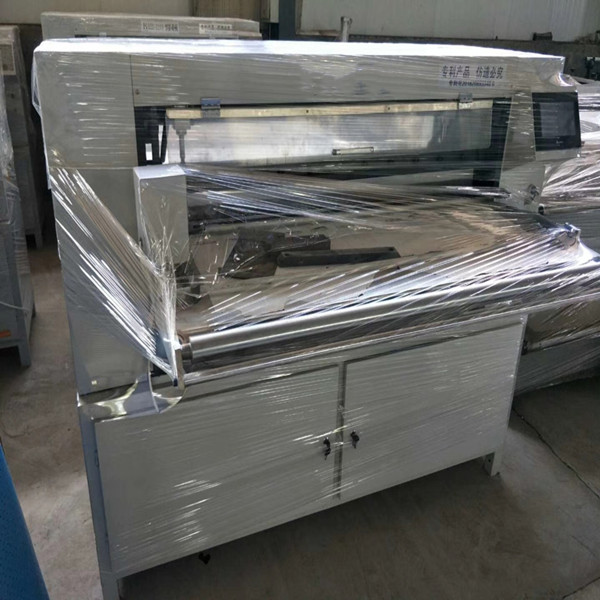
Green energy policies encourage adopting filter panels optimized for energy savings, reducing resistance and thus electrical consumption. Oh, and automation in manufacturing means more precise and customizable filter panel production, meeting niche industry needs faster.
Challenges and How Experts Overcome Them
Of course, the path isn’t always smooth. Filter panels sometimes face issues like clogging, limited temperature resistance, or compatibility hiccups with older systems. But innovative coatings that repel water or dust, and modular designs that allow quick swaps, are changing the game.
Experts also stress the importance of regular testing and certification to guarantee performance under diverse conditions. That kind of rigor keeps us confident in product claims — essential when health or environmental safety is at stake.
FAQ: Frequently Asked Questions About Filter Panels
- Q: What industries benefit most from filter panels?
A: Virtually all—manufacturing, healthcare, water treatment, agriculture, and even residential HVAC systems rely heavily on filter panels to ensure contamination control and air/water quality. - Q: How often should filter panels be replaced?
A: It varies—depending on usage, material, and environment. Typically, panels last anywhere from 3 to 12 months in HVAC systems, but industrial applications may require more frequent checks. - Q: Are custom-sized filter panels difficult to procure?
A: Not really nowadays. Many manufacturers, like FilterMax and CleanFlow, offer customized sizes quickly, though lead times can be longer for highly specialized materials. - Q: Can filter panels improve energy efficiency?
A: Yes, by maintaining lower air resistance and preventing contamination build-up, filter panels help HVAC and filtration units run smoother, consuming less power. - Q: How do I choose an environmentally friendly filter panel?
A: Look for panels with recyclable frames, biodegradable media options, and certifications confirming eco-standards. Vendors like FilterMax promote such options.
Conclusion: Why Filter Panels Are Worth Your Attention
In real terms, filter panels are a nexus of engineering, environmental care, and public health. Their modular, efficient design helps industries meet rising standards worldwide, supports disaster response, and ultimately protects communities. Whether you are managing a factory, a municipal system, or just curious about the tech behind clean air and water, filter panels are foundational components not to be overlooked.
For reliable supply, expert advice, and premium quality, be sure to explore more at filter panel specialists online.
Quick takeaway: Filter panels quietly power global filtration efforts, balancing efficiency, cost, and sustainability — a classic unsung hero of clean environments.
References:
Post time: Dec-02-2025