HEPA Filter Media: Why It Matters More Than Ever
If you’ve ever marveled at how hospitals, clean rooms, or even high-end vacuum cleaners keep the air so remarkably pure, chances are HEPA filter media is behind that invisible magic. But this isn’t just about sleek gadgets or fancy labs — HEPA filter media plays a huge role globally, addressing one of humanity’s oldest problems: clean air. In our industrialized, polluted, and pandemic-aware world, understanding the nuts and bolts of this technology is simply essential. It’s not just about filtering dust particles; it's about safeguarding health, improving environmental impact, and enabling industries to meet strict standards.
In this article, we’ll untangle what HEPA filter media is, why it’s relevant around the world, and how it’s evolving to meet the challenges of the 21st century.
A Global Snapshot: Why HEPA Filter Media is a Critical Player
Pollution and airborne contaminants remain a huge unseen threat worldwide. According to the World Health Organization (WHO), over 90% of the world's population breathes polluted air. Urbanization, industrial growth, wildfires, and of course, recent viral outbreaks have stressed the importance of reliable air filtration. That’s where HEPA filter media steps in.
Across regions — from the smog-heavy cities of Southeast Asia to the sterile environments of North American hospitals — this filter media is a critical control measure. The International Organization for Standardization (ISO) sets stringent benchmarks for filtration performance, with HEPA filters often required to meet these to ensure a secure environment. The rise in air quality regulations, especially in workplaces and public spaces, only puts more focus on reliable HEPA filter technology.
Frankly, without effective filtration, both outdoor pollution and biological contaminants would run rampant, impacting public health and business continuity worldwide.
Mini Takeaway:
HEPA filter media isn’t just a niche industrial item. It’s a frontline defense in global health and safety, shaping how societies live and work in polluted and high-risk environments.
What Exactly Is HEPA Filter Media?
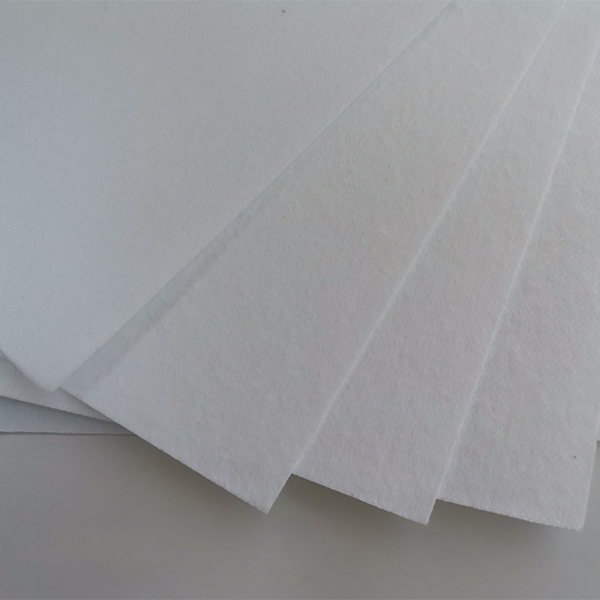
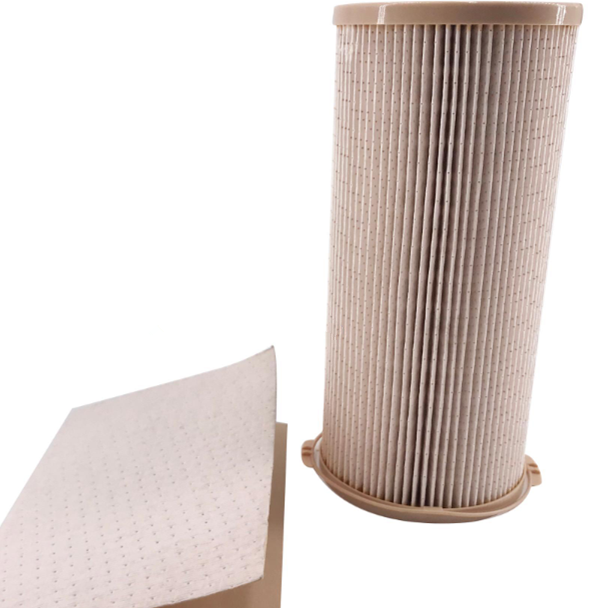
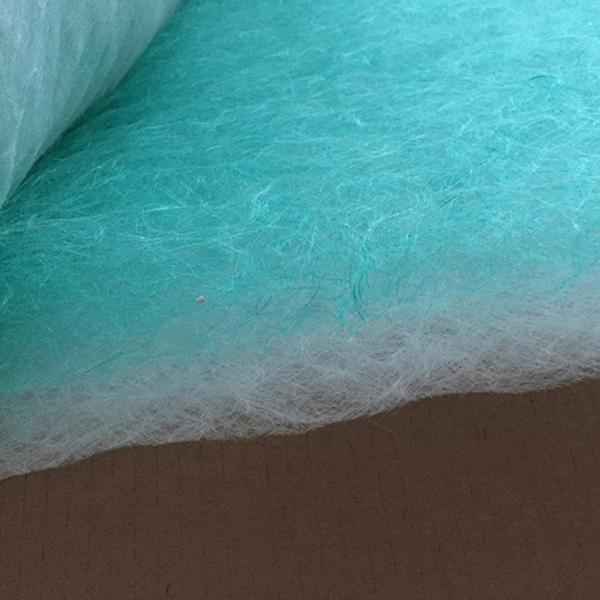
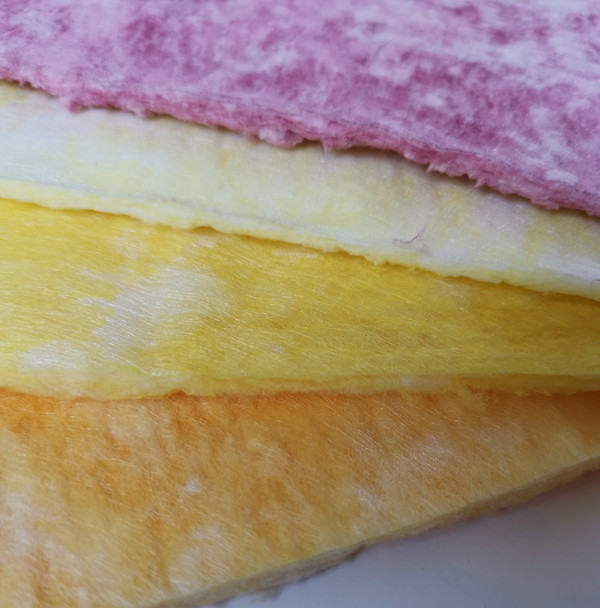
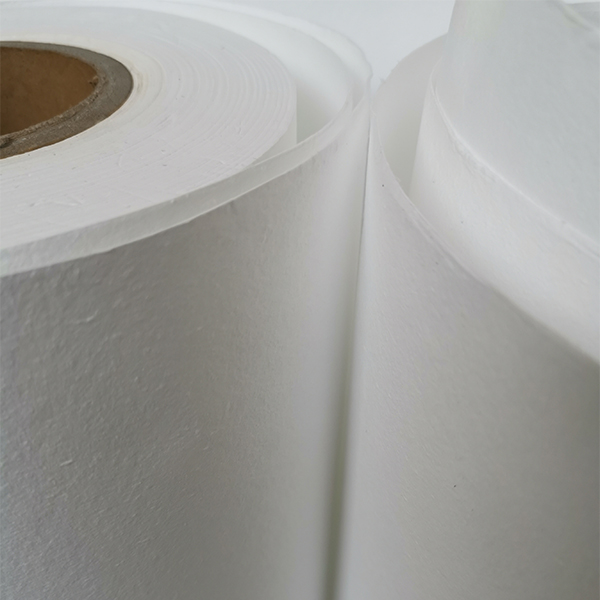
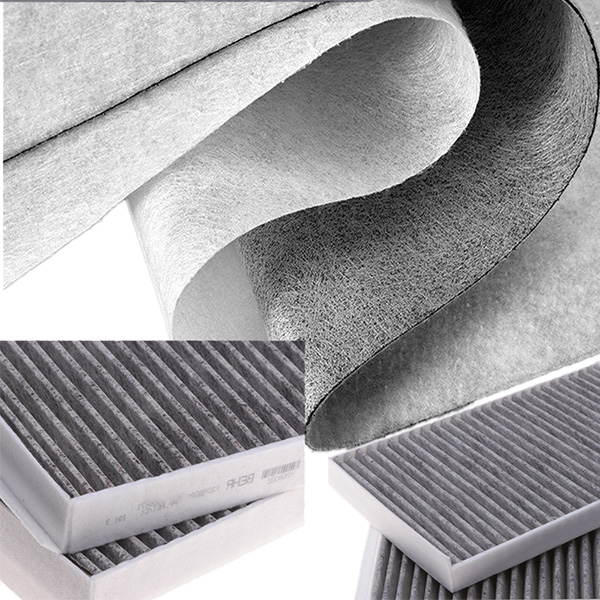
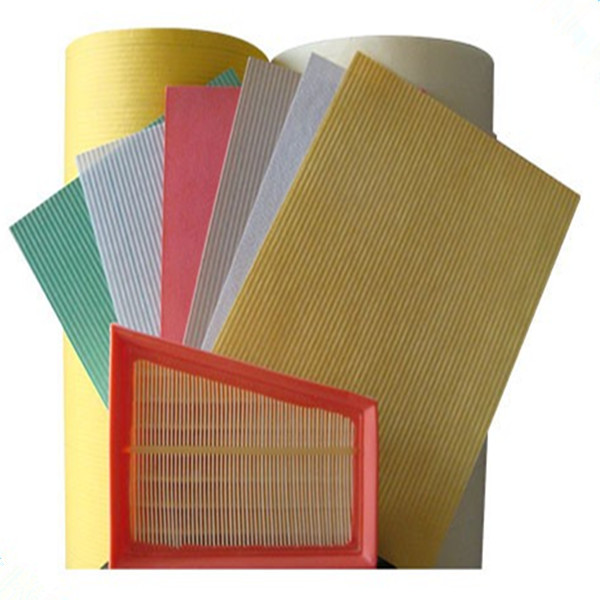
At its core, HEPA filter media refers to the material that physically traps tiny particles in the air, typically those as small as 0.3 microns, with at least 99.97% efficiency. This media is usually woven or nonwoven mats made of remarkably fine glass or synthetic fibers. Think of it as a microscopic net that captures dust, allergens, bacteria, and even some viruses.
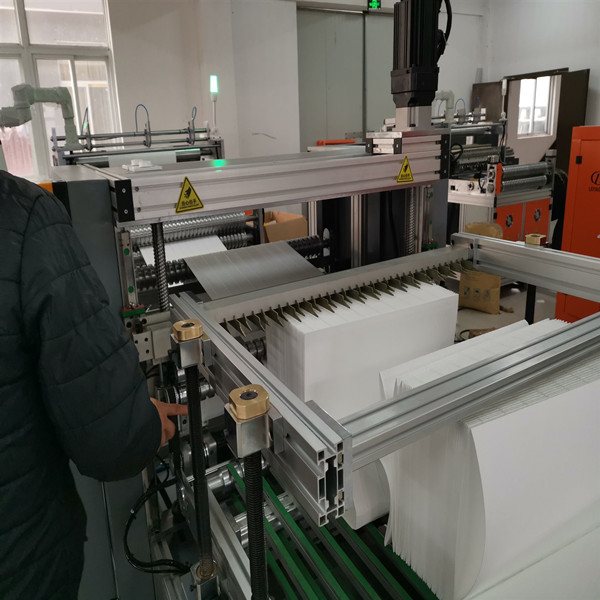
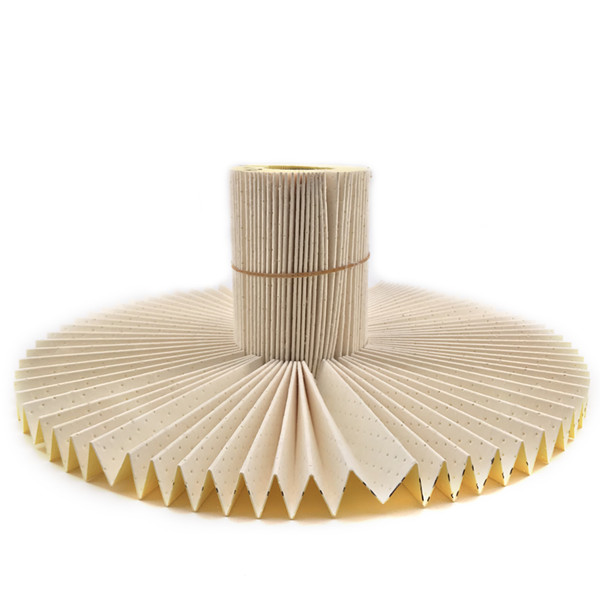
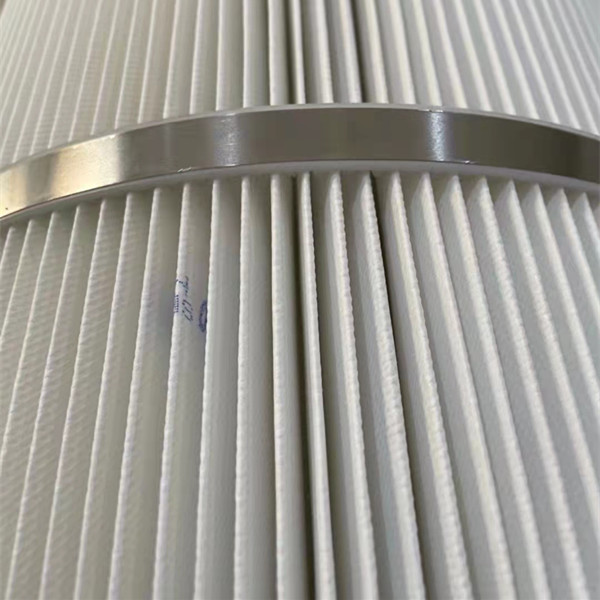
Though the concept is simple—just trapping particles—the technology behind producing and testing HEPA media is complex and precise. The performance depends on fiber diameter, mat density, and the way it’s pleated in filter housings.
In industries, this media forms the heart of air filters used in:
- Hospitals and pharmaceutical clean rooms
- Aircraft cabin air systems
- Residential and commercial HVAC units
- Disaster relief emergency shelters
- Semiconductor manufacturing
Its role? Keep the environment sterile or at least clean enough to reduce risks of contamination and illness.
Mini Takeaway:
HEPA filter media is the backbone of high-efficiency air filtration, combining fine materials and smart design to trap microscopic threats that otherwise would go airborne.
Core Components That Define HEPA Filter Media
1. Material Composition
The most common HEPA media uses borosilicate glass fibers mixed sometimes with synthetic polymers. The layering and bonding techniques determine durability and resistance to environmental factors like moisture and heat.
2. Filtration Efficiency
Filters must capture 99.97% of particles ≥0.3 microns, the "most penetrating particle size" (MPPS). Achieving this means balancing fiber size, density, and charge (some media uses electrostatic attraction).
3. Airflow Resistance
Good HEPA media must maintain a reasonable pressure drop. If air can’t flow, systems become inefficient or noisy — not ideal for hospitals or industrial plants.
4. Durability & Longevity
Depending on use, media needs to withstand long-term exposure to dust loads, humidity, and sometimes chemical agents.
5. Scalability & Cost
Innovations are paving the way for media that is cheaper to produce yet maintains performance. This matters especially for expanding access in developing countries or mass emergency deployments.
Mini Takeaway:
Material choice, filtration quality, airflow, and resilience all weave together to define effective HEPA filter media — none can be overlooked.
Real-World Uses for HEPA Filter Media
It’s one thing to know the specs on paper — it’s another to see HEPA media working on the ground. Here are some illustrative use cases:
- Healthcare: The savior of clean rooms and operating theaters globally. In pandemic times, hospital HVACs loaded with HEPA media filter airborne viruses and bacteria constantly.
- Industrial manufacturing: Semiconductors demand ultra-clean air. Manufacturers in Taiwan, South Korea, and the US rely heavily on the media’s precision.
- Disaster relief and shelters: NGOs are increasingly using portable air purifiers equipped with HEPA filters in refugee camps and disaster zones to mitigate airborne health risks.
- Transportation: Airlines retrofit cabin filters with HEPA media to improve passenger safety mid-flight.
- Residential appliances: Premium vacuum cleaners and air purifiers empower consumers to protect their home environments from allergens and pollution.
Oddly enough, while the technology is vital, accessibility can still be an issue in some regions due to cost or supply chain gaps, which is something the industry is actively trying to fix.
Mini Takeaway:
Wherever clean air matters — hospitals, factories, disaster relief camps — HEPA filter media is an unsung hero.
Advantages and the Long-Term Value of HEPA Filter Media
- Health Safety: Proven to dramatically reduce allergens, pathogens, and pollutants.
- Cost-effective: Though premium priced initially, HEPA media extends equipment life by protecting sensitive components and reduces disease-related downtime.
- Eco-friendly innovation: New reusable and biodegradable media are emerging, reducing landfill waste.
- Trust and reliability: Customers and regulatory bodies demand verified HEPA standards, underpinning business reputations.
- Social impact: Cleaner air reduces healthcare burdens and improves quality of life, notably in urban and impoverished communities.
There’s something deeply reassuring about knowing invisible threats are being caught before they reach us. That trust is priceless in both homes and hospitals.
Future Trends Shaping HEPA Filter Media
Innovation is alive and kicking in this field. Some notable trends include:
- Nanofiber-enhanced media: Ultra-fine fibers increase efficiency without choking airflow.
- Smart filtration: Sensors integrated with filters that signal when replacement is needed, optimizing maintenance.
- Green manufacturing: Emphasis on using recycled or natural fibers to reduce environmental footprints.
- Automated quality control: AI-driven systems to test consistency and durability at scale.
- Global standard harmonization: Efforts led by ISO and ANSI seek to align HEPA testing worldwide.
It's exciting to think about a future where HEPA filters might be cheaper, smarter, and greener — making clean air accessible to all.
Challenges and How the Industry is Tackling Them
Of course, no tech is without its quirks:
- Cost barriers: High-quality HEPA media can be expensive, especially in developing markets.
- Disposal issues: Used filters carry biohazards and often end up in landfills.
- Supply chain vulnerabilities: Recent global disruptions showed how fragile production and availability can be.
- Filter lifespan uncertainty: Inconsistent replacement schedules compromise efficiency.
Innovations like recyclable materials, local manufacturing pushes, and IoT-enabled maintenance alerts are proposed solutions helping to bridge these gaps.
Vendor and Product Specification Overview
| Specification | Typical Range | Notes |
|---|---|---|
| Particle Capture Efficiency | ≥ 99.97% @ 0.3 µm | Standard HEPA benchmark |
| Media Thickness | 3–7 mm (pleated) | Depends on filter design |
| Pressure Drop | 100–250 Pa | Trade-off between flow and efficiency |
| Operating Temp. Range | -20°C to 70°C | Application-dependent |
| Airflow Capacity | Up to 3000 m³/h | Higher in industrial setups |
Top HEPA Filter Media Vendors Compared
| Vendor | Media Type | Price Range | Key Strength | Global Reach |
|---|---|---|---|---|
| Anya Filter Media | Glass fiberglass + synthetic blend | $$ | Reliable quality, eco-conscious range | Asia, Europe, North America |
| PureFil Technologies | Nanofiber enhanced | $$$ | Ultra-high efficiency, innovation focus | Global |
| Global Air Filters | Standard borosilicate glass fiber | $ | Cost-effective, large volume supply | Mostly Americas, parts of Asia |
Frequently Asked Questions About HEPA Filter Media
Q1: How often should HEPA filter media be replaced in medical facilities?
A1: Typically, HEPA filter media in hospitals lasts 6 to 12 months depending on the air quality and usage. Airborne particles and microbes gradually clog the filter, reducing airflow and efficiency, so timely replacement is crucial to maintain sterile environments. Many facilities use automated sensors to alert when performance declines.
Q2: What distinguishes HEPA filter media from regular air filter materials?
A2: HEPA media is certified to capture at least 99.97% of particles 0.3 microns in size — the standard air filters often only catch larger particles and have lower filtration efficiency. The tightly woven glass or synthetic fibers in HEPA media create a dense mat capable of trapping ultra-fine particles through diffusion, interception, and electrostatic attraction.
Q3: Is HEPA filter media reusable or recyclable?
A3: Most traditional HEPA filters are disposable because they trap biohazards and fine particulates that can't be safely cleaned out. However, emerging innovations focus on recyclable materials and reusable designs that can be sanitized and restored, aiming to reduce environmental impacts and long-term costs.
Q4: Can HEPA filter media be adapted for outdoor air pollution control?
A4: Certainly! Air pollution control devices in urban or industrial areas often incorporate HEPA media as a final stage filter to trap very fine particles, including PM2.5 and smaller. However, these systems use ruggedized and larger scale filters designed to handle higher airflow and particulate loading.
Wrapping Up: Why HEPA Filter Media Is a Smart Investment
In real terms, HEPA filter media plays a silent yet vital role in making the air around us safer, cleaner, and healthier. Whether in hospitals, factories, disaster relief zones, or homes, investing in reliable HEPA media means improved health outcomes, compliance with regulations, and long-term cost savings. The industry is rapidly evolving to tackle challenges with smarter, greener materials and better production techniques.
For anyone serious about quality air filtration, diving deeper into the specifics of hepa filter media will pay dividends — literally and figuratively. Interested in exploring the best options? Visit Anya Filter Media for a wide range of dependable, eco-friendly solutions.
Final Mini Takeaway:
Clean air isn’t a luxury — it’s a necessity. HEPA media makes it possible worldwide in practical, scalable ways.
References
Post time: Nov-30-2025