What Exactly is HEPA Filter Material and Why It Matters Today
If you’ve ever glanced at an air purifier’s specs or peeked inside your vacuum cleaner, you might have encountered HEPA filter material without realizing how pivotal it really is. Globally, as we become more conscious about air quality—from smog-choked cities to sterile hospitals—the role of high-efficiency particulate air (HEPA) filters has skyrocketed. They play a quiet but essential part in protecting health by capturing microscopic airborne particles—from pollen and dust mites to bacteria and even some viruses.
Understanding this filter media is no mere technical hobby; it’s central to how societies manage clean air, prevent disease spread, and advance industrial safety. Plus, with climate change throwing more dust storms and wildfire smoke our way, HEPA filter materials are becoming everyday heroes in households and disaster relief alike.
The Global Buzz Around HEPA Filter Material
According to the World Health Organization (WHO), air pollution causes roughly 7 million premature deaths each year, making clean air technologies vital. HEPA filters have found their place in everything from hospital ventilation systems to aircraft cabins, mitigating the health risks from particulates and bioaerosols. The International Organization for Standardization (ISO) even maintains standards to classify and test these filters for efficiency and durability.
The challenge, though, is that not all filter materials are created equal. Global industries face hurdles sourcing reliable HEPA media that balances filtration efficiency with airflow, cost, and ecological footprint. Developing countries, especially those with rapid industrialization or frequent natural disasters, need affordable, effective filter materials to protect populations. So the push to innovate better HEPA materials is both a technical and humanitarian endeavor.
What is HEPA Filter Material? A Simple Definition
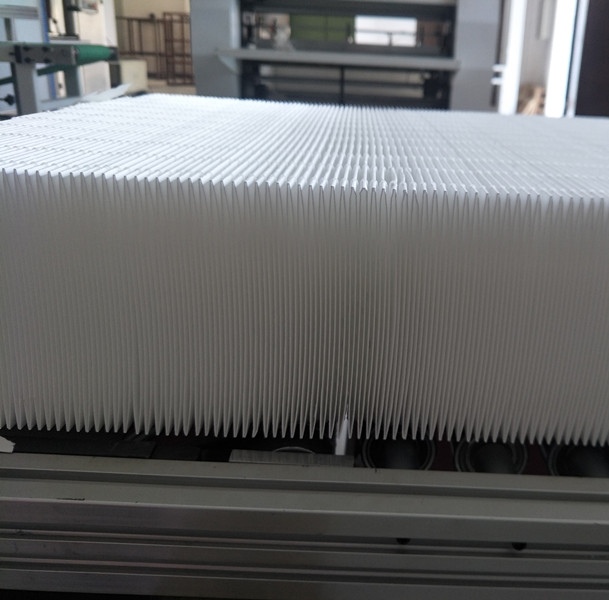
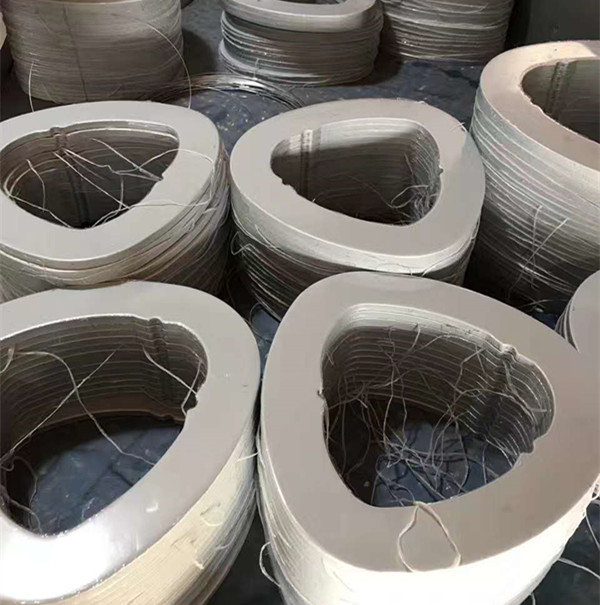
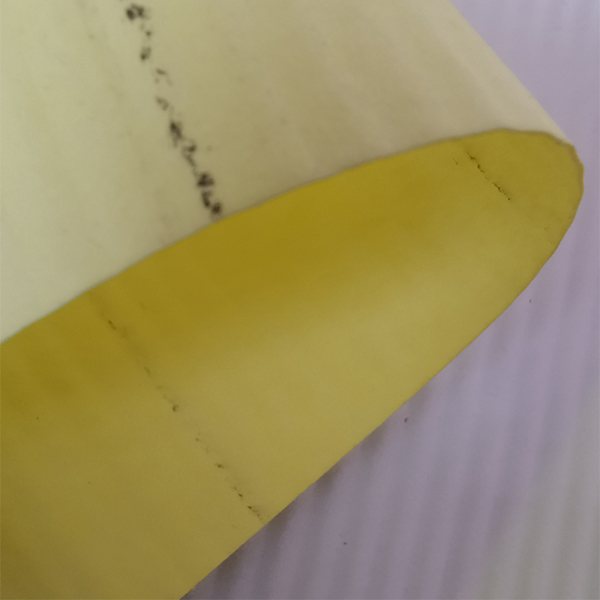
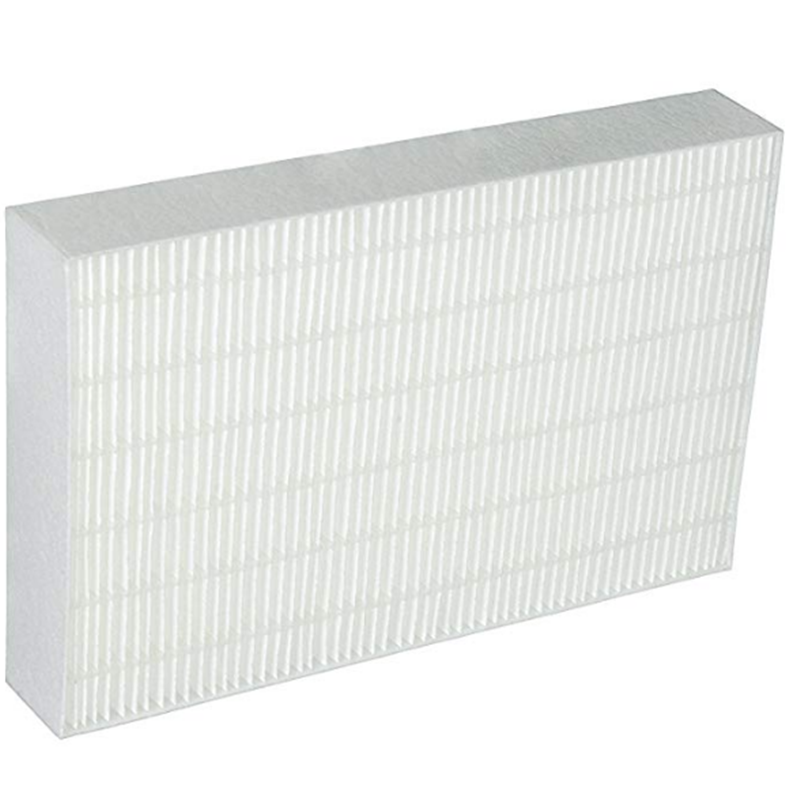
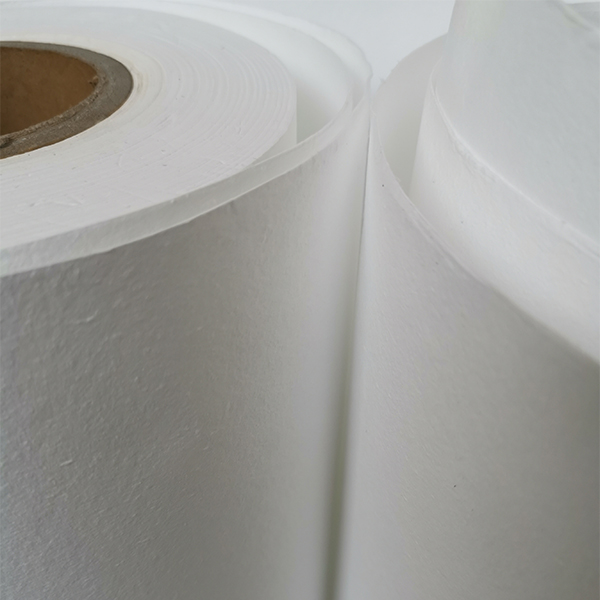
HEPA filter materials usually consist of randomly arranged fibers—commonly fiberglass—that trap at least 99.97% of particles as small as 0.3 microns. Think of it like a dense net, catching particles down to a size invisible to the naked eye. This media’s design is a balancing act: dense enough to trap harmful particles but porous enough to let clean air flow through without choking airflow.
These filters have roots in 1940s nuclear research but today are everywhere: hospitals, factories, cleanrooms, even your local library. Their basic purpose remains constant—capture airborne contaminants efficiently—to meet industrial hygiene, environmental, and even humanitarian needs where indoor air quality is essential to health and comfort.
Breaking Down the Core Components of HEPA Filter Material
Fiber Composition and Density
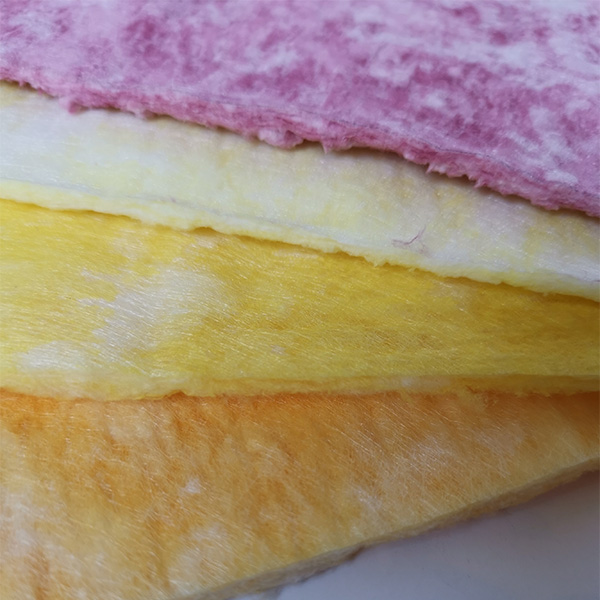
Typically fiberglass dominates, though emerging synthetic fibers show promise for durability and moisture resistance. The density determines filtering power but tight fibers also restrict airflow, so manufacturers optimize this carefully by layering fiber mats.
Durability Under Harsh Conditions
Filters must handle humidity, temperature swings, and even chemical exposure depending on usage. Materials that degrade rapidly are costly since frequent replacement reduces uptime, especially in remote industrial or disaster response environments.
Airflow and Pressure Drop
One tricky tradeoff is minimizing pressure drop—the resistance air faces passing through a filter. Higher pressure drop means more energy consumed by blower fans, impacting operational costs dramatically. Engineers seek media with shaped fibers or electrostatic treatments to maximize capture while easing airflow.
Cost Efficiency and Scalability
While high-quality HEPA material is inherently more expensive than basic filters, scalable manufacturing and material innovations can bring costs down, enabling expanded access to clean air solutions globally. This balance is crucial for NGOs or governments outfitting multiple facilities or temporary shelters.
Eco-Friendliness and Recyclability
As green manufacturing becomes a focus worldwide, the industry experiments with bio-based fibers and recyclable composites. HEPA media that’s safe for incineration or recycling could contribute to reducing landfill waste, aligning with sustainability goals.
Global Applications: Where and Why HEPA Filter Material Shines
From Northern Europe to Southeast Asia, industries and organizations rely on superior HEPA media for myriad purposes:
- Healthcare facilities: ensuring sterile operating rooms and patient safety.
- Industrial zones: capturing toxic dust and chemical aerosols to protect workers.
- Disaster relief operations: temporary shelters use portable HEPA units to create safe breathing environments amid fires or floods.
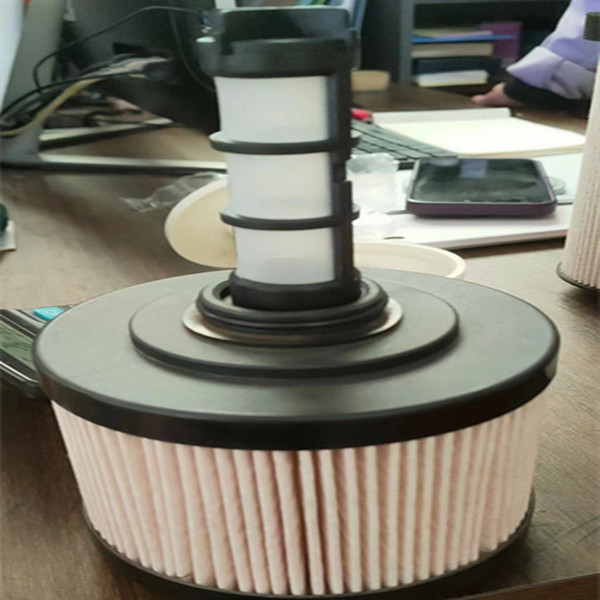
- Residential use: air purifiers and HVAC systems reduce allergens and airborne pathogens.
Interestingly, in regions prone to forest fires—California, Australia, parts of Canada—the demand for efficient HEPA materials surges during smoky seasons, underscoring a direct link between environmental factors and filter innovation.
Product Specification Table: Typical HEPA Filter Media Features
| Feature | Typical Value | Notes |
|---|---|---|
| Particle Capture Efficiency | ≥ 99.97% at 0.3 μm | Standard HEPA test size |
| Media Composition | Glass fibers or synthetic blend | Varies with supplier |
| Airflow Resistance (Pressure Drop) | ≤ 250 Pa at rated flow | Lower is better for energy |
| Operating Temperature | -40 °C to +80 °C | Suitable for most environments |
| Life Span | 6-12 months typical | Depends on load and conditions |
Vendor Comparison: A Quick Look at HEPA Filter Material Suppliers
| Vendor | Material Type | Sustainability Focus | Typical Lead Time | Price Range (per sqm) |
|---|---|---|---|---|
| CleanAir Solutions | Glass fiber with electrostatic treatment | Medium, partly recyclable | 2-3 weeks | $20 - $30 |
| EcoFilter Corp. | Bio-based synthetic fibers | High, fully recyclable | 4-5 weeks | $25 - $35 |
| PurityAir Ltd. | Traditional fiberglass mats | Low, non-recyclable | 1-2 weeks | $15 - $20 |
Why Invest in HEPA Filter Material? Advantages and Lasting Value
Looking beyond specs, the benefits become personal and social. For hospitals, reliable filtration means safety during viral outbreaks—a trust patients count on. For industrial settings, it translates into compliance with health regulations and reduced liability. On a more emotional note, people with respiratory issues experience improved quality of life. For disaster relief teams, these materials enable temporary shelters to offer dignity and protection against airborne toxins.
Financially, better filter materials mean less frequent replacements, reduced energy costs, and longer equipment life. And in an era when environmental responsibility shapes purchasing decisions, sourcing eco-friendly HEPA material is a powerful statement aligned with corporate social responsibility.
Emerging Trends Shaping the Future of HEPA Filter Media
Innovation never rests. The future may bring nanofiber layers promising even higher efficiencies with lower airflow resistance. Automation and AI-driven quality control are streamlining production for consistent performance. Sustainability is a massive motivator — expect more bio-based fibers, biodegradable composites, and recyclable designs.
Then there’s the digital transformation angle: smart filters with embedded sensors that track usage and purity levels, automatically scheduling replacements or alerting users before performance dips. These advances hint at a future where hepa filter material isn’t just passive but part of an intelligent air quality ecosystem.
Common Challenges and How the Industry Tackles Them
Even with advancements, HEPA filter materials face limitations—susceptibility to clogging, moisture damage, and high replacement costs. Experts continuously experiment with hydrophobic fibers and layered composites to improve lifespan and reduce maintenance.
Moreover, global supply chain disruptions sometimes delay delivery of specialty fibers. The solution? Diversified sourcing and local manufacturing hubs to ensure readiness, especially when rapid deployments are crucial.
FAQ: Your Questions About HEPA Filter Material, Answered
- Q: How do HEPA filters differ from regular air filters?
- HEPA filters trap particles down to 0.3 microns at an efficiency of 99.97%, far finer than most standard filters, which often capture larger dust but not microscopic pollutants or allergens.
- Q: Can HEPA filter material be used in humid environments?
- Yes, although traditional glass fiber filters can absorb moisture and degrade, specially treated or synthetic HEPA materials offer better moisture resistance and durability in such conditions.
- Q: How often should HEPA filter material be replaced?
- Typically, every 6 to 12 months depending on usage and air quality. Heavy particle loads and pollutants can shorten lifespan, so monitoring filter condition regularly helps.
- Q: Are bio-based HEPA filter materials as effective as traditional ones?
- Emerging bio-based fibers show comparable performance with added sustainability benefits. Research is ongoing to enhance their durability and filtration properties for broader adoption.
- Q: Where can organizations source reliable HEPA filter material globally?
- Several suppliers worldwide provide certified HEPA media; choosing one depends on quality, sustainability priorities, and lead times. Check vendors with strong industry certifications and transparent material sourcing.
Wrapping Up: Why HEPA Filter Material Will Continue to Matter
In a world that’s increasingly interconnected yet also facing pollution and airborne health threats, HEPA filter materials stand as quiet, yet powerful defenders of our well-being. Their evolving design and ever-increasing efficiency respond to complex global needs—be it in hospitals or rugged disaster zones. Frankly, understanding and selecting the right HEPA media can make all the difference between clean, breathable air and compromised health.
If you’re interested in diving deeper or sourcing quality hepa filter material, we invite you to visit our website for comprehensive solutions, detailed specs, and expert advice.
1. WHO Air Pollution Data – https://www.who.int/health-topics/air-pollution
2. ISO 29463 - High-efficiency filters and filter media – https://www.iso.org
3. Wikipedia: HEPA filter – https://en.wikipedia.org/wiki/HEPA_filter
Post time: Nov-30-2025