Maximizing Air Quality: The Ultimate Guide to Metal Mesh HVAC Filters
Maintaining a clean and efficient ventilation system is critical for both residential comfort and industrial productivity. Among the various filtration options available, metal mesh hvac filters have emerged as a powerhouse solution for those seeking durability and sustainability. Unlike disposable alternatives, these filters are designed to capture large particles while allowing for maximum airflow, making them an ideal choice for pre-filtration. In this comprehensive guide, we will explore the technical advantages, application scenarios, and maintenance tips to help you determine if a metallic filtration system is the right fit for your infrastructure.
How Metal Mesh HVAC Filters Enhance System Longevity
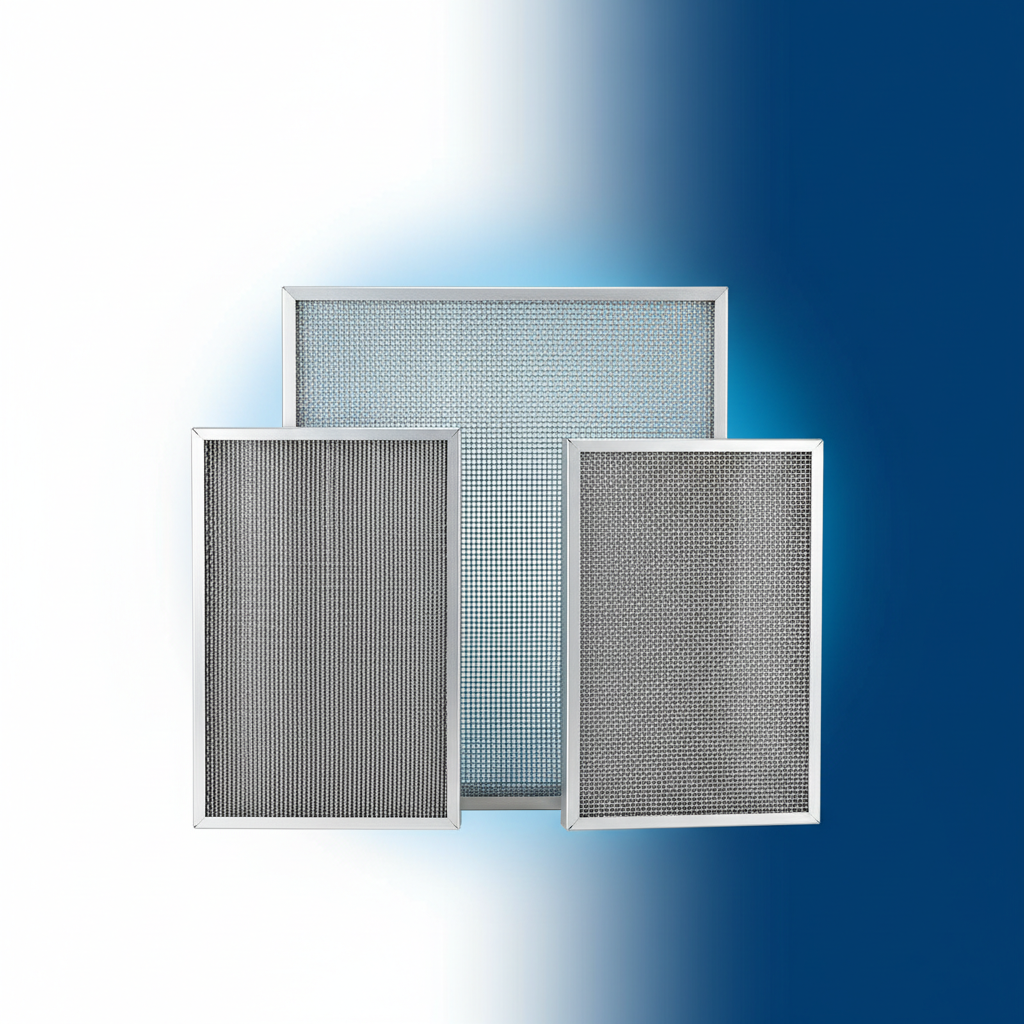
The primary role of metal mesh hvac filters is to act as a first line of defense. By trapping coarse dust, lint, and larger debris, they prevent these contaminants from reaching and clogging more expensive high-efficiency particulate air (HEPA) filters or damaging the HVAC blower motor. This "pre-filtration" strategy significantly extends the lifespan of the entire system, reducing the frequency of costly replacements. Because they are constructed from stainless steel or aluminum, they are resistant to corrosion and can withstand extreme temperature fluctuations that would typically degrade synthetic fibers.
Pro Tip: Installing a metal mesh pre-filter can reduce the replacement rate of secondary fine-particle filters by up to 40%, leading to substantial long-term operational savings.
Comparing Metal Mesh HVAC Filters vs. Disposable Media
When choosing between a permanent metal solution and traditional disposable filters, the decision usually comes down to a balance of initial cost versus lifecycle value. Disposable filters are cheap upfront but create a constant stream of waste and recurring expenses. In contrast, metal mesh hvac filters offer a washable, reusable design that aligns with modern green building standards. They provide lower pressure drops, which means your HVAC system doesn't have to work as hard to push air through, resulting in lower energy bills.
Industrial Applications for Metal Mesh HVAC Filters
While useful in homes, metal mesh hvac filters are indispensable in industrial settings. Factories, workshops, and commercial kitchens deal with grease, heavy metallic dust, and moisture—conditions that would instantly destroy a paper filter. Stainless steel mesh is particularly prized for its ability to withstand chemical cleaning agents and high-pressure washing. From automotive paint booths to pharmaceutical cleanrooms, these filters ensure that the primary air handling units remain unobstructed and efficient.
Technical Specifications of Metal Mesh HVAC Filters
To choose the right filter, one must understand the technical parameters. The efficiency of a mesh filter is determined by the "mesh count" (the number of openings per linear inch). A higher mesh count captures smaller particles but increases air resistance. Most metal mesh hvac filters are custom-engineered to balance the filtration grade with the required cubic feet per minute (CFM) of the system.
Maintenance Best Practices for Maximum Efficiency
The longevity of metal mesh hvac filters depends entirely on consistent maintenance. Unlike disposable filters that you simply throw away, these require a cleaning schedule. It is recommended to inspect the mesh monthly. For cleaning, a gentle vacuuming can remove surface dust, while a low-pressure water rinse is effective for deeper grime. It is vital to ensure the filters are completely dry before re-installing them to prevent mold growth or moisture from entering the ductwork.
Cleaning Checklist:
• Remove filter carefully to avoid damaging the frame.
• Use a vacuum to remove loose debris from the air-exit side.
• Rinse with water or a mild detergent if grease is present.
• Air dry completely before re-insertion.
Selecting the Right Mesh Grade for Your Environment
Not all environments are created equal, and neither are filters. In a high-humidity environment, stainless steel 316 is preferred due to its superior corrosion resistance. In a light-commercial office, aluminum may suffice for basic dust capture. When ordering metal mesh hvac filters, always consider the "pressure drop" versus "particle capture" trade-off. A filter that is too dense will strain your motor, while one that is too open will allow too many contaminants to pass through to the secondary stages.
Conclusion: The Sustainable Choice for HVAC Filtration
Investing in metal mesh hvac filters is a strategic move for any facility manager or homeowner looking to combine efficiency with sustainability. By reducing waste, lowering energy costs through improved airflow, and protecting critical system components, these filters provide a return on investment that disposable options simply cannot match. Whether you are upgrading an industrial plant or optimizing a residential system, the durability and reliability of metallic filtration ensure a cleaner, healthier environment for years to come.
Frequently Asked Questions (FAQs)
Can metal mesh filters replace HEPA filters entirely?
No, metal mesh filters are not intended to replace HEPA filters. While HEPA filters are designed to capture microscopic particles (like bacteria and smoke), metal mesh filters are designed for "coarse" filtration. Their primary purpose is to capture larger particles to protect the HEPA filter from clogging prematurely. For optimal air quality, a combination of a metal mesh hvac filter as a pre-filter and a HEPA filter as the final stage is the gold standard.
How often should I clean my metal mesh HVAC filter?
The cleaning frequency depends on the environment. In a standard residential setting, checking once a month is usually sufficient. However, in industrial environments with high dust levels or commercial kitchens with grease, weekly cleaning may be necessary. A good rule of thumb is to clean the filter when you notice a visible accumulation of debris or when the system's airflow starts to feel restricted.
Will switching to metal mesh filters save me money on electricity?
Yes, potentially. Metal mesh filters generally have a lower pressure drop than thick disposable pleated filters. This means the HVAC blower motor doesn't have to work as hard to pull air through the system, which can reduce electricity consumption. Additionally, the elimination of recurring monthly or quarterly filter purchase costs leads to significant direct financial savings over time.
Are these filters suitable for high-humidity areas?
Absolutely. Unlike paper or fiberglass filters, which can sag, mold, or disintegrate in high humidity, metal mesh filters are structurally stable. If you choose stainless steel (especially grade 316), they are highly resistant to rust and corrosion, making them the ideal choice for coastal regions, laundry facilities, or industrial cooling towers where moisture is prevalent.
Post time: Apr-09-2026