In the high-stakes environment of industrial filtration and environmental protection, the integrity of materials is the first line of defense against catastrophic failure. fire retardant paper sheets have emerged as a critical innovation, bridging the gap between the lightweight versatility of cellulose-based materials and the stringent safety requirements of modern industrial codes. By integrating advanced chemical treatments into the paper matrix, these sheets provide a reliable barrier that prevents the rapid spread of flame, ensuring that filtration systems remain safe even under extreme thermal stress.
Globally, the demand for fire-resistant filtration media is skyrocketing as regulatory bodies like ISO and various national fire safety agencies tighten their standards for industrial ventilation and air purification. The challenge has always been maintaining the high porosity and filtration efficiency of the paper while adding fire-retardant properties; however, modern material science has unlocked ways to achieve both. This balance is essential for facilities handling volatile organic compounds (VOCs) or operating in high-heat manufacturing zones where a single spark could lead to significant downtime or danger.
Understanding the nuances of fire retardant paper sheets is not merely a matter of compliance, but a strategic investment in operational resilience. From reducing insurance premiums to protecting human life and expensive machinery, the adoption of flame-resistant media represents a shift toward a "safety-first" engineering culture. In this comprehensive guide, we explore the technical composition, global applications, and future trajectory of these essential industrial components.
Global Relevance of Fire Retardant Paper Sheets
The global industrial landscape is currently facing a dual challenge: the need for hyper-efficient air filtration to meet environmental ESG (Environmental, Social, and Governance) goals and the necessity of uncompromising fire safety. In sectors such as chemical processing and automotive manufacturing, the use of fire retardant paper sheets has become a baseline requirement rather than a luxury. As factories scale their operations, the risk of accidental ignition in ductwork and filter housings increases, making flame-inhibiting materials a critical component of risk management strategies.
From a regulatory perspective, international standards such as UL 94 and DIN 53439 dictate the flame-spread characteristics of materials used in public and industrial spaces. Companies that fail to implement certified fire-retardant media often face higher insurance costs and stricter audits. By utilizing specialized paper sheets treated with phosphorus or halogen-free compounds, industries can ensure that their filtration systems act as a fire break rather than a fuel source during an emergency.
Technical Definition and Composition
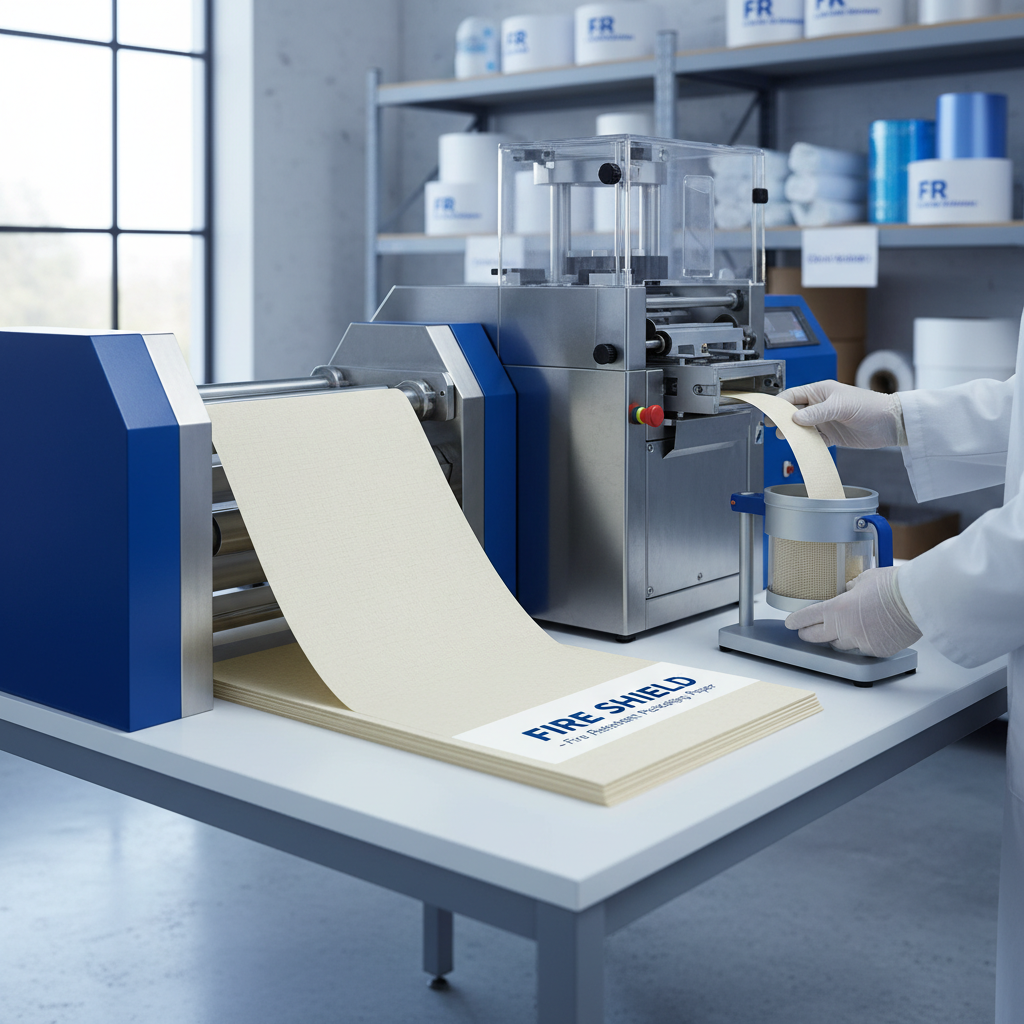
At its core, fire retardant paper sheets are engineered cellulose or synthetic fiber matrices that have been chemically modified to resist ignition and slow the rate of combustion. Unlike standard filter paper, which is highly flammable, these sheets are impregnated with flame retardants—either during the pulping process (intrinsic) or as a post-treatment coating (extrinsic). This chemical barrier works by creating a char layer when exposed to heat, which insulates the underlying material and cuts off the oxygen supply to the flame.
The composition typically involves a blend of high-purity cellulose fibers for structural integrity and filtration capability, combined with inorganic salts or organic polymers that act as the retardant agents. In the context of high-end filtration, these materials are often blended with glass microfibers or synthetic polymers to enhance their thermal stability. This hybrid approach ensures that the paper doesn't just resist fire, but also maintains its mechanical strength at elevated temperatures, preventing the filter from collapsing under pressure.
Modern innovation has moved toward "green" fire retardants, replacing toxic halogenated compounds with bio-based phosphorus or nitrogen-based additives. This shift addresses the humanitarian need for safer workplace environments and reduces the ecological footprint of the manufacturing process. Consequently, today's fire-resistant sheets are not only safer in a fire but also safer for the operators who handle them during installation and replacement.
Core Performance Factors of Flame-Resistant Media
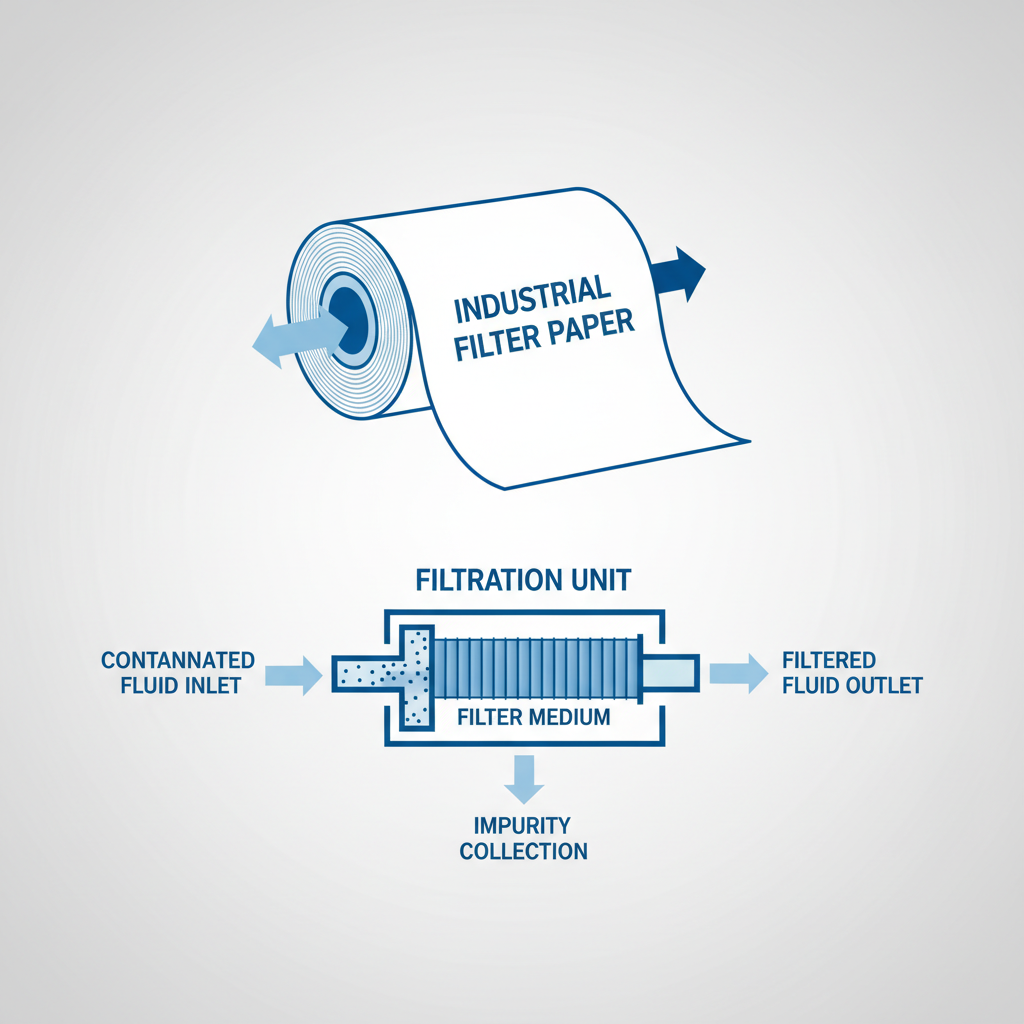
One of the primary considerations for fire retardant paper sheets is Thermal Stability. This refers to the material's ability to maintain its physical structure and pore size distribution when subjected to heat. If a filter shrinks or warps under thermal stress, it can lead to "blow-through," where unfiltered air bypasses the media, compromising the entire environmental protection system.
Filtration Efficiency vs. Retardancy is the second critical factor. There is often a technical trade-off where adding heavy chemical retardants can clog the pores of the paper, increasing pressure drop and reducing airflow. The engineering goal is to achieve a high "Flame Retardancy Index" without sacrificing the micron rating of the fire retardant paper sheets, ensuring that the air remains clean while the facility remains safe.
Finally, Chemical Compatibility ensures that the fire-retardant additives do not react negatively with the pollutants being filtered. In industrial settings, filters may encounter acidic vapors or oily mists. The retardant agents must be chemically inert to these substances to prevent the degradation of the paper matrix, which would otherwise lead to premature failure and an increased risk of ignition.
Comparative Efficiency and Safety Metrics
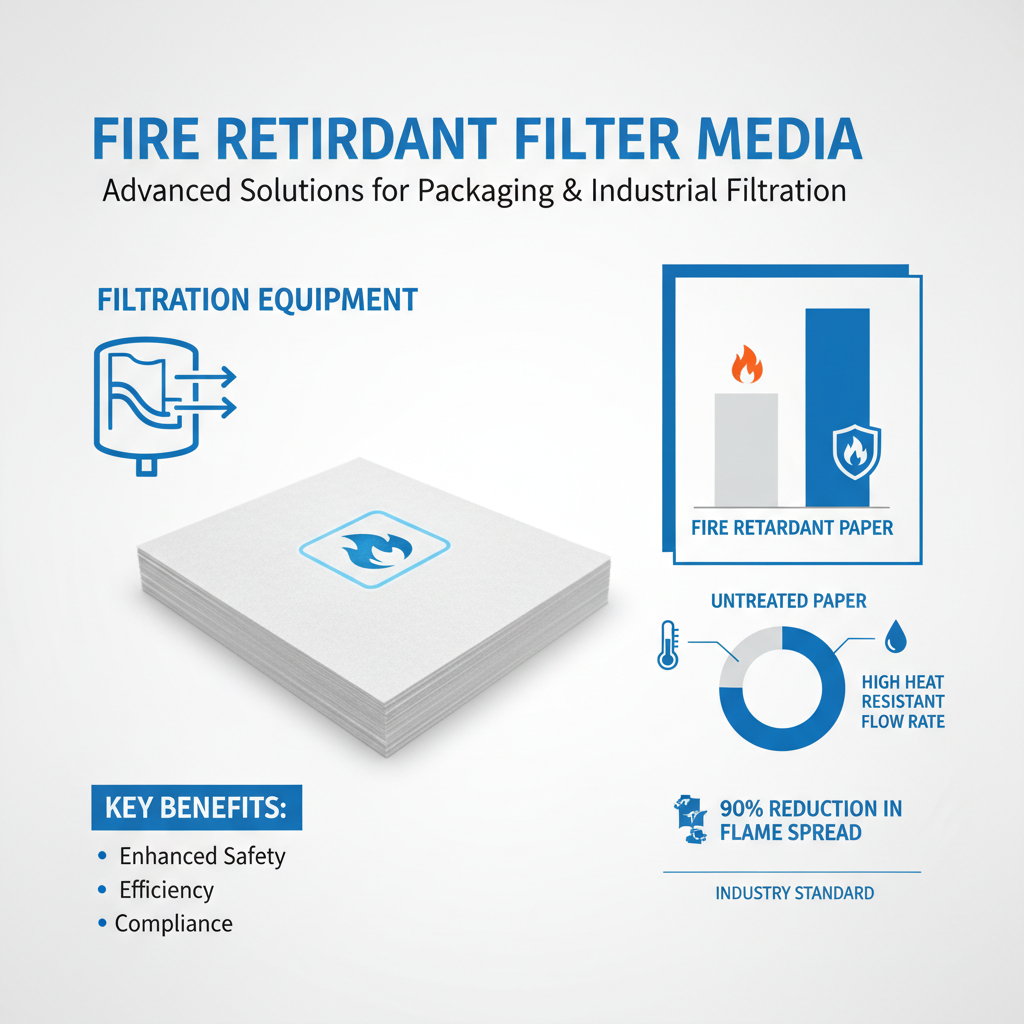
To truly understand the value of fire retardant paper sheets, one must compare them against standard industrial cellulose media. While standard paper offers excellent initial cost-efficiency, its failure mode in a fire is catastrophic, often acting as a wick that transports flames through a ventilation system. In contrast, fire-retardant variants are designed to self-extinguish once the heat source is removed, providing precious minutes for emergency response systems to activate.
The performance of these materials is measured through a combination of "Air Permeability" and "Limiting Oxygen Index" (LOI). A higher LOI indicates a material that is harder to ignite. When we analyze different treatment methods for fire retardant paper sheets, it becomes clear that integrated chemical bonding outperforms simple surface spraying in terms of longevity and consistency.
Comparative Performance of Fire Retardant Paper Sheets Methods
Industrial Applications Across Global Sectors
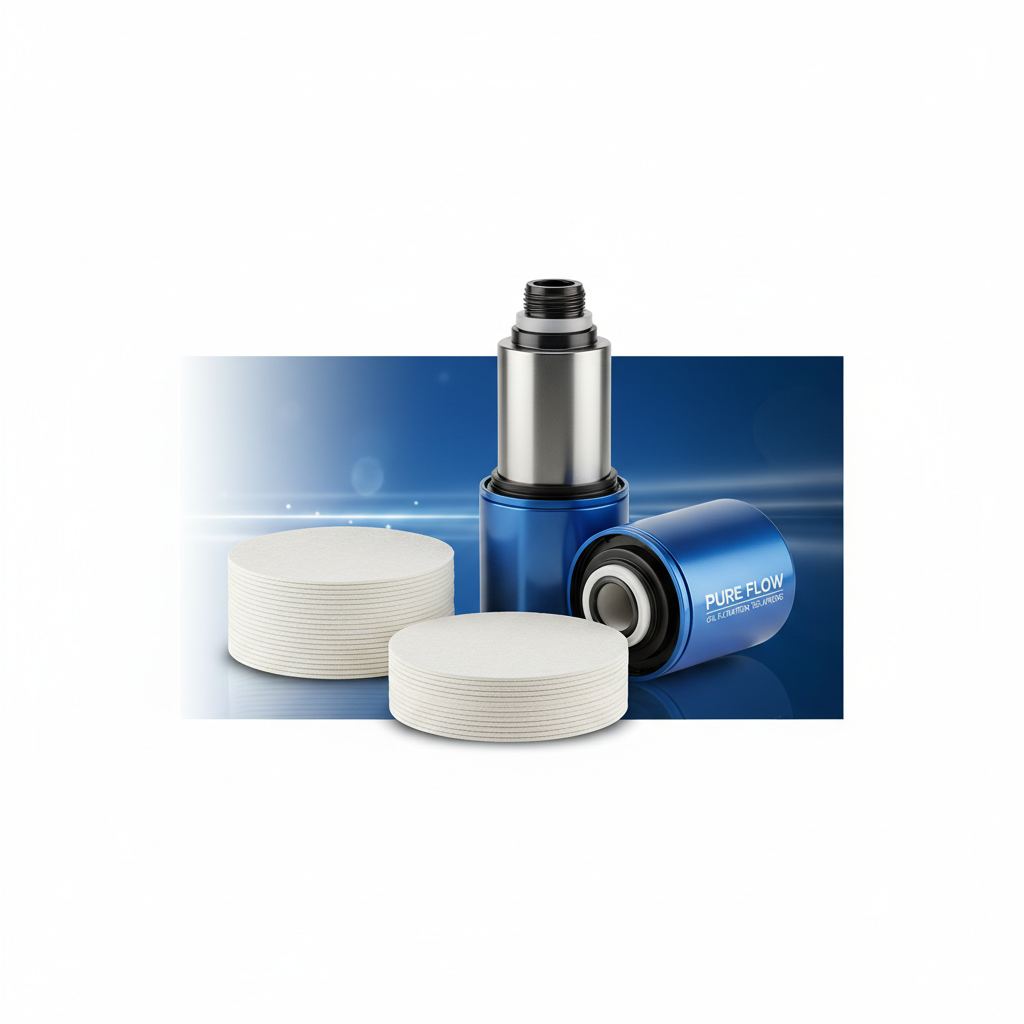
The deployment of fire retardant paper sheets spans a diverse array of high-risk environments. In the aerospace and automotive sectors, these materials are used in cabin air filtration and engine intake systems where the proximity to fuel and electrical components makes fire prevention non-negotiable. Similarly, in the pharmaceutical industry, where cleanrooms must be kept sterile and safe from electrical sparks, flame-resistant media provide a critical safety layer in the HVAC systems.
Beyond high-tech manufacturing, these sheets are indispensable in heavy industrial zones, such as steel mills and cement plants. In these regions, dust collector filter media must withstand not only heavy particulate loads but also the risk of dust explosions. By implementing fire retardant paper sheets, plants can significantly reduce the risk of a flash fire spreading through the filtration galleries, protecting both the infrastructure and the workforce.
Long-term Value and Sustainability Benefits
Investing in fire retardant paper sheets offers a logical and emotional return on investment. Logically, the cost of these premium materials is a fraction of the potential loss associated with a fire-related shutdown. From a financial perspective, using certified flame-resistant media often allows companies to secure lower insurance premiums and ensures a smoother path to regulatory certification, accelerating time-to-market for new facilities.
From an emotional and social angle, the use of these materials reflects a commitment to human dignity and workplace safety. When employees know that the air they breathe is filtered by materials designed to prevent disaster, it fosters a culture of trust and psychological safety. This commitment to innovation shows that a company values its people over the marginal cost savings of inferior materials.
Sustainability is also a key driver. Modern fire retardant paper sheets are increasingly designed for easier disposal and recycling. By moving away from toxic halogenated retardants toward biodegradable, phosphorus-based alternatives, the industry is proving that safety does not have to come at the expense of the planet.
Future Trends in Fire Retardant Material Science
The future of fire retardant paper sheets lies in the integration of nanotechnology. Researchers are currently developing "nano-coatings" that provide superior flame retardancy with a thickness of only a few nanometers. This would virtually eliminate the pressure drop issue, allowing for ultra-high filtration efficiency and maximum safety simultaneously. We expect to see these "smart" materials enter the market within the next few years.
Another emerging trend is the shift toward automation in the production of these sheets. Digital twin technology is being used to simulate how different fiber orientations and retardant concentrations react to fire, allowing manufacturers to customize fire retardant paper sheets for specific industrial needs. This "precision engineering" approach ensures that each sheet is optimized for the exact thermal and chemical environment of the end-user.
Finally, the push toward a circular economy is driving the development of fully compostable fire-retardant media. The goal is to create a filter that can be safely buried or composted after its lifecycle, without leaching chemicals into the soil, while still maintaining a high fire safety rating during its operational life.
Comparative Analysis of Fire Retardant Paper Sheets Specifications
| Material Grade |
Retardant Chemistry |
Thermal Limit |
Safety Rating |
| Standard FR-Cellulose |
Phosphorus-Based |
150°C |
Grade B |
| High-Temp FR-Composite |
Silica-Hybrid |
280°C |
Grade A |
| Eco-Safe FR-Paper |
Nitrogen-Organic |
120°C |
Grade B+ |
| Industrial Heavy-Duty |
Alumina-Treated |
350°C |
Grade A+ |
| Aerospace Spec FR |
Fluoropolymer Blend |
400°C |
Grade A+ |
| Commercial Grade FR |
Ammonium Phosphate |
100°C |
Grade C |
FAQS
The primary difference lies in the chemical treatment. While standard paper is a fuel source, fire retardant paper sheets are infused with flame-inhibiting agents that catalyze the formation of a protective char layer. This layer prevents oxygen from reaching the inner fibers, effectively stopping the flame from spreading and allowing the material to self-extinguish.
Depending on the application method, there can be a slight impact. However, modern intrinsic impregnation techniques ensure that the retardants are bonded at a molecular level, leaving the pores open. This allows fire retardant paper sheets to maintain high particulate capture rates while providing essential safety benefits.
Yes, provided they are the halogen-free variety. Many fire retardant paper sheets are now produced using phosphorus or nitrogen-based agents that are non-toxic and compliant with health and safety standards for sensitive environments, ensuring no harmful off-gassing occurs during operation.
For intrinsically treated sheets, the fire retardancy is permanent for the life of the filter. Surface-coated sheets may lose some effectiveness over time if exposed to heavy chemical scrubbing or extreme abrasion. We recommend checking the technical data sheet of your fire retardant paper sheets to determine the longevity of the treatment.
It depends on the chemicals used. Standard cellulose-based FR papers are often recyclable in specialized industrial streams. However, composite sheets containing glass fibers or certain polymers require specific waste management. Always consult the manufacturer's SDS (Safety Data Sheet) for the correct disposal of fire retardant paper sheets.
Look for certifications such as UL 94 (for plastics/composites), DIN 53439, or ISO standards related to flame spread. Ensuring your fire retardant paper sheets meet these recognized benchmarks is the only way to guarantee they will perform as expected during a fire event.
Conclusion
In conclusion, fire retardant paper sheets represent a vital intersection of environmental engineering and safety science. By transforming a traditionally flammable material into a flame-resistant barrier, these sheets protect critical infrastructure, safeguard human lives, and ensure that industrial filtration systems can operate reliably in the most hazardous conditions. From the technical precision of their chemical composition to their widespread application in global industry, they provide a multifaceted solution to the timeless challenge of fire risk.
Looking forward, the integration of nanotechnology and sustainable, bio-based retardants will only enhance the value proposition of these materials. For facility managers and engineers, the transition to high-performance, flame-resistant media is no longer optional—it is a prerequisite for modern operational excellence. We encourage all industry professionals to audit their current filtration materials and upgrade to certified solutions to ensure a safer, more resilient future. Visit our website: www.anyafiltermedia.com