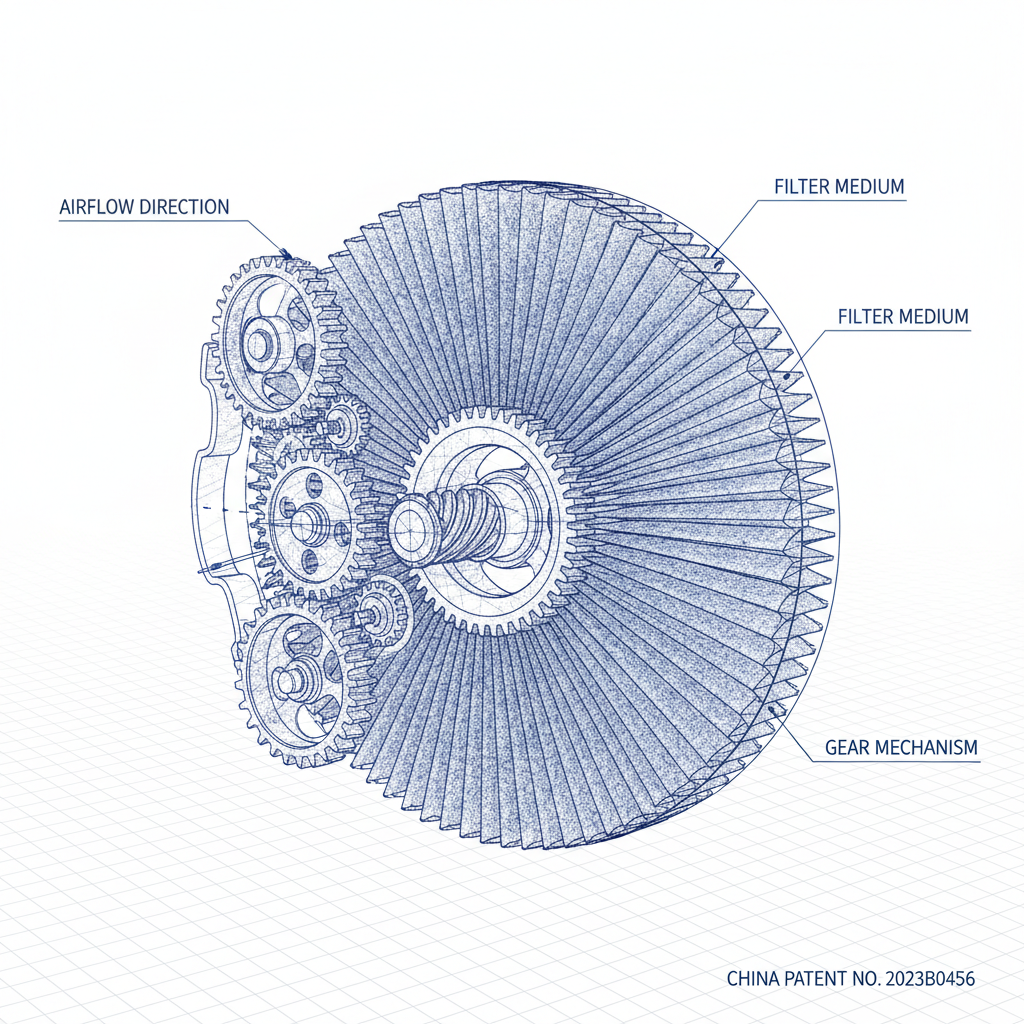
Industrial filter paper manufacturers aren’t just about making filters; it’s about keeping the gears of modern industry turning smoothly. From the water we drink to the air we breathe in factories, these specialized papers play a critical, often unseen, role. We’re talking about a multi-billion dollar market impacting everything from pharmaceuticals and food processing to automotive and power generation. Understanding the nuances of these manufacturers – their capabilities, material science, and quality control – is increasingly vital for businesses aiming for efficiency, compliance, and a competitive edge.
The demand for high-performance filtration is only growing. Regulations are tightening, industrial processes are becoming more complex, and the need for clean and sustainable operations is paramount. This puts immense pressure on industrial filter paper manufacturers to innovate constantly – developing materials that can handle higher temperatures, resist harsh chemicals, and deliver consistently reliable performance. It’s not simply about cost anymore; it's about total cost of ownership, including downtime, maintenance, and environmental impact.
And it’s a global game. We’re seeing a shift in manufacturing, with a growing reliance on supply chains that span continents. This makes sourcing reliable, high-quality filter paper even more challenging. Companies need partners they can trust to deliver consistent products, on time, and at a competitive price. industrial filter paper manufacturers are key to this trust.
The Global Importance of Industrial Filter Paper Manufacturers
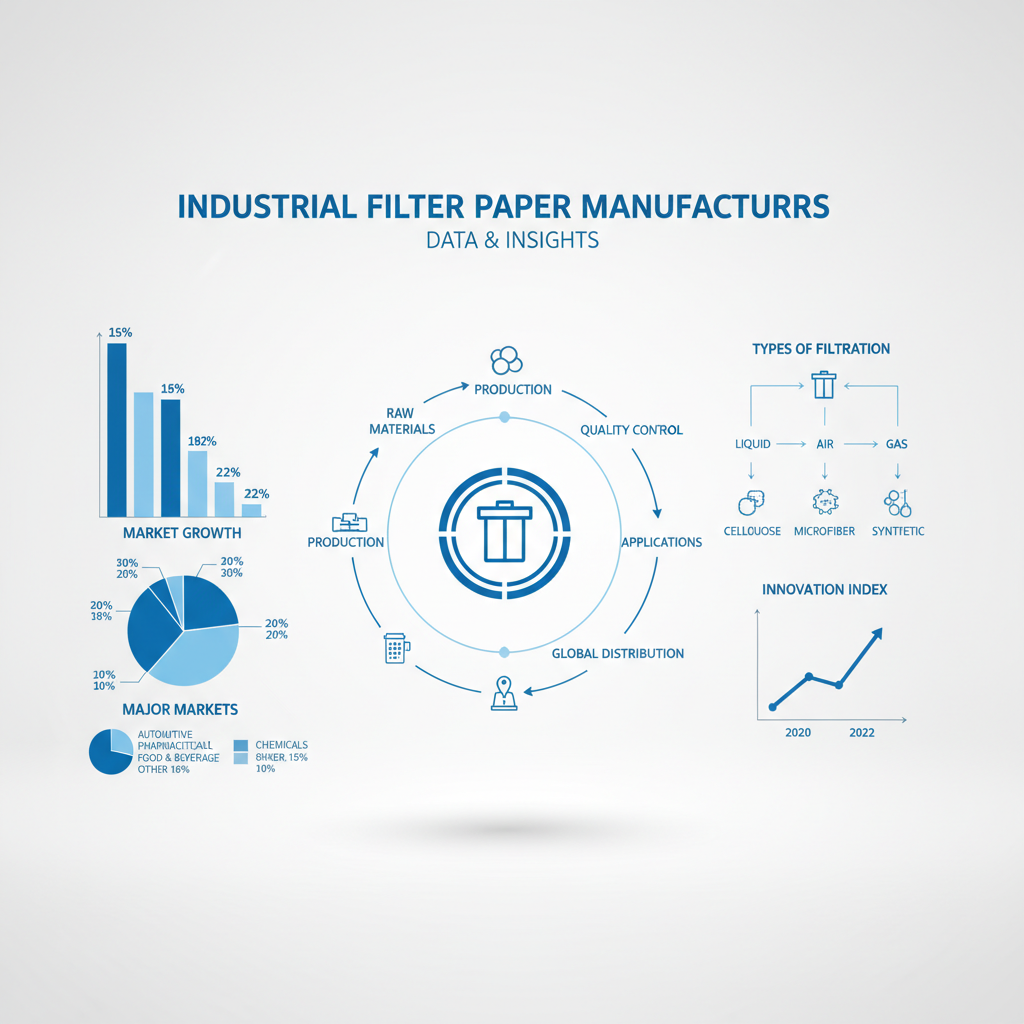
The global industrial filter paper market is estimated to be worth over $15 billion and is projected to grow significantly in the coming years. This growth is driven by increasing industrialization, stricter environmental regulations, and the expanding use of filtration technologies across various sectors. According to the UN Industrial Development Organization (UNIDO), manufacturing output is expected to continue rising in developing countries, creating further demand for filtration solutions.
One of the biggest challenges is ensuring a consistent supply of high-quality filter paper, especially in regions with volatile political or economic conditions. Disruptions in the supply chain can have a cascading effect on industrial production, leading to delays, increased costs, and even safety hazards. Reliable industrial filter paper manufacturers are therefore essential for maintaining operational continuity.
Defining Industrial Filter Paper Manufacturing
Industrial filter paper manufacturing isn’t simply about pulp and machines. It’s a complex process involving material science, chemical engineering, and precision manufacturing. These manufacturers create a diverse range of filtration media, from simple cellulose-based papers to sophisticated synthetic fiber composites. The specific materials and processes used depend on the intended application – whether it’s removing particulate matter from liquids, separating oil and water, or controlling emissions into the atmosphere.
The connection to modern industry is profound. Think about power plants needing to maintain water quality, food and beverage companies ensuring product purity, or pharmaceutical firms adhering to stringent sterility standards. Without effective filtration, these industries simply couldn’t function. And beyond industry, it’s vital for humanitarian needs too; clean water filtration, for example, is critical in disaster relief and developing countries.
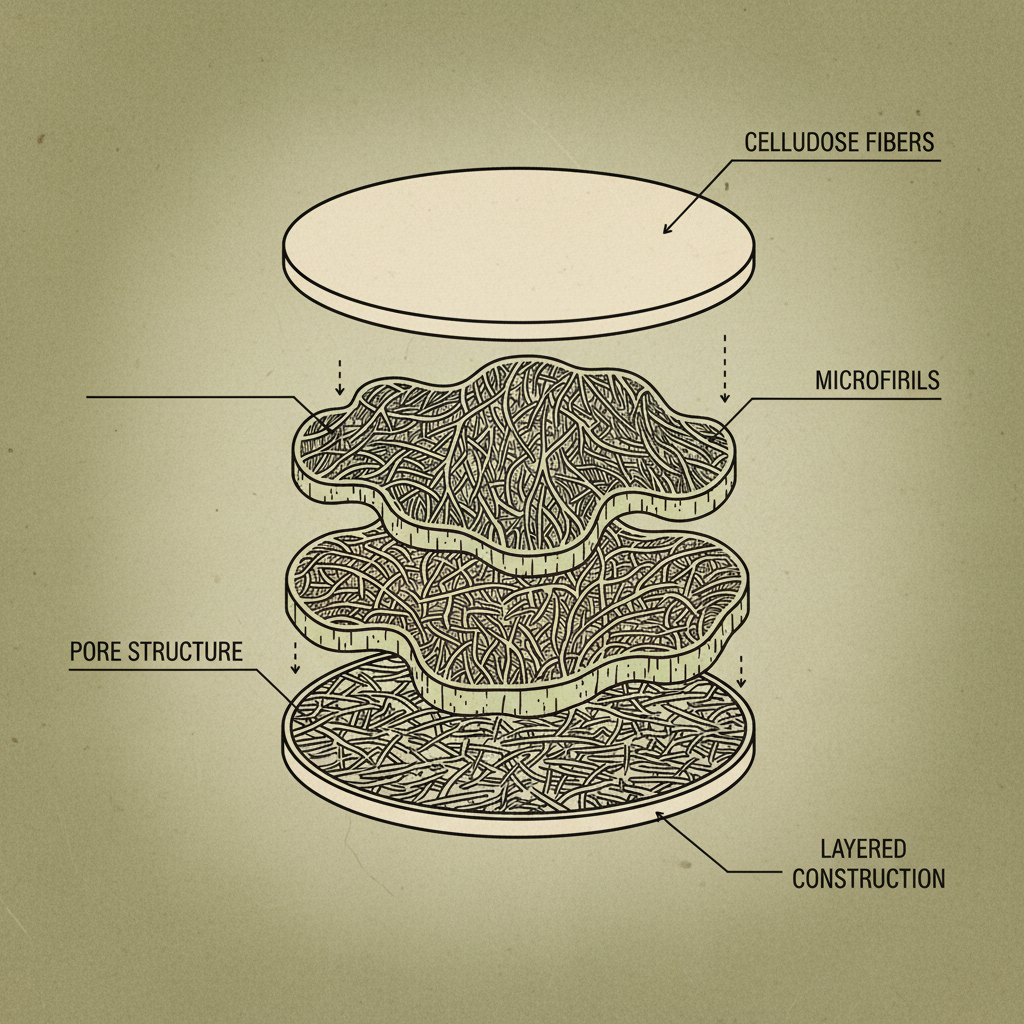
The process starts with selecting the right raw materials, often a blend of natural and synthetic fibers. These fibers are then processed into a slurry, formed into a sheet, and subjected to various treatments to enhance its filtration properties – things like resin impregnation, calendaring, and coating. Finally, the finished paper is cut to size and packaged for shipment. It’s a surprisingly intricate process, and quality control is paramount at every stage.
Key Factors in Selecting Manufacturers
When you're on a construction site, you need tools you can rely on. It’s the same with choosing a filter paper manufacturer. Durability is a huge factor. The filter media needs to withstand the pressures, temperatures, and chemical exposure of the application without tearing, degrading, or losing its efficiency. You don’t want filters failing mid-process, causing downtime and potential hazards.
Scalability is also critical. Can the manufacturer meet your current needs and scale up production as your business grows? You don’t want to be stuck with a supplier who can’t keep pace with your demands. Look for manufacturers with flexible production capabilities and a proven track record of handling large orders. A small shop might be fine for prototyping, but you need capacity for full-scale production.
Cost efficiency is obviously important, but it shouldn’t be the sole deciding factor. Focusing solely on the lowest price can lead to compromises in quality and performance. Consider the total cost of ownership, including filter life, replacement frequency, and potential downtime costs. Sometimes, paying a little more upfront for a higher-quality filter can save you money in the long run.
Global Applications and Industry Impact
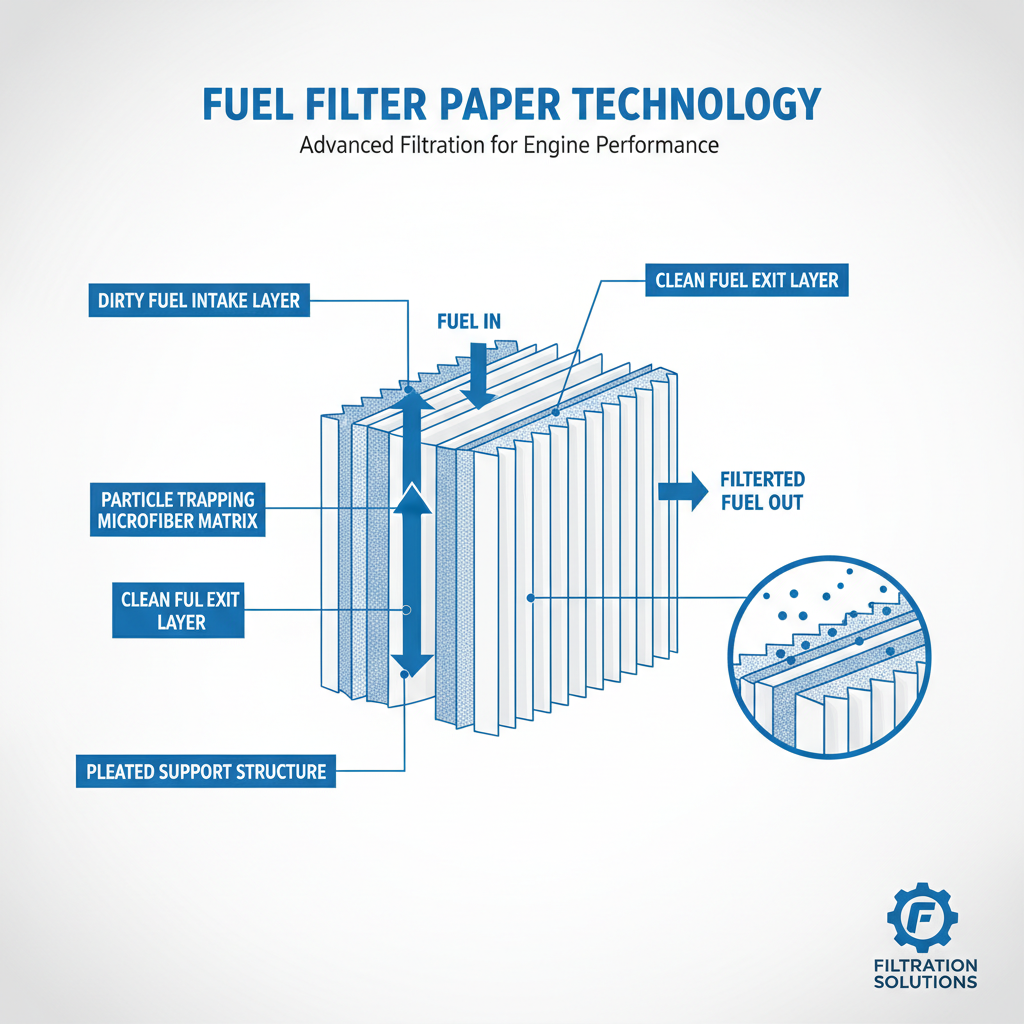
The applications of industrial filter paper are incredibly diverse. In the automotive industry, they’re used in air filters, oil filters, and fuel filters to protect engines and reduce emissions. In the chemical processing industry, they’re essential for purifying raw materials and preventing contamination. In the pharmaceutical industry, they’re used to sterilize water and air, ensuring the purity of medications.
We’re seeing a lot of demand coming from Asia-Pacific, particularly China and India, where rapid industrialization is driving the need for advanced filtration solutions. Europe and North America remain key markets, but the growth rates are generally slower. Companies operating in these regions need to be aware of local regulations and quality standards.
In post-disaster relief operations, portable water filtration systems utilizing specialized filter paper are literally life-saving. And in remote industrial zones, where access to clean water and air is limited, these filters provide a critical barrier against environmental hazards. The impact extends far beyond the factory floor.
Industrial Filter Paper Manufacturers - Performance Metrics
Advantages and Long-Term Value Proposition
Investing in high-quality industrial filter paper from reputable manufacturers delivers significant tangible benefits. Reduced downtime, lower maintenance costs, and improved product quality all contribute to a stronger bottom line. It's not just about the upfront price; it’s about long-term operational efficiency.
From a sustainability standpoint, effective filtration can minimize waste, reduce energy consumption, and prevent pollution. This not only benefits the environment but also enhances a company’s brand image and corporate social responsibility. And let's be clear - safety is paramount. Properly functioning filters protect workers from hazardous substances and prevent costly accidents.
Future Trends and Innovations in Filtration
We’re seeing a growing focus on sustainable filter materials, such as biodegradable and compostable options. Nanotechnology is also playing a bigger role, enabling the development of filters with enhanced selectivity and efficiency. Smart filters, equipped with sensors and data analytics capabilities, are gaining traction, allowing for real-time monitoring of filter performance and predictive maintenance.
The trend towards automation and Industry 4.0 is driving demand for filters that can integrate seamlessly with automated manufacturing processes. Digitalization is also enabling better supply chain management and traceability, ensuring the authenticity and quality of filter materials. industrial filter paper manufacturers are at the forefront of these innovations.
Challenges and Solutions for Manufacturers
One of the biggest challenges facing industrial filter paper manufacturers is the increasing complexity of filtration requirements. Customers are demanding filters that can handle more challenging conditions and deliver higher levels of performance. This requires significant investment in research and development.
Another challenge is maintaining consistent quality across large-scale production runs. This requires robust quality control procedures and a highly skilled workforce. Manufacturers are also grappling with rising raw material costs and supply chain disruptions. To address these challenges, many are adopting lean manufacturing principles and investing in advanced automation technologies.
Collaboration is key. Manufacturers need to work closely with their customers to understand their specific needs and develop customized filtration solutions. And they need to partner with suppliers to ensure a reliable and sustainable supply of raw materials.
Table Summarizing Key Challenges and Solutions for Industrial Filter Paper Manufacturers
| Challenge |
Impact on Operations |
Potential Solution |
Implementation Difficulty (1-10) |
| Increasing Complexity of Filtration Needs |
Requires R&D investment, potential for product failure |
Enhanced materials science, customized filter design |
7 |
| Maintaining Consistent Quality |
Product recalls, customer dissatisfaction |
Robust QC procedures, Statistical Process Control |
6 |
| Rising Raw Material Costs |
Reduced profit margins, potential for price increases |
Strategic sourcing, material substitution |
5 |
| Supply Chain Disruptions |
Production delays, inventory shortages |
Diversified supplier base, safety stock management |
8 |
| Environmental Regulations |
Increased compliance costs, potential for fines |
Sustainable materials, waste reduction programs |
4 |
| Skilled Labor Shortage |
Reduced production capacity, potential for errors |
Training programs, automation adoption |
9 |
FAQS
The most common materials include cellulose fibers (from wood pulp), synthetic fibers like polypropylene and polyester, and various additives like resins and coatings. The specific blend depends on the application's requirements. For high-temperature applications, you’ll see more synthetic materials. For aqueous filtration, cellulose is often preferred. The right mix impacts pore size, strength, and chemical resistance.
Choosing the right micron rating is crucial. It depends on the size of the particles you need to remove. Start by analyzing your process stream to identify the contaminants. Generally, you want a micron rating smaller than the smallest particle you’re trying to capture. However, going too small can lead to increased pressure drop and reduced flow rate, so it's a balancing act.
Look for manufacturers with ISO 9001 certification, which demonstrates a commitment to quality management. Depending on your industry, you may also want to look for certifications specific to your sector, such as NSF International for food and beverage applications or FDA compliance for pharmaceutical applications. Valid certifications are a strong indicator of reliability.
Wet strength is critical, especially in applications involving liquids. It refers to the filter’s ability to maintain its structural integrity when exposed to moisture. Low wet strength can lead to tearing, fiber shedding, and reduced filtration efficiency. Manufacturers often add wet-strength resins to enhance this property, particularly for applications with prolonged liquid exposure.
Lead times for custom orders vary depending on the complexity of the specifications, the volume required, and the manufacturer’s current workload. Generally, you can expect a lead time of 2-6 weeks for custom filter paper. It’s always best to discuss your requirements with the manufacturer well in advance to ensure timely delivery.
Proper storage is vital to maintain filter paper quality. It should be stored in a cool, dry, and dark place, away from direct sunlight, moisture, and contaminants. The original packaging should be kept intact until the filter paper is ready for use. Improper storage can lead to degradation, loss of efficiency, and even mold growth.
Conclusion
Industrial filter paper manufacturers are a cornerstone of modern industry, providing critical filtration solutions across a vast range of applications. From ensuring the purity of our water and air to enabling efficient manufacturing processes, their contribution is often unseen but profoundly important. The industry is evolving rapidly, driven by sustainability concerns, technological advancements, and increasingly stringent regulations.
Looking ahead, collaboration between manufacturers, researchers, and end-users will be essential to address the challenges and unlock the full potential of filtration technologies. Investing in innovation, embracing sustainable practices, and prioritizing quality are key to ensuring a reliable and efficient supply of filter paper for years to come. Visit our website at www.anyafiltermedia.com to learn more about how we can meet your filtration needs.