A Deep Dive into Oil Filter Paper Material
Having spent over a decade in the industrial equipment sector, I've come to appreciate the subtle yet crucial role that oil filter paper plays in keeping machinery humming smoothly. It’s one of those behind-the-scenes heroes — kind of easy to overlook until something goes wrong. Frankly, choosing the right oil filter paper material can save you costly downtime or, conversely, cause headaches if you get it wrong.
Let’s start with the basics. If you’re involved in filtration, you know oil filter paper isn’t just “paper.” It’s a sophisticated material engineered for specific performance factors: it's about particle retention, flow rate, and durability under varying temperatures. Over the years, I noticed that many engineers get caught up in shiny brand names, forgetting to zero in on these crucial specs.
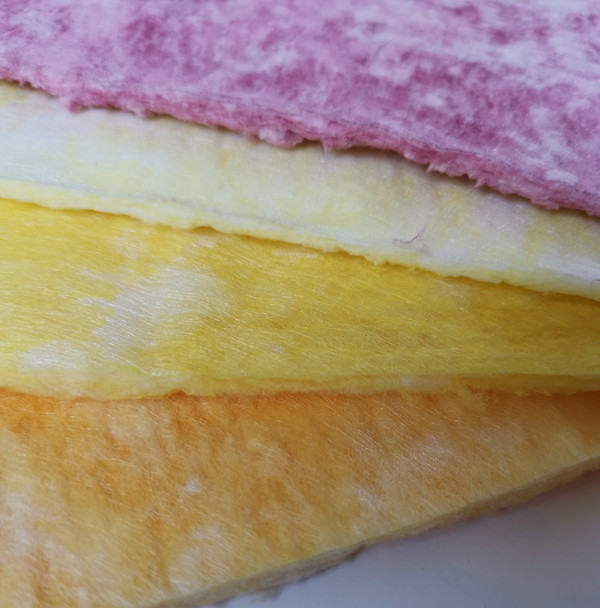
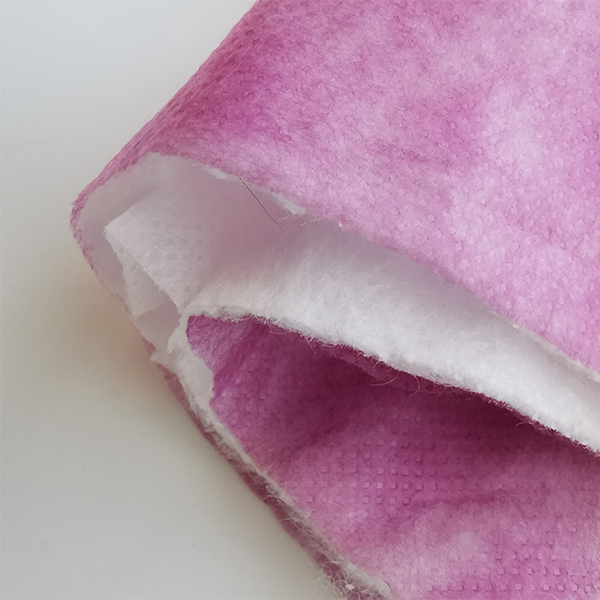
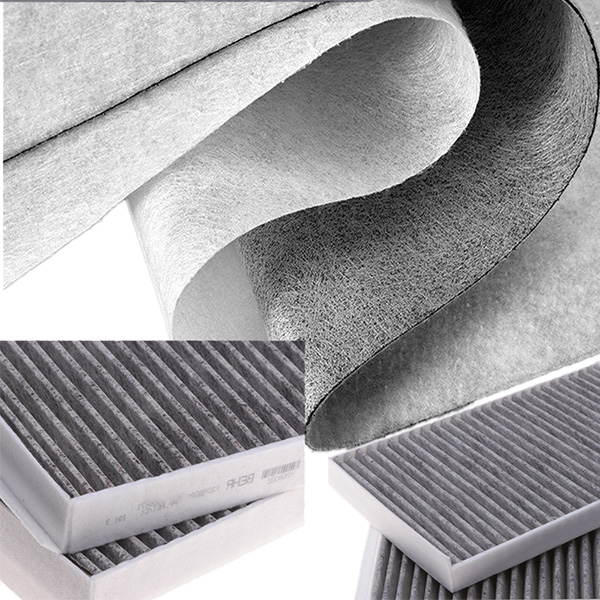
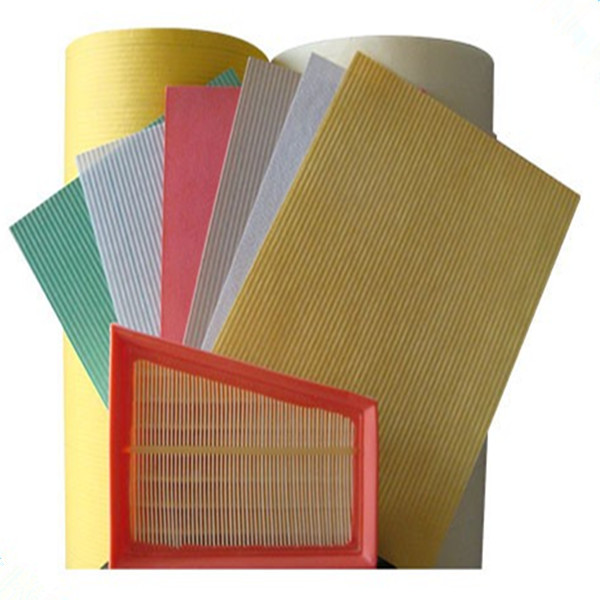
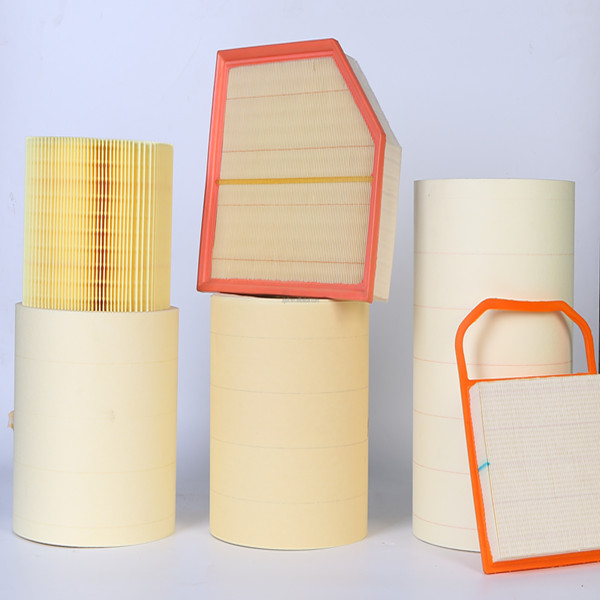
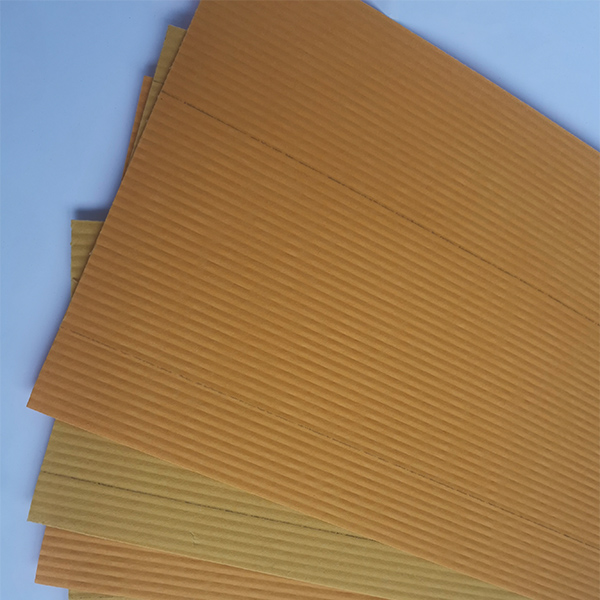
Now, oil filter paper is typically made from cellulose fibers or synthetic blends — or a hybrid of both. Cellulose is great for cost-effectiveness and biodegradability, but when you need high mechanical strength and longer service life, synthetic fibers (like fiberglass) take the lead. In fact, many modern applications combine them to get the best of both worlds. Oddly enough, this blend often yields better filtration without sacrificing flow.
One memorable plant visit a few years back gave me some real insight. A customer was battling frequent oil contamination in their heavy machinery. Their old filter paper was cellulose-based, and quickly clogged under harsh conditions. Switching to a customized synthetic blend improved oil cleanliness dramatically and extended filter life by almost 30%. It felt like a small change but made a big operational impact.
Key Specs to Consider
| Specification | Typical Range | Importance |
|---|---|---|
| Micron Rating | 1–25 μm | Determines particle retention |
| Thickness | 0.15–0.6 mm | Affects strength & flow resistance |
| Material Type | Cellulose / Synthetic / Blend | Performance & lifespan |
| Temperature Resistance | Up to 150°C or more | Ensures durability in operation |
| Oil Compatibility | Hydraulic, engine, gear oils | Prevents material breakdown |
From experience, the key is matching these specs to your actual process requirements. Many filter manufacturers allow for customization — for example, tuning micron ratings or treating the paper to resist certain oils better. It’s not often just “plug-and-play.”
Comparing Top Vendors in Filter Paper Materials
| Vendor | Material Options | Customization | Typical Applications | Lead Time |
|---|---|---|---|---|
| Anya Filter Media | Cellulose, Fiberglass, Hybrid | High – blends & micron tuning | Hydraulic, automotive, industrial | 2–4 weeks |
| GlobalFil Tech | Synthetic, Cellulose | Moderate | Engine oils, gearboxes | 3–5 weeks |
| PureFlow Materials | Synthetic blends only | Limited | High-temp gear oils | 4–6 weeks |
In real terms, the choice of vendor often boils down to your flexibility with specifications, your budget, and timing. I always recommend checking small sample batches first—since actual performance can vary based on subtle production tweaks. You never quite know until the paper meets the oil in your system.
So, what’s the takeaway? Next time you review your filtration media, don’t skim past the oil filter paper material. It’s the vital first step in your oil’s cleanliness chain and often a key to longer equipment life. Plus, with advances in microfibers and treatment technologies, the options have never been better.
And if you want a recommendation from someone who’s seen the field battle scars: prioritize quality and customization over lowest cost. It really pays off.
My reflections are, of course, based on years working alongside various filtration suppliers and site engineers. Technology keeps evolving, but the fundamentals of oil filter paper choice remain constant. Proper testing and tuning are your best allies.
- ISO standards for filter media particle retention
- Case studies from hydraulic equipment maintenance reports
- Material science journals on cellulose vs synthetic fibers
Post time: Dec-03-2025