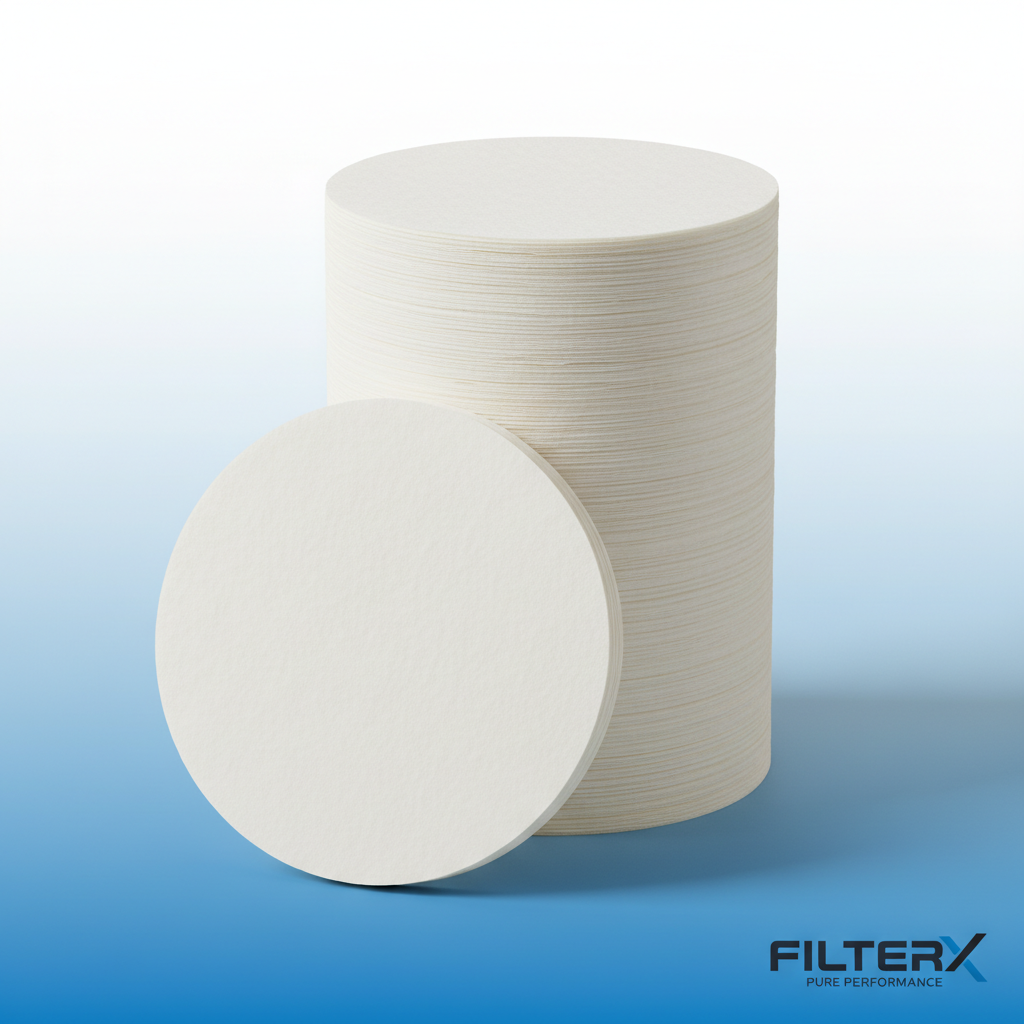
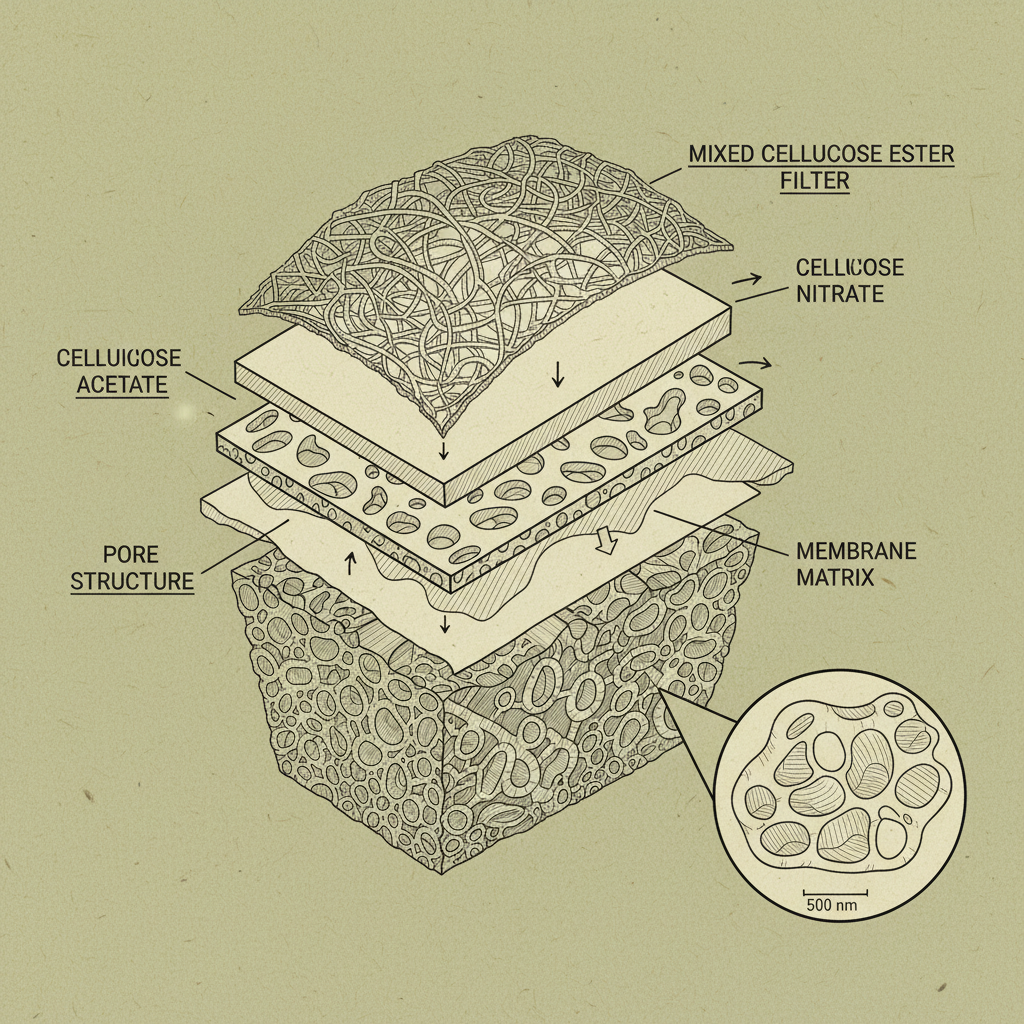
In the demanding landscape of industrial filtration, the integration of fire retardant paper has become a critical safety standard for protecting high-value machinery and personnel. As industrial environments face increasing risks from thermal fluctuations and combustible particulates, the need for specialized media that resists ignition while maintaining high filtration efficiency is paramount. Understanding the synergy between flame retardancy and air permeability is the first step in optimizing facility safety.
Globally, the shift toward stricter fire safety regulations—such as those outlined by ISO and UL standards—has pushed manufacturers to move beyond standard cellulose media. The implementation of fire retardant paper not only minimizes the risk of catastrophic fire spread within HVAC and dust collection systems but also ensures compliance with international building and safety codes. This evolution reflects a broader industry trend toward "preventative engineering," where material science is used to mitigate risk before a failure occurs.
By adopting advanced flame-inhibiting treatments, companies can significantly reduce insurance premiums and downtime associated with fire-related accidents. Whether used in cabin air filters for heavy-duty vehicles or large-scale industrial air cleaners, this specialized material provides a dual benefit: superior particulate capture and a critical layer of thermal protection. This guide explores the technical nuances, applications, and future trajectories of flame-resistant filtration media.
Global Relevance of Fire Retardant Paper
The global demand for fire retardant paper is driven by the rapid expansion of industrialization in emerging economies and the stringent safety mandates in developed nations. In sectors such as chemical processing and pharmaceutical manufacturing, the air filtration system often acts as a potential conduit for fire if the filter media is combustible. By utilizing flame-retardant materials, industries can prevent the "wicking effect" where small sparks ignite the filter bed, leading to system-wide failures.
Statistical trends from international safety organizations suggest that a significant percentage of industrial fires originate in ventilation and filtration units. The adoption of treated cellulose and composite fibers has proven to reduce the rate of flame spread by up to 80% in controlled testing environments. This makes the material indispensable for organizations operating in high-risk zones, where a single spark could lead to millions of dollars in equipment loss or, more importantly, loss of life.
Defining Fire Retardant Paper in Modern Industry
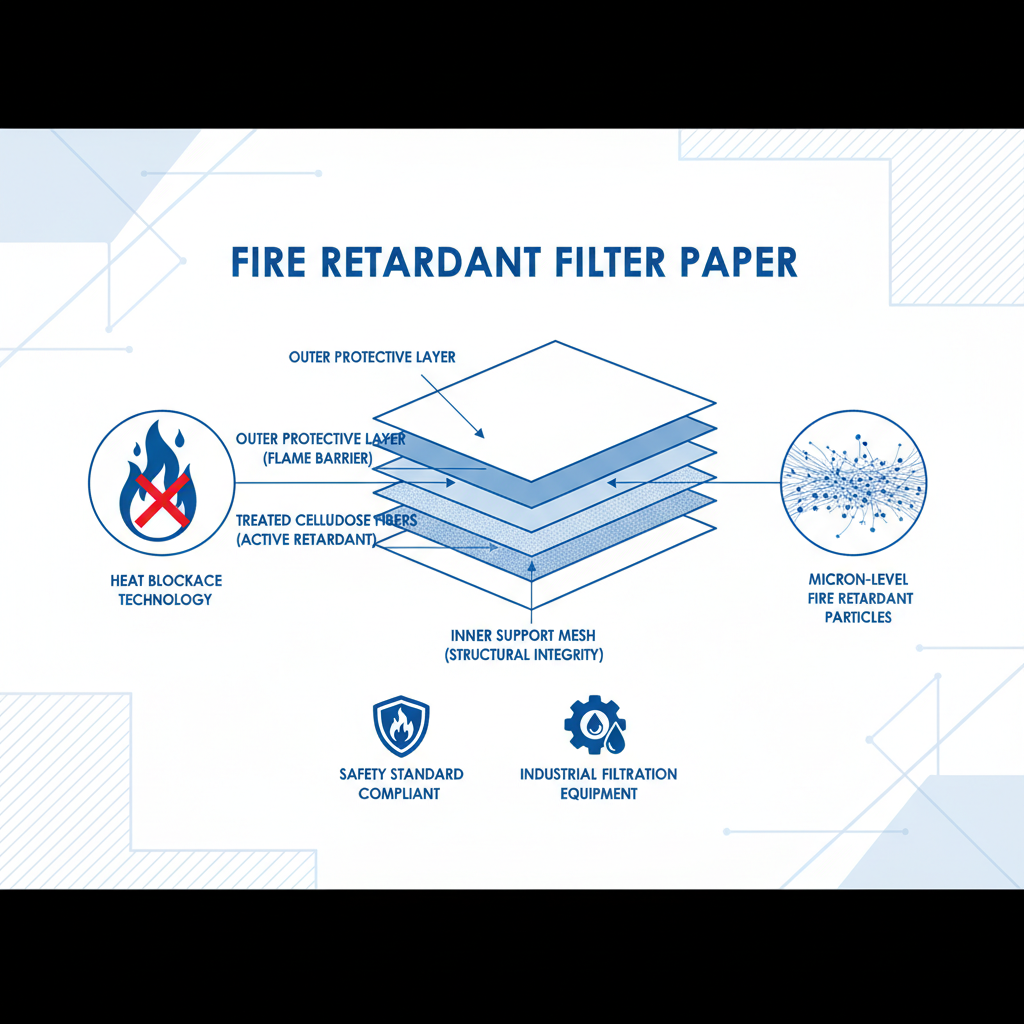
At its core, fire retardant paper is a specialized cellulosic or synthetic substrate that has been chemically treated or inherently engineered to resist combustion. Unlike standard filter paper, which can act as fuel when exposed to high temperatures, this material is designed to either self-extinguish or significantly slow the progression of a flame. This is achieved through the integration of flame retardants—chemicals that interfere with the combustion process at a molecular level.
In the context of modern environmental protection equipment, this paper is often blended with other materials like fiberglass or synthetic polymers to create composite media. This allows the filter to maintain a high "dust-holding capacity" while ensuring that the structural integrity of the filter is not compromised by heat. It serves as a critical barrier in the "defense-in-depth" safety strategy used by engineers to secure air intake and exhaust systems.
Beyond just preventing fire, these materials are often engineered to resist the emission of toxic fumes during a thermal event. In humanitarian and public service applications, such as hospital ventilation or public transit air systems, the use of non-toxic, fire-resistant media ensures that air quality remains safe even during emergency evacuation scenarios, aligning the material's utility with broader social safety goals.
Core Components of Flame-Resistant Media
One of the primary factors determining the efficacy of fire retardant paper is its Thermal Stability. This refers to the material's ability to withstand elevated temperatures without degrading or losing its mechanical strength. High thermal stability ensures that the filter does not warp or tear under heat stress, which would otherwise allow unfiltered, potentially combustible air to bypass the filtration system entirely.
Another crucial element is the Chemical Treatment Integration. Most flame-resistant papers utilize a combination of phosphorus-based or nitrogen-based compounds that create a "char layer" when exposed to heat. This char layer acts as a physical barrier, insulating the inner fibers from oxygen and heat, thereby effectively quenching the flame. The precision of this treatment ensures that the fire retardant paper retains its porosity and airflow characteristics despite the chemical additives.
Finally, Structural Integrity and Durability play a vital role. In high-pressure industrial environments, the filter paper must resist bursting or leaking. The synergy between the fire-retardant chemicals and the base cellulose fibers is optimized to ensure that the paper does not become brittle over time. This balance allows the media to provide long-term reliability in dust collector filter media and other heavy-duty applications.
Performance Metrics of Specialized Filter Papers
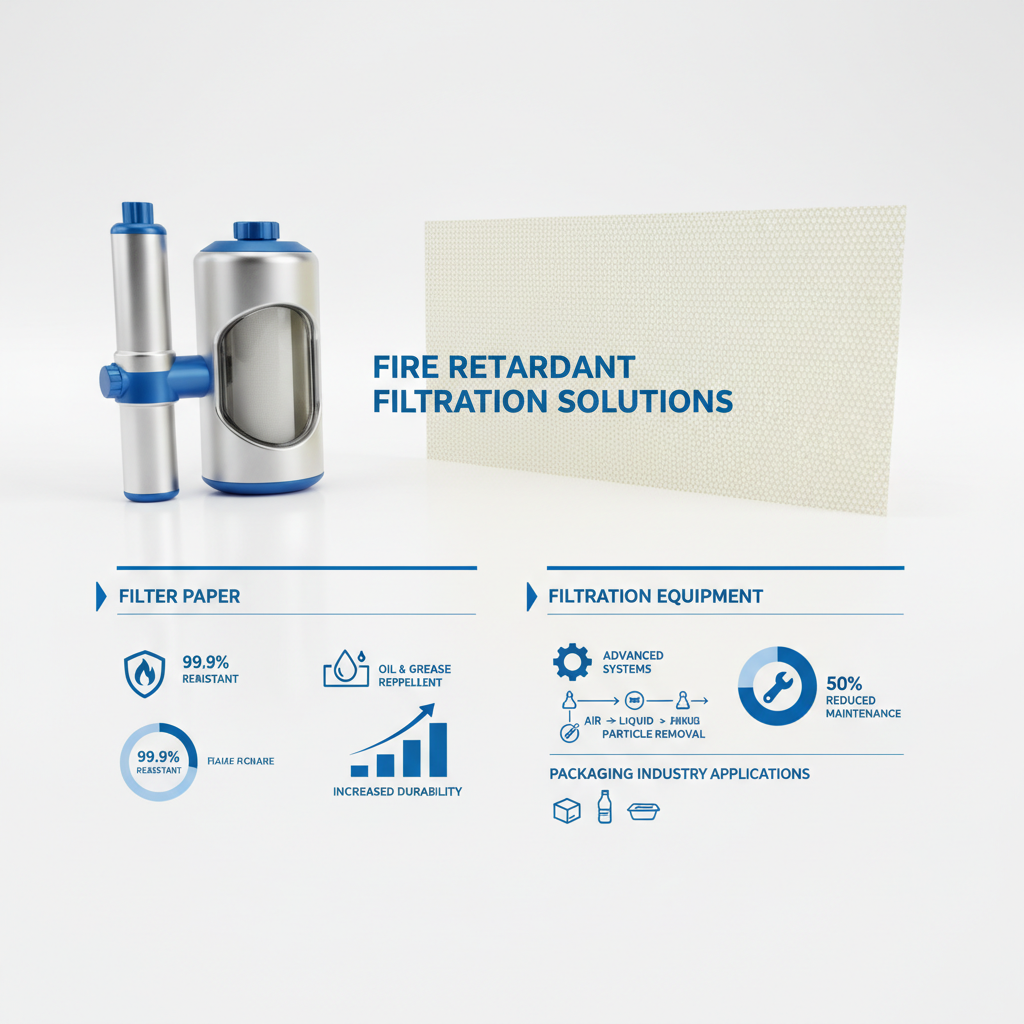
When evaluating the quality of fire retardant paper, engineers look at a combination of filtration efficiency and flame propagation rates. The goal is to find a "sweet spot" where the material provides maximum protection without creating an excessive pressure drop, which would increase energy costs for the ventilation fans.
To better understand how different formulations perform, we compare various treatment methods. Some rely on surface coatings, while others utilize impregnated fibers. The following data represents a comparative rating of these methods across key performance indicators.
Comparative Performance of Fire Retardant Paper Formulations
Global Applications and Industrial Use Cases
The versatility of fire retardant paper allows it to be deployed across a vast array of sectors. In the automotive industry, specifically for heavy-duty trucks and buses, cabin air filter media must be flame-resistant to prevent engine-compartment fires from entering the passenger cabin. Similarly, in the aerospace sector, where weight and safety are critical, lightweight fire-resistant composite media are used to filter air for sensitive electronic components.
In larger industrial contexts, such as woodworking shops or metal grinding facilities, the dust collectors are prime targets for explosions. Using fire retardant paper in these dust collector filter media ensures that if a spark enters the system, the filter does not contribute to the fuel load. This application is particularly vital in regions with strict environmental and safety audits, such as the European Union and North America.
Long-Term Value and Safety Advantages
Investing in high-quality fire retardant paper offers tangible long-term value that extends beyond simple fire prevention. From a logical perspective, the reduction in risk leads to lower operational costs and decreased insurance premiums. The reliability of these materials means fewer emergency replacements and a more predictable maintenance schedule, as the media is engineered to withstand harsh environmental stresses without degrading.
From an emotional and social angle, the use of these materials fosters a culture of trust and safety within the workplace. Employees feel more secure knowing that the infrastructure they work around is designed with the highest safety standards. This commitment to innovation—moving from "good enough" materials to "fail-safe" materials—demonstrates a company's dedication to the dignity and protection of its human capital.
Furthermore, the sustainability aspect cannot be overlooked. By preventing fires, companies avoid the massive environmental pollution caused by industrial blazes and the subsequent waste generated by destroyed machinery. High-efficiency, flame-resistant media often have longer lifespans than cheap alternatives, reducing the volume of filter waste sent to landfills over the course of a decade.
Future Innovations in Fire Retardant Technology
The future of fire retardant paper is leaning heavily toward "green chemistry." Historically, some flame retardants relied on halogenated compounds, which posed environmental concerns. The next generation of materials is shifting toward bio-based flame retardants derived from minerals or plant-based polymers, ensuring that the paper is not only fire-safe but also fully biodegradable or recyclable.
Digital transformation is also playing a role through the integration of "smart fibers." We are seeing the development of filter media that can sense a temperature spike and alert facility managers via IoT (Internet of Things) sensors before a fire even begins. This fusion of material science and digital monitoring transforms the filter from a passive barrier into an active safety component.
Additionally, the rise of nanotechnology is allowing for the creation of ultra-thin, high-efficiency membranes that are inherently fire-resistant. These nano-coatings provide superior particulate capture (down to the sub-micron level) while maintaining an incredibly high resistance to heat. This will likely lead to the miniaturization of high-safety filtration systems in medical and laboratory settings.
Comparative Analysis of Fire Retardant Paper Technologies
| Technology Type |
Flame Resistance Level |
Environmental Impact |
Cost-Efficiency |
| Halogen-Treated Paper |
High (9/10) |
Poor (High Toxicity) |
High (Low Cost) |
| Phosphorus-Based Media |
Medium-High (8/10) |
Moderate |
Medium |
| Glass Microfiber Hybrid |
Very High (10/10) |
Good (Inert) |
Low (Premium Price) |
| Bio-Polymer Flame Retardant |
Medium (7/10) |
Excellent (Eco-friendly) |
Medium |
| Nano-Ceramic Coated |
Extreme (10/10) |
Good |
Very Low (R&D Stage) |
| Synthetic Poly-Laminate |
High (8/10) |
Moderate |
Medium-High |
FAQS
The primary difference lies in the chemical composition. While standard filter paper is highly combustible cellulose, fire retardant paper is treated with flame-inhibiting agents (like phosphorus or nitrogen compounds) or blended with non-combustible fibers (like fiberglass). This allows the material to resist ignition and self-extinguish once the heat source is removed, whereas standard paper would fuel the fire.
No, when engineered correctly, the fire-retardant treatments do not compromise the pore size or the air permeability of the media. In many cases, composite fire retardant papers (such as those combining cellulose and synthetic fibers) actually offer higher efficiency and better structural stability than untreated paper, allowing for better particulate capture without increasing pressure drop.
It is highly recommended for any environment where combustible dust, chemical vapors, or high-temperature airflows are present. This includes woodworking, metalworking, chemical processing, and automotive HVAC systems. However, for extreme heat (e.g., furnace exhaust), specialized ceramic fibers may be required beyond the capabilities of treated paper.
You should look for certifications such as UL 94 (for flammability of plastic materials) or ISO standards related to fire protection. Reputable suppliers of fire retardant paper will provide technical data sheets (TDS) that detail the "Flame Spread Index" and "Smoke Developed Index," confirming the material's compliance with global safety regulations.
It depends on the treatment. Traditional halogenated retardants are difficult to recycle, but modern, bio-based and phosphorus-based fire retardant papers are increasingly compatible with industrial recycling processes. Always check with the manufacturer regarding the specific chemistry used in the paper to determine the correct disposal or recycling path.
The replacement cycle is generally determined by the dust-loading capacity and pressure drop rather than the fire-retardant property itself. However, because fire retardant paper is often more durable and resistant to thermal degradation, it may actually have a longer service life in high-heat environments, though regular inspection is always necessary to ensure safety.
Conclusion
The implementation of fire retardant paper represents a critical intersection of material science and industrial safety. By transforming a potentially combustible component into a protective barrier, industries can significantly mitigate the risk of fire-related disasters, ensure regulatory compliance, and protect both human life and expensive capital assets. From the chemical precision of flame inhibitors to the structural strength of composite fibers, this material is an essential pillar of modern environmental and safety engineering.
Looking forward, the shift toward eco-friendly flame retardants and the integration of smart-sensor technology will further redefine the role of filtration media. We encourage facility managers and engineers to audit their current filtration systems and upgrade to flame-resistant solutions to future-proof their operations against unforeseen thermal events. For high-performance, certified fire retardant media, visit our website: www.anyafiltermedia.com.