Understanding Glass Microfiber Filter Paper: Why It Matters Globally
At first glance, glass microfiber filter paper might seem like just another technical product tucked away in filtration systems worldwide. But in reality, it's a silent workhorse deeply embedded in industries that touch millions of lives — water treatment plants, pharmaceutical labs, food and beverage processing, and even in environmental monitoring. Its ability to trap ultrafine particles while withstanding high temperatures and corrosive environments makes it indispensable.
On a global scale, this key filtration medium addresses a growing problem: rising pollution and the quest for sustainable, effective filtration solutions. According to the World Bank, global water pollution threatens both health and economic stability in nearly every country, pushing demand for advanced filtration materials. Glass microfiber filter paper helps meet this challenge by enabling precise filtration, safeguarding health, and preserving ecosystems.
Mini takeaway: Glass microfiber filter paper is more than just "filter media" — it’s a critical tool in our global effort to protect resources and public health.
Global Relevance and the Challenges This Filter Paper Addresses
In a world where over 2 billion people lack access to safely managed drinking water (UNICEF, WHO), technologies that improve filtration on all levels are essential. Glass microfiber filter paper, with its ultra-fine fiber matrix and durability, fills gaps where conventional filter papers fall short. Industrial effluents, airborne pollutants, and even fine particulates in pharmaceutical manufacturing require the unique properties offered by these papers.
The challenge? Many regions face both economic and environmental pressures to filter contaminants more efficiently without driving costs or waste up — a balance that glass microfiber filter paper helps strike. Plus, with industries shifting toward greener practices, materials that are recyclable, stable under extreme conditions, and provide reliable filtration are highly sought after.
What Exactly Is Glass Microfiber Filter Paper?
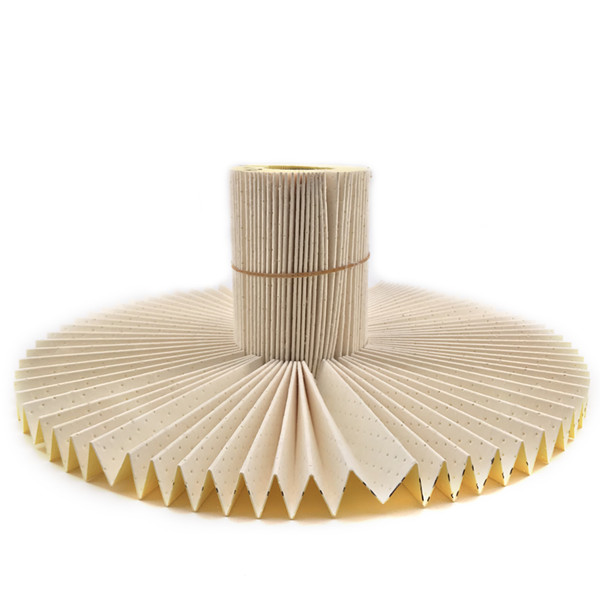
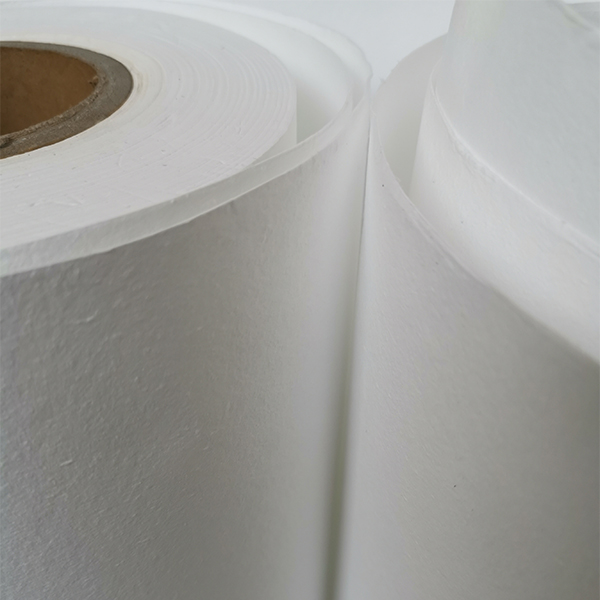
So, what is glass microfiber filter paper in simple terms? Imagine an ultra-fine web made from spun glass fibers — much thinner and more uniform than traditional cellulose filters. This web serves as a tight yet porous membrane that traps particles ranging from a few microns down to nanometer scales.
Unlike regular paper filters, these are made from borosilicate glass fibers, giving them better chemical, thermal, and mechanical resistance. They’re widely used where precision is key, such as capturing microplastics in ocean samples or filtering aerosols in cleanrooms.
Its roots go back decades, but continued innovation has made glass microfiber filter papers integral across sectors, from analytical labs to humanitarian water purification needs.
Key Aspects of Glass Microfiber Filter Paper
1. Durability
One of the standout features is sheer toughness. Unlike cellulose filters, glass microfiber doesn't weaken when wet, endure chemical exposure, or degrade easily under heat. This means less waste, stable filtration results, and confidence in demanding environments.
2. Particle Retention and Precision
With a finely controlled fiber diameter and pore size — often below 1 micron — these filters can capture ultrafine particulates that other papers simply let slip by. Ideal for environmental sampling or pharmaceutical filtration where purity is non-negotiable.
3. Flow Efficiency
Despite tight filtration, the open fiber structure allows high flow rates, reducing filtration time and energy costs. This makes them practical for both small lab filters and larger industrial filtration units.
4. Chemical Resistance
Borosilicate glass fibers can withstand acidic, alkaline, and organic solvents that destroy conventional filters. This versatility allows usage in aggressive chemical processing or contaminant analysis.
5. Scalability
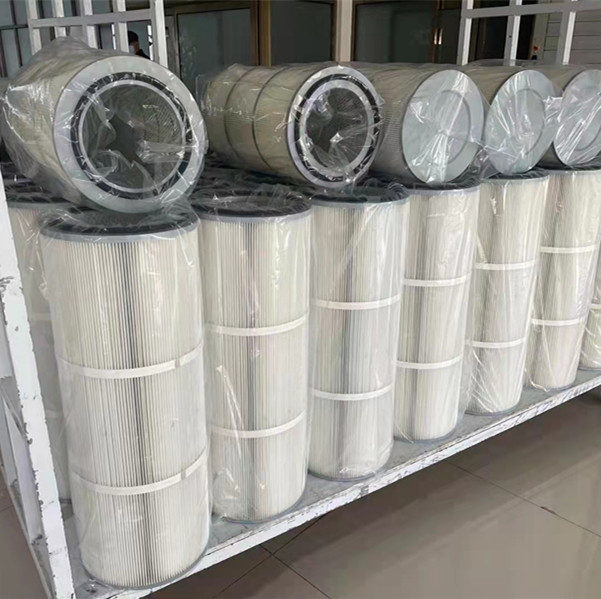
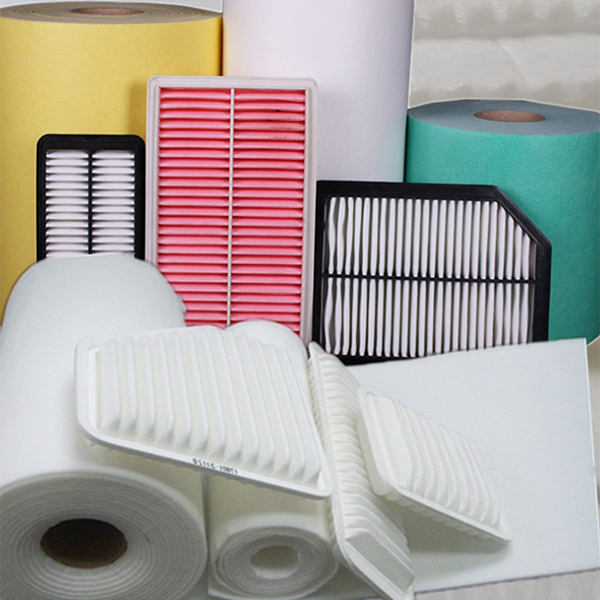
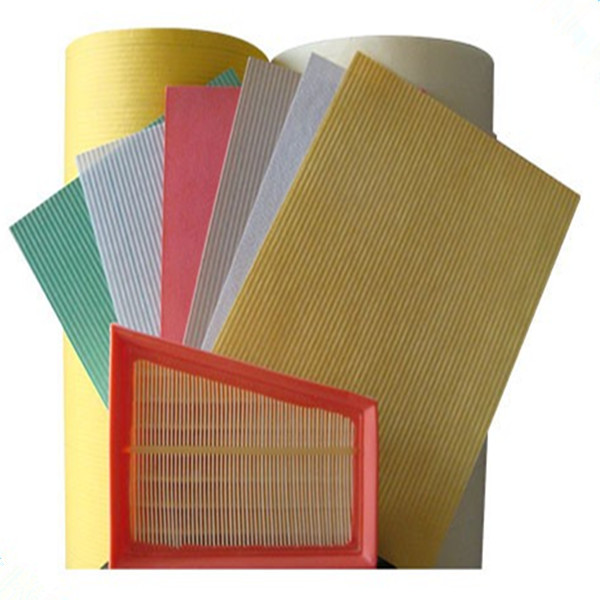
These papers come in various grades and sizes, from tiny lab discs to large sheets for machinery, making them adaptable to nearly any filtration need.
Mini takeaway: Durability, precision, and adaptability are the trifecta that make glass microfiber filter paper an industry favorite.
Applications Around the World: Who’s Using This Filter Paper and How?
In practical terms, glass microfiber filter paper finds use in an impressively wide range of industries:
- Water Treatment: Filtering suspended particles and microplastics to provide safe drinking water, especially in developing regions with polluted water sources.
- Pharmaceuticals: Ensuring purity in drug production with ultra-clean filtration critical to health outcomes.
- Environmental Monitoring: Trapping airborne particulates for smog and pollution analyses, often used by governmental agencies worldwide.
- Food and Beverage: Clarifying juices, wine, and beer to enhance taste and safety without chemical additives.
- Disaster Relief: Portable filtration units with glass microfiber filters help NGOs provide rapid clean water post-disaster — think post-flood water purification.
Take the example of Southeast Asia’s industrial zones, where this filter paper is central in reducing harmful emissions and ensuring water discharge meets stringent ISO standards.
Advantages & Long-Term Value
Why do so many engineers swear by glass microfiber filter papers? Because they deliver real, tangible benefits:
- Cost-Effectiveness: Their durability means fewer replacements and less downtime.
- Sustainability: Less waste, better lifecycle, and compatibility with recycling programs.
- Reliable Performance: Consistent filtration even in shifting environmental conditions.
- Safety and Trust: Often chosen in healthcare and food processing because of validated purity.
Oddly enough, the emotional payoff isn’t lost — many companies appreciate how this trusted material improves their brand credibility. Knowing your products or services include cutting-edge filtration feels good.
Product Specifications at a Glance
| Specification | Typical Values |
|---|---|
| Fiber Diameter | 0.6–1.2 µm |
| Thickness | 200–400 µm |
| Pore Size | 0.45–10 µm (varies by grade) |
| Temperature Resistance | Up to 500 °C |
| Chemical Compatibility | Acids, bases, solvents |
Comparing Top Suppliers: What to Look For
| Vendor | Product Range | Customization | Global Availability | Typical Lead Time |
|---|---|---|---|---|
| AnyaFilter Media | Wide — lab to industrial | High | Worldwide | 2–4 weeks |
| Global Filters Inc. | Medium — mainly industrial | Medium | North America, Europe | 3–5 weeks |
| EcoFiltration Ltd. | Small — focus on sustainability | Limited | Europe, Asia | 4–6 weeks |
Future Trends & Innovations in Glass Microfiber Filter Paper
If you ask me, the future looks quite exciting for this material. Researchers are infusing coatings to make filters antimicrobial, coupling fibers with nanomaterials for enhanced capture of viruses or pollutants, and optimizing production sustainability.
With the green energy wave, demand for precise filtration in batteries and fuel cells means glass microfiber will play new roles. Automation in filtration systems, paired with digital sensors, could enable real-time monitoring — sort of making filters “smart.”
Addressing the Challenges
Of course, no product is perfect. One sticking point is the relatively higher initial cost compared to traditional filters. Also, disposal needs care — glass fibers aren’t biodegradable, so recycling programs must evolve.
Experts suggest manufacturers improve fiber recycling and that users calibrate filter choice to application — sometimes hybrid filters combining glass microfiber with cellulose work best. Ongoing research into “greener glass” promises improvements.
Frequently Asked Questions About Glass Microfiber Filter Paper
- Q: How does glass microfiber filter paper compare to cellulose paper?
A: Glass microfiber paper offers superior chemical and thermal resistance, higher purity, and finer particle retention. Cellulose is cheaper but less durable and precise. - Q: Can these filters be reused?
A: Generally no, due to clogging and contamination risks. In some controlled settings, gentle cleaning is possible, but it’s not standard. - Q: What industries rely most on glass microfiber filters?
A: Pharmaceuticals, environmental labs, water treatment, food and beverage, and electronics manufacturing primarily depend on these filters. - Q: Are these filters eco-friendly?
A: They are inert and recyclable in some programs, but because they’re made from glass fibers, they require specialized disposal rather than biodegradation. - Q: Where can I purchase these filters with customization?
A: Vendors like AnyaFilter Media offer a wide range of customizable glass microfiber filters suitable for different industries and specifications.
Conclusion: Why Glass Microfiber Filter Paper Stands the Test of Time
Ultimately, glass microfiber filter paper remains a foundational element of modern filtration — its unmatched durability, precision, and adaptability make it indispensable. As global challenges push industries to innovate smarter, more sustainable filtration methods, materials like this provide a bridge between performance and responsibility.
Thinking about upgrading your filtration solutions or curious about customization? Visit AnyaFilter Media to explore how glass microfiber filter paper might fit your needs.
In a way, it's a reminder that even the tiniest fibers can have a huge impact on health, environment, and industry alike.
References
Post time: Nov-29-2025