Understanding Composite Fiberglass Filter Paper: A Quiet Hero in Filtration Technology
At first glance, composite fiberglass filter paper might not sound like the most thrilling topic, but dive a little deeper and it’s clear this material plays a pivotal role in everything from clean air systems to water purification worldwide. It’s a fascinating blend of materials science and practical engineering that quietly helps industries, humanitarian aid, and environmental projects meet huge challenges. Why does it matter globally? Simply put, clean air and water are universal needs, and effective filtration is the key to delivering them — whether it’s in an industrial plant or a disaster relief camp. So, understanding composite fiberglass filter paper is more relevant than ever in our fast-changing world.
Global Context: Why Composite Fiberglass Filter Paper Is a Game-Changer
The world produces millions of tons of particulate matter every year, much of it harmful. According to the World Health Organization, air pollution caused roughly 7 million premature deaths annually — that’s staggering. Industries, power plants, and transportation are major contributors. On top of that, clean water remains scarce for 2 billion people globally (UNICEF, 2023). Now, filtration technologies like composite fiberglass filter paper step in as crucial tools to protect human and environmental health in all these areas.
Composite fiberglass filter paper addresses some core problems in filtration: durability under harsh conditions, fine particle capture, resistance to chemicals, and adaptability to various industrial setups. This combination makes it an indispensable part of pollution control efforts, manufacturing quality control, and humanitarian aid infrastructure.
What Exactly Is Composite Fiberglass Filter Paper?
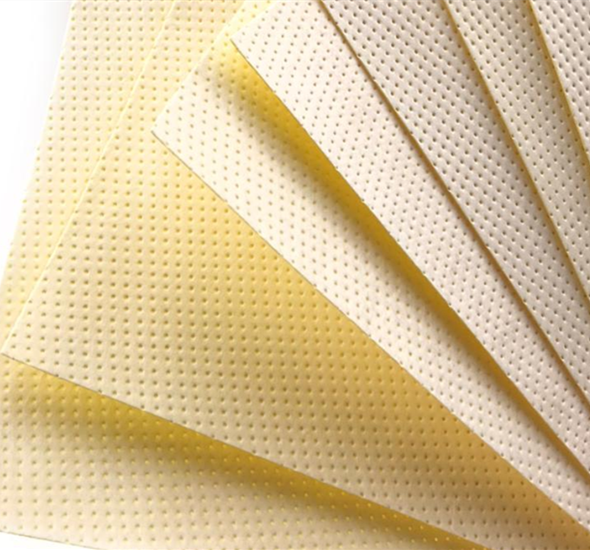
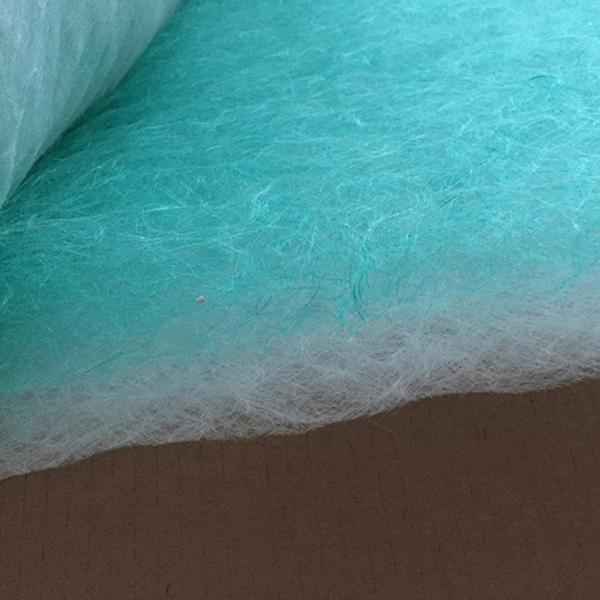
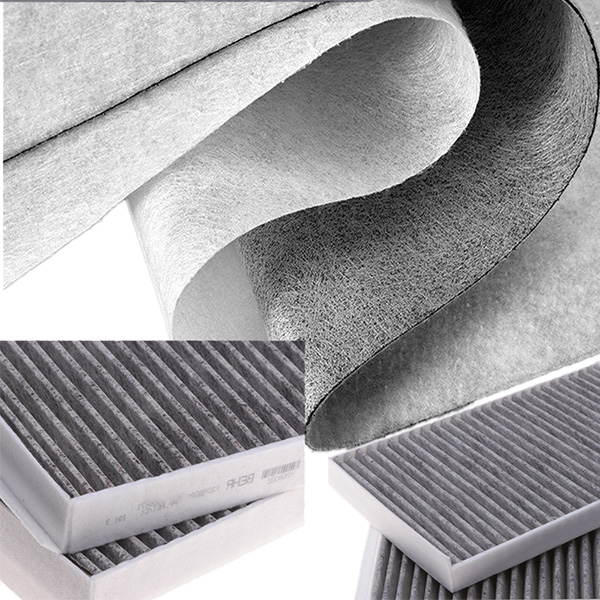
A bit technical but bear with me: composite fiberglass filter paper is a layered material primarily made from extremely fine glass fibers bonded into a sheet. The “composite” part means it’s combined with other fibers or resins to enhance properties like strength, heat resistance, or chemical inertness.
Think of it as a super-tough, highly porous honeycomb that traps tiny particles without choking off airflow or fluid passage. Industries needing precise filtration—such as pharmaceuticals, petrochemical plants, and cleanroom manufacturing—depend heavily on these papers. Humanitarian groups also utilize them in portable water filters or clean air units in emergency medical tents, making this an unassuming but vital technology on many fronts.
Core Attributes of Composite Fiberglass Filter Paper
1. Durability
Fiberglass fibers grant this filter exceptional mechanical strength and heat resistance — often operating in temperatures exceeding 300°C (572°F) without degradation. This means filters last longer, reducing replacement frequency and downtime.
2. Fine Particle Capture
The fine fiber arrangement creates a labyrinthine microstructure that captures particles as small as 0.3 microns or less. This size range includes many airborne pollutants, biological contaminants, and fine dust—precisely what industries aim to remove.
3. Chemical Resistance
Composite fiberglass filter paper resists many corrosive gases and liquids, making it suitable for harsh environments like chemical manufacturing plants where other filters might get damaged quickly.
4. Flexibility and Scalability
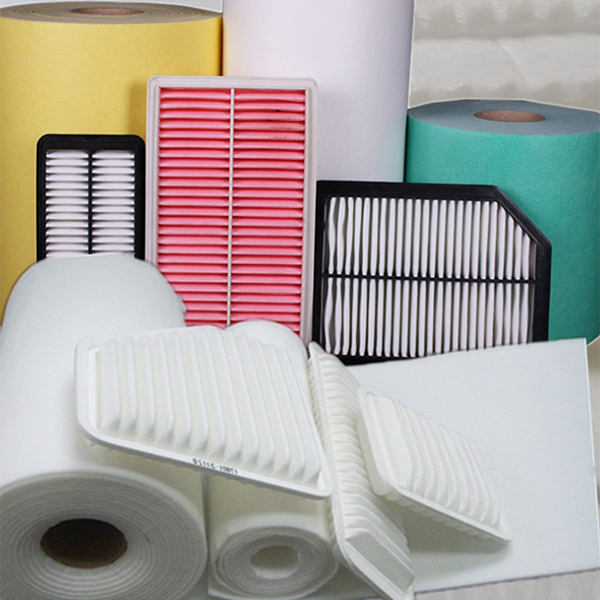
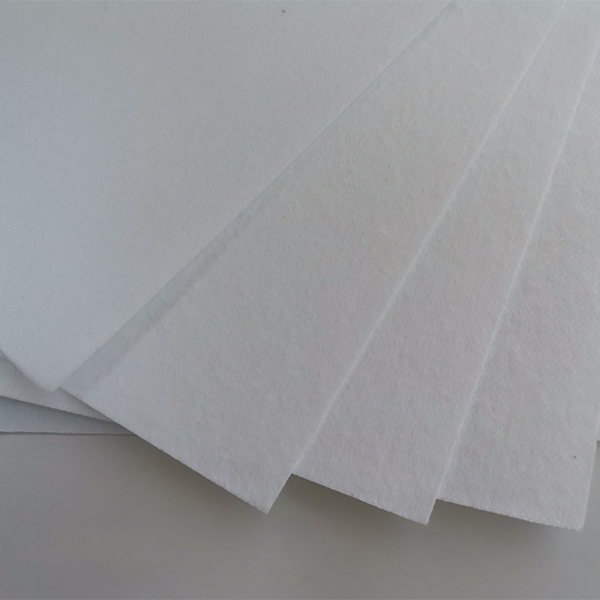
Because the paper is manufactured in rolls and sheets, it’s easy to cut and fit to different equipment sizes, from small portable devices to massive industrial duct systems.
5. Cost Efficiency
Despite its advanced properties, composite fiberglass filter paper generally offers solid value. Its longevity and efficient filtration often offset a somewhat higher upfront cost compared to cheaper paper or synthetic materials.
Global Applications: Where Does It Make a Difference?
These filter papers show up all over the globe, sometimes in places you’d least expect.
- Industrial Air Pollution Control: Power plants in the US and Europe use them in baghouse filters to capture fly ash and pollutants, complying with regulations from bodies like the EPA.
- Pharmaceutical & Electronics Manufacturing: These sectors demand ultra-clean air. Taiwan, South Korea, and the US lead in using composite fiberglass filter paper in cleanrooms to avoid product contamination.
- Humanitarian Relief: After disasters, NGOs deploy portable water purifiers featuring composite fiberglass filter membranes to provide safe drinking water to affected populations.
- Automotive & Aerospace: Engine air and hydraulic fluid filtration rely on these materials for durability under vibration and thermal stress.
- Developing Regions: Countries tackling urban pollution challenges turn to this advanced filtration to reduce health impacts, especially in heavily industrialized zones like parts of India and China.
Practical Specification Overview
| Specification | Typical Value | Unit |
|---|---|---|
| Basis Weight | 100-150 | g/m² |
| Thickness | 0.3-0.5 | mm |
| Maximum Operating Temperature | 320 | °C |
| Particle Capture Efficiency | ≥ 99.9% | for ≥0.3 µm particles |
| Chemical Resistance | Excellent | Various acids & solvents |
How Do Leading Vendors Stack Up?
| Feature | FibraTech Inc. | GlassFil Solutions | CleanAir Materials |
|---|---|---|---|
| Product Variety | Wide: industrial & medical grades | Focused on industrial use | Cleanroom and specialty filters |
| Customization | High custom orders accepted | Limited customization | Moderate customization options |
| Lead Times | 2-3 weeks | 4-6 weeks | 3-4 weeks |
| Global Shipping | Yes, multiple hubs | Regional focus | Global but less coverage |
| Price Point | $$$ (premium) | $$ (competitive) | $$$ (specialized) |
What Makes Composite Fiberglass Filter Paper So Valuable?
For equipment managers and safety officers, reliability means peace of mind. The same goes for buyers who want cost control and environmental compliance. Composite fiberglass filter papers balance all these needs elegantly:
- Longevity means fewer replacements and less waste.
- Superior filtration contributes to cleaner air and water, improving worker safety and public health.
- The chemical and thermal resistance reduces operational disruptions due to filter failure.
- Adaptability across sectors from automotive to humanitarian relief shows its versatility.
Emotionally, one might say that this humble material aids dignity by helping ensure safe, breathable air and potable water in places where those essentials are often perilous or scarce.
The Future: What’s Next for Composite Fiberglass Filter Paper?
Looking ahead, the field is ripe with innovation:
- Eco-friendly Resins: New biodegradable binders aim to reduce environmental footprints.
- Enhanced Nanofibers: Companies are integrating nanotech to trap even smaller particles, pushing filtration into ultrapure water and air markets.
- Smart Filtration: Embedded sensors and IoT compatibility will enable real-time filter monitoring, avoiding downtime or replacements that happen “too late.”
- Energy-efficient Manufacturing: Processes aiming for lower carbon emissions during production are gaining traction amid global decarbonization efforts.
One can’t help but wonder if one day our old paper filters will feel as quaint as dial-up modems do now...
Challenges on the Road and How They Are Addressed
Of course, no technology is perfect. Some common challenges include:
- Disposal Concerns: Spent fiberglass filters aren’t biodegradable, posing waste challenges.
- Cost Barrier: Not every industrial player can afford the upfront investment, especially in emerging economies.
- Material Fragility: While tough, fiberglass papers must still be handled carefully to avoid tearing during installation.
Solutions are emerging: recycling programs, price-tiered product lines, and pre-installation training for on-site workers are now standard in many companies. Plus, innovations in composite materials promise even stronger, lighter products soon.
Frequently Asked Questions About Composite Fiberglass Filter Paper
Q1: How does composite fiberglass filter paper differ from standard cellulose filters?
A1: Fiberglass papers offer higher temperature resistance, better chemical durability, and finer particle capture compared to cellulose filters, which tend to degrade faster and are less effective in harsh industrial environments.
Q2: Can composite fiberglass filters be used for water purification?
A2: Yes, especially when designed with specific fiber treatments to prevent breakdown or contamination; these filters are used in portable water purification systems deployed in disaster relief zones.
Q3: What maintenance is typically required for these filters?
A3: Regular inspections for clogging or damage are needed. However, because of their durability, they require less frequent replacements than many alternatives, reducing maintenance downtime.
Q4: Are there environmental concerns with disposed composite fiberglass filter paper?
A4: Disposal can be an issue due to non-biodegradable components. Recycling initiatives and proper waste management procedures are critical to minimize environmental impact.
Q5: How quickly can custom composite fiberglass filter papers be produced?
A5: Depending on specifications and vendor, lead times typically range from 2 to 6 weeks. Vendors offering customization usually work closely with clients to optimize timelines.
Conclusion: The Silent Backbone of Modern Filtration
Composite fiberglass filter paper is not just a technical marvel but a practical necessity — its unique properties make it a cornerstone in the fight for cleaner air and safer water worldwide. Industrial players, humanitarian agencies, and environmental groups alike rely on its resilience and efficiency to meet urgent and ongoing challenges. If you’re exploring filtration or pollution control solutions, there’s a strong case for giving this material a hard look.
Curious to learn more? Visit our website for detailed product info and assistance: composite fiberglass filter paper.
1. World Health Organization: Ambient Air Pollution Factsheet
2. UNICEF: Water Scarcity Statistics Report, 2023
3. US Environmental Protection Agency (EPA) Regulations Overview
Post time: Nov-29-2025