The Growing Importance of Wood Pulp Filter Paper in Today's World
Wood pulp filter paper might sound like a niche industrial product, but it quietly influences a surprising array of critical sectors worldwide—from environmental protection to healthcare. Why does it matter? On a global scale, millions rely on clean air and water, and whether it’s filtering particulates or purifying liquids, wood pulp filter paper is often the unsung hero. Understanding this material helps industries innovate sustainably, governments enforce safety standards, and NGOs deliver aid efficiently. If you’ve ever wondered how factories keep emissions within safe limits or how hospitals ensure sterile conditions, wood pulp filter paper is often at the heart of that clarity and cleanliness.
Global Context: Why Wood Pulp Filter Paper Plays a Vital Role
According to the United Nations Environment Programme (UNEP), air and water pollution remain top challenges affecting health worldwide, contributing to 7 million premature deaths every year. Industrial facilities, despite advances, still release particulate matter that needs effective filtration. The ISO reports global filter paper production increasing steadily, reflecting growing environmental and hygiene demands.
Yet, the industry faces a persistent problem: balancing performance with ecological impact. Conventional synthetic filters, though effective, often have high disposal footprints. Wood pulp filter paper offers a biological, more biodegradable option, addressing this dual challenge with elegance.
Mini takeaway: Wood pulp filter paper not only aligns with environmental imperatives but is central to global health and safety improvements worldwide.
Defining Wood Pulp Filter Paper
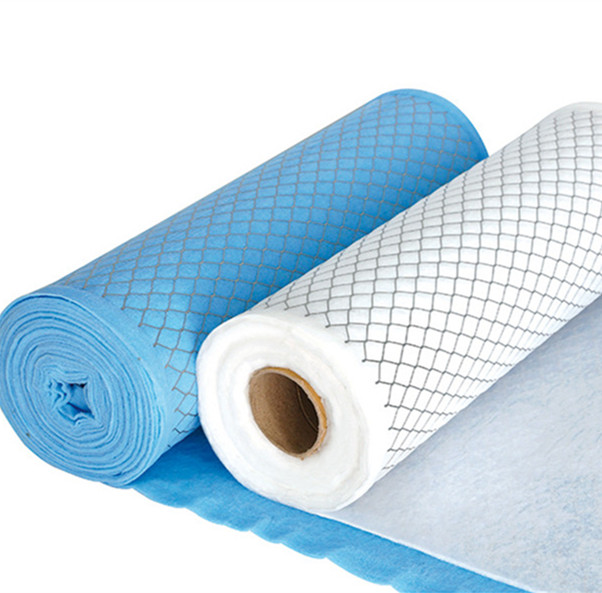
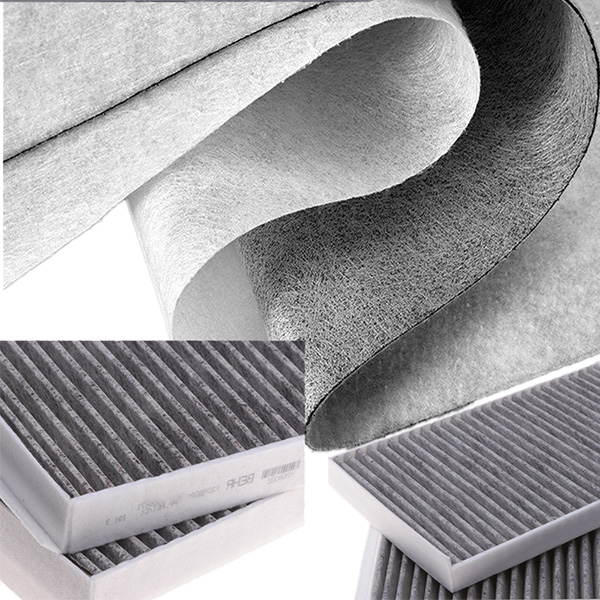
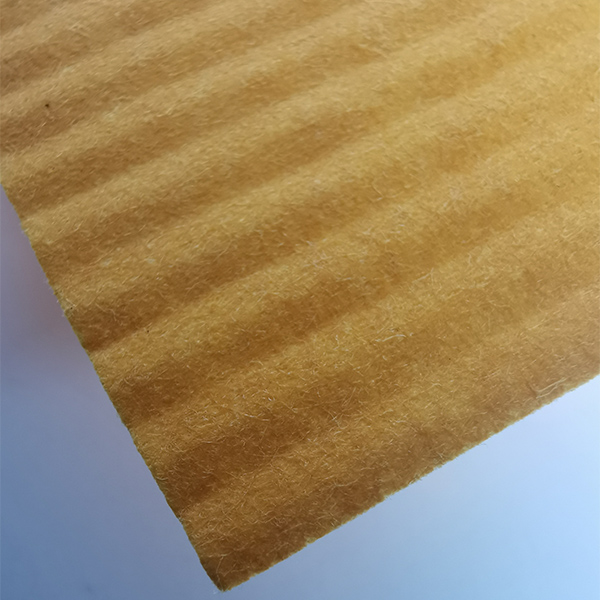
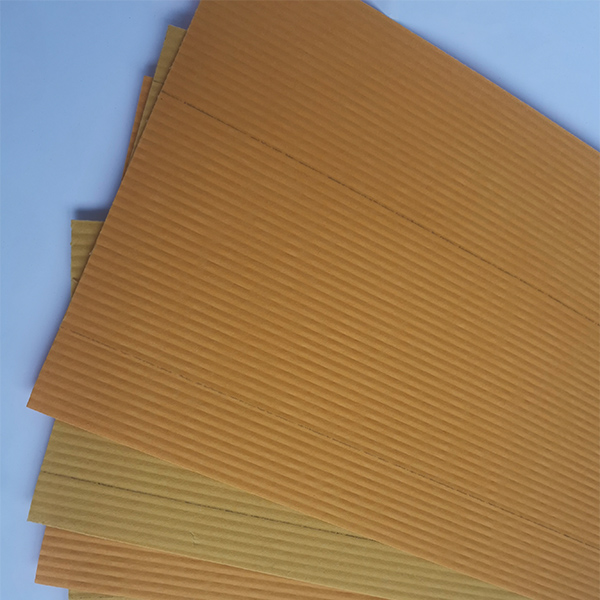
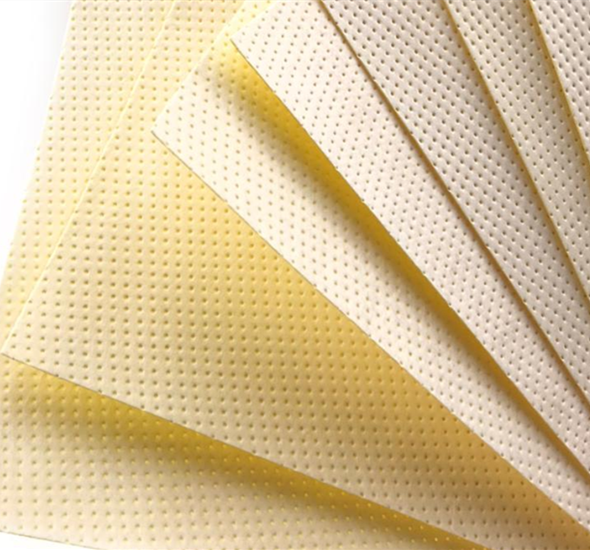
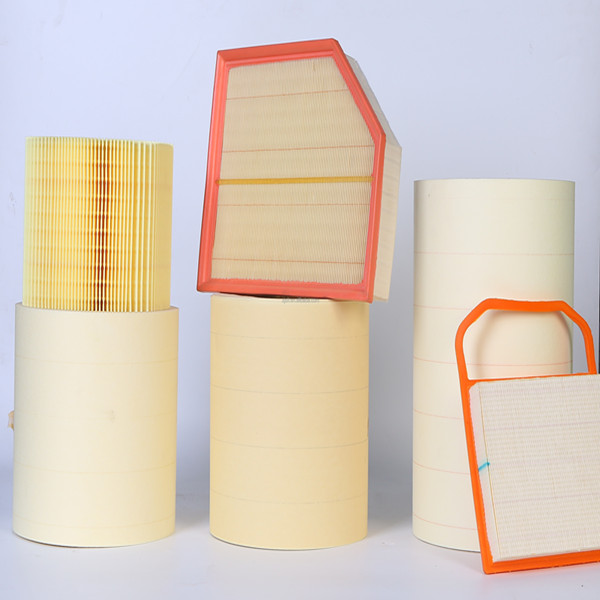
Simply put, wood pulp filter paper is a specially engineered sheet derived from processed wood fibers. Unlike regular paper, it’s designed with specific porosity and strength to trap particles, contaminants, or unwanted solids from fluids and gases. This material is critical in industries ranging from water treatment plants to pharmaceutical labs.
In humanitarian contexts, it’s often found in emergency water purification kits or mobile filtration systems, providing safe drinking water quickly after natural disasters. Modern industry’s need for reliable, cost-effective filtration solutions dovetails perfectly with the adaptiveness of wood pulp-based media.
Core Components That Make Wood Pulp Filter Paper a Game Changer
1. Porosity
The tiny, evenly distributed pores in wood pulp filter paper vary depending on intended use—from coarse dust removal to microscopic particle filtration. This adjustable porosity makes the paper versatile across environments.
2. Durability
While thin, this paper resists tearing and maintains integrity even under moisture and heavy flow, traits valued in both lab and industrial settings.
3. Biodegradability
Derived from a renewable resource, wood pulp decomposes naturally, a huge plus for eco-conscious industries wrestling with waste management.
4. Cost Efficiency
Compared to synthetic alternatives, wood pulp filter paper often comes at significantly lower costs, especially when scaled up, making it ideal for developing regions or large-scale use.
5. Scalability of Production
Major paper manufacturers have optimized wood pulp filter media production, ensuring steady supply chains worldwide—even crucial during spikes in demand like global health crises.
Mini takeaway: The factors above create a synergy balancing performance, cost, and sustainability, which few materials can match.
How Wood Pulp Filter Paper Is Changing Industries Around the Globe
This filter paper’s reach is vast:
- Environmental Monitoring: In Europe and North America, it’s instrumental in particulate air monitors to help regulatory bodies track pollution emissions.
- Healthcare: Hospitals across Asia use these papers in sterilization processes and lab tests for isolation of contaminants.
- Water Treatment: Sub-Saharan Africa’s refugee camps rely on mobile filtration kits utilizing wood pulp media to provide potable water swiftly.
- Food & Beverage: Several breweries in South America swap synthetic filters for wood pulp variants to maintain taste purity while reducing environmental impact.
For example, in post-disaster relief operations, NGOs distribute water purification kits embedded with this filter paper due to its light weight, effectiveness, and biodegradability — addressing immediate health needs while minimizing environmental harm.
Advantages and Long-Term Value of Using Wood Pulp Filter Paper
In real terms, what’s the value here?
- Environmental Sustainability: Reduced carbon footprint compared to plastic filters, plus ease of disposal.
- Cost-Effectiveness: Enables small nonprofits to afford reliable filtration tools without breaking budgets.
- Versatility: Works in diverse climates and industries, from dusty deserts to humid labs.
- Trust and Safety: Offers predictable filtration performance, crucial in sensitive applications like pharmaceuticals.
- Social Impact: By enabling clean water and air, it contributes to dignity and health improvement globally.
Plus, there’s a certain peace of mind knowing that the paper you're using won’t linger in landfills for centuries.
Wood Pulp Filter Paper Product Specification Table
| Specification | Details |
|---|---|
| Material | 100% Natural Wood Pulp Fibers |
| Applicable Pore Size | 0.5 to 20 microns |
| Thickness | 70-200 microns (depending on grade) |
| Tensile Strength | 8-12 N/cm |
| Moisture Absorption | 7-10% by weight |
| Biodegradability | Complete within 3 months under composting conditions |
Comparing Leading Wood Pulp Filter Paper Vendors
| Vendor | Range of Grades | Global Availability | Sustainability Certification | Price Range (per 1000 sheets) |
|---|---|---|---|---|
| PurifyCo | Wide (0.5–20 microns) | Americas, Europe, Asia | FSC Certified | $120 - $180 |
| EcoFiber Filters | Medium (2–10 microns) | Europe, Africa | PEFC Certified | $110 - $150 |
| GreenLeaf Papers | Narrow (1–5 microns) | Asia, Oceania | ISO 14001 Compliant | $130 - $170 |
Where Is Wood Pulp Filter Paper Headed? Emerging Trends and Innovations
Surprisingly, the future looks pretty green here. Bioengineers are working on blending wood pulp with additives like nanocellulose to enhance filtration capacity without losing biodegradability—essentially making the paper stronger and finer at the same time. Meanwhile, digital transformation in manufacturing promises tighter quality control, meaning less variance between batches.
Governments worldwide are tightening sustainability standards too—pressuring manufacturers of filter media to move away from plastic synthetics. Wood pulp filter paper fits perfectly in this green revolution. Automation and AI-driven assembly lines also mean faster production, which is critical when sudden demand spikes hit, such as in a pandemic or after a natural disaster.
The Challenges of Wood Pulp Filter Paper and How the Industry Is Tackling Them
Honestly, it’s not all sunshine. The pulp used must be carefully processed to avoid inconsistency, and humidity sensitivity can affect performance in certain climates. Some industries still find synthetic options more predictable for ultra-fine filtration. Disposal logistics—despite biodegradability—sometimes challenge waste systems that are not compost-ready.
The solution? Continuous R&D efforts explore coatings that improve moisture resistance without adding pollution, and integrating this paper with hybrid filtration systems to boost effectiveness. NGOs partnering directly with manufacturers also help optimize filter paper for region-specific use, considering local environmental variables.
FAQ: Frequently Asked Questions About Wood Pulp Filter Paper
- What makes wood pulp filter paper different from synthetic filters?
- Wood pulp filter paper is made from natural fibers, making it biodegradable and more environmentally friendly, whereas synthetic filters often rely on plastic polymers that persist in waste systems. The pulp paper also typically offers cost advantages and easier disposal but can have slightly less resistance to moisture.
- Can wood pulp filter paper be used for sterilization processes in hospitals?
- Yes, it is widely used in medical laboratories and sterilization setups because of its consistent porosity and strength. However, depending on the specific application, it might be combined with other materials to meet strict sterilization standards.
- How do environmental conditions affect wood pulp filter paper performance?
- Humidity and temperature fluctuations can influence the paper’s integrity and filtration efficiency. Proper storage and material treatments are critical to maintaining performance over time.
- Is the production of wood pulp filter paper sustainable?
- When sourced from certified forests (FSC or PEFC), the production aligns with sustainable forestry practices. Many manufacturers also adopt ISO 14001 environmental management standards to minimize impact.
- Where can I buy wood pulp filter paper for industrial use?
- Leading vendors include PurifyCo, EcoFiber Filters, and GreenLeaf Papers, all of which have broad geographic presence and a range of grades available depending on your filtration needs.
Wrapping Up: Why Wood Pulp Filter Paper Deserves Your Attention
In a world increasingly focused on sustainable solutions, wood pulp filter paper stands out as a versatile, eco-friendly alternative to synthetic filters. Its role in industries from healthcare to environmental monitoring underscores how important it is to have reliable, affordable filtration materials. If you appreciate innovations that respect nature without compromising performance, this filter paper might just be your go-to.
For those eager to explore high-quality options or learn more about integrating wood pulp filters into projects, visit wood pulp filter paper suppliers and resources online.
After all, it's these straightforward, often overlooked materials that keep our environments safe and our industries running smoothly — quietly, sustainably.
References
Post time: Nov-30-2025