Why the hammock fiberglass air filter still holds its ground in industrial air filtration
Having spent a good chunk of my career circling around industrial equipment and air filtration systems, I've developed a soft spot for solutions that balance practicality and durability. The hammock fiberglass air filter is one of those underrated gems in the industry. At first glance, it might not shout “high-tech,” but honestly, it’s proven time and again to be a reliable workhorse in demanding environments.
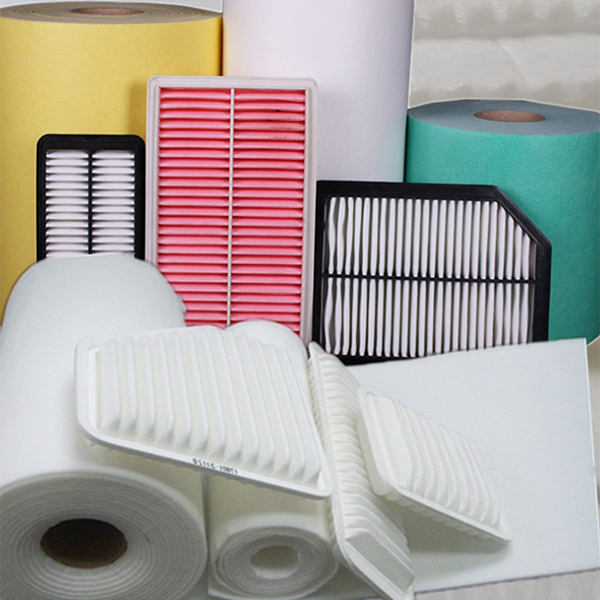
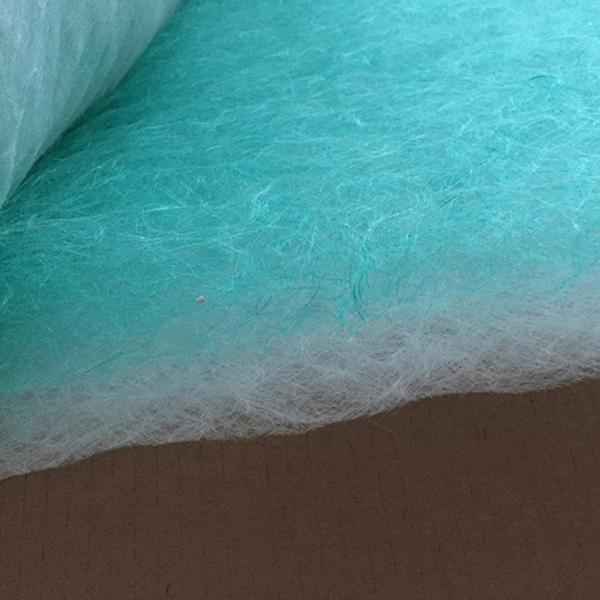
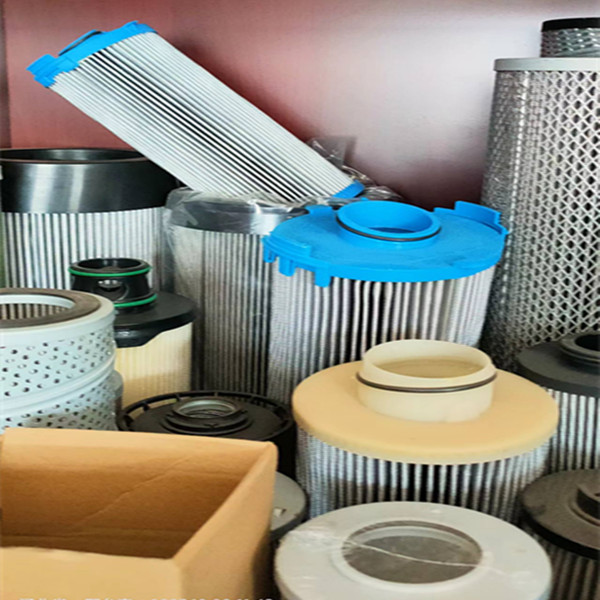
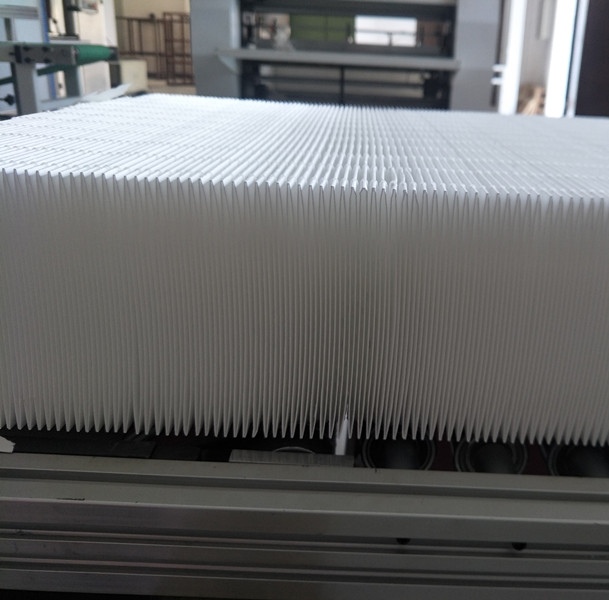
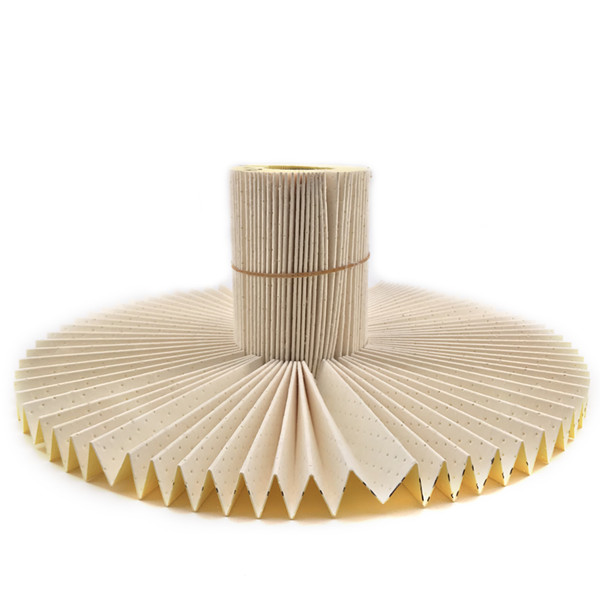
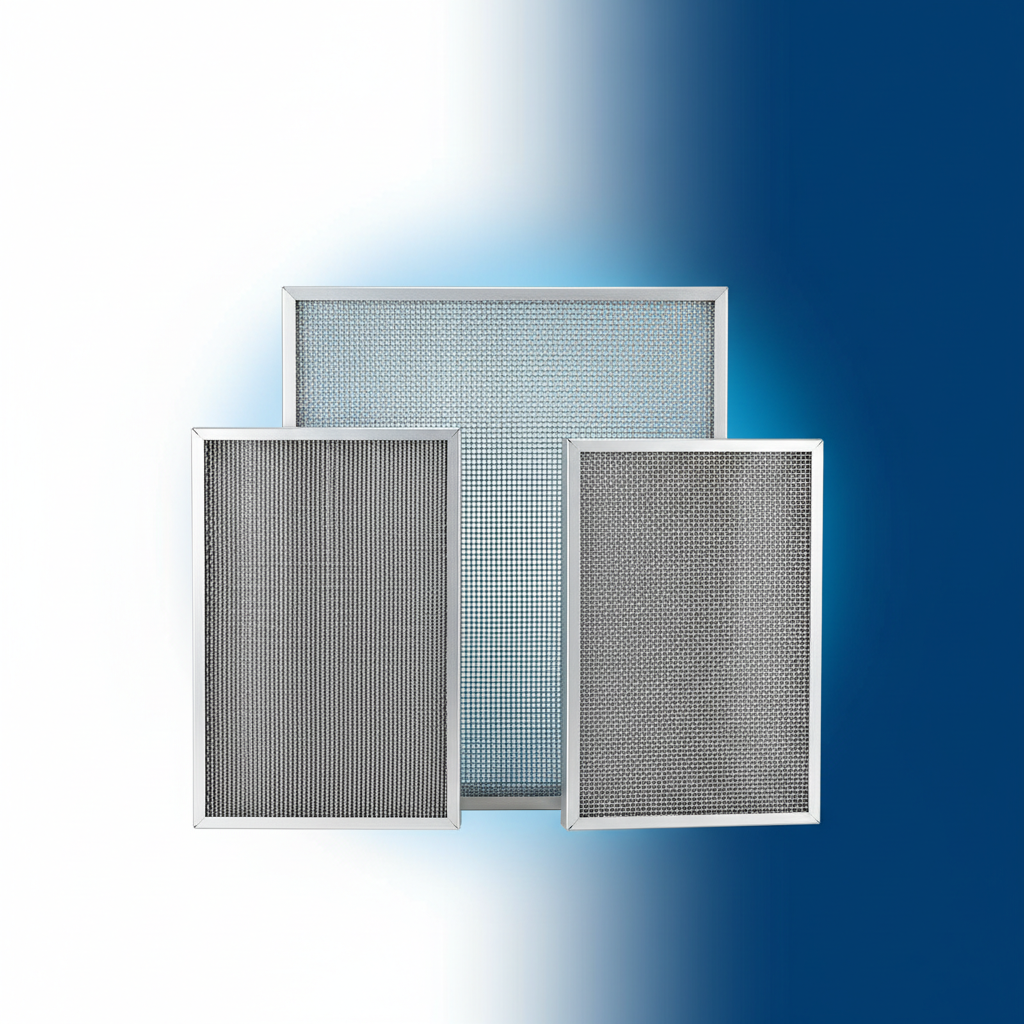
You don’t have to look far to understand why these filters have stood the test of time. They're essentially constructed from glass fibers woven into a sort of hammock shape. This design allows for maximum air flow with minimal resistance, which is crucial — in real terms, it means your equipment keeps running without choking on dust and debris.
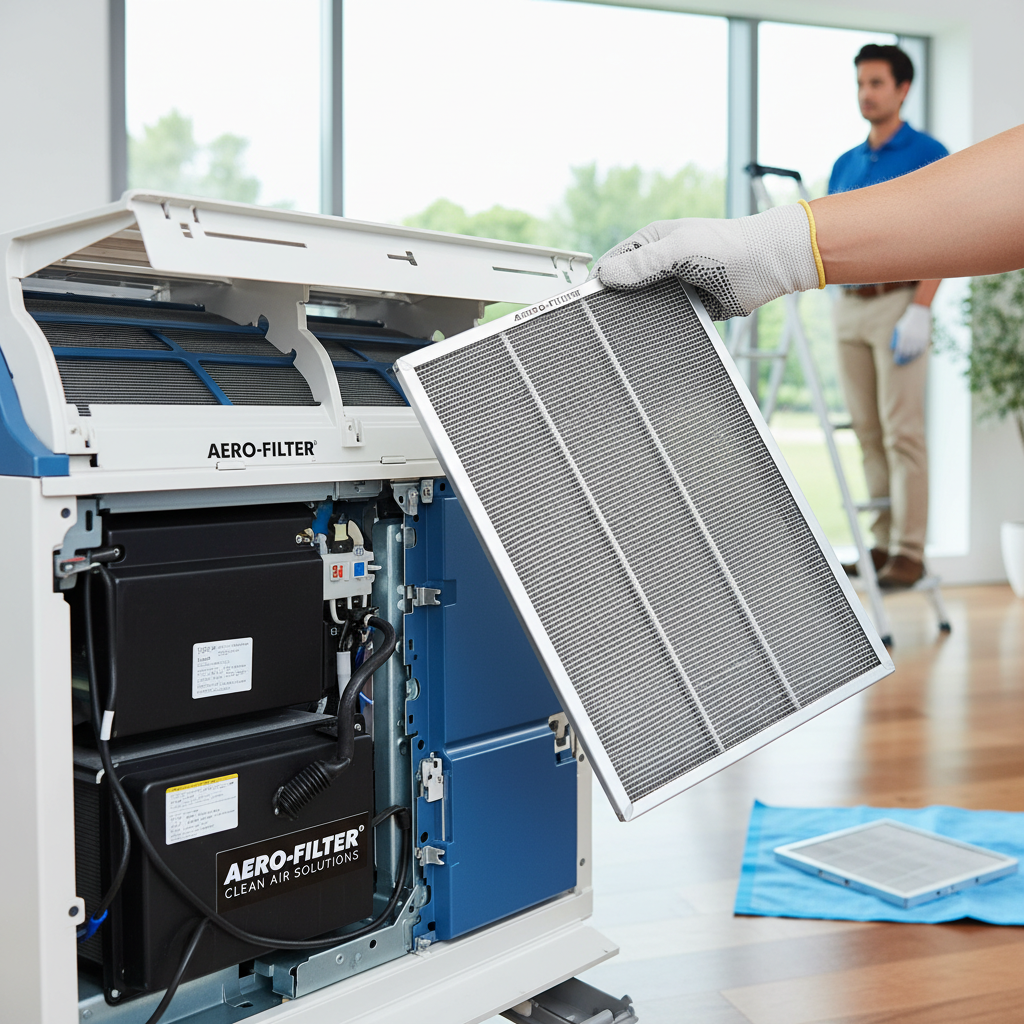
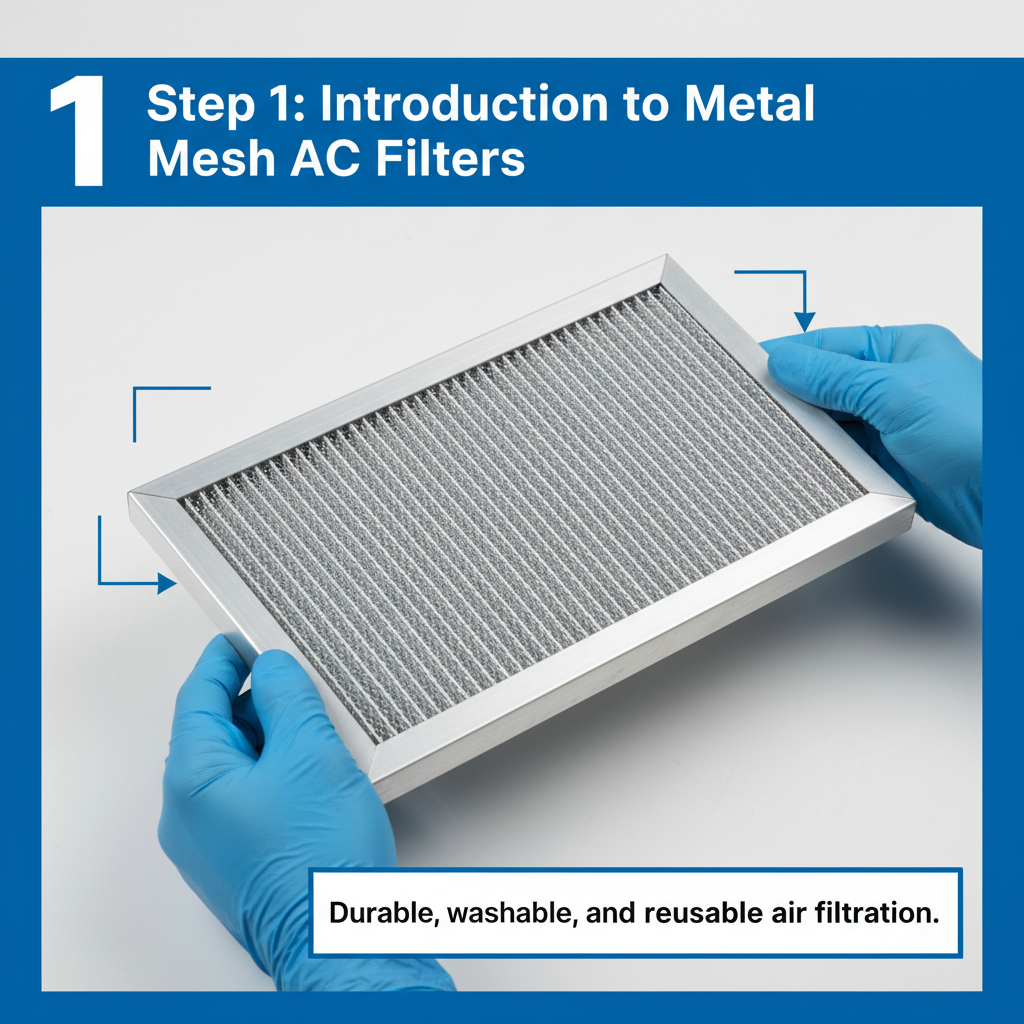
One thing I’ve noticed over the years: many engineers swear by fiberglass filters because of their cleaning ease. They're washable, which means companies can reuse them multiple times, cutting down on waste and expenses. This is pretty important if you’re running a large-scale operation where constant replacements can add up fast.
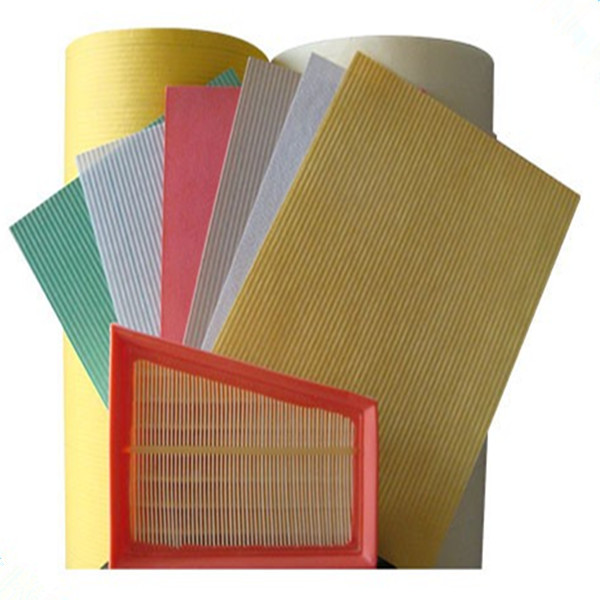
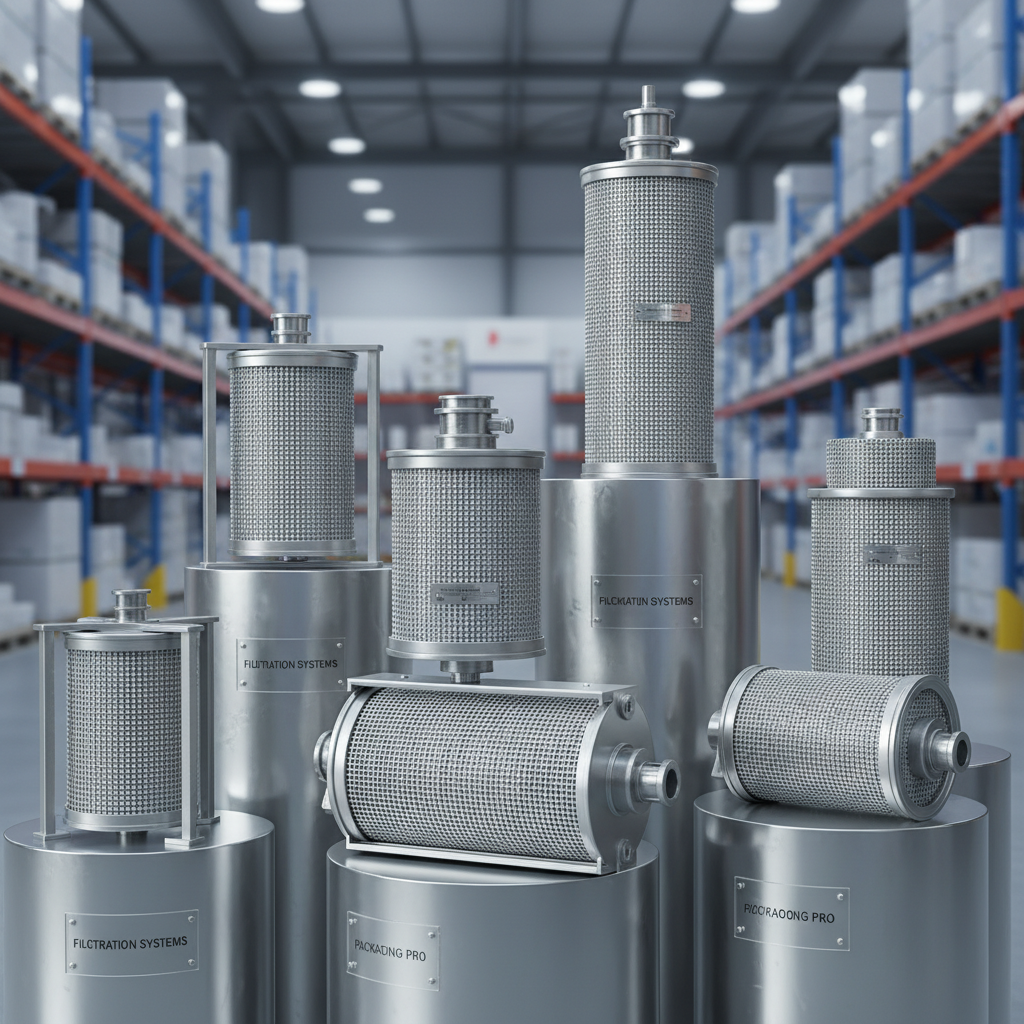
Oddly enough, the product isn’t just about filtration efficiency; it’s also about customization. Manufacturers tend to offer filters tailored to specific air volume needs, dust loads, and temperatures. For example, you might get filters with different fiber densities or frame materials depending on whether you’re in a dusty mining environment or a cleaner electronics manufacturing setup.
| Feature | Specification |
|---|---|
| Material | Fiberglass strands arranged in a hammock weave |
| Efficiency | Typically MERV 8–11, depending on density |
| Dimensions | Custom sizes available; standard widths 12”–24” wide |
| Temperature range | -20°C to 100°C (depends on frame and seal materials) |
| Maintenance | Washable and reusable; service life 6–12 months based on environment |
| Frame | Metal or plastic frames depending on application |
I’ll be honest: not all hammock fiberglass filters are made equal. The market has a handful of key players each with slightly different approaches to fiber density, frame durability, and sealing techniques. Some vendors focus more on low-cost disposables, while others highlight customization and durability.
To help make sense of that, here’s a quick rundown comparing three popular vendors I’ve encountered:
| Vendor | Fiber Density | Frame Options | Customization | Price Range |
|---|---|---|---|---|
| AnyaFilter Media | Medium to High | Metal and reinforced plastic | Highly customizable sizes and seals | Mid to Premium |
| FibraClean Solutions | Standard Medium | Plastic only | Limited | Budget-friendly |
| PureFiber Tech | High | Metal only | Moderate | Premium |
When I worked with a midwestern manufacturing plant a few years ago, they switched to hammock fiberglass air filters from AnyaFilter. The difference was noticeable — downtime caused by clogged filters dropped by nearly 30%. They told me it felt like the equipment was “breathing easier,” which I suppose isn’t a bad way to describe it.
All told, whether you’re an engineer designing a new system or a maintenance manager grappling with filters on a daily basis, the hammock fiberglass air filter remains a solid choice. It’s durable, adaptable, and honestly—I think it just keeps things simple in a world that can get pretty complicated.
If you want a reliable, customizable filter option, I’d probably start looking at hammock fiberglass air filter offerings first — there’s good reason many industry folks trust them.
References:
1. Industrial Dust Control Handbook, 5th Ed., 2021
2. Interview with Plant Engineer, Midwest Manufacturing, 2019
3. AnyaFilter Media Technical Specs, 2023
Post time: Dec-09-2025