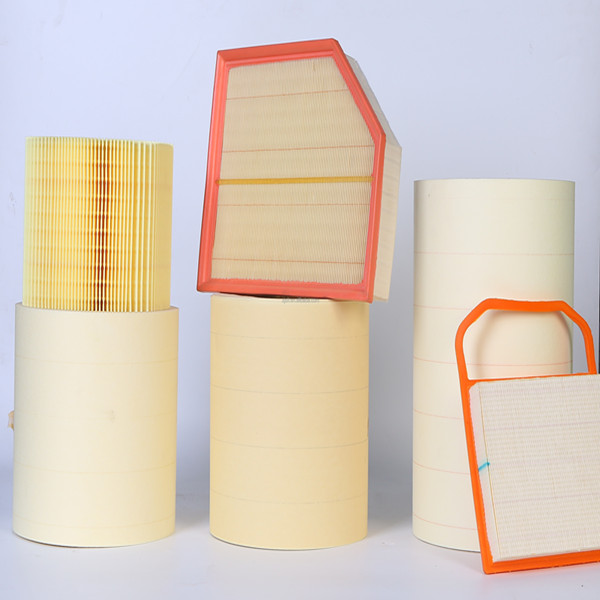
Flame Retardant Wrapping Paper: Essential Insulation for Industrial Safety
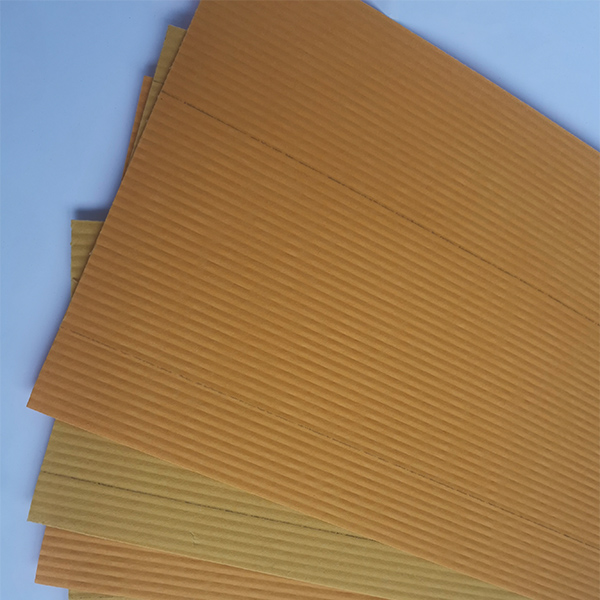
Having spent a fair share of my career around industrial equipment and materials, I can honestly say that flame retardant wrapping paper isn’t just some niche product — it forms a quietly crucial part of many safety protocols.
Now, I know “wrapping paper” might make you think of birthday gifts or crafts, but no — this stuff is engineered specifically for harsh, potentially hazardous environments. Frankly, the more I learned about it, the more I appreciated its subtle, behind-the-scenes value.
Before I dive deeper, let me drop a link to flame retardant wrapping paper because that’s a solid go-to source if you want the best specs and quality.
Let’s break down what makes this specialized wrapping paper so important.
Why Flame Resistance Matters in Wrapping Materials
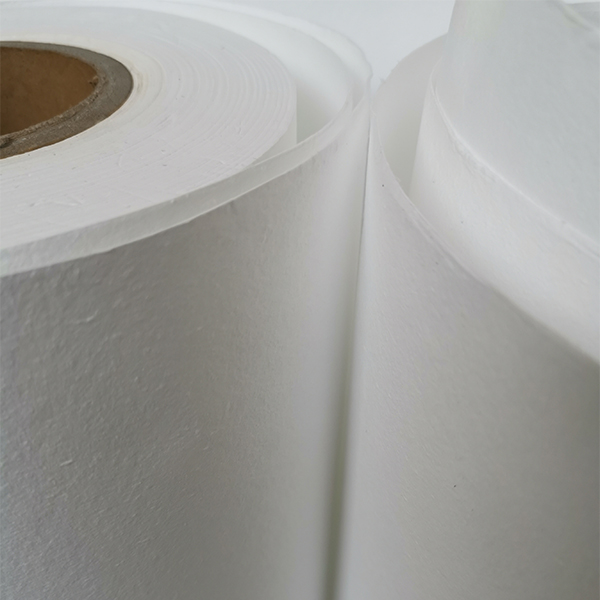
Wrapping paper used in industrial contexts often acts as insulation around fragile wiring, piping, or delicate machinery parts. Without flame retardancy, any spark or thermal event could quickly escalate into a fire. You kind of have to think of this paper as a silent guardian, designed with a strict resistance to ignition and flame propagation.
Oddly enough, the material science behind this paper fascinates me — manufacturers typically blend non-combustible fibers with proprietary chemical treatments. The goal is a balanced sheet that’s flexible, tear-resistant, yet – crucially – doesn’t burn or smolder easily when exposed to heat or flame.
Main Technical Aspects of Flame Retardant Wrapping Paper
Let me share a spec snapshot to give a clearer picture:
| Specification | Details |
|---|---|
| Material Composition | Cellulose fiber substrate with flame retardant chemical infusion |
| Thickness | 70 - 150 gsm variants |
| Ignition Temperature | Typically > 380°C |
| Flame Spread Rate | Below industry threshold standards (UL94 V-0 compliant) |
| Water Resistance | Moderate (treated surface for light moisture protection) |
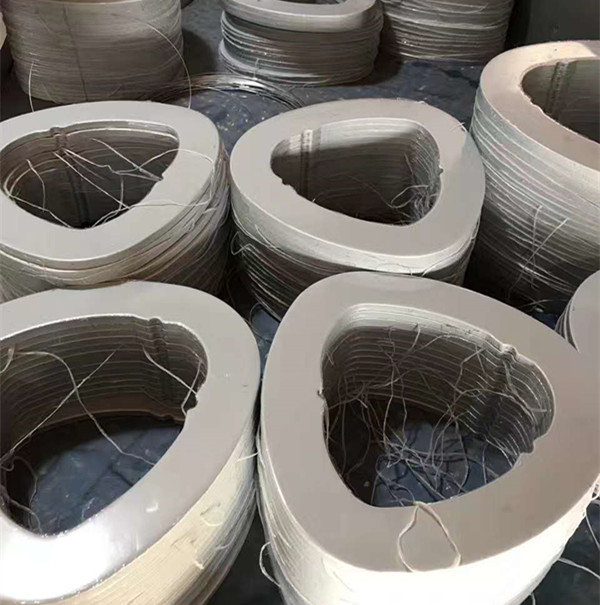
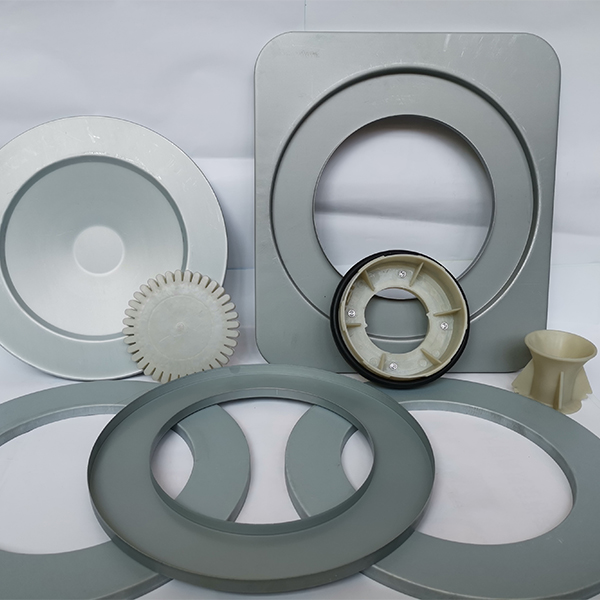
| Typical Applications | Electrical insulation wrapping, cable bundling, machine part coverings |
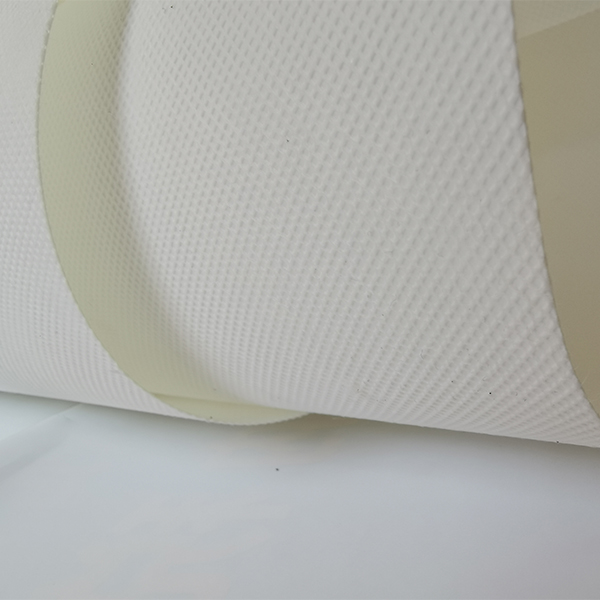
From my experience, what often surprises folks is how customizable these papers can be. You can basically specify thickness, flame retardant level, and even surface finish depending on your application.
Choosing the Right Vendor
Not all flame retardant wrapping papers are created equal — after all, it’s the tiny formulation details that make the difference between paper that holds up under thermal stress, and one that’s just “passable.” Here’s a quick vendor rundown I’ve compiled based on years of field experience:
| Vendor | Flame Retardancy | Customization Options | Lead Time | Price Bracket |
|---|---|---|---|---|
| Anya Filter Media | UL94 V-0 certification, high thermal resistance | Thickness, treatment, printing | 2-3 weeks | Mid-range |
| FireGuard Supplies | Meets NFPA 701 standard | Standard thickness only | 1-2 weeks | Budget |
| SafeWrap Materials | Custom flame retardant levels | Extensive (incl. waterproofing) | 3-4 weeks | Premium |
I recall a client in the electrical manufacturing sector who told me how switching to flame retardant wrapping paper from Anya dramatically reduced maintenance downtime and improved overall safety compliance. Sometimes it’s the subtle upgrade like this that saves the day — seriously, it pays to pay attention to these layers of protection.
Testing and Standards You Should Know
In real terms, if you’re specifying or evaluating flame retardant wrapping paper, know the certifications that matter. UL94 (usually V-0 or V-1) is the industry go-to rating for flammability. NFPA 701 is another important standard, especially if you’re in the fire safety or public installations sector.
Testing involves controlled flame exposure, measuring ignition time, flame spread, and afterglow. It’s not glamorous, but it’s vital for trustworthiness — and from what I’ve seen, the vendors who openly share test reports tend to have more reliable products.
Wrapping Up: Why These Details Matter
So, I suppose by now it’s clear this is not your average wrapping paper. It’s a tailored, high-performance material filling a very specific yet critical niche. When you physically handle these rolls, it feels noticeably sturdy, and you get that subtle whiff of a chemical treatment — reassuring, in a strange way.
Many engineers I bumped into say it’s one of those unsung heroes keeping their projects ticking — no dramatic fireworks, just solid, dependable safety. And oddly enough, once you start paying attention to materials like this, you see them everywhere in the background of industrial design.
Next time you’re tasked with specs, think about this paper’s role before settling for anything less. If you want to dig in further, the team at flame retardant wrapping paper sources are knowledgeable folks who’ll walk you through the options frankly and without the salesy jabber.
Stay safe out there — and remember, flame retardant wrapping paper may just be the quiet champion your operations need!
References:
- UL94 Flammability Standard Overview, Underwriters Laboratories
- NFPA 701 Test Method for Flame Propagation
- Material Science of Flame Retardant Papers, Industrial Safety Journal, 2019
Post time: Dec-06-2025