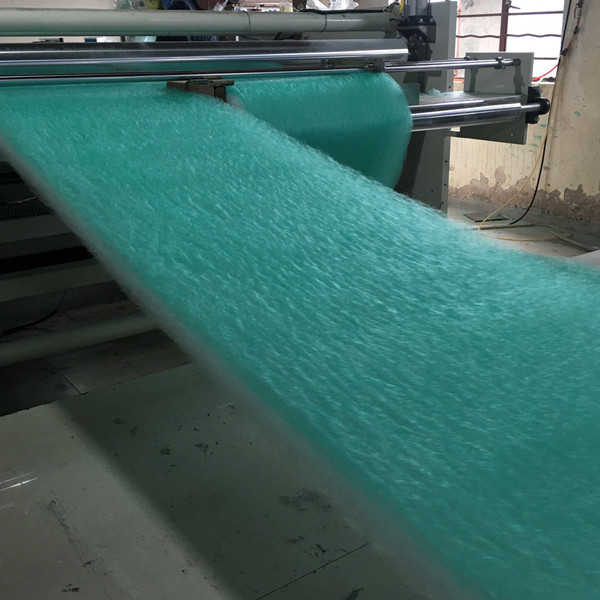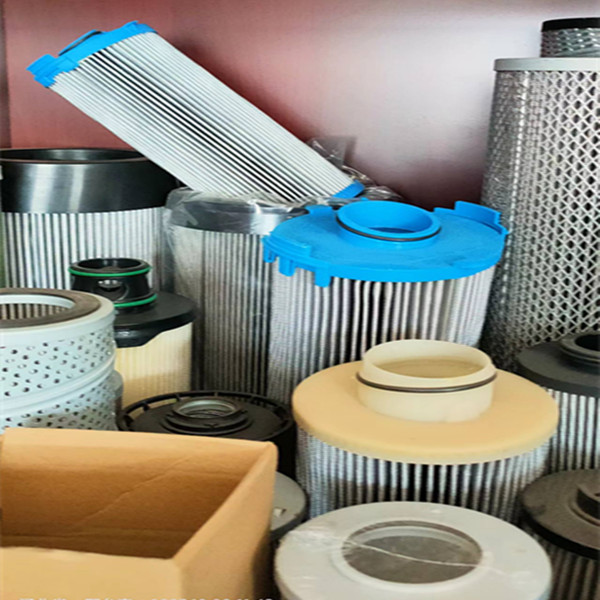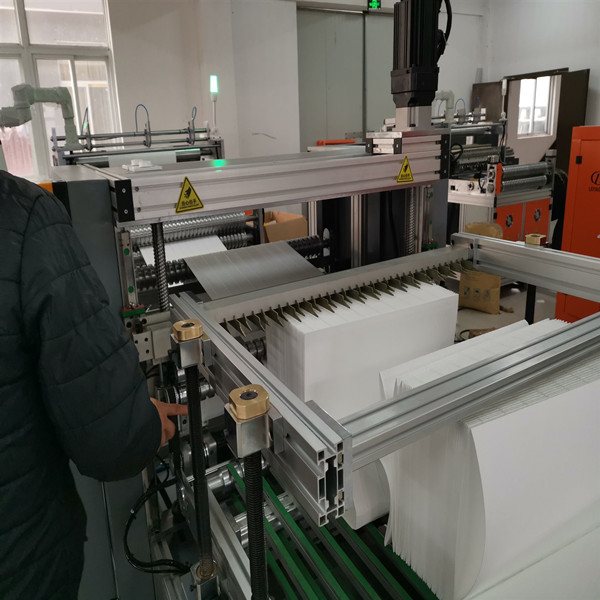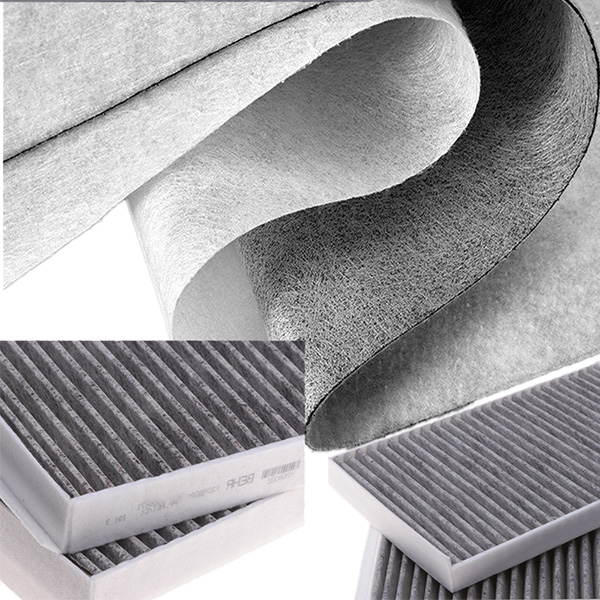
Glass Fiber Air Filter is a key solution in the industry, specifically within sectors that demand high-efficiency, durable, and cost-effective air filtration. This article explores how Anyafiltermedia.com supports professionals with durable, high-performance products, and explains why this product is an ideal choice for businesses in these sectors.
Table of Contents
- Glass Fiber Air Filter Overview
- Benefits & Use Cases of Glass Fiber Air Filter
- Cost, Maintenance & User Experience
- Sustainability & Market Trends
Glass Fiber Air Filter Overview
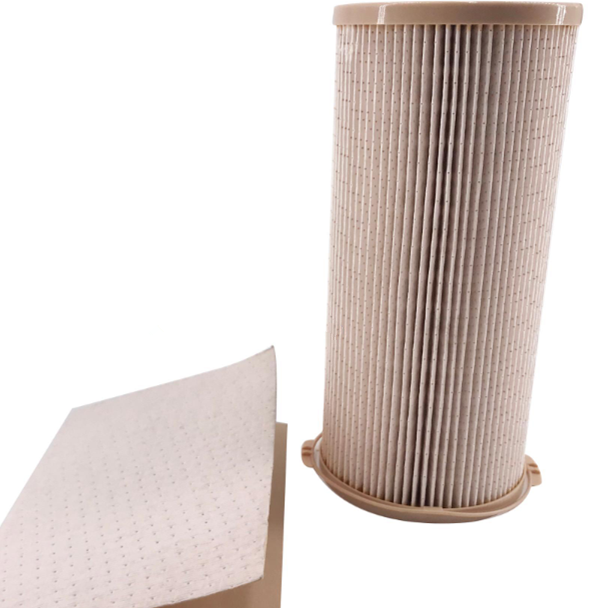
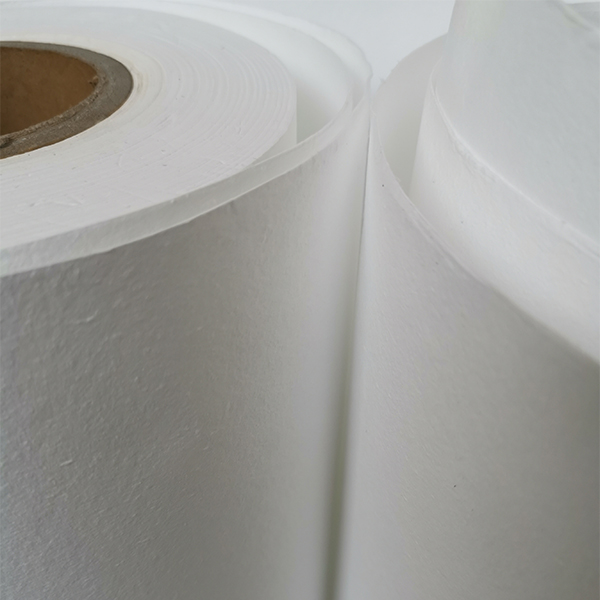
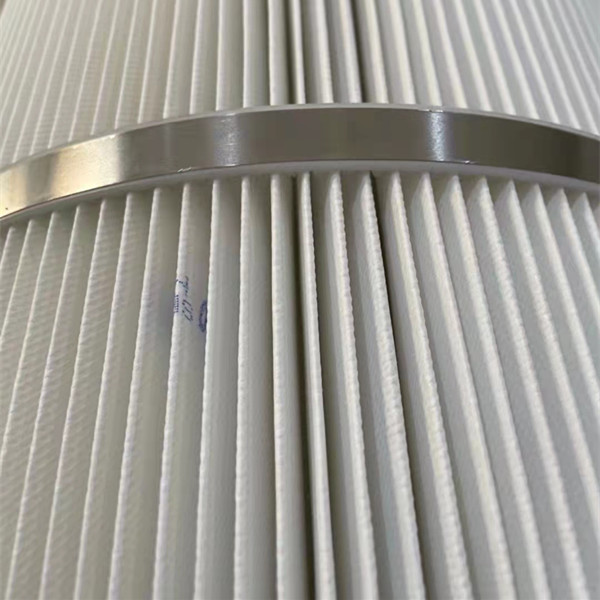
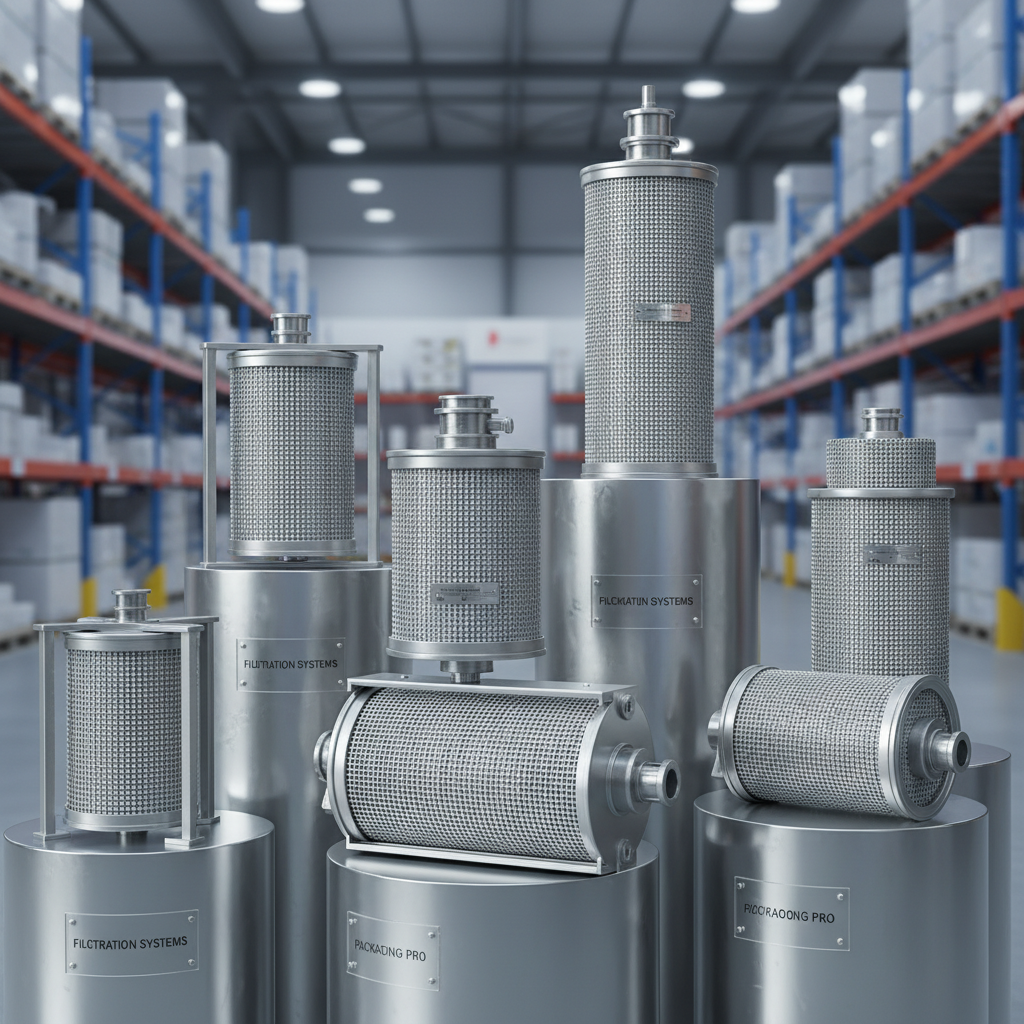
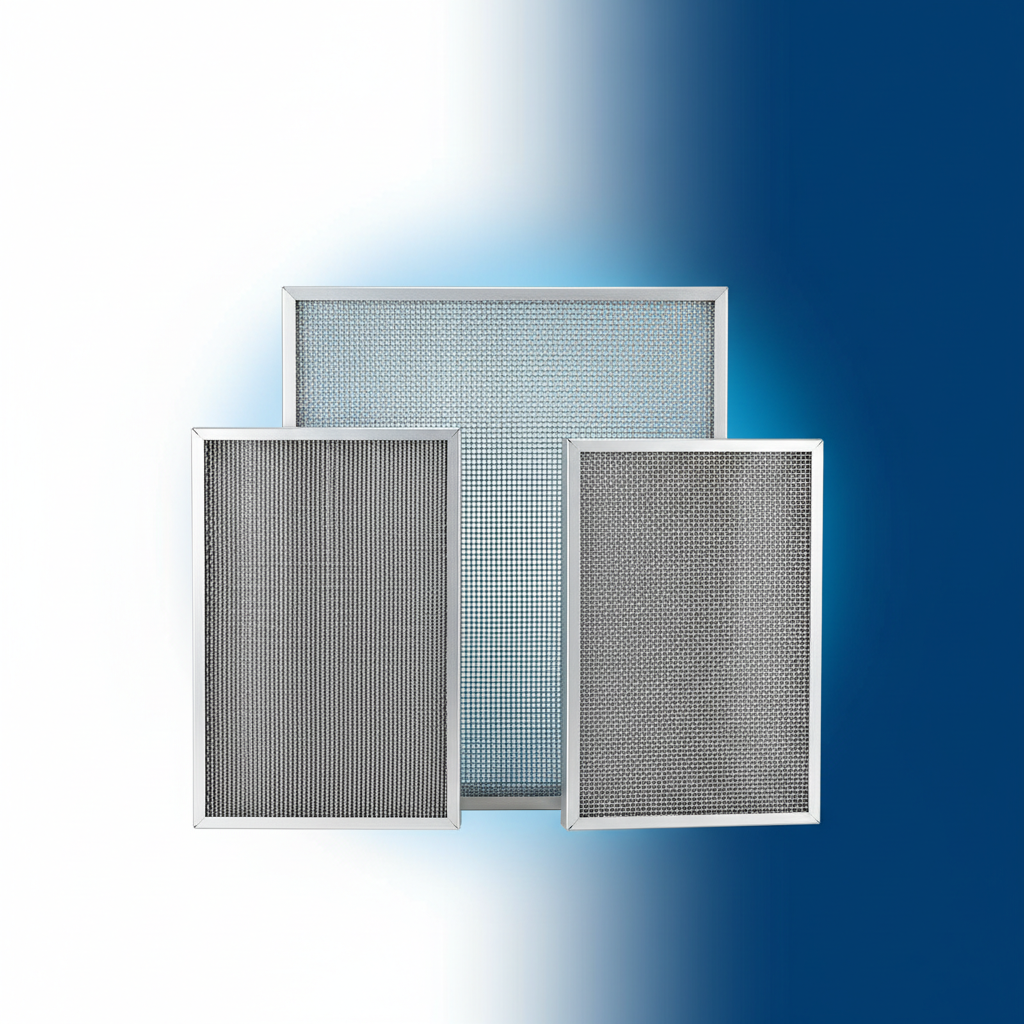
In the world of industrial air filtration, the Glass Fiber Air Filter stands out as a go-to solution for tackling airborne contaminants effectively. At its core, this filter uses fine glass fibers intricately layered to trap dust, particulates, and even microorganisms, depending on the grade. The blend of durability and efficiency is what makes it so relevant across diverse industries—from pharmaceutical clean rooms to heavy manufacturing facilities.
- Glass fibers provide an inert, heat-resistant filtration medium that is chemically stable and unaffected by moisture – traits crucial in industrial settings.
- Typical specifications include filtration efficiencies ranging from 65% up to 99% (depending on micron rating), operating temperatures of up to 250°C, and a variable thickness to meet air flow requirements.
| Specification | Typical Value | Unit/Remark |
|---|---|---|
| Fiber Diameter | 2-5 | Microns |
| Efficiency | 65-99 | % (varies by micron rating) |
| Max Operating Temperature | 250 | °C |
| Airflow Capacity | 5-30 | m³/min (model-dependent) |
Benefits & Use Cases of Glass Fiber Air Filter
Frankly, what often impresses decision makers about Glass Fiber Air Filters is the blend of efficiency and resilience they bring to the table. You know, in industries like automotive painting, chemical manufacturing, or even HVAC systems within hospitals, the stakes for maintaining clean air are incredibly high. Glass fiber filters reduce particulate contamination significantly, which in turn positively impacts product quality and operational safety.
- These filters are designed to handle high-temperature environments, making them perfect for power plants or foundries where alternative filters might degrade too quickly.
- Compared to synthetic media, glass fiber offers better chemical resistance, and their fine fiber matrix captures even microscopic particles efficiently — translating to fewer replacements and less downtime.
Cost, Maintenance & User Experience
When I chatted with a few facilities managers recently, one theme kept coming up: the real cost of an air filter goes beyond unit price. With glass fiber filters, the total cost of ownership generally leans favorable. It’s about durability, the filter’s ability to maintain airflow over time, and less frequent maintenance cycles.
- Users often report that although glass fiber filters might have a slightly higher upfront cost than some synthetic alternatives, the ROI pays off through extended service life and energy savings thanks to lower air resistance.
- Another advantage is ease of disposal – since these filters are inert, their handling post-use is less complicated than some chemical-laden solutions.
Sustainability & Market Trends
Oddly enough, the air filtration sector is catching on to sustainability in ways that might surprise. Glass fiber media, being inert and durable, can often be cleaned and reused, especially in certain industrial contexts, reducing waste. Moreover, the drive for greener facilities has encouraged manufacturers to innovate on filter recycling and minimize environmental footprint.
- Regulatory agencies worldwide are tightening restrictions on industrial emissions, elevating the demand for effective air filtration solutions like glass fiber filters.
- Market forecasts predict steady growth in this area, driven by industrial expansion in Asia and increased environmental awareness in Europe and North America.
| Feature | Glass Fiber Air Filter | Synthetic Media Filter | Activated Carbon Filter |
|---|---|---|---|
| Resistance to Heat | Up to 250°C | Typically ≤ 120°C | Up to 60°C |
| Chemical Resistance | Excellent (Inert) | Moderate | Poor |
| Typical Lifespan | 6-12 months+ | 3-6 months | 1-3 months |
| Cost (Average) | Moderate | Lower | Higher |
Frequently Asked Questions about Glass Fiber Air Filter
- What is Glass Fiber Air Filter and how does it work?
- It’s basically a filtration medium made from tiny glass fibers woven or layered to capture dust particles and contaminants as air passes through. The inert nature of glass means it doesn’t degrade easily, so it’s effective even under demanding industrial conditions.
- What are the main benefits of using Glass Fiber Air Filter in industrial applications?
- Key advantages include high filtration efficiency, excellent resistance to heat and chemicals, longer service life, and a good balance between upfront cost and longevity.
- How does Glass Fiber Air Filter compare to traditional alternatives?
- Compared to synthetic or cotton filters, glass fiber filters tolerate higher temperatures and are less prone to chemical degradation, making them more reliable in harsh environments. They also maintain airflow better over time, reducing energy costs.
- What industries can benefit most from Glass Fiber Air Filter implementation?
- Industries like pharmaceuticals, food processing, power generation, metal fabrication, and HVAC sectors commonly use these filters to maintain air purity, comply with regulations, and protect sensitive equipment.
Conclusion on Glass Fiber Air Filter from china
In real terms, the enduring appeal of the Glass Fiber Air Filter lies in how it balances performance, durability, and sustainability — all crucial for B2B decision makers aiming to optimize operational outcomes without compromising quality. For businesses seeking reliable filtration backed by strong technical expertise, this product from Anyafiltermedia.com is well worth consideration.
- Recap the value of Glass Fiber Air Filter.
- - Visit our website: https://www.anyafiltermedia.com
Reflecting on this, it’s clear that while technology evolves, the simplicity of glass fibers combined with thoughtful engineering keeps this filter media relevant. The ability to serve diverse industries while maintaining environmental awareness feels like a win-win.
References:
1. Industrial Filtration Handbook, 2023 Edition.
2. Environmental Protection Agency (EPA) - Air Quality Guidelines.
3. Anyafiltermedia.com product technical datasheets.
Post time: Dec-11-2025