Understanding PU Filter Plastic Mould: The Backbone of Modern Filter Manufacturing
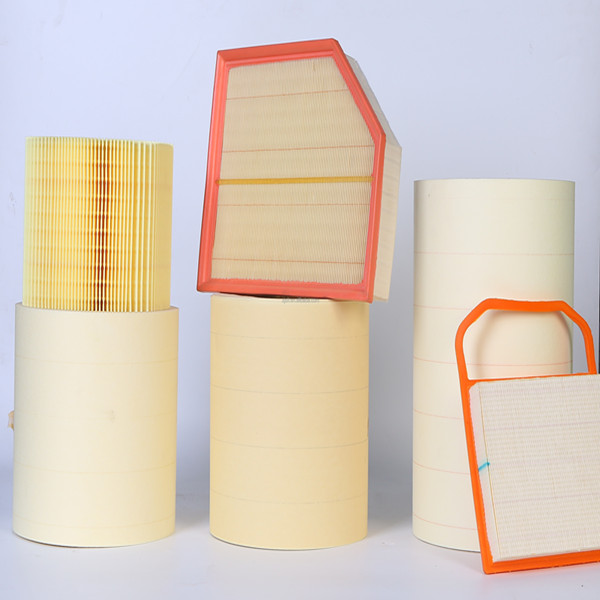
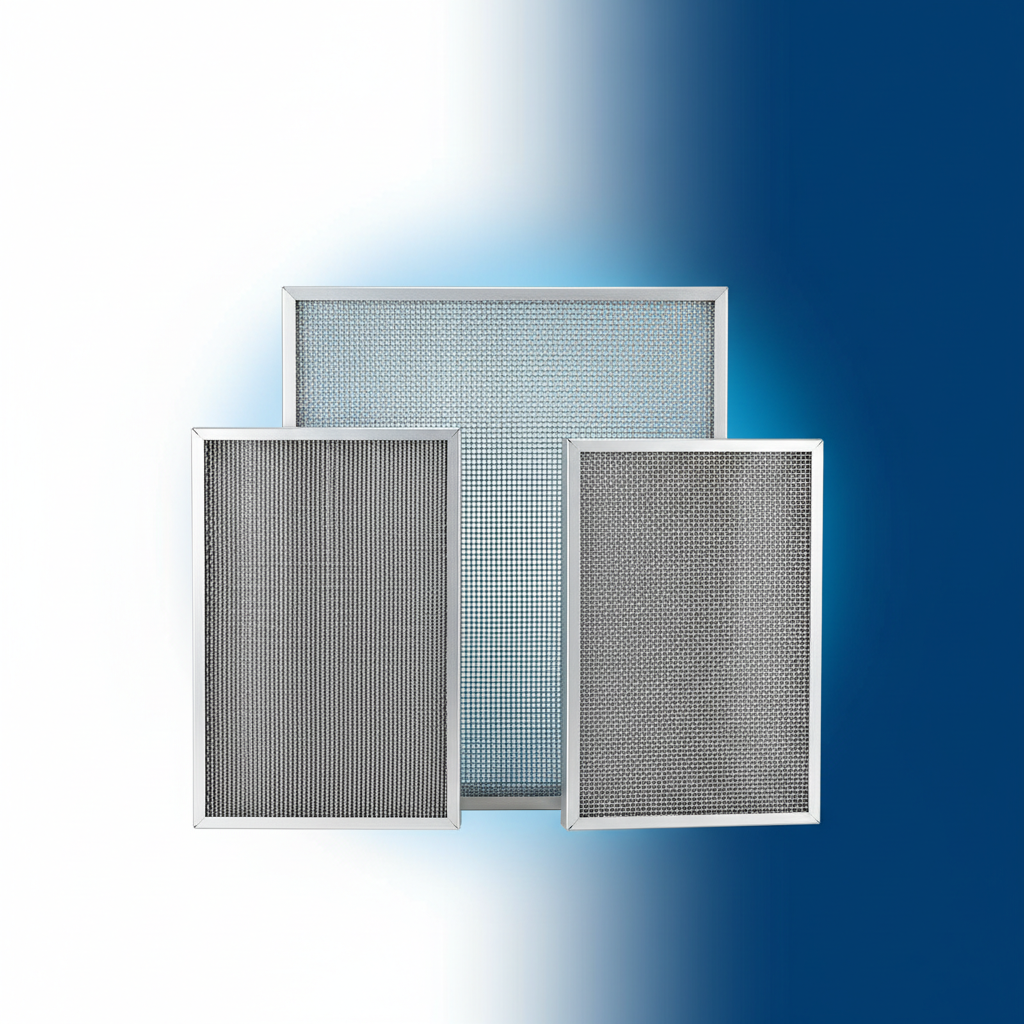
When it comes to manufacturing high-quality filtration components, the pu filter plastic mould plays a quietly pivotal role. But why should anyone outside the plastics or filtration industry care? Well, globally, clean air and water filtration have become critical—whether it’s industrial pollution control, automotive cabin filters, or even life-saving medical devices. Understanding how PU (polyurethane) filter plastic moulds work, and more importantly, why they matter, reveals a fascinating intersection of engineering finesse and environmental necessity.
Simply put, mastering these moulds enables manufacturers to produce durable, precise, and cost-efficient filter mediums and housings — the parts that literally help keep our air and water safe. It’s a small piece playing a large role in global health, sustainability, and economic performance.
A Global Lens: Why PU Filter Plastic Moulds Matter Today
Did you know that the global air filtration market was valued at over $7 billion in 2023, and is projected to grow by roughly 6.5% annually? (Source: MarketsandMarkets) This boom is driven in part by tightening environmental regulations (think ISO 16890 standards on air filters) and rising industrial emissions worldwide. It’s no secret that countries manufacturing automotive parts, medical devices, or HVAC systems increasingly rely on cutting-edge moulding techniques, of which PU filter plastic moulds are an essential component.
But here's the real challenge industry insiders face: How to rapidly produce highly customizable, consistent filter components without sacrificing strength, chemical resistance, or cost? PU filter moulds, with their flexible yet durable nature, address this conundrum head-on — yet the material demands, tooling sophistication, and quality controls aren’t trivial.
What Exactly Is a PU Filter Plastic Mould?
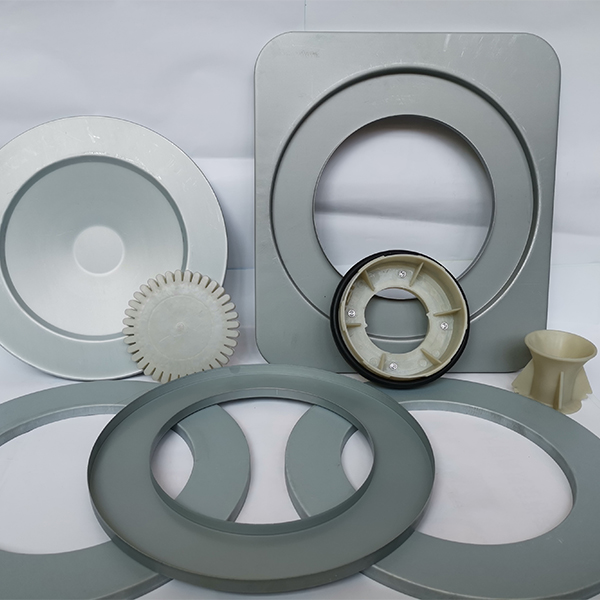
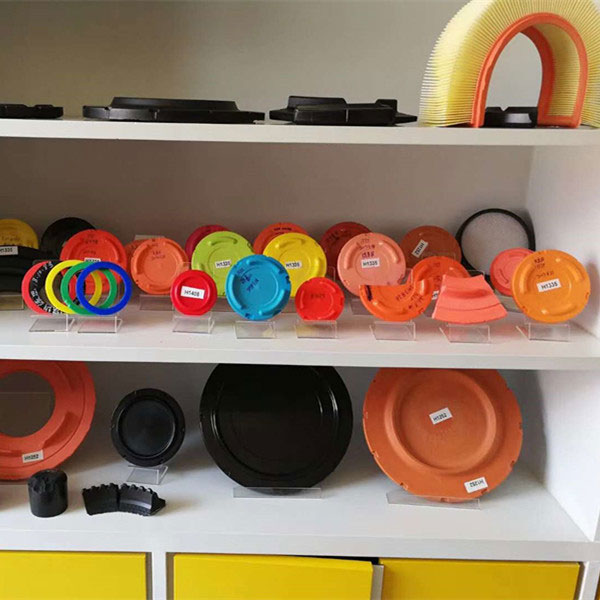
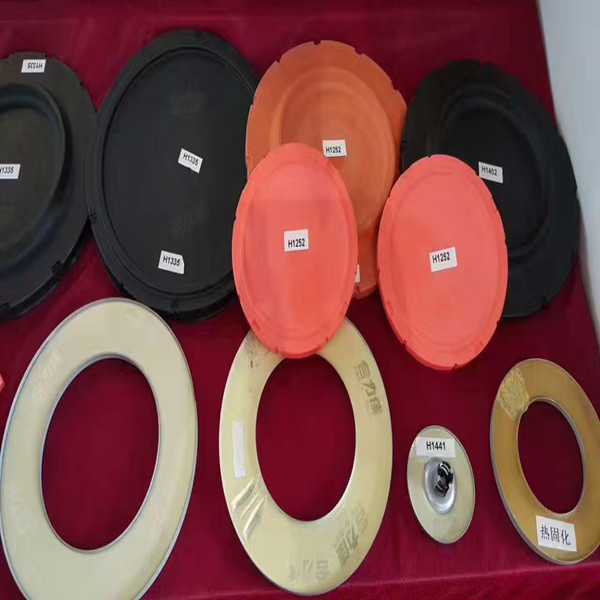
In the most straightforward terms, a pu filter plastic mould is a precision tool used to shape polyurethane (PU) into the exact filter parts needed — whether that’s the housing frame, seals, or even finer porous components. Polyurethane itself is a versatile polymer notable for its elasticity, resistance to abrasion, and chemical stability. This type of mould allows for injection or compression moulding techniques that transform raw PU into components that fit tight tolerances required for filtration efficiency.
On the humanitarian side, such moulds help produce filters used in clean water projects, emergency air purification, and medical-grade filters that can save lives. So, they’re not just industrial cogs but part of a bigger, global effort toward safer, healthier living environments.
Core Components of PU Filter Plastic Moulds
1. Precision Engineering
The mould’s design must account for shrinkage rates of PU materials and complex part geometries. A tiny miscalculation can result in poor sealing or air leakage, defeating the filter’s purpose.
2. Durability & Material Compatibility
Because PU can vary in rigidity and chemical profile, moulds are often made from high-grade steel or aluminum alloys treated to withstand erosion, repeated heat cycles, and corrosive agents.
3. Scalability and Flexibility
Modern mold designs must enable rapid production scale-up or adaptation for different filter sizes or shapes — no one-size-fits-all here.
4. Cost Efficiency
Optimizing mould design reduces material waste, cycle time, and maintenance costs, keeping final filter products competitively priced.
5. Ease of Maintenance
Quick disassembly and cleaning options minimize downtime during production shifts, which many manufacturers find critical.
6. Integration with Automation
Today’s moulds often incorporate channels and sensors for real-time temperature and pressure monitoring, dovetailing with Industry 4.0 standards.
Mini takeaway: The reliability and precision of PU filter plastic moulds underpin not only product quality but also operational cost, making them a strategic asset rather than just a manufacturing tool.
How PU Filter Plastic Moulds Are Used Worldwide
From manufacturing hubs in East Asia to emerging markets in Eastern Europe and rapid industrial zones in North America, PU filter plastic moulds play a vital role. In automotive factories, they form cabin air filter frames that improve driver health by trapping dust and pollutants. In healthcare sectors, they're used to produce sterile parts for medical ventilators and oxygen masks.
In humanitarian efforts, NGOs rely on water filtration units made using parts from PU moulds to provide safe drinking water after natural disasters — trust me, the speed and durability here are a lifesaver literally. Even remote industrial plants find them useful for custom-designed filters tailored to unique contaminants.
| Feature | Specification |
|---|---|
| Material | High-grade tool steel (H13), or aluminum for prototypes |
| Precision Tolerance | ±0.05 mm typical |
| Mould Type | Injection mould / compression mould |
| Surface Finish | Polished, matte, or textured as per filter design |
| Maximum Production Volume | Up to 500,000 units per mould (depends on maintenance) |
Mini takeaway: The specs underline how industrial standards and practicalities blend — precision with scalability, and material strength with maintainability.
Why Choose PU Filter Plastic Moulds? The Advantages in Focus
- Cost-Effectiveness: Despite an initial tooling investment, the durability and speed of production bring down per-unit costs notably.
- Sustainability: PU materials and moulding processes can be optimized to reduce waste; plus, many filters are recyclable or biodegradable.
- Reliability: High precision moulds mean fewer rejects, fewer breakdowns, and better-performing products.
- Social Impact: Better filters mean healthier environments and lives saved — emotionally rewarding for manufacturers contributing to global health.
- Innovation Ready: The moulds support rapid prototyping and product improvements, fueling ongoing advancement.
Looking Ahead: Innovations Shaping PU Filter Plastic Mould Technology
In real terms, the future feels like it’s going to be all about sustainability intertwined with smart manufacturing. Think bio-based PU materials that reduce petrochemical dependency while maintaining durability. Digital twins and AI-enabled simulations are increasingly used to design moulds with far fewer trial runs, reducing costs and speeding time to market.
Automation is also a game changer. IoT sensors embedded in moulds allow predictive maintenance — no more sudden downtime ruining production schedules. And policies pushing environmental compliance are driving filter innovations that rely on precise moulding to meet strict emissions targets.
Common Challenges and Expert Solutions
Of course, it’s not all smooth molding. PU filter plastic moulds can suffer from wear due to chemical exposure, requiring frequent reconditioning. Complex geometries might cause uneven filling or trapped air pockets, impacting product quality.
Experts recommend advanced coatings to extend mould life and iterative CAD simulations to refine gate locations and venting. Also, partnering with experienced tooling engineers is key — which is why many brands choose vendors who combine in-house design and materials expertise.
| Vendor | Material Expertise | Customization | Turnaround Time | Price Range |
|---|---|---|---|---|
| MouldTech Pro | Advanced PU & hybrid polymers | High | 4–6 weeks | $$$ |
| ClearMould Ltd. | Standard PU | Medium | 3–5 weeks | $$ |
| FlexiMould Solutions | Eco-friendly PU blends | High | 6–8 weeks | $$$ |
FAQ: Common Questions About PU Filter Plastic Mould
Q1: What makes PU filter plastic moulds better than traditional metal moulds for filters?
A1: PU filter plastic moulds offer enhanced flexibility and durability specific to polyurethane components. They allow for tighter tolerances and quicker cycle times than some traditional moulds, reducing production costs and improving filter quality. Plus, they handle chemical exposures better in many cases.
Q2: How long does a typical pu filter plastic mould last?
A2: Depending on maintenance, material used, and production scale, PU filter plastic moulds can last from hundreds of thousands up to half a million cycles. Proper coating and cleaning routines significantly extend life.
Q3: Can these moulds be customized for different filter sizes and shapes?
A3: Absolutely. One of the main advantages of pu filter plastic moulds is their adaptability. Vendors often offer rapid prototyping and design modifications to meet various industrial and humanitarian filtration needs.
Q4: Are there environmentally friendly options for PU filter plastic moulds?
A4: Yes, recent innovations include eco-friendly PU blends and bio-based materials compatible with existing mould technologies, supporting green manufacturing goals.
Q5: How do manufacturers import these moulds internationally without issues?
A5: Compliance with international shipping regulations, proper documentation, and working with trusted logistics partners ensures smooth import/export processes for PU filter plastic moulds.
Wrapping Up: Why PU Filter Plastic Moulds Are Worth the Investment
From what I’ve seen and heard from engineers on the ground, investing in PU filter plastic moulds is more than just another manufacturing cost — it’s a strategic move that pays dividends across product quality, operational efficiency, and market competitiveness. Whether you’re producing filters for cars, clean water, or medical devices, these moulds bridge the gap between innovation and practicality.
Feel free to explore further and connect with specialists who can tailor solutions for your needs. For more details, visit pu filter plastic mould suppliers and industry insights.
References
Post time: Dec-01-2025