What Is a Filter Mould and Why It Matters Worldwide
Filter moulds might not be the flashiest topic, but they quietly hold a pivotal role in a vast array of industries. At their simplest, filter moulds are precision-engineered molds used to shape various filter media that clean liquids or gases. If you think about everyday essentials—clean drinking water, air purification, or even the fuel that powers industries—filter moulds are used to make the vital components that keep these processes smooth and safe.
Globally, the demand for reliable filtration is soaring. According to the International Organization for Standardization (ISO) and UN climate goals, industries are shifting focus toward sustainability and environmental protection. Filter moulds help offer precise and economical solutions enabling better filtration, which reduces contaminants and waste. Understanding filter moulds means appreciating a piece of the machinery behind global efforts to safeguard health, industrial efficiency, and even humanitarian aid.
The Global Context and Challenges of Filter Mould Use
Filter moulds aren’t just a niche industrial curiosity — they respond to pressing global challenges such as water scarcity and pollution. The World Bank suggests that over 2 billion people live without safe drinking water, a number that calls for innovations in water filtration. In manufacturing, improper filtration can cause costly equipment failure and environmental damage.
One tough challenge is balancing precision with cost-efficiency. Many developing regions need filter moulds that enable affordable, durable filters without sacrificing quality—something the industry is working hard to improve. Filters made with these moulds must work across variable environments, from South Asia’s monsoon-hit villages to North America’s sophisticated chemical plants.
Defining the Filter Mould: Simplicity in Complexity
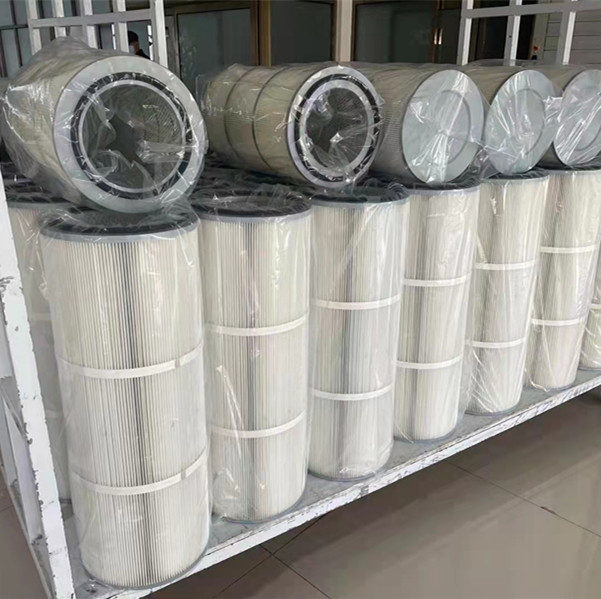
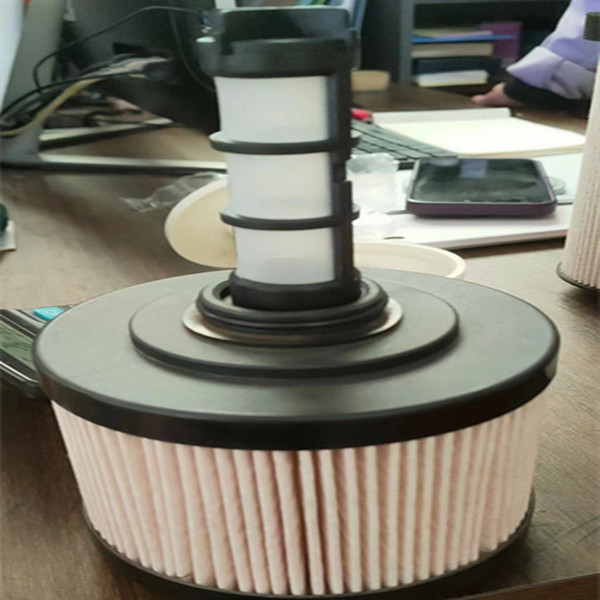
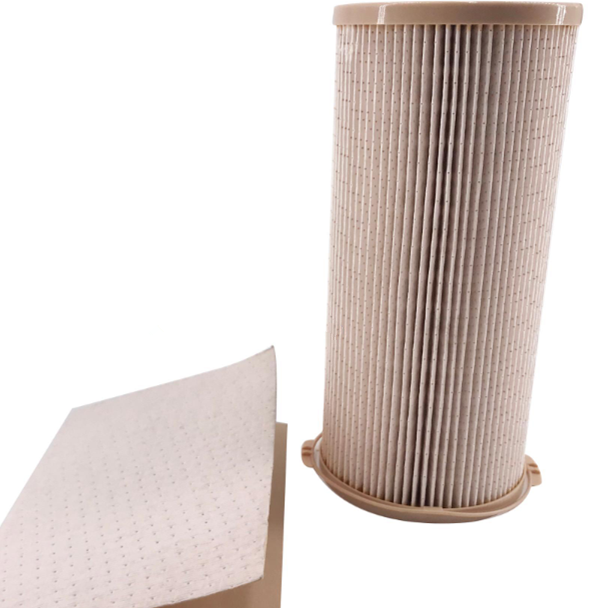
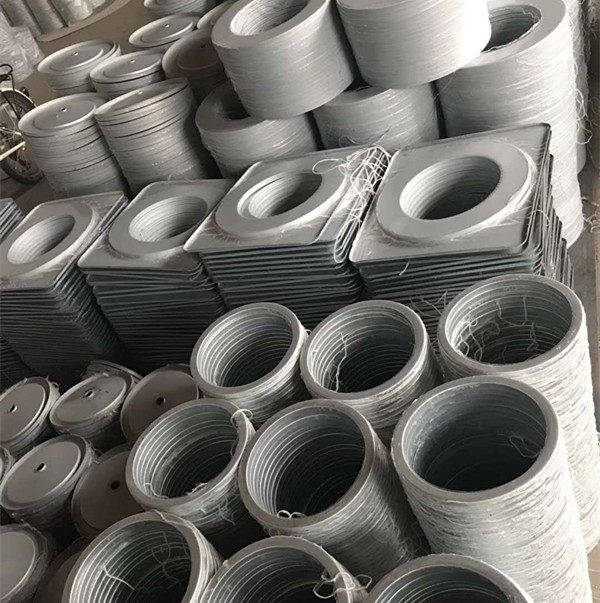
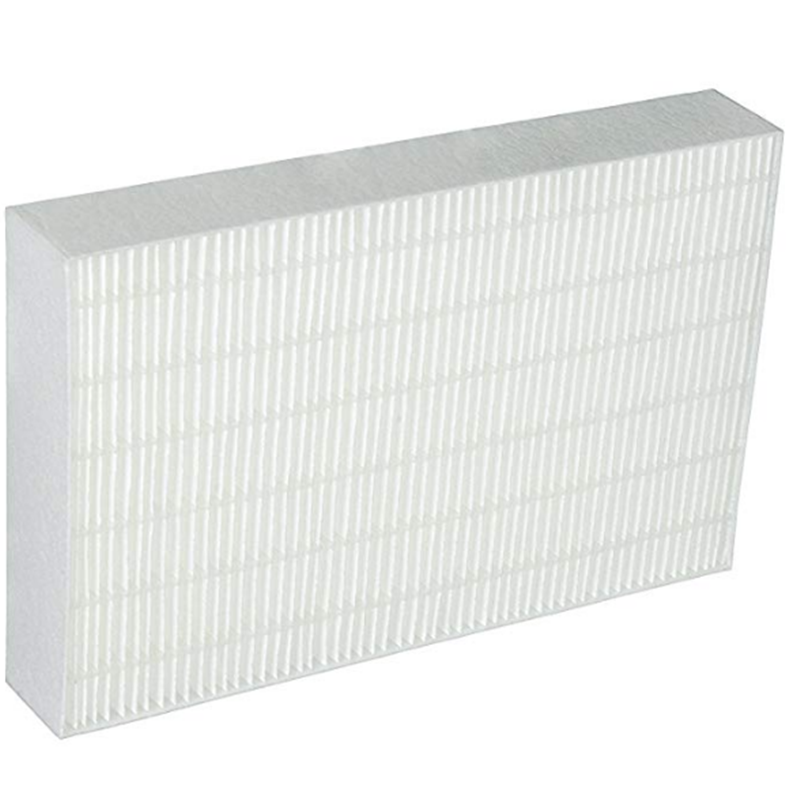
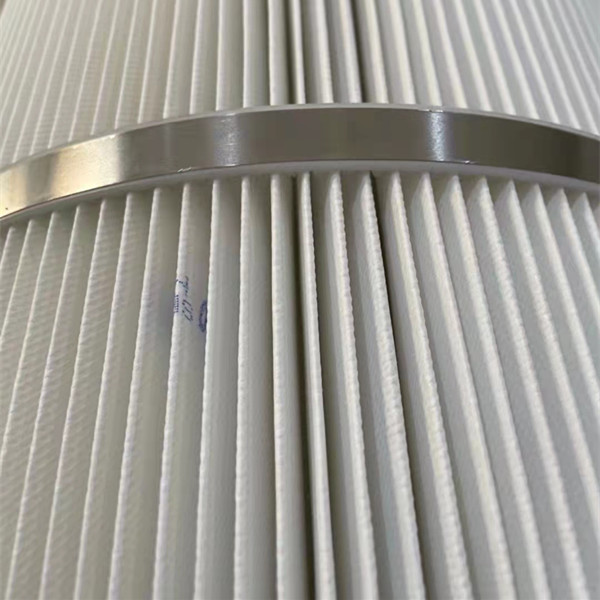
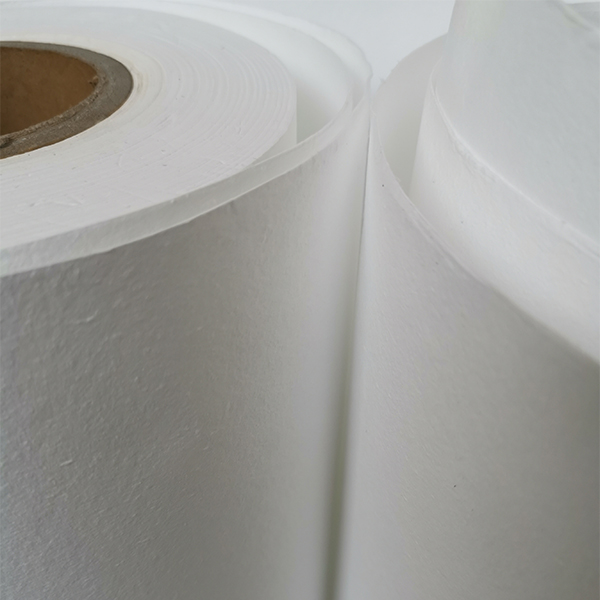
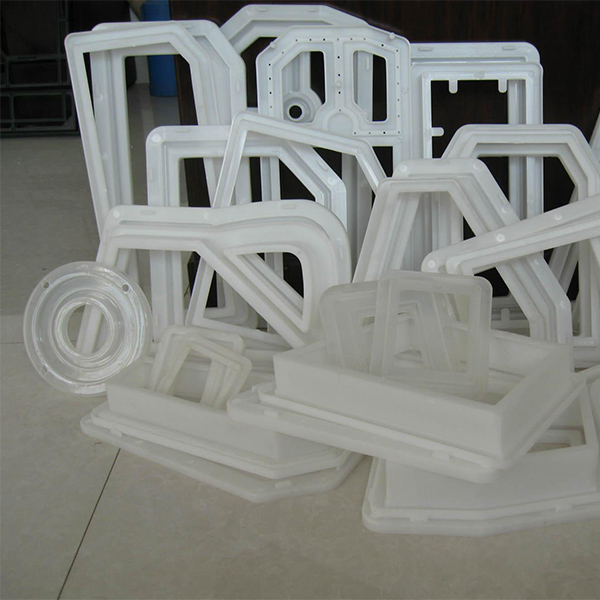
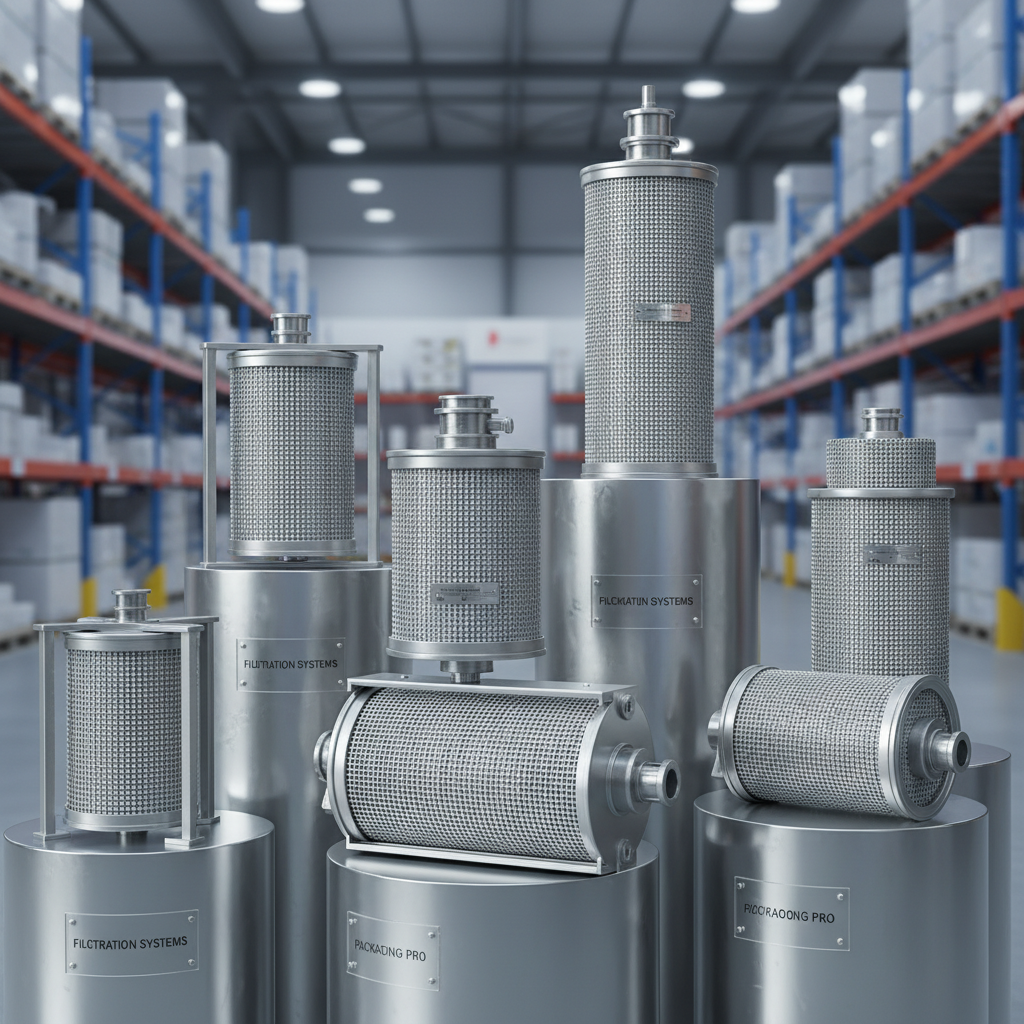
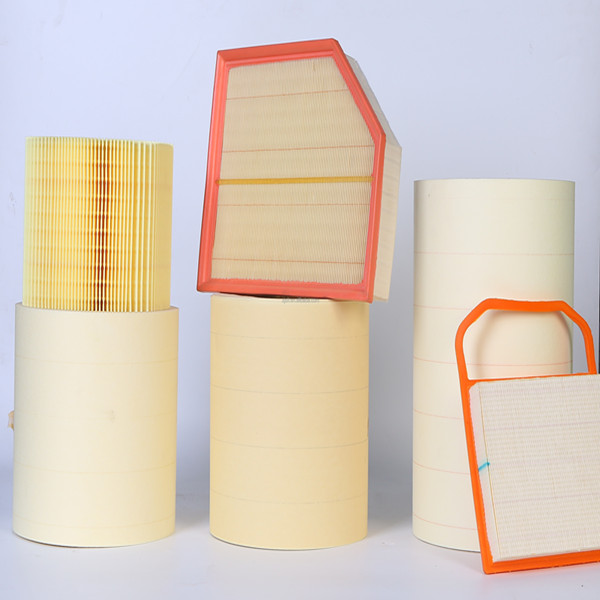
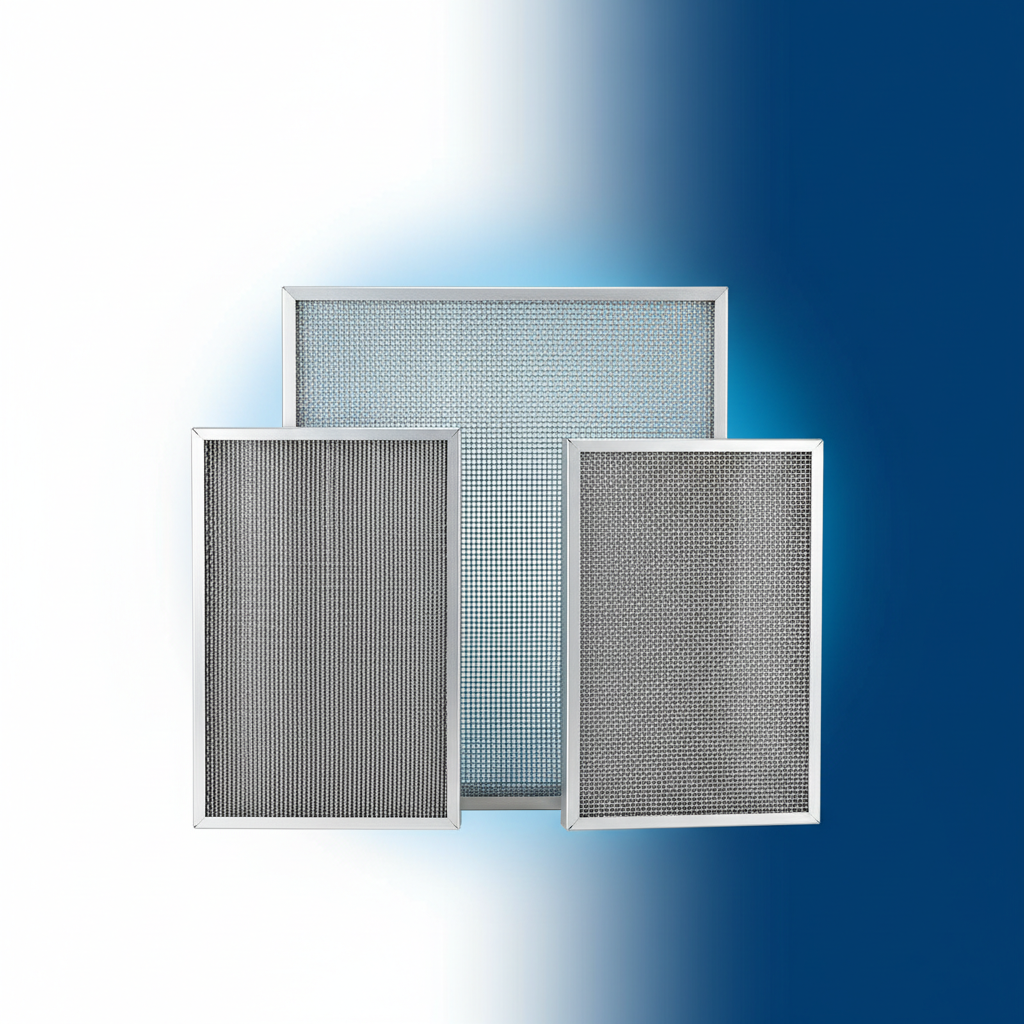
At its heart, a filter mould is a tool, usually crafted from high-grade steel or aluminum, designed to shape and form filter components like membranes, cartridges, or pleated filters. The mould must handle materials like synthetic fibers, paper, or polymer composites. This compatibility is essential because it influences the filter’s performance in removing impurities.
Filter moulds connect deeply with industries ranging from water treatment to automotive engines, and even life-saving humanitarian equipment—think portable water filters distributed in disaster zones.
Key Components Involved
- Raw material compatibility
- Precision design for consistent pore sizes
- Durability for long production runs
- Ease of cleaning and maintenance
- Scalability to shift from prototypes to mass production
Core Factors Shaping Effective Filter Moulds
Durability
Filter moulds endure repeated pressure, heat, and chemical exposure, so materials like hardened steel, coated alloys, or even ceramics are used. Durability means less downtime and lower maintenance, factors that manufacturers prize.
Precision
Filters rely on exact pore sizes to trap contaminants effectively. The mould’s design must ensure consistent pores, because a small variance can mean a lot in filtration performance. Oddly enough, even tiny imperfections matter hugely here.
Cost Efficiency
The cost of making moulds and producing filters influences prices, especially in emerging markets. Manufacturers often look at quick changeover times, multi-purpose moulds, or lower-cost materials to bring costs down.
Customization & Flexibility
Not every filter is the same, so moulds often have to be adaptable to different sizes, pleat depths, or materials—a challenge involving practical engineering.
Environmental Compliance
Today’s moulds need to support green manufacturing processes with minimal waste and energy use. The rise of eco-regulations worldwide means mould designs are shifting accordingly.
Typical Filter Mould Specifications
| Specification | Typical Values | Notes |
|---|---|---|
| Material | Hardened Steel / Aluminum | Depends on volume & durability needs |
| Weight | 5-15 kg | Varies by mould size & complexity |
| Pore size tolerance | ± 0.5 microns | Crucial for filtration accuracy |
| Cycle Time | 30-90 seconds | Depends on mould design & material |
| Max Temperature | 200°C | Related to use with heat-set polymers |
Real-World Applications: How Filter Moulds Make a Difference
Filter moulds underpin manufacturing across water purification systems, pharmaceuticals, automotive filters, and HVAC (heating, ventilation, air conditioning). For example, in Southeast Asia, local firms use custom filter moulds to produce affordable water filters that combat contamination outbreaks.
In industrial contexts—say, North American petrochemical plants—precision filter moulds enable the creation of filters that withstand extreme chemical loads, protecting workers and the environment.
Humanitarian organizations use advanced filtration units, often created with filter mould technologies, to supply clean water in post-disaster settings. These filters not only save lives but restore dignity and trust in fragile situations.
Vendor Comparison: Choosing the Right Filter Mould Supplier
| Vendor | Lead Time | Material Options | Customization | Sustainability Credentials |
|---|---|---|---|---|
| MouldSolutions Inc. | 4-6 weeks | Steel, Aluminum | High (custom designs) | ISO 14001 certified |
| EcoFilter Moulds | 6-8 weeks | Recycled steel options | Medium | Focus on sustainable materials |
| RapidShape | 2-3 weeks | Aluminum only | Low (limited designs) | No formal certification |
The Many Advantages and Long-Term Value of Filter Moulds
Investing in quality filter moulds creates a ripple of benefits. First off, precision saves money by reducing defective filters and downtime. Over time, filters made with well-designed moulds last longer and contribute to sustainability goals by lowering waste.
There’s also an emotional element: industries that deliver safe air and water build trust with users—something that can’t be measured in spreadsheets. NGOs distributing filters created from these moulds often report greater user satisfaction, a vital piece of humanitarian impact.
The Future: What’s Next for Filter Mould Technology?
Looking ahead, innovations in green materials—bioplastics, recycled metals—and automation promise to shake up filter mould manufacturing. Digitally programmable moulds could allow on-demand customization, even onsite in remote areas. Imagine disaster relief teams printing precise filter mould components within hours!
Environmental regulations will push suppliers to minimize carbon footprints, potentially incorporating carbon-neutral materials or energy-efficient production methods. Does it feel like we’re inching toward a more circular economy in the world of filter moulds? I think so.
Challenges and Solutions in Using Filter Moulds
Despite all the progress, challenges remain. High upfront costs can deter smaller manufacturers, and not all materials are equally recyclable. Another common headache is mould wear and tear; replacing them quickly affects schedules and budgets.
Here, innovations such as modular mould elements, wear-resistant coatings, and leasing models are gaining ground. Manufacturers are also embracing predictive maintenance powered by sensor tech to avoid surprises.
FAQ: Quick Answers About Filter Moulds
- Q: How do I choose the right filter mould for my application?
A: Consider your filter material, required precision, production volume, and durability needs. Working with a vendor familiar with your industry can make a huge difference. - Q: Are filter moulds customizable for different shapes?
A: Yes, most suppliers offer customization options to fit various filter sizes and pleat profiles, but complexity can affect cost and lead time. - Q: How long does a typical filter mould last?
A: With proper maintenance, steel moulds last years under regular production, though wear depends on materials and cycle speeds. - Q: Can filter moulds be made with sustainable materials?
A: Increasingly yes. Some vendors use recycled metals and environmentally friendly coatings, supporting greener manufacturing processes. - Q: How does a filter mould impact filtration effectiveness?
A: It directly affects pore size consistency and filter uniformity, which are critical for performance and reliability.
Conclusion: Investing in Filter Moulds for a Cleaner Future
To put it simply: filter moulds power the creation of filters that safeguard our health, environment, and industries. Their precision, durability, and adaptability mean better products, cost savings, and long-lasting impacts. Whether you’re an engineer designing a new water filter or part of a humanitarian group sourcing critical equipment, understanding these moulds enhances your approach.
For those ready to explore custom solutions or understand how filter mould technology could help your projects, I highly recommend starting at filter mould. It’s where innovation, quality, and sustainability meet.
References:
1. Wikipedia: Filter (Materials)
2. ISO 14001 Environmental Management
3. World Bank – Safe Drinking Water Access
Post time: Dec-01-2025