The Essential Role of Filter PU Glue in Modern Industrial Solutions
Filter PU glue might initially sound like just another industrial adhesive, but it’s actually a pretty vital player behind the scenes in filtration technology — a sector that touches everything from clean water to automotive air systems. Globally, as regulatory pressures mount to reduce pollution and improve safety standards, understanding how the right adhesives contribute to better filters isn’t just jargon; it’s a smart move for manufacturers and engineers aiming to stay ahead.
With countries signing on to ISO standards for air and liquid filtration and the UN emphasizing clean water access as a sustainable development goal, the demand for durable, effective filter components has surged. That’s where filter PU glue comes in — acting as the binding hero that holds filters together, ensuring performance and longevity.
Why Filter PU Glue Matters Globally
In real terms, filtration systems need to handle harsh environments, extreme temperatures, and constant pressure. Filter PU glue is specially engineered polyurethane adhesive that bonds filter media without compromising air or liquid flow. According to the ISO 16890 standards for air filters, adhesive integrity is critical, meaning your glue isn’t just “sticky stuff”; it’s an enabler of efficiency and safety.
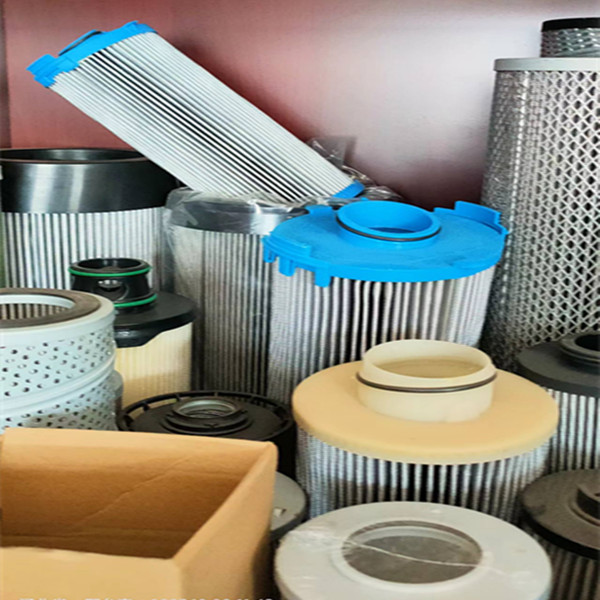
For example, in urban centers with heavy air pollution, the automotive and HVAC industries rely almost entirely on filters glued with high-quality PU adhesives for cabin safety and energy-efficient ventilation. Similarly, water treatment facilities in drought-prone regions use filters that must not fail under pressure, and here, the right glue directly affects reliability.
Defining Filter PU Glue in Plain Terms
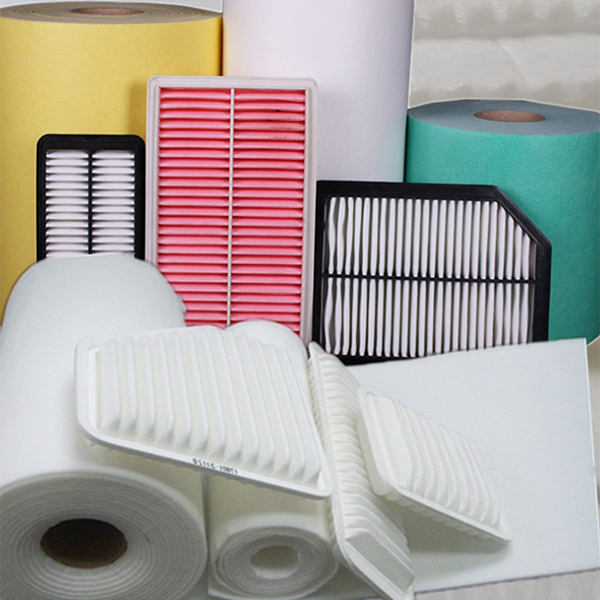
Simply put, filter PU glue is a polyurethane-based adhesive designed specifically for bonding filtration materials — papers, textiles, foams, and even metallic meshes. Unlike general adhesives, it must maintain adhesion without degrading or altering the filtration media’s porosity.
Think of it as the subtle superhero that doesn’t get messy or block air and fluids, but holds every layer just right. Without it, filters could peel apart, leak unfiltered contaminants, or simply fail their purpose.
Core Components That Define Filter PU Glue Quality
1. Durability
Filter PU glue needs impressive chemical and mechanical resistance — serving reliably over years despite temperature swings and exposure to oils or solvents.
2. Flexibility
Filters often flex or vibrate in operation. The glue maintains bonds without cracking, accommodating movements without losing grip.
3. Non-toxicity
Especially critical in food, medical, or HVAC applications — the glue components must be non-toxic and comply with safety standards like REACH or FDA.
4. Fast Curing Time
Manufacturing efficiency depends on adhesives that set quickly without compromising strength. Many PU glues now cure within minutes under controlled conditions.
5. Environmental Resistance
Exposure to moisture and UV light is common, so the glue needs excellent resistance to degradation from these elements.
6. Bonding Versatility
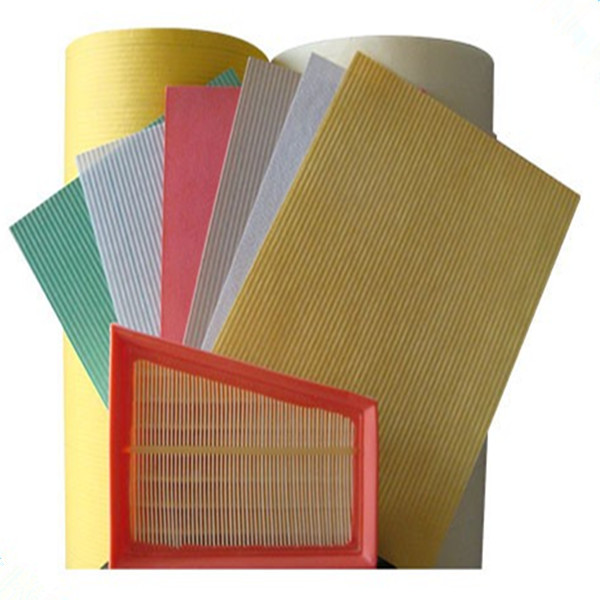
It should adhere to diverse filter media — cotton, polyester, fiberglass — making it broadly useful across industries.
Mini takeaway: All these factors combine to make filter PU glue a tailored glue, not just any adhesive. Its specs matter deeply for the final product's integrity.
Global Applications: Where Does This Glue Do Its Job?
- Automotive Manufacturing: Cabin air filters and engine air intakes are glued using PU adhesives to ensure clean air and engine efficiency.
- HVAC Systems: Commercial buildings worldwide use filters that must maintain airtight seals, preventing pollutant leaks.
- Water Filtration Plants: Polyurethane glue helps fix filter layers in municipal water treatment, especially vital in water-stressed areas.
- Industrial Dust Collection: Factories handling powders and chemicals rely on glued filters to keep air safe for workers.
- Medical and Food Sectors: Filters in sterile environments need adhesives that meet health standards.
Oddly enough, in some earthquake-prone regions, rapid-deploy filtration units tied together with filter PU glue help maintain safe air quality in shelters — a small but meaningful example of technology adapting to humanitarian needs.
Advantages and Long-Term Value of Using Filter PU Glue
The benefits are both tangible and subtle. From a financial angle, investing in quality PU adhesives reduces filter replacement frequency and downtime. In sustainability terms, durable filters mean less waste. Many manufacturers now seek bio-based PU glues, reflecting a wider green push that aligns with circular economy goals.
Plus, there’s a real emotional connection — reliable filtration protects lives, workers, drivers, kids with asthma, and much more. In other words, it builds trust between the technology maker and the end-user.
Filter PU Glue Specifications at a Glance
| Specification | Typical Value | Importance |
|---|---|---|
| Viscosity (mPa·s) | 4000–7000 | Optimal flow for application |
| Curing Time (min) | 5–15 | Improves manufacturing speed |
| Tensile Strength (MPa) | 2.5–5.0 | Key for bond durability |
| Temperature Resistance (°C) | -30 to 120 | Operational range |
| Elongation (%) | 300–600 | Flexibility to prevent cracking |
Comparing Leading Vendors of Filter PU Glue
| Vendor | Curing Time | Eco-Friendly Options | Industries Served | Bulk Pricing |
|---|---|---|---|---|
| PolyBond Corp. | ~10 min | Yes | Automotive, HVAC, Food | Available |
| GlueTech Industries | 5–8 min | No | Water Filtration, Dust Collection | Available |
| EnviroSeal Solutions | ~15 min | Yes (Bio-based) | Medical, Food, Consumer Appliances | Limited |
Future Trends: Innovations in Filter PU Glue
The adhesive world never sleeps. Frankly, we’re seeing a push toward greener chemistries, like bio-based polyurethanes and solvent-free formulas that limit VOC emissions. Some labs are developing PU glues that cure via UV light, shaving production time drastically. Imagine that — faster lines, less energy, better environmental profiles. It feels like a small revolution quietly underway.
Plus, the rise of smart materials means filter adhesives could soon incorporate sensor capabilities to indicate wear or performance — a neat blend of chemical engineering and IoT.
Challenges and How Industry is Tackling Them
Of course, not everything is a walk in the park. One common issue is maintaining optimal glue performance when switching between filter substrates — differences in porosity and texture require tweaks in formulations. Engineers say adhesive compatibility testing is a must, but it adds cost and time.
Supply chain disruptions have also hit raw material availability recently, nudging some manufacturers toward local sourcing or alternative chemistries. It’s a tightrope, balancing cost, quality, and sustainability.
FAQ: What You Want to Know About Filter PU Glue
- Q: How critical is curing time in filter PU glue selection?
- A: Very important! Faster curing means quicker production cycles and less energy consumption, but it mustn’t sacrifice bond strength. Most applications find a balance around 5-15 minutes curing time.
- Q: Can filter PU glue harm the filtration efficiency?
- A: If poorly applied or of low quality, yes — it can block filter pores or degrade media. Quality PU glues are formulated to avoid this while maintaining strong bonds.
- Q: Are there eco-friendly alternatives to traditional PU glues?
- A: Yes, many vendors now offer bio-based or solvent-free options reducing VOCs and environmental impact without compromising performance.
- Q: How do I test filter PU glue compatibility with my materials?
- A: Conduct adhesion tests under typical operating conditions, including stress, temperature, and moisture exposure. Many vendors provide small samples for trial.
- Q: Where can I find suppliers of filter PU glue?
- A: Specialized industrial adhesive suppliers, some with global distribution networks, serve this niche. Visit industry-focused platforms like filter pu glue suppliers for curated options.
Wrapping Up: Why Filter PU Glue Matters Now More Than Ever
In the grand scheme, filter PU glue might fly under the radar, but its role is obvious once you know where to look: it holds together the filters that keep air breathable, water safe, and machines running smoothly. With rising sustainability goals and tougher industry standards, the demand for robust, eco-conscious adhesives is a growth story worth watching.
For those in automotive, HVAC, water treatment, or medical sectors, moving toward trusted filter PU glue suppliers means less downtime, safer products, and, frankly, a bit more peace of mind.
Explore more about innovative filtering solutions and trusted materials at filter pu glue central — your next step in building smarter, safer filtration products.
References:
Post time: Dec-01-2025