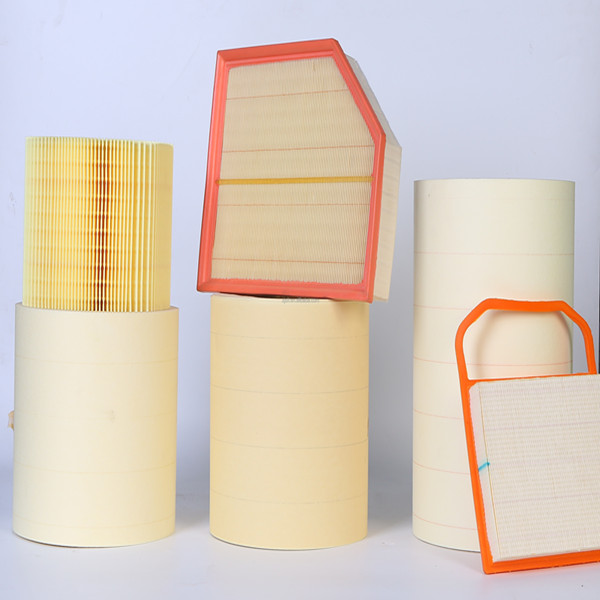
Understanding Oil Filter Caps: Importance, Uses, and Industry Insights
Oil filter caps might not be the flashiest automotive or industrial components out there, but their role is quietly crucial. For anyone working in machinery maintenance, automotive repairs, or industrial equipment, grasping the nuances of oil filter caps can save time and money – not to mention help prevent costly breakdowns. Globally, as machinery becomes more sophisticated and environmental regulations tighten, having the right oil filter caps ensures better equipment health, operational safety, and less environmental risk.
Global Industry Context
Worldwide, the machinery and automotive sectors rely heavily on lubrication systems to keep engines and hydraulic systems humming. According to the International Organization for Standardization (ISO), standards for oil filtration and sealing components like oil filter caps have tightened over the years to improve efficiency and reduce emissions. It’s no surprise that, in emerging markets where industrial modernization is booming, demand for durable and reliable oil filter caps is surging.
Industry analysts report that over 3 million vehicles and machines undergo routine oil filtration maintenance daily. One major challenge? Poorly designed or ill-fitting oil filter caps can lead to leaks, contaminant ingress, and eventual engine failure – not to mention environmental spills. Thus, engineering these components to precise standards is more than just a technical detail; it’s a matter impacting global operational sustainability.
Mini takeaway: Oil filter caps play a vital yet often overlooked role in global machinery care, supporting safer, cleaner, and more efficient operations worldwide.
What Are Oil Filter Caps?
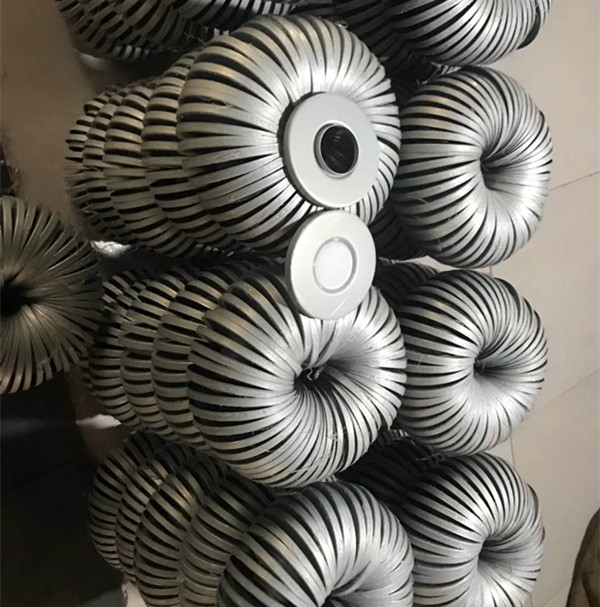
Put simply, oil filter caps are protective covers that securely seal the oil filter housing on engines, heavy equipment, or industrial machinery. They maintain pressure within the oil filtration system while preventing dirt, dust, and moisture from entering. Without properly functioning caps, the filtration process falters—leading to premature wear or catastrophic failures.
Think of them as the unsung gatekeepers of the lubrication world. In humanitarian and industrial settings alike, reliable oil filter caps ensure equipment keeps running during prolonged operations—whether in remote mining sites or disaster relief supply chains.
Mini takeaway: Oil filter caps are small but essential components that ensure the proper functioning of oil filtration systems in diverse environments.
Key Factors to Consider in Oil Filter Caps
1. Durability
Oil filter caps must withstand harsh conditions—think extreme temperatures, vibrations, and chemical exposures. High-grade materials such as aluminum alloys or reinforced plastics are common, providing long life and resistance to corrosion.
2. Compatibility
Since engines and machines come in diverse makes and models, caps need to match precisely. Thread size, gasket materials, and sealing pressure all matter to ensure a leak-free fit.
3. Cost Efficiency
Finding a balance between budget and quality is crucial. While premium materials raise upfront costs, they often lower total lifecycle expenses by reducing maintenance frequency and downtime.
4. Environmental Resilience
Increasingly, oil filter caps integrate designs that minimize environmental impact—such as recyclable materials or secondary sealing features that prevent oils from leaking into ecosystems.
5. Ease of Replacement
Engineers and technicians value caps that are simple to remove and reinstall, sometimes equipped with ergonomic grips or quick-release mechanisms.
| Specification | Typical Range | Notes |
|---|---|---|
| Material | Aluminum, Steel, Reinforced Plastic | Depends on application environment |
| Thread Size | M20 x 1.5, M22 x 1.5, Others | Matches oil filter housing |
| Sealing Type | Nitrile rubber gasket, Viton gasket | Chemical and temp resistance varies |
| Operating Temp | -40°C to 130°C | Application-specific limits |
| Weight | 50 - 150 grams | Affected by material choice |
Global Applications and Use Cases of Oil Filter Caps
Oil filter caps serve across sectors and regions:
- Automotive manufacturing and repair: Standard in passenger cars, trucks, and commercial vehicles worldwide.
- Industrial equipment: Heavy machinery in manufacturing plants and factories, for instance in the US Midwest and Germany’s industrial zones.
- Mining and energy sectors: Remote locations such as African mines or offshore oil rigs rely on robust oil filtration components for continuous operation.
- Humanitarian aid and disaster relief: In field generators and transport vehicles used by organizations like the United Nations Office for the Coordination of Humanitarian Affairs (OCHA), oil filter caps ensure machinery remains mission-ready.
For example, during the 2020 hurricane season, several emergency response vehicles in the Caribbean benefited from upgraded oil filter caps that decreased maintenance downtime, helping expedite relief delivery.
Mini takeaway: The necessity of dependable oil filter caps spans borders and industries, underpinning critical operations from urban centers to remote expeditions.
Advantages and Long-Term Value of Quality Oil Filter Caps
The benefits are straightforward but impactful:
- Prevent leaks and contamination: This protects engine integrity and the environment.
- Reduce maintenance frequency: Leading to lower operating costs.
- Increase system reliability: Enhancing trust for operators and stakeholders.
- Promote sustainability: By using recyclable materials and reducing oil waste.
Emotionally, operators feel safer knowing their equipment is protected; logically, companies can forecast fewer repairs and less downtime—saving money and hassle. Innovation in oil filter cap design often aligns with improving worker dignity, ensuring the tools they rely on won’t unexpectedly fail.
Future Trends and Innovations
Technology is moving toward smart oil filter caps equipped with sensors that monitor pressure and temperature, sending real-time data to maintenance teams. This goes hand in hand with digital transformation in industrial IoT (Internet of Things).
Material science also advances the use of more sustainable and lighter compounds, while policy pushes encourage the use of recyclable components to meet stricter environmental standards outlined by bodies like the UN Environment Programme.
Oddly enough, automation in manufacturing processes allows companies to produce these caps with tighter tolerances and greater reliability — so the future definitely looks “smarter” and greener.
Challenges and Solutions
Common issues include improper fit, gasket wear, and material fatigue. These often cause oil leaks or accelerated wear.
Expert technicians recommend choosing caps with proven compatibility and swapping gaskets during oil changes. Newer designs incorporating enhanced sealing technologies or composite materials can extend service life significantly.
FAQ: Frequently Asked Questions About Oil Filter Caps
- Q: How do I know which oil filter cap fits my vehicle or machine?
A: Always check your manufacturer’s specifications. Thread size and gasket type must match exactly. Consulting product guides or manufacturers’ websites helps avoid mismatches. - Q: Can damaged oil filter caps cause engine problems?
A: Yes, a cracked or loose cap may lead to oil leaks and contamination ingress, which can damage engine components and reduce performance. - Q: Are there eco-friendly options for oil filter caps?
A: Absolutely. Some manufacturers use recyclable materials or biodegradable gaskets, aligning with sustainability goals without compromising durability. - Q: How often should oil filter caps be replaced?
A: Generally, inspect caps at each oil change and replace if there are signs of wear, cracking, or gasket degradation to maintain optimal sealing.
Vendor Comparison Table
| Vendor | Material Quality | Product Range | Price | Customer Support |
|---|---|---|---|---|
| Anyafilter Media | Premium aluminum and plastics | Extensive, including custom options | Mid to high range | 24/7 multilingual support |
| CapMaster Co. | Standard plastic composites | Moderate range | Budget-friendly | Standard business hours only |
| SealTech Ltd. | High-grade steel alloys | Limited to industrial lines | Premium pricing | Dedicated technical team |
Conclusion & Call to Action
All in all, oil filter caps might seem like minor technical details, but their impact is anything but small. From protecting engines to reducing environmental footprints, they offer long-term value, cost savings, and operational peace of mind. As you consider your next equipment upgrade or maintenance cycle, it pays to choose caps that blend durability, precision, and sustainability.
For more on advanced oil filter caps and industry-leading options, visit our website. Stay informed, stay efficient, and keep your machinery in top shape!
Final thought: Small parts can often make the biggest difference — oil filter caps are proof.
Post time: Dec-01-2025