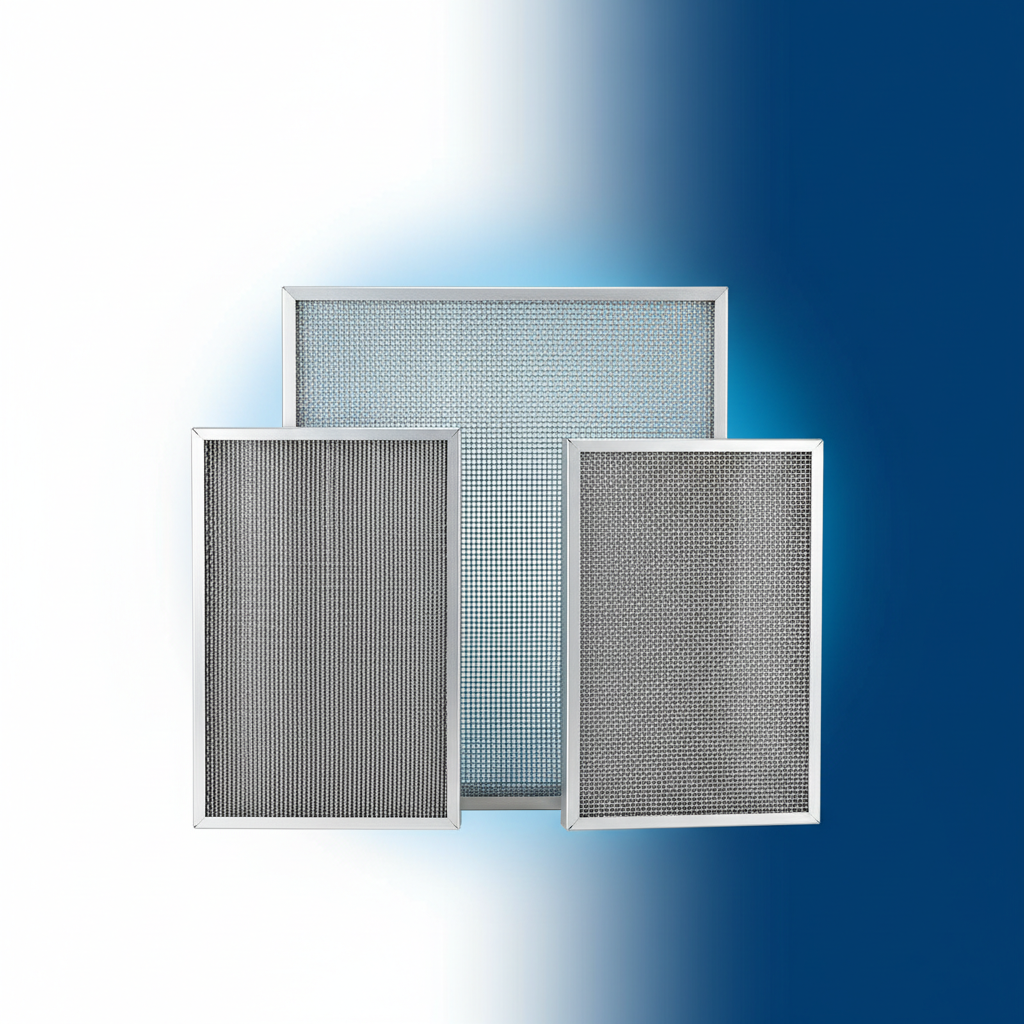
Understanding Filter Mesh Cap Wire Mesh Filter Cap: Why It Matters Globally
In a world increasingly dependent on precise filtration technology, the filter mesh cap wire mesh filter cap might not be the flashiest part of industrial or environmental systems — but it’s definitely one of the most indispensable. Essentially, these components play a pivotal role in ensuring that fluids and gases flow clean and uncontaminated, vital not only for manufacturing efficiency but for global health and safety. Understanding these small but mighty devices unlocks insights into water treatment, air purification, and even humanitarian relief efforts across the world.
Introduction: The Global Role of Filter Mesh Caps
Across industries, from chemical processing to municipal water plants, efficient filtering mechanisms contribute to meeting worldwide standards for safety and environmental protection. For instance, the ISO 16890 standard on air filtration indirectly spotlights how critical well-designed filter mesh caps are. The World Bank estimates that over 2 billion people globally still lack access to safe drinking water — a challenge no filter cap alone can solve, but certainly one where reliable filtration hardware makes a tangible contribution. Whether it’s filtering out particulate matter in air or debris in water systems, these caps confront challenges like clogging, durability, and maintenance downtime.
What Is a Filter Mesh Cap Wire Mesh Filter Cap?
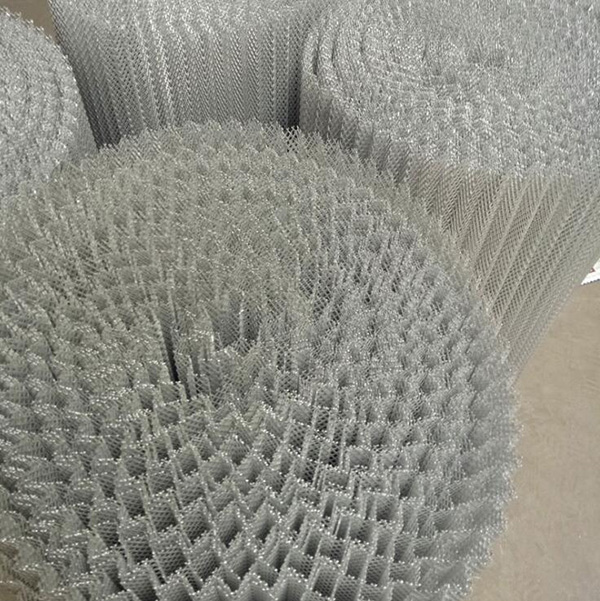
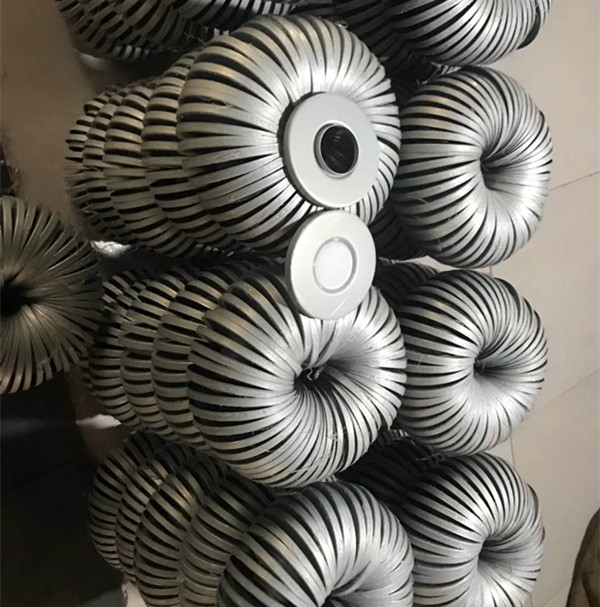
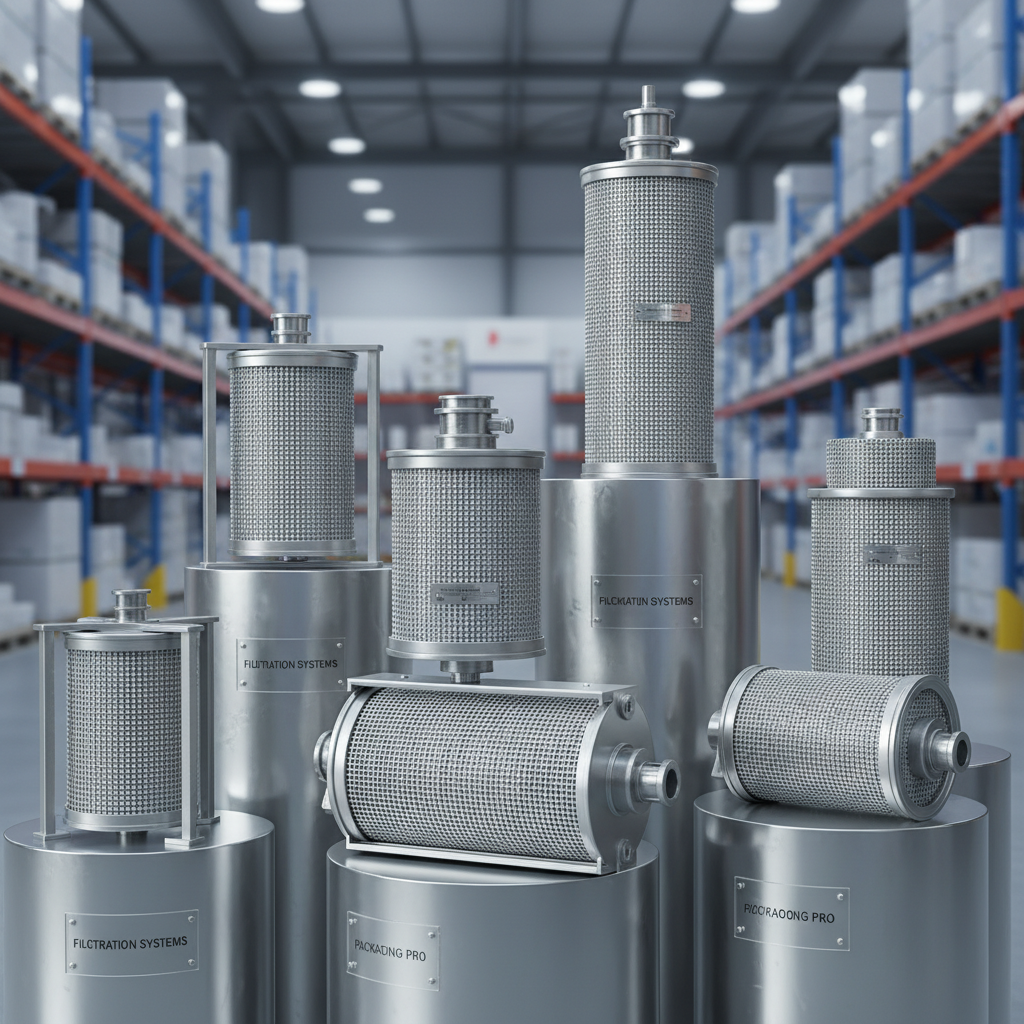
Put simply, a filter mesh cap wire mesh filter cap is a protective and functional component made typically from stainless steel or other corrosion-resistant metals. Think of it as a finely woven mesh “hat” that covers piping or system entries where solid particles must be kept out. This small screen acts as the first line of defense, preventing damage, contamination, or system inefficiency downstream. Because it’s wire mesh, it’s reusable, rugged, and suited for industrial filtration systems, HVAC units, and even humanitarian water purification kits.
Key Aspects of Filter Mesh Caps
1. Durability
Because these caps often face harsh environments — corrosive liquids, fluctuating temperatures, and mechanical abrasion — material choice is big. Stainless steel 304 and 316 grades are favorites, offering resistance to rust and chemical attack. Durability directly improves lifespan and reduces replacement frequency.
2. Filtration Precision
Mesh sizes vary, often expressed in microns. Finer meshes trap smaller particles but may clog faster; coarser ones reduce flow resistance but let through bigger debris. Choosing the right mesh size is a balancing act that impacts process yields.
3. Scalability
From small-scale lab applications to massive water treatment plants, filter mesh caps can be custom-sized and adapted. Modular designs help operators replace or upgrade components with minimal downtime, important when managing critical systems.
4. Cost Efficiency
Compared to alternative filters, wire mesh caps can be cleaned and reused, lowering long-term operational costs. Especially in remote or disaster-stricken areas, the ability to maintain filtration hardware without complex consumables is invaluable.
Practical Specs of a Typical Wire Mesh Filter Cap
| Specification | Details |
|---|---|
| Material | Stainless Steel 304 / 316 |
| Mesh Size Range | 20 - 500 Microns |
| Diameter Options | 1 inch to 12 inches+ |
| Temperature Resistance | Up to 500°C (depending on metal grade) |
| Typical Applications | Water & Oil Filtration, Air Filtration, Chemical Processing |
Comparing Top Vendors in the Industry
| Vendor | Material Quality | Customization | Lead Time | Price Range |
|---|---|---|---|---|
| Anya Filter Media | Premium 316 SS | High, made-to-order | 2-4 weeks | Mid-range |
| Global Mesh Corp | Standard 304 SS | Limited options | 4-6 weeks | Economical |
| Prime Wire Mesh | 316L SS | Moderate | 3-5 weeks | Higher-end |
Global Applications & Use Cases
You might be surprised by how widely filter mesh caps appear — and frankly, their impact often goes unseen. In post-disaster relief operations, for example, clean water provision hinges on robust filtering that can handle debris and contaminants as quickly as aid arrives. Humanitarian organizations frequently rely on filter mesh cap wire mesh filter cap solutions customized to balance protection with quick cleaning.
Industrial sectors also count heavily on these caps, including oil and gas, where particulate filtration prevents costly system failures. In remote industrial zones in places like Southeast Asia and Eastern Europe, having a filtration component that withstands dusty, corrosive environments and can be serviced locally is critical. Even HVAC systems in large urban centers use wire mesh filter caps to improve air quality and extend equipment lifespan.
Mini takeaway: These caps aren’t just “parts” — they’re quietly crucial, acting as gatekeepers for cleaner water, cleaner air, and safer industrial processes.
Advantages & Long-Term Value
- Cost Savings: Fewer replacements and easier cleaning mean less downtime and lower operational costs.
- Sustainability: Reusable wire mesh reduces waste compared to disposable filters.
- Reliability: Robust design ensures consistent filtration even under tough conditions.
- Trust & Safety: Protects both machinery and people by keeping contaminants out.
On a human level, there’s something reassuring about hardware that “just works,” especially in critical environments. The dignity of providing safe water or clean air depends on these humble caps functioning as intended. Plus, they open doors to innovation — since technology advances, the basic need for protective filtration remains constant.
Future Trends & Innovations
The future of filter mesh caps lies at the intersection of materials science and digital monitoring. Research into advanced stainless alloys and coated meshes promises even greater corrosion resistance and self-cleaning surfaces. Oddly enough, some vendors are integrating IoT sensors directly into housing that holds the mesh caps, making it easier to monitor clogging or damage in real time.
Environmental policies push greener production methods too — so expect to see filter mesh caps made from sustainable alloys or even hybrid composites. Automation of maintenance, such as robotic mesh cleaners, seems like a logical next step, especially for large-scale water plants.
Challenges & Practical Solutions
Despite their strengths, filter mesh caps face issues like clogging, especially when mesh sizes are too fine for operational contexts. Some operators struggle to strike the right balance, resulting in shorter filter life or increased pressure drops in pipelines. Customization and thorough material testing can address these problems.
Additionally, supply chain delays or lack of local production can delay replacements in remote areas — a problem mitigated by vendors offering standardized sizing and modular designs for easier swaps. Technical training for operators on cleaning and maintenance also extends the mesh cap's useful lifespan.
FAQ: Your Questions on Filter Mesh Caps Answered
- Q: How often should a wire mesh filter cap be cleaned?
A: Cleaning frequency depends on usage and environmental conditions, but a general rule is inspecting monthly and cleaning when noticeable clogging occurs to maintain optimal flow. - Q: Are stainless steel mesh caps compatible with all chemical types?
A: Stainless steel 316 offers strong corrosion resistance against many chemicals, but highly reactive acids may require specialized materials. Confirm compatibility with your supplier. - Q: Can filter mesh caps be customized for unusual sizes or shapes?
A: Yes, many manufacturers including Anya Filter Media offer custom fabrication to fit specific system requirements. - Q: What are the environmental benefits of using wire mesh caps over disposable filters?
A: Wire mesh caps are reusable and durable, reducing filter waste and the environmental impact of frequent replacements compared to disposable solutions. - Q: How do I ensure my filter mesh cap matches my system’s filtration needs?
A: Consult with experienced vendors, provide data on particle size and fluid chemistry, and consider onsite testing to choose the optimal mesh size and material.
Conclusion: The Quiet Power of Filter Mesh Caps
While they might not grab headlines, filter mesh cap wire mesh filter caps underpin a vast array of industrial, environmental, and humanitarian systems worldwide. They combine durability, adaptability, and efficiency to solve filtration challenges that affect millions — or billions — of lives. Whether reducing system downtime, improving water quality, or supporting disaster relief, these small components carry big responsibilities.
For those interested in reliable, customized filtration solutions, explore options at Anya Filter Media, your trusted industry partner.
Takeaway: In the quiet meshes of these filter caps lies a world of cleaner, safer futures, a reminder that sometimes the smallest parts hold the greatest impact.
Post time: Dec-02-2025