Understanding Filter Caps: Small Components with a Big Impact
If you've ever paused to wonder how industries keep fluids pure, equipment safe, or processes running smoothly, filter caps play an unexpectedly vital role. At first glance, they’re humble devices, but globally, they guard against contamination, optimize machinery lifespan, and often make the difference between downtime and seamless operation.
In an increasingly complex industrial and environmental landscape, grasping the importance of filter caps isn’t just for engineers or product designers — it’s crucial for anyone involved in manufacturing, humanitarian efforts, or environmental management. Why? Because these small parts can actually save costs, improve safety, and boost sustainability efforts on a grand scale.
Global Context: Why Filter Caps Matter Everyday (and Everywhere)
Worldwide, industries are under pressure to become greener and more efficient. According to the International Standards Organization (ISO), filtration technology growth is expected to hit over 5% per year globally through 2030. Much of this growth ties directly to innovations in components like filter caps that protect and support machinery and processes.
Take a moment to consider this: The UN Environment Programme highlights that water contamination affects over 2 billion people globally. Filter caps, especially in water filtration systems, are frontline warriors preventing pollutants from creeping into drinking supplies. Similarly, manufacturing hubs across Asia, Europe, and North America rely on these caps to safeguard chemical processes, preventing costly damages or environmental disasters.
Challenges like pollution, resource scarcity, and the need for sustainable production emphasize the urgent necessity of reliable filtration solutions — and that’s where the effectiveness of filter caps shines.
Mini Takeaway:
- Filter caps are integral to global filtration systems combating pollution and contamination.
- Industries worldwide rely on them for environmental compliance and operational safety.
What Exactly Are Filter Caps?
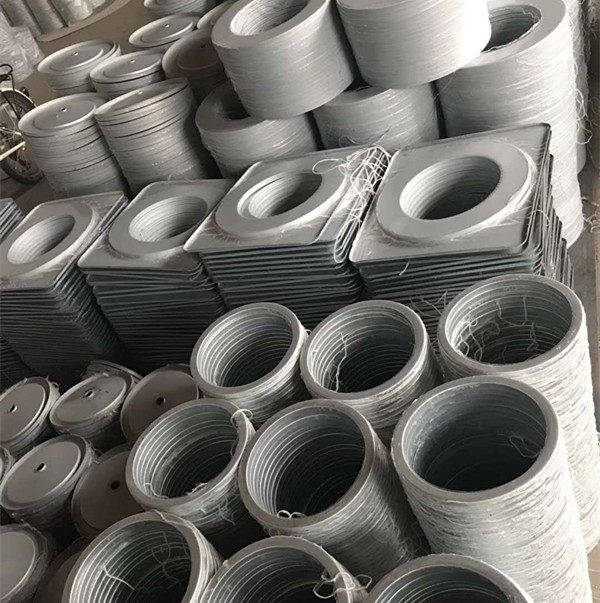
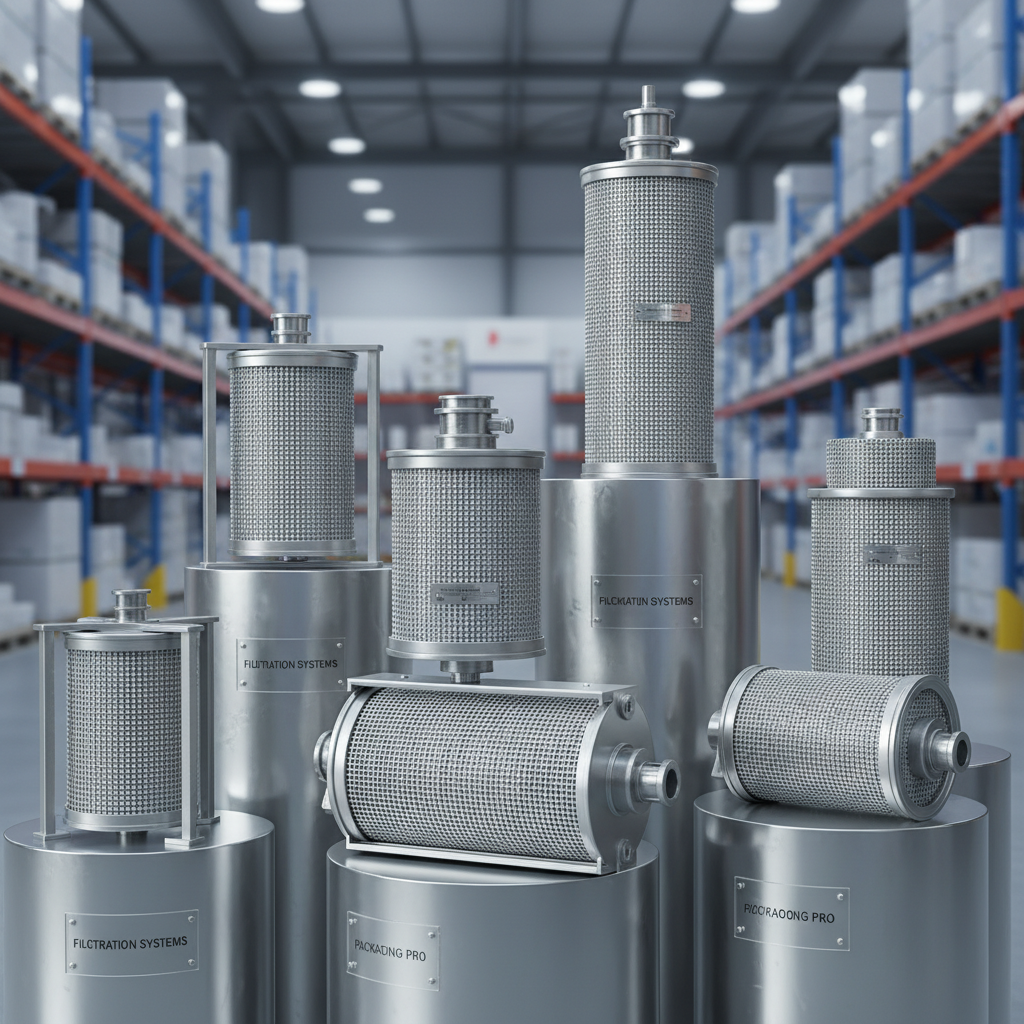
Simply put, filter caps are protective components attached to filters or filtration devices that regulate fluid flow and prevent the ingress of contaminants. They often serve as a barrier — physically, chemically, or mechanically — to make sure only the cleanest medium passes through.
In industry terms, they’re the last line of defense on a filter assembly, sealing spaces, stabilizing filters, or holding filtration media in place. The technology and materials behind filter caps vary depending on application: some are rigid plastic or metal, others incorporate advanced materials like PTFE or silicone for harsh environments.
Filter caps connect deeply to modern industrial and humanitarian needs. In humanitarian water treatment, they guarantee that emergency filtration units remain safe and operational in difficult conditions. In manufacturing, they drastically cut downtime and maintenance costs.
Mini Takeaway:
- Filter caps are components designed to protect filtration systems and ensure clean fluid passage.
- The exact design depends on the environment — from potable water to harsh chemical exposure.
Core Components of Filter Caps: What Makes a Good One?
1. Durability
If you’re deploying filter caps in heavy machinery or in harsh environments, durability isn’t just nice to have — it’s critical. Caps made from stainless steel or reinforced polymers stand up to temperature fluctuations and chemical exposure. Oddly enough, many engineers say it’s this toughness that often determines the system’s total lifespan.
2. Compatibility
The filter cap must work seamlessly with the filter media and the existing system. This means pressure tolerances, size, and chemical resistance have to be spot on. Mismatched components can cause leaks or failures that lead to costly downtime.
3. Cost Efficiency
Balancing cost and performance is key, especially for large-scale operations. Filter caps that provide reliable function without excessive price tags create more value over time — in maintenance savings and operational reliability.
4. Ease of Installation and Maintenance
Quick setup and straightforward maintenance mean less downtime. Many modern filter caps feature snap-fit designs or surfaces that resist fouling, simplifying routine tasks.
5. Sustainability
With a growing focus on eco-friendly manufacturing, filter caps made from recyclable or biodegradable materials are gaining traction. They align well with corporate responsibility goals and environmental regulations.
Mini Takeaway:
- Durability, compatibility, and cost are core for effective filter cap design.
- User-friendly features and sustainable materials are rising trends.
Real-World Applications of Filter Caps
The practical deployment of filter caps spans a remarkable range of settings. Here are a few notable examples:
- Post-disaster relief: Emergency water filtration kits rely on filter caps to sustain clean water access under challenging conditions.
- Industrial manufacturing: Factories worldwide integrate filter caps in chemical and food processing lines to uphold stringent quality standards.
- Oil and gas sectors: Offshore rigs use specialized caps that withstand pressure and corrosive environments, protecting filtration systems crucial for safe operations.
- Healthcare: Medical devices, including those for respiratory treatments, depend on fine filter caps to safeguard patient safety.
- Remote mining operations: Where maintenance crew access is limited, rugged filter caps reduce filtration failures, promoting steady production.
Mini Takeaway:
- Filter caps are indispensable across humanitarian, industrial, and healthcare sectors.
- Customized designs allow adaptation to very specialized or harsh contexts.
Filter Cap Specifications at a Glance
| Specification | Typical Value | Notes |
|---|---|---|
| Material | Polypropylene, Stainless Steel, PTFE | Depends on chemical & temperature resistance needed |
| Operating Pressure | Up to 16 bar | High-pressure industrial use cases |
| Temperature Range | -20°C to +120°C | Suitability varies by material |
| Connection Types | Threaded, Snap-fit, Flanged | Adaptable to multiple systems |
| Lifespan | 1–3 years | Maintenance affects longevity significantly |
Comparing Leading Filter Cap Vendors
| Vendor | Material Options | Price Range (per 100 units) | Customization | Lead Time |
|---|---|---|---|---|
| PureSeal Inc. | Polypropylene, PTFE | $800 - $1,200 | Sizes, Thread types, Color | 2-4 weeks |
| MetalGuard Solutions | Stainless Steel, Aluminum | $1,200 - $1,800 | Material finishing, Pressure rating | 3-5 weeks |
| EcoCap Manufacturing | Biodegradable polymers | $900 - $1,300 | Custom eco-material blends | 4-6 weeks |
Advantages and the Long-Term Value of Filter Caps
When you think about investing in filter caps, you’re really looking at a tool for cost control and reliability. Their ability to prevent impurities from damaging expensive machinery means less unexpected downtime, fewer replacements, and safer working environments — which lights a very big bulb for managers juggling budgets and industry standards.
On the environmental front, well-made filter caps contribute to less waste and promote sustainability. Some manufacturers now use recycled or biodegradable materials, so operators can feel good about cutting their environmental footprint without compromising performance. This is especially comforting in healthcare or humanitarian settings, where safety and dignity depend on consistently clean supplies.
And honestly, those little caps inspire quite a bit of trust by shielding filtration from rough conditions. It’s comforting to know that a small piece of well-engineered tech can keep entire plants and people safe.
Emerging Trends & Innovations in Filter Caps
Moving forward, the filter cap industry is shifting toward smarter designs and greener materials. Nanotechnology, for example, is beginning to influence filter cap surfaces, reducing microbial growth and improving contamination resistance.
Also, additive manufacturing (3D printing) allows for rapid prototyping and customization, meaning companies can tailor filter caps more easily to specific industrial demands. This agility makes installation quicker and less error-prone.
In terms of sustainability, bioplastics and recycled composites are gaining traction, offering similar durability but with a smaller carbon footprint. Some policies from international standards bodies now even encourage manufacturers to prove environmental compliance, which bodes well for innovation in this space.
Challenges Facing Filter Caps—and How to Tackle Them
No product is without its caveats, and filter caps have their own set. One common issue is balancing chemical resistance with cost. For example, stainless steel caps resist corrosion but tend to be pricier and heavier than plastic alternatives.
Another challenge is ensuring long-term seal integrity in fluctuating temperatures or high pressures, where fitment might degrade over time. Innovative sealing compounds and design changes — like double-lip seals or integrated gaskets — are helping, but the user must maintain equipment too.
Finally, supply chain disruptions can delay delivery of custom caps, especially in large-scale industrial projects. Diversifying suppliers and keeping safety stock is key to minimize risk.
FAQ: Your Filter Caps Questions Answered
- Q: What materials are filter caps commonly made of, and how do I choose?
- A: Filter caps can be made from plastics like polypropylene, metals such as stainless steel, or specialized materials like PTFE. Your choice depends largely on the chemical exposure, temperature requirements, and mechanical stress of your application.
- Q: How often should filter caps be replaced in industrial machinery?
- It varies by use, but generally every 1 to 3 years is standard. Regular inspections for wear, cracks, or corrosion help ensure the caps don’t compromise filtration integrity.
- Q: Can filter caps be customized for unusual filtration systems?
- Absolutely. Many manufacturers offer custom sizes, materials, and connection types. Using 3D printing or modular designs, customized caps can be produced to meet niche requirements efficiently.
- Q: Are filter caps recyclable or environmentally friendly?
- Many modern filter caps are designed with sustainability in mind, made from recyclable plastics or biodegradable materials. Always check with your vendor about recycling options and certifications.
- Q: How do I integrate filter caps into emergency water filtration kits?
- Filter caps in emergency kits must be lightweight, durable, and simple to install. They ensure the filtrate is protected from secondary contamination and that the filter media is secured tightly. Look for quick snap-fit designs in these setups.
Conclusion: The Small Cap with Big Promise
Filter caps often go unnoticed, quietly doing the job of ensuring clean fluids, protected machines, and sustained production worldwide. Their significance spans from fragile humanitarian relief operations to the roaring engines of industrial plants.
For anyone involved in equipment design, water purification, or supply chain management, understanding filter caps’ capabilities—and investing wisely—opens paths to greater reliability, safety, and sustainability.
If you’re keen to explore more about filter caps and how they can optimize your operations, don’t hesitate to visit our site. Sometimes, the smallest parts make the biggest difference.
Quick Final Thought
It feels almost poetic — these tiny filter caps acting as guardians of purity and productivity, a reminder that sometimes the tiniest detail holds the greatest significance.
References
Post time: Dec-01-2025