Non Woven Air Filter Material: A Comprehensive Guide
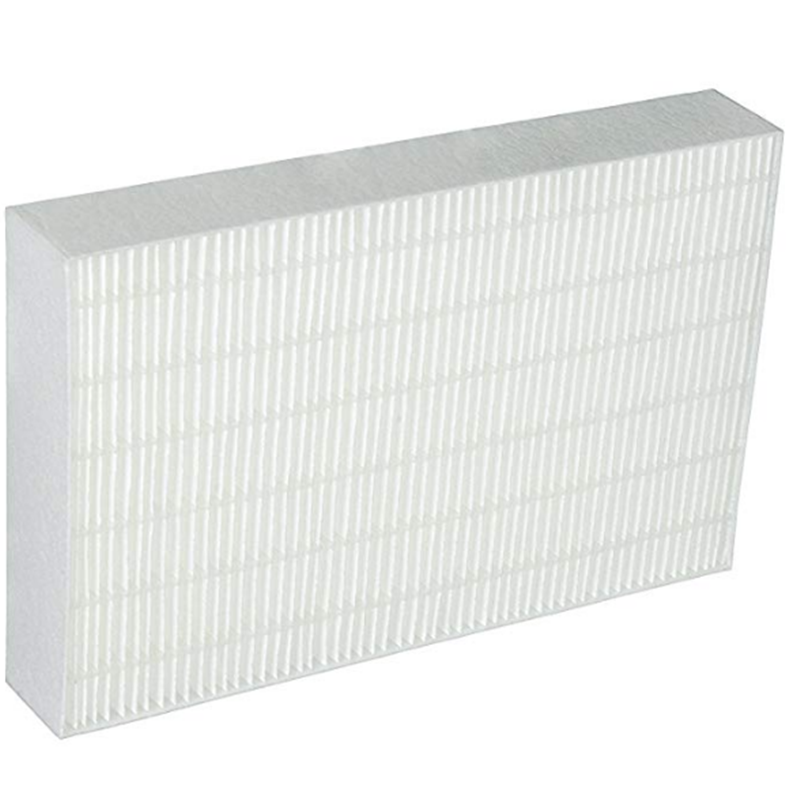
In today's world, clean air is essential for health, industrial processes, and environmental protection. Non woven air filter material plays a crucial role in achieving this, serving as a vital component in various filtration systems. This article will explore the properties, applications, benefits, and types of non woven filter media, offering a comprehensive understanding for professionals and those seeking cleaner air solutions. Choosing the right filter material is paramount to ensuring optimal performance and protecting valuable equipment and human health.
Understanding Non Woven Air Filter Material
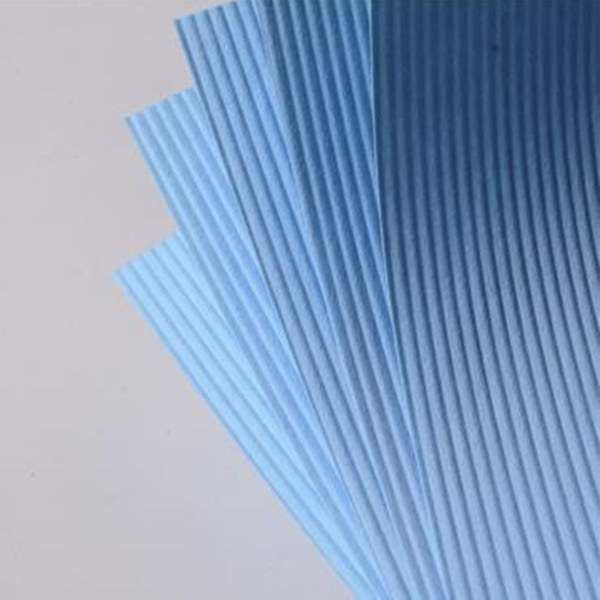
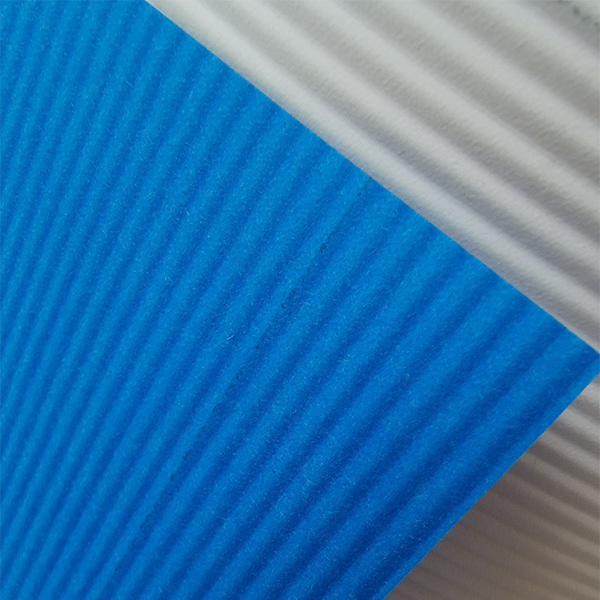
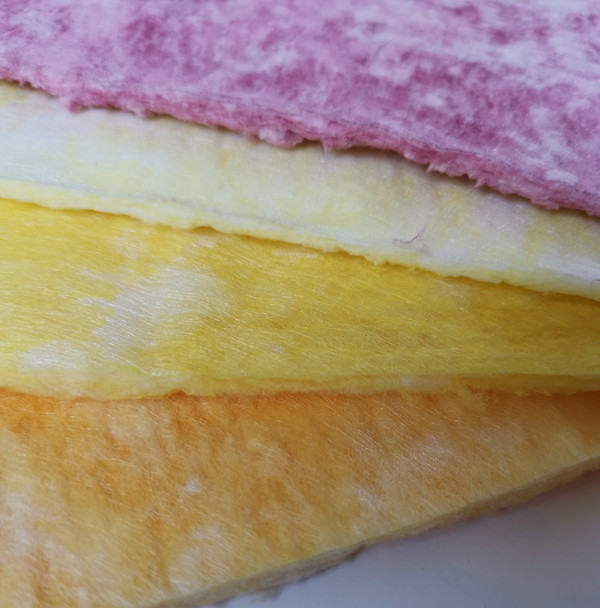
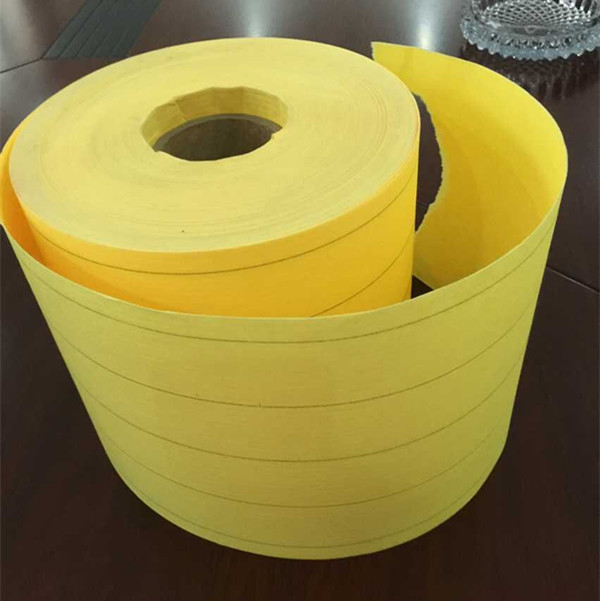
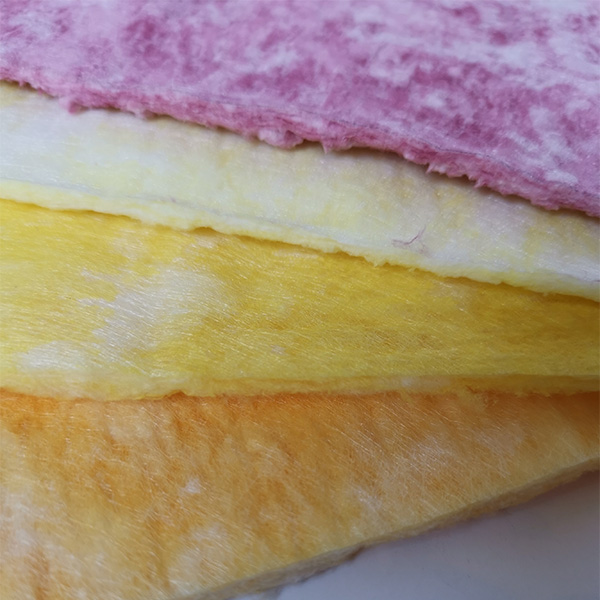
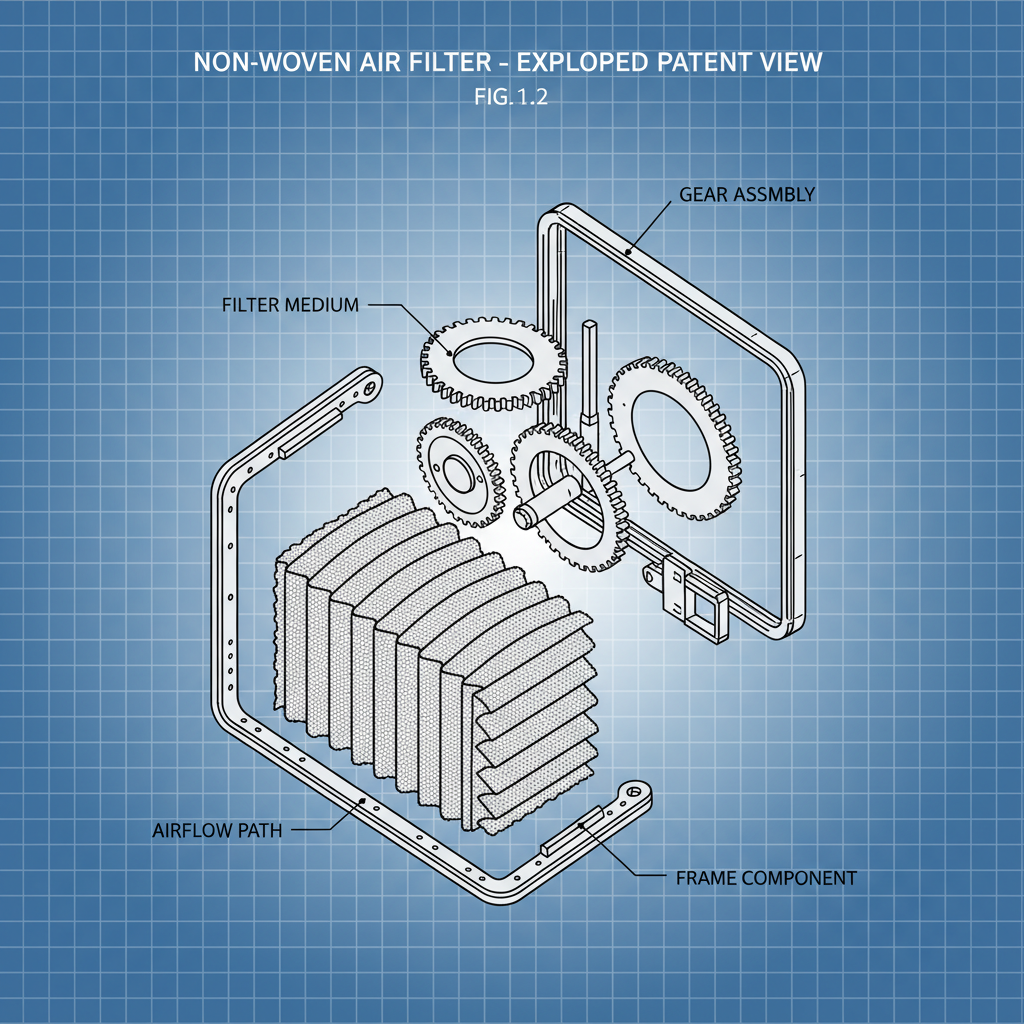
Non woven filter materials are created from fibers bonded together using mechanical, chemical, thermal, or solvent processes. Unlike woven fabrics, they don't require knitting or weaving. This production method results in a material with a unique, random fiber orientation, which provides exceptional filtration capabilities. The key advantage lies in their ability to capture particles of varying sizes, making them ideal for diverse applications. Their porous structure allows for high airflow with minimal resistance. Anya Filter Media specializes in producing high-quality non woven filter materials tailored to specific industrial and environmental needs.
Key Properties of Non Woven Air Filter Materials
Several key properties define the effectiveness of non woven air filter materials. These include: Air Permeability (the rate at which air passes through the material), Dust Holding Capacity (the amount of particulate matter the filter can retain), Efficiency (the percentage of particles captured), Moisture Resistance, and Temperature Stability. The specific combination of these properties depends on the fiber type (polypropylene, polyester, etc.) and the manufacturing process. Different applications require different balances of these characteristics, and Anya Filter Media offers a wide range of materials to meet these varied needs.
Key Benefits: Cost-effective, lightweight, high efficiency, customizable, and versatile.
Types of Non Woven Air Filter Material and Their Applications
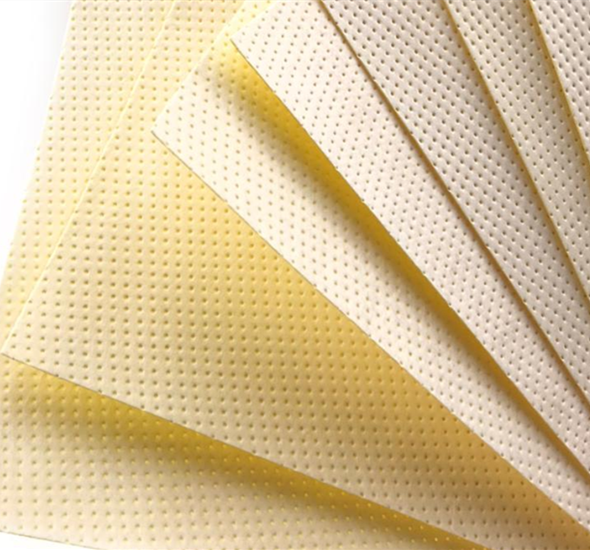
There are several types of non woven filter materials, each suited for different applications. Spunbond polypropylene is widely used in general air filtration, HVAC systems, and pre-filters. Meltblown polypropylene provides excellent fine particle filtration and is commonly found in respirators and medical masks. Needle-punched fabrics offer high dust holding capacity and are ideal for industrial applications. Composite media combines different layers to achieve optimal performance. Understanding these differences is crucial for selecting the right material for your specific filtration requirements.
Common Applications:
• HVAC Systems
• Automotive Cabin Filters
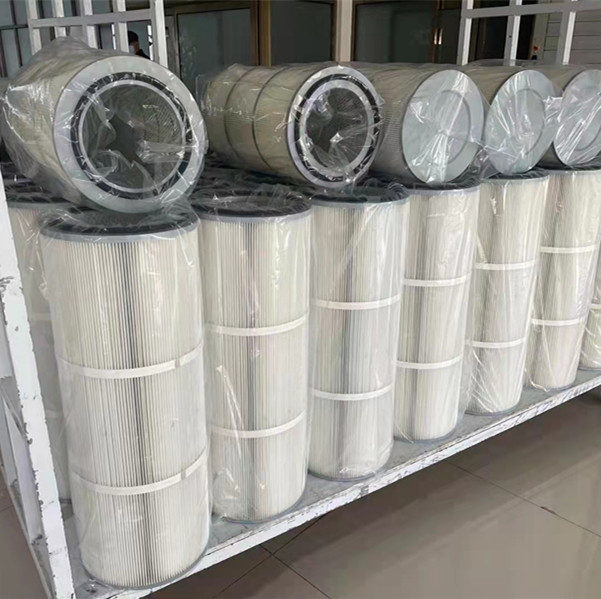
• Industrial Dust Collection
• Respirators & Medical Masks
Comparing Non Woven Filter Materials: Performance & Cost
Selecting the right non woven air filter material involves balancing performance and cost. Here's a comparison of common materials:
Customization and Advanced Features
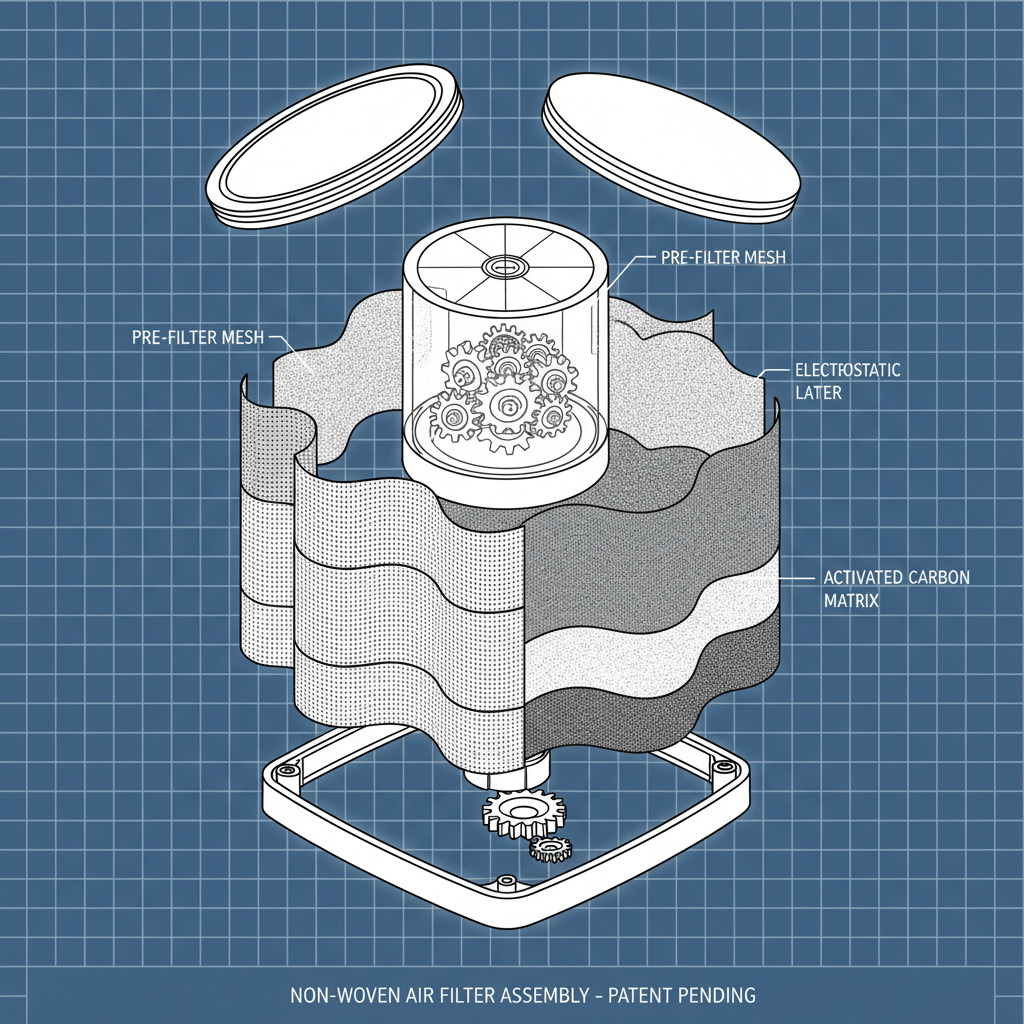
Anya Filter Media offers customized solutions, including different weights, thicknesses, and surface treatments. We can also incorporate additives for enhanced properties like antimicrobial protection or flame retardancy. Advanced features include gradient density filters (with varying fiber density for improved particle capture) and electrostatic charging for increased efficiency. These customizations ensure that the filter material perfectly matches your application requirements.
Conclusion: Choosing the Right Non Woven Filter Material
Selecting the appropriate non woven air filter material is crucial for achieving optimal filtration performance, protecting equipment, and ensuring a healthy environment. By understanding the different types, properties, and applications, you can make informed decisions. Anya Filter Media provides a comprehensive range of high-quality materials and customized solutions to meet your specific needs. Investing in the right filtration technology is an investment in a cleaner, safer future.
Frequently Asked Questions (FAQs)
What is the typical lifespan of a non woven air filter?
The lifespan of a non woven air filter varies greatly depending on the air quality, the filter's efficiency rating, and the application. Generally, filters should be replaced every 3-6 months in residential HVAC systems. Industrial applications may require more frequent changes, potentially weekly or monthly, depending on the dust load. Regular inspection is crucial. When the filter appears visibly dirty or airflow is significantly reduced, it’s time for a replacement. Ignoring filter replacement can lead to reduced efficiency, increased energy consumption, and potential damage to your HVAC system or equipment. Anya Filter Media recommends establishing a routine filter replacement schedule based on your specific environment.
Are non woven filters washable and reusable?
Most non woven air filters are designed for single-use and are not washable or reusable. Washing can damage the delicate fiber structure, reducing its efficiency and potentially releasing trapped particles back into the air. While some specialized reusable filters exist, these typically utilize different materials and construction methods. It's generally more cost-effective and hygienic to replace disposable non woven filters regularly. Attempting to wash a standard non woven filter is not recommended.
What are the environmental considerations when using non woven filters?
The environmental impact of non woven filters is a growing concern. While they are generally not recyclable due to the mixed fiber composition, some manufacturers, including Anya Filter Media, are exploring the use of recycled materials and biodegradable options. Choosing filters with extended lifespans and higher dust holding capacities can also reduce waste. Proper disposal in accordance with local regulations is crucial to minimize environmental impact. We are committed to sustainable practices and continuously innovating to reduce the environmental footprint of our products.
Post time: Jan-28-2026