Understanding Middle Efficiency Filter Media: Why It Matters Globally
Middle efficiency filter media might not be the catchiest term at a dinner party, but it’s quietly changing the way industries, hospitals, and even disaster relief efforts keep their air clean. In a world where air pollution is one of the leading environmental health risks—625,000 premature deaths in Europe yearly according to the WHO—it’s no surprise that filtering fine particles efficiently is critical.
Middle efficiency filter media offer a sweet spot: not as restrictive or expensive as HEPA filters, yet more effective than basic coarse filters. Understanding these filters means businesses can optimize air quality control, enhance worker safety, and meet stricter environmental standards without breaking the bank.
Mini takeaway: Middle efficiency filter media fill an important niche balancing performance and cost, helping industries worldwide tackle air cleanliness challenges.
Global Context: Why This Filter Media Is Gaining Attention
Globally, air pollution is an escalating problem, disproportionately affecting urban areas and industrial hubs. The United Nations Environment Programme (UNEP) reports that over 90% of the world’s population breathes polluted air, causing millions of premature deaths annually.
Countries and organizations are tightening regulations for industrial emissions, hospital air handling, and even indoor air quality in commercial spaces. This is where middle efficiency filter media enter the conversation. They address the challenge of filtering particulate matter fine enough to protect health, yet robust enough for continuous industrial use.
Many industries—ranging from manufacturing plants in Southeast Asia to HVAC systems in North American office towers—rely heavily on this class of filter media because fully high-efficiency solutions are cost-prohibitive or unnecessary in every situation.
What Exactly Is Middle Efficiency Filter Media?
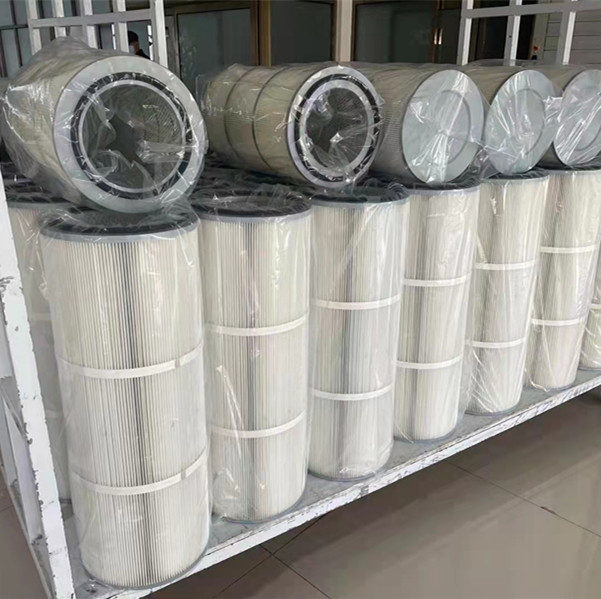
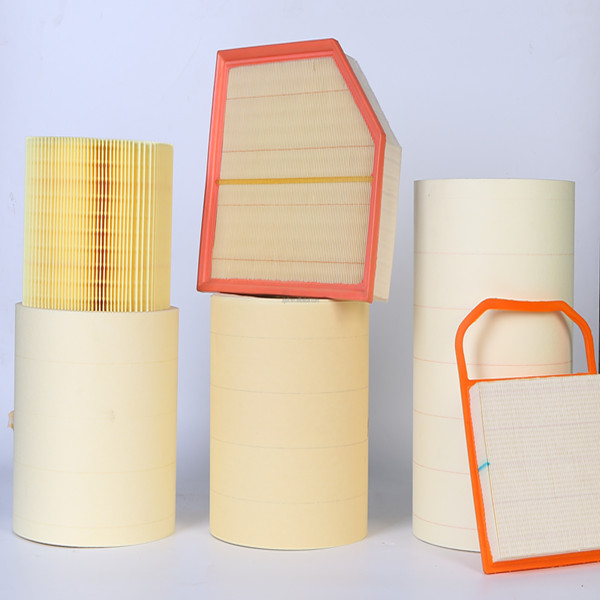
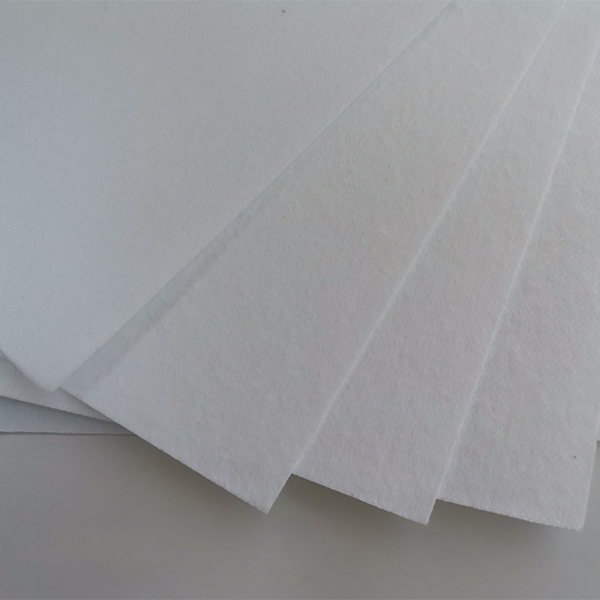
Simply put, middle efficiency filter media are materials designed to capture airborne particles in the size range roughly between 1 and 10 microns with moderate resistance to airflow. They rank between basic coarse filters (which only stop larger particles) and high efficiency HEPA filters (which trap particles down to 0.3 microns).
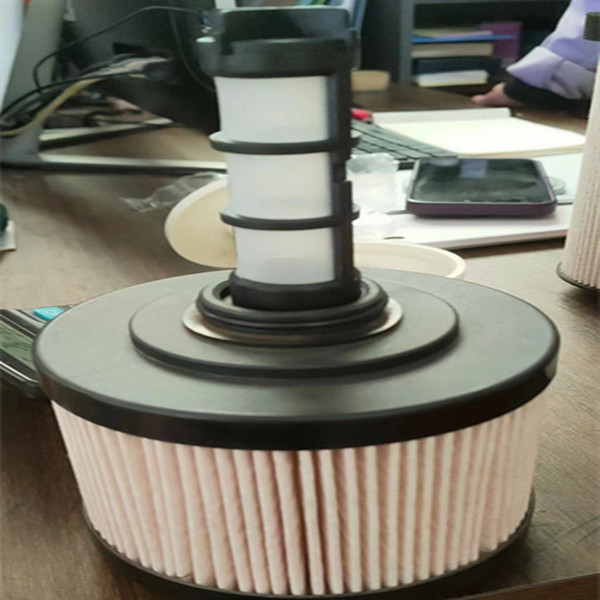
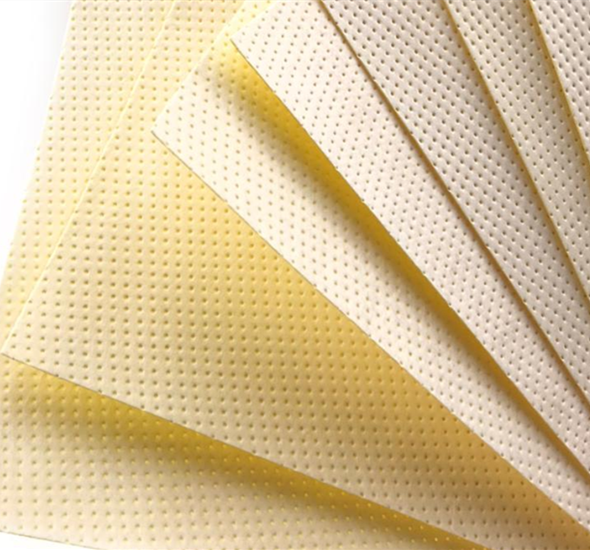
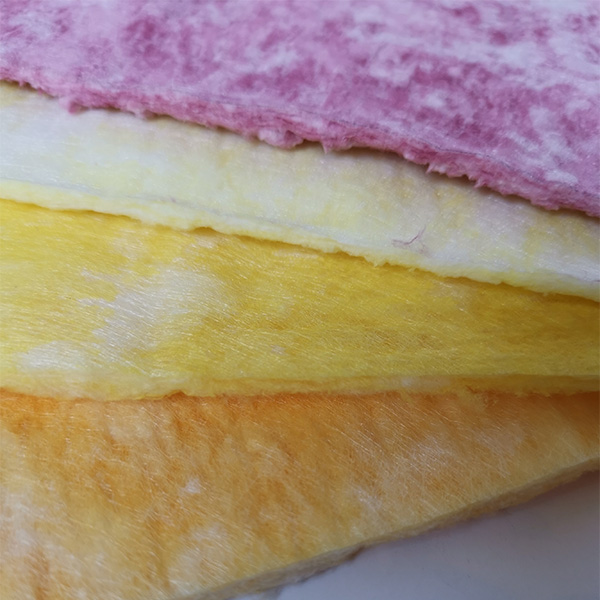
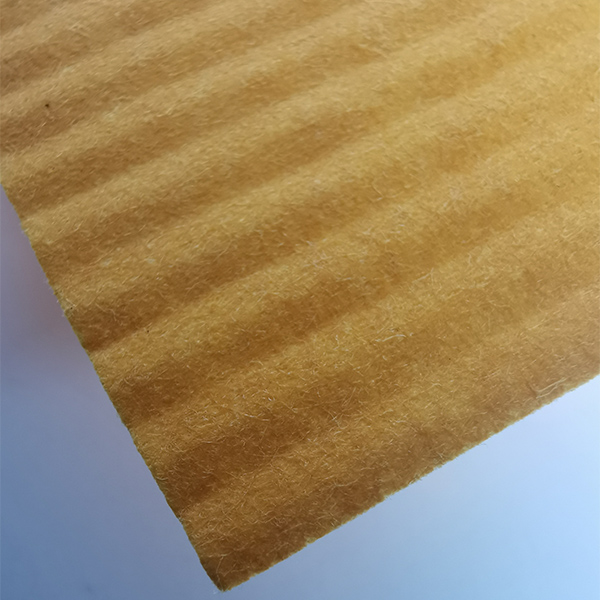
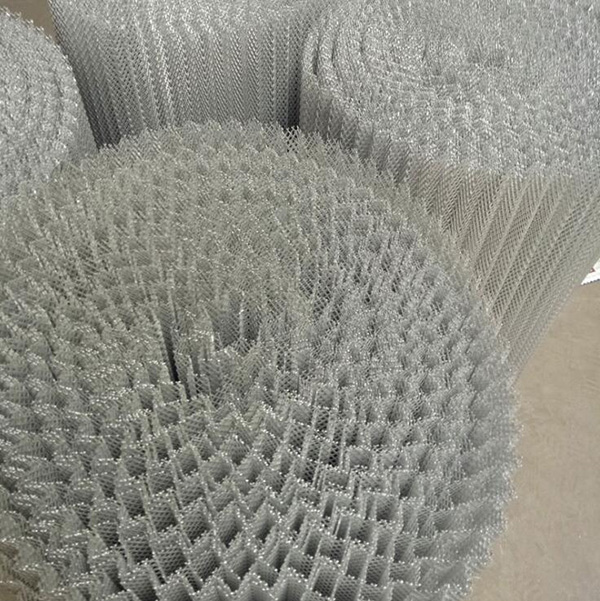
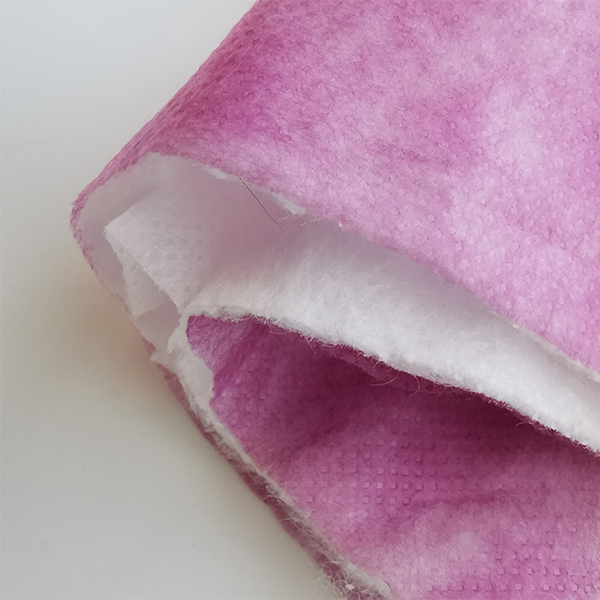
Their design—often a blend of synthetic fibers with specific layering or electrostatic properties—allows them to remove dust, pollen, mold spores, and some bacteria while maintaining airflow and reducing energy consumption.
In practical terms, think of middle efficiency filter media as the dependable middle child in the filter family—no fuss, no frills, but critical to overall system reliability.
Key Characteristics of Middle Efficiency Filter Media
1. Durability
They’re built to withstand industrial environments. Many filter media endure humidity, temperature shifts, and prolonged operation without degradation. This is crucial for factories or hospitals where downtime isn't an option.
2. Airflow & Pressure Drop
Balancing filtration with airflow is the art here. The media are engineered to minimize pressure drop, meaning less energy use for fans and HVAC systems—a big deal when energy efficiency targets are tight.
3. Particle Capture Efficiency
Depending on classification (e.g., ISO 16890 standards), these media capture about 40-60% of PM2.5 particles. While not perfect like HEPA, it’s enough for many applications including general ventilation and secondary filtration stages.
4. Cost Effectiveness
Given a longer lifespan than cheap filters and lower upfront cost than premium ones, middle efficiency media offer a robust return on investment.
5. Scalability & Customization
Manufacturers can tailor these media with different fiber composites or treatments to suit specific needs—be it antimicrobial coatings or fire retardancy for sensitive environments.
Mini takeaway: The core features of these filter media — durability, balanced airflow, reasonable efficiency, cost, and customization — are what make them versatile in the air filtration ecosystem.
How Middle Efficiency Filter Media Are Used Around the World
- Manufacturing hubs in Asia: Used extensively in air handling units for offices and cleanrooms in electronics and pharmaceuticals industries.
- Hospitals worldwide: Serving as pre-filters before high-efficiency stages to prolong lifespan of HEPA units and reduce replacement costs.
- Disaster relief: In post-disaster shelters or temporary hospitals, they provide affordable yet effective air cleaning in volatile environments.
- Commercial HVAC systems: Many office complexes rely on these media to balance cost and air quality, especially where outdoor pollution is moderate.
Oddly enough, NGOs working in remote regions have also adopted this tech for community health projects—emphasizing affordability alongside function.
Advantages and Long-Term Value of Middle Efficiency Filter Media
Looking at the bottom line, middle efficiency filter media save money not just by initial cost but through their durability and energy-savings. They reduce the frequency of replacement compared to cheaper filters, easing supply chain pressures—something we learned especially during the pandemic.
Socially, better air quality means less illness and improved worker productivity. Industrial sectors often report lower sick days when effective filtration is in place. And on a more emotional note, there’s a sense of trust and dignity for occupants knowing the air they breathe is handled responsibly.
Future Trends: Innovations on the Horizon for Filter Media
The future looks promising as digital monitoring starts marrying with filter tech. Smart filters that can signal exact moments for changeover reduces waste and improves operational efficiency.
Material science advances are introducing greener fibers and coatings, lowering environmental footprints while also tackling increasingly stringent indoor air quality rules.
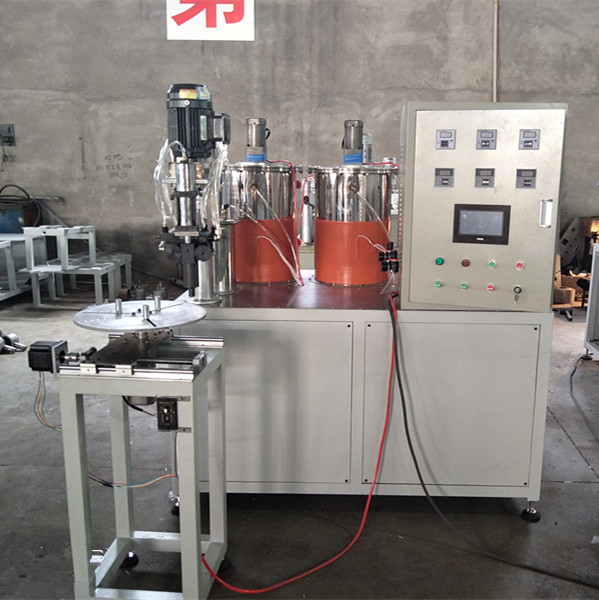
Automation in manufacturing means customized filter media can be produced at scale for niche industrial needs, promoting modular and flexible HVAC systems. It feels like the humble middle efficiency filter media is quietly evolving into a smarter, greener guardian of our air.
Challenges & Smart Solutions
That said, there are challenges. Many filter media can face reduced efficacy in very humid or oily environments. Also, inconsistent quality from some suppliers can result in premature filter failure.
Experts suggest real-time monitoring, combined with predictive analytics, helps overcome these problems. Also, choosing vendors with clear certifications and testing transparency ensures reliability.
| Parameter | Typical Range | Notes |
|---|---|---|
| Particle Capture Efficiency (PM2.5) | 40-60% | ISO 16890 standard ratings |
| Initial Pressure Drop | 30-70 Pa | Depends on media thickness and velocity |
| Media Type | Synthetic fibers, electrostatic layers | Varied for industrial or commercial use |
| Temperature Tolerance | -20 to 80 °C | Suitable for most HVAC environments |
| Lifespan | 3 to 6 months (typical) | Varies with environment and maintenance |
| Vendor | Product Range | Certifications | Customization Options | Typical Pricing |
|---|---|---|---|---|
| MediaTech Solutions | Wide - industrial and commercial | ISO 16890, UL 900 | Antimicrobial treatments, size variants | $$$ |
| PureFlow Filters | Mid-range HVAC media only | ISO 16890 | Limited to thickness, no coatings | $$ |
| EcoFilter Innovations | Focus on eco-friendly materials | ISO 16890, Green Seal | Recycled fibers, biodegradable options | $$$ |
Frequently Asked Questions About Middle Efficiency Filter Media
Q1: How do middle efficiency filters compare to HEPA filters?
A1: Middle efficiency filter media capture larger particles (1 to 10 microns) compared to HEPA which captures 99.97% at 0.3 microns. They’re less restrictive and more cost-effective but not suitable for environments requiring ultra-clean air like surgical theaters.
Q2: Can middle efficiency filter media be reused or cleaned?
A2: Generally, they are designed for single use and replacement as cleaning may damage fibers and reduce efficiency. However, some industrial variants can be vacuumed carefully to extend life, but replacement is the typical recommendation.
Q3: Are there standards that regulate middle efficiency filter media?
A3: Yes, ISO 16890 classifies air filters by PM size capture efficiency. Most middle efficiency media fall under the ePM10 or ePM2.5 categories depending on performance.
Q4: How do I know when to replace the filter media?
A4: Monitoring pressure drop across the filter is the best indicator. When pressure rises above manufacturer thresholds, airflow is impaired, signaling it’s time for replacement.
Q5: Is it possible to customize these filters for specific industrial environments?
A5: Absolutely. Many vendors offer antimicrobial coatings, fire retardant layers, or tailored thicknesses and density based on end-user needs.
Wrapping It Up: The Quiet Value of Middle Efficiency Filter Media
Long story short: middle efficiency filter media offer an effective, budget-friendly solution to an urgent global need—cleaner air in industrial and commercial settings. They bring a balance between filtration power and operational cost that suits a wide range of applications, from smart HVAC systems to emergency shelters.
Curious to learn more? Visit our website: https://www.anyafiltermedia.com. It’s a solid starting point to explore products and get technical support from industry pros.
As air quality standards continue tightening and technologies improve, these middle-ground filters will likely become smarter, greener, and more efficient. Kind of exciting, really, to see such a seemingly simple technology quietly doing so much.
References:
Post time: Nov-30-2025