Why Compact Filter Paper Matters in Today’s World
In an era where water contamination and industrial effluents are rising concerns globally, the humble compact filter paper plays a surprisingly pivotal role. It’s not just a piece of cellulose we slap into a machine. It's a frontline guard filtering out impurities, pollutants, and particles that otherwise might sneak through to endanger people, ecosystems, or critical industrial processes. Understanding the ins and outs of compact filter paper is essential for anyone working in water treatment, environmental monitoring, or manufacturing sectors. It’s a little thing with a big impact — and with global sustainability goals heating up, it’s more relevant than ever.
Briefly: Knowing how these filters work, where the tech’s headed, and who’s leading the pack can save both money and even lives.
The Global Context: Why Compact Filter Paper is a Key Player
Let’s zoom out a bit. According to the United Nations, over 2 billion people lack access to safely managed drinking water services worldwide. Industrial wastewater contributes significantly to water pollution — a problem especially pronounced in rapidly industrializing regions of Asia and Africa. UN Water statistics emphasize the need for scalable filtration solutions that are affordable, reliable, and environmentally sound.
Compact filter paper steps into this mix as a versatile technology used across water purification, lab testing, food production, and chemical industries. The challenge? Making efficient, durable filters that don’t clog quickly, degrade prematurely, or bust budgets. The global market for filtration media is expected to surpass $8 billion by 2027 (source: MarketsandMarkets), hinting at how seriously this field is taken. Industries need robust filter media that can handle both high-volume and fine-particle filtration — compact filter paper often fits the bill.
What Exactly Is Compact Filter Paper?
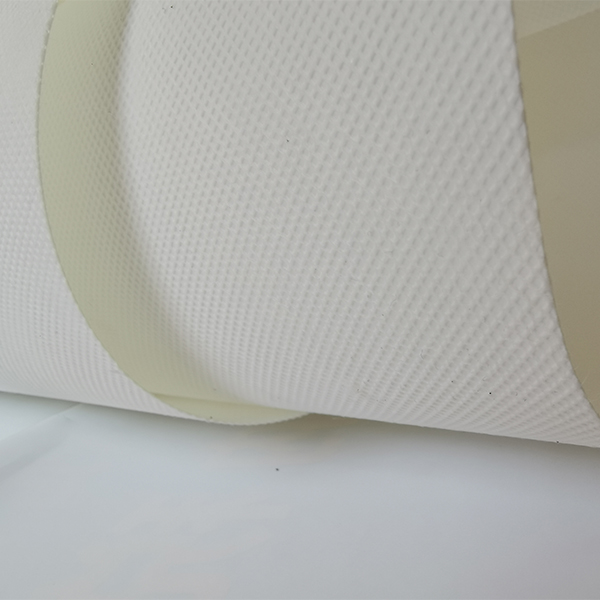
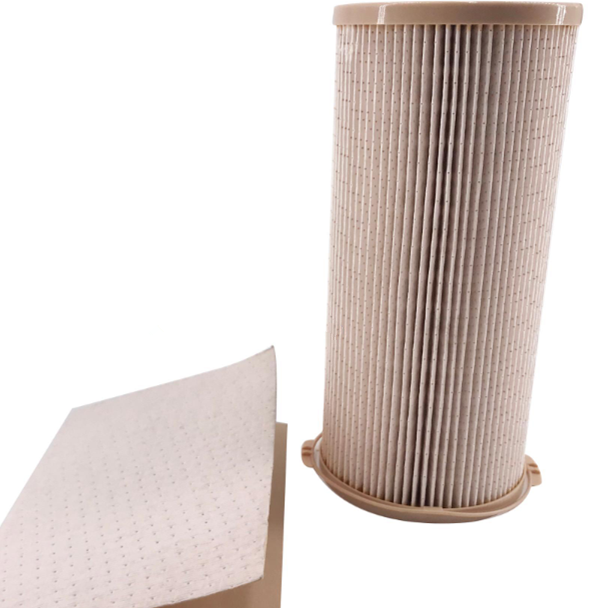
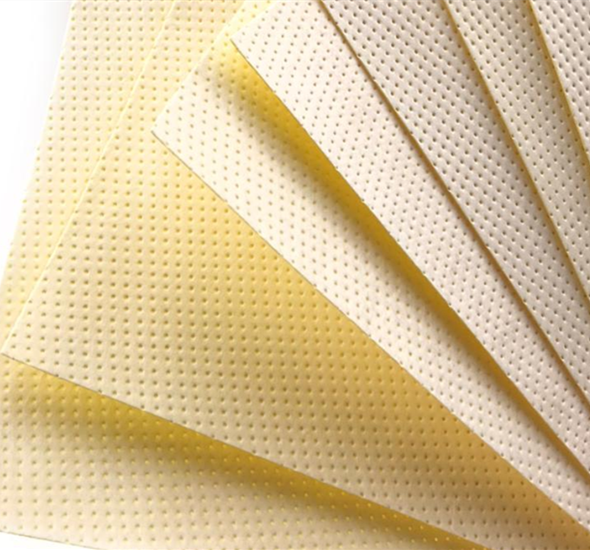
Put simply, compact filter paper is specially manufactured filtration media designed to capture fine particulate matter in liquids or gases. Unlike regular filter paper, the compact variety is denser and thinner, giving it higher filtration efficiency without compromising flow rate. They’re made mostly from cellulose fibers, processed to enhance pore uniformity and strength. This makes them invaluable for analytical labs, industrial separation processes, and even disaster relief water purification setups.
Industries ranging from pharmaceuticals to food and beverage rely on these filters daily. Imagine a lab testing for contaminants — the compact filter paper ensures reliable removal of grit, dirt, or suspended solids before chromatography or spectroscopy steps. In humanitarian situations, where access to clean water is urgent but infrastructure minimal, these filters provide an easy-to-use, lightweight solution.
Mini takeaway:
- Compact filter paper is a dense, reliable filtration medium designed to refine liquids and gases in demanding conditions.
- Its versatility spans from lab precision to field-based disaster response.
Core Features of Compact Filter Paper That Make It Tick
1. Durability
Compact filter papers must resist tearing or degradation even when exposed to chemicals or rapid flow changes. Many types incorporate synthetic fibers or are chemically treated to improve wet strength.
2. Filtration Accuracy
Capturing the right particle size matters — too big, and contaminants slip through; too fine, and flow slows to a crawl. Manufacturers fine-tune pore size distribution to target specific filtration needs, often measured in microns.
3. Cost Efficiency
While high-quality compact filter paper isn’t cheap, it balances long service life with ease of disposal, reducing both operational and environmental costs over time.
4. Scalability and Availability
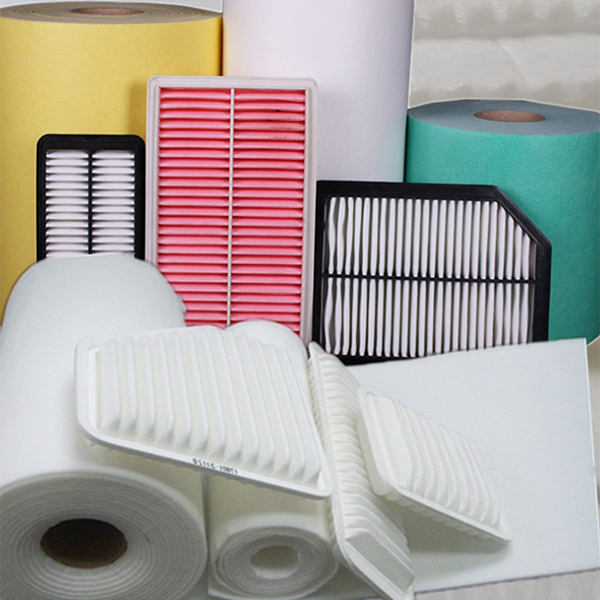
Suppliers today offer compact filter media in rolls, sheets, or pre-cut discs, allowing customization for different machinery or field kits. This ease of scaling lets industries adapt quickly to demand surges or supply chain hiccups.
5. Chemical Compatibility
From acidic to alkaline environments, filter paper must maintain integrity. Treatments and additives help wide-ranging chemical resistance, critical in industrial or environmental testing applications.
Mini takeaway:
- Key features like durability, precise filtration, and chemical resistance define compact filter paper’s real-world value.
- Customization and availability ease integration across sectors.
Global Applications: Where Compact Filter Paper Makes a Difference
This isn’t just lab talk — compact filter paper is working overtime in diverse environments worldwide. In Southeast Asia’s burgeoning electronics manufacturing hubs, it filters ultra-pure water vital for production.
In humanitarian contexts, NGOs deploy compact filter paper in portable water purification kits post-disaster in regions like Haiti and the Philippines. The ease of transport and simplicity in use mean it filters out sediments and microbes in chaotic, resource-scarce conditions.
Industrial sectors in Europe and America rely on compact filter media for quality assurance — from beverage clarity monitoring to pharmaceutical production lines ensuring product sterility.
| Specification | Compact Filter Paper A | Compact Filter Paper B |
|---|---|---|
| Material | High-purity cellulose with wet strength | Blended cellulose & synthetic fibers |
| Pore Size | 2 microns | 0.7–5 microns (range) |
| Wet Strength | High | Moderate |
| Chemical Resistance | Good for acids and bases | Best for neutral solutions |
| Typical Use | Pharmaceutical, environmental testing | Industrial filtration, water purification |
Advantages and Long-Term Value of Compact Filter Paper
What strikes many users is how cost-effective compact filter paper can be over time — it reduces the need for more expensive, complicated filtration systems. Plus, it’s recyclable or biodegradable depending on treatment, so it’s a friendlier choice for eco-conscious operations.
There’s also a social dimension. Safer, cleaner water means healthier communities, reduced healthcare burdens, and even economic uplift by improving worker productivity and reducing downtime from equipment fouling.
For companies, there’s trust too — using proven, dependable materials like compact filter paper signals commitment to quality and safety. It’s not just a product; it’s a symbol of operational integrity.
Where Compact Filter Paper is Heading: Trends & Innovation
Innovations keep cropping up. Nano-enhanced filter papers, integrating nanoparticles or polymer coatings, are pushing filtration limits harder than before. Sustainability is another hot topic: biodegradable filters developed from plant-based polymers or recycled fibers aim to lower environmental impact further.
Digitization also plays a subtle role — smart filtration systems that monitor clogging in real-time are becoming more common. Imagine a compact filter paper roll embedded with sensors that signal replacement time — that’s where automation meets everyday filtration.
Industry Leaders Compared: A Quick Vendor Overview
| Vendor | Product Range | Special Features | Global Reach | Price Tier |
|---|---|---|---|---|
| Anya Filter Media | Custom compact filter paper, specialty grades | Eco-friendly variants, fast turnaround | Strong in Asia, Europe, North America | Mid-level |
| FiltraPro | Wide range for industrial uses | High-performance synthetic blends | Global, especially Europe & US | Premium |
| EcoFilt Solutions | Biodegradable filter media | Sustainability focused | Mostly Europe and Asia | Competitive |
Facing the Challenges: What Holds Compact Filter Paper Back?
Of course, no tech is perfect. Clogging and reduced lifespan during heavy particulate load are common headaches. Also, some papers struggle with extreme pH or solvent compatibility, limiting use in certain chemical industries.
Experts recommend pairing compact filter papers with pre-filters or back-flushing systems in tough environments. Research into new fiber blends and treatments promises better chemical resistance and longer life. The future might also hold composite media that combine filter paper with membranes — the best of both worlds potentially.
Frequently Asked Questions About Compact Filter Paper
- Q1: What is the typical lifespan of compact filter paper in industrial applications?
- A1: Lifespan depends largely on particulate load and fluid properties. Typically, in a moderate industrial environment, it lasts from several hours to a few days. Proper selection and maintenance, such as timely replacement, extend lifespan.
- Q2: Can compact filter paper be reused or cleaned to save costs?
- A2: Generally, compact filter paper is single-use to avoid contamination and efficiency loss. However, certain thick or synthetic blends may be cleaned carefully, although this is less common and depends on the application.
- Q3: How do I choose the right pore size for my filtration needs?
- A3: Assess your target particle size and flow rate requirements. For laboratory precision, pores between 0.45 to 2 microns are common. In industrial sediment removal, larger pores (5 microns or more) are typical.
- Q4: Is compact filter paper environmentally friendly?
- A4: Many types are biodegradable, especially those made purely from cellulose. Recently, eco-friendly versions with reduced chemical treatment have emerged, aligning with sustainability standards.
Wrapping Up: The Compact Filter Paper Advantage
Whether it’s about ensuring safe drinking water in remote villages or maintaining product quality in high-tech factories, compact filter paper quietly but critically delivers. Its blend of precision, durability, and adaptability makes it a foundation behind many products and processes we often take for granted.
Want to explore more? Check out our detailed range at compact filter paper and see how the right filtration media can upgrade your operations.
References
Post time: Nov-30-2025