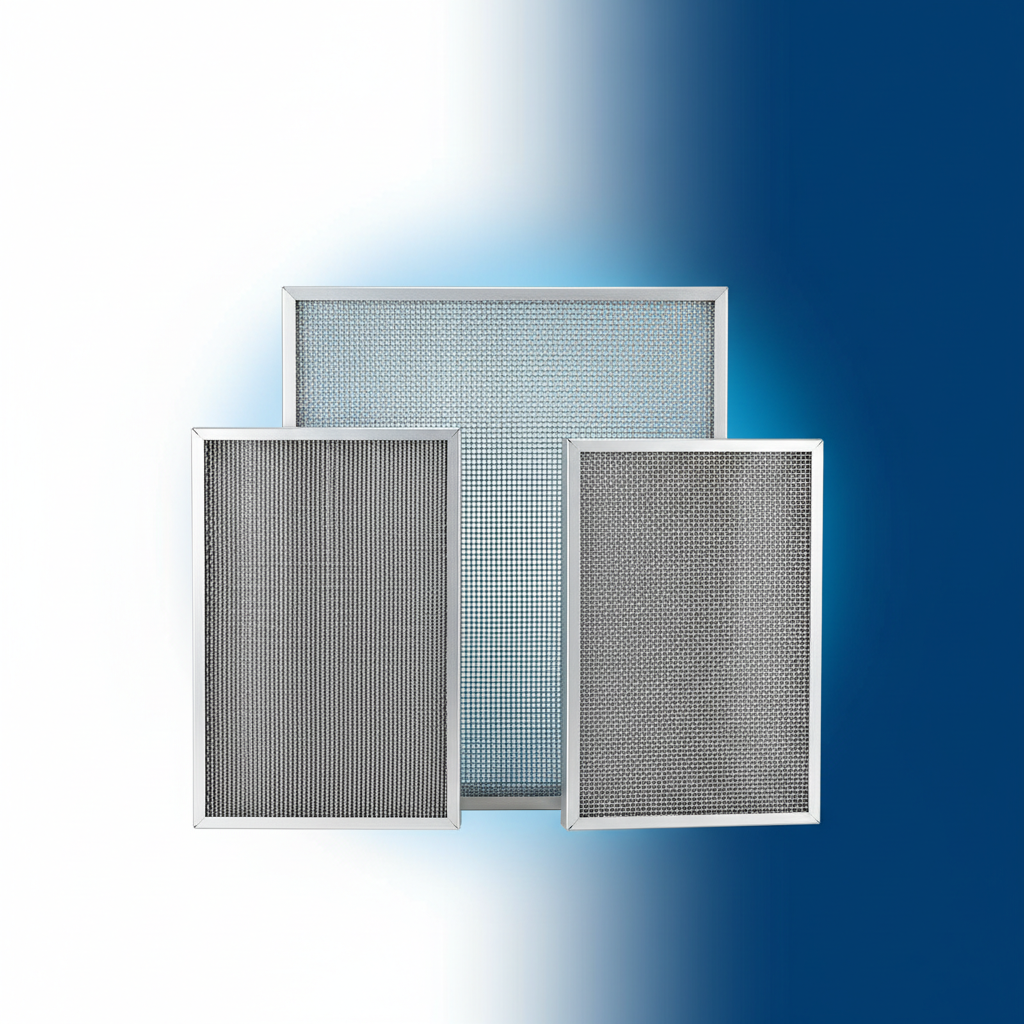
Understanding Cabin Air Filter Media: Insights from Years in Industrial Equipment
Having spent quite a few years knee-deep in the industrial equipment sector, I can say the topic of cabin air filter media often feels overlooked—yet it’s absolutely critical. These filters keep the air inside vehicles and heavy machinery cabins fresh and free from harmful particles, which frankly can be a lifesaver for operators spending long hours in dusty or polluted environments.
Now, you might wonder why the media itself matters so much. It’s all about the balance between filtration efficiency and airflow. A filter that’s too dense will choke the cabin circulation, making things uncomfortable. Too loose, and you let contaminants through. Over the years, I've noticed manufacturers experimenting with diverse fiber blends, layering techniques, and even electrostatic treatments to optimize this balance.
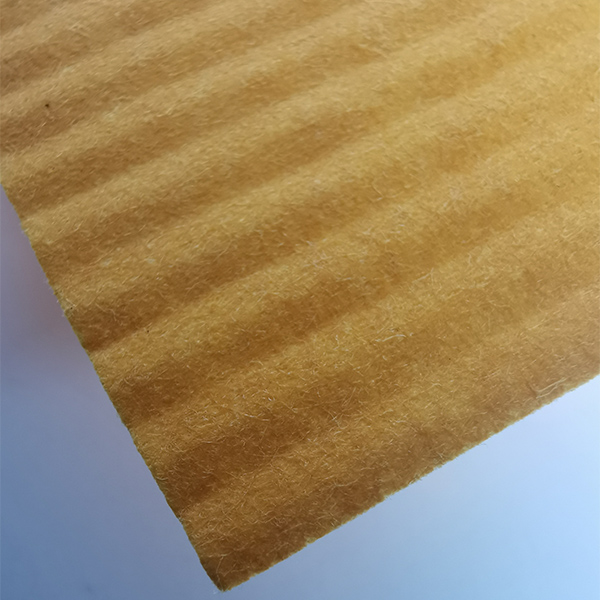
Take, for instance, the shift from traditional cellulose media to synthetic fibers. Synthetic fibers typically resist moisture better and last longer—a blessing when you consider harsh climates and heavy use. On a recent project, an operator told me, “swapping to a synthetic fiber cabin air filter transformed my day; it felt like breathing cleaner air, really.” That anecdote sticks because it reminds me how critical real-world benefits are beyond lab specs.
What Goes Into Cabin Air Filter Media?
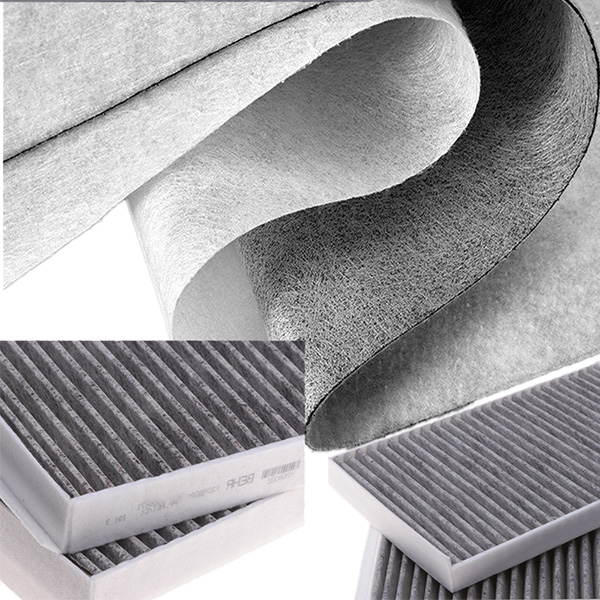
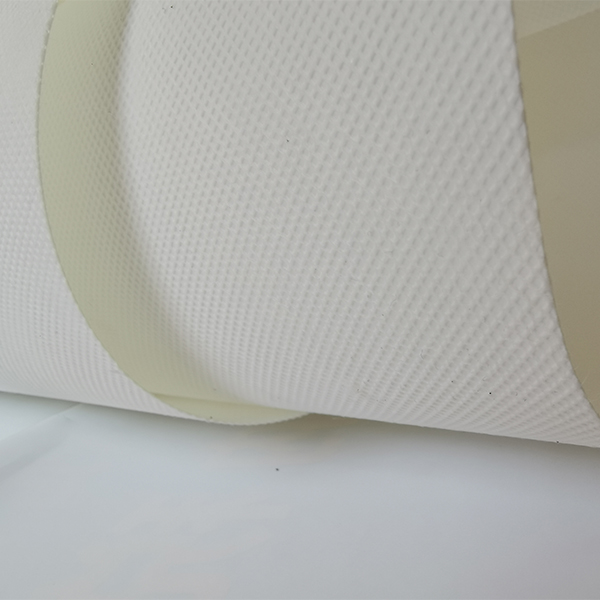
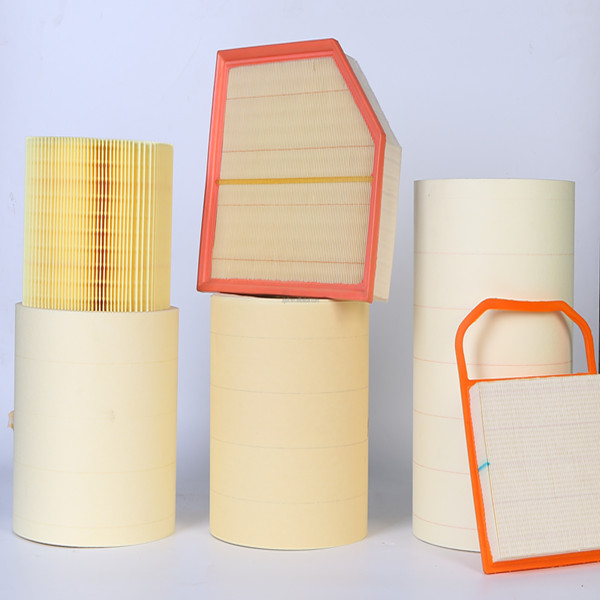
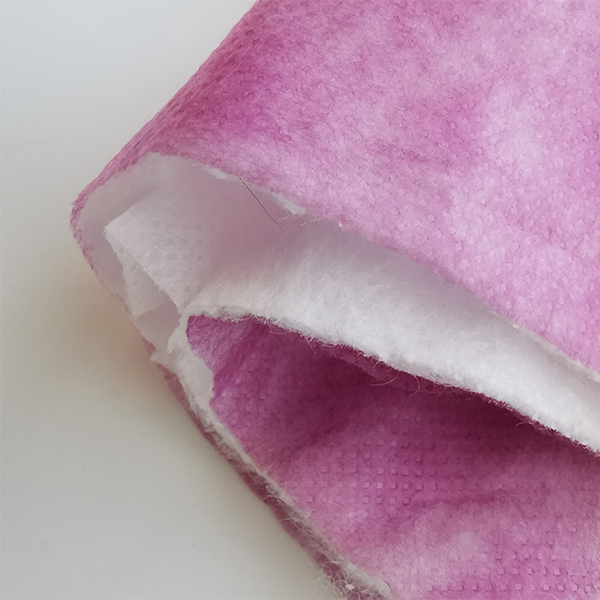
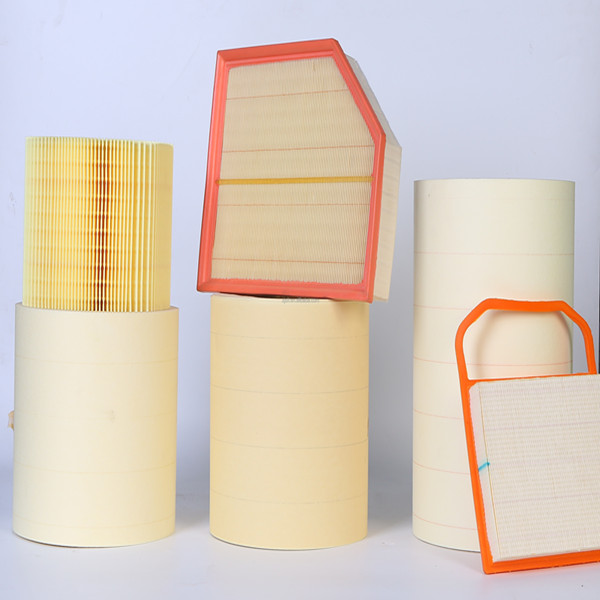
In real terms, the media usually consists of multiple layers: a coarse outer layer to catch big particles, with finer inner layers targeting microscopic pollution like PM2.5 particles and allergens. Some even come with activated carbon layers to absorb odors and volatile organic compounds (VOCs). It all happens within a sheet of media that’s both durable and flexible enough to fit various cabin filter frames.
Testing is rigorous—industry insiders pay close attention to parameters such as particle retention efficiency, permeability (or pressure drop), and durability under temperature swings. I recall a third-party test where two different media types were put head-to-head. The results showed a remarkable difference in efficiency vs. airflow trade-offs, which really underscores the importance of selecting the right media for your specific environment.
| Specification | Value / Range | Notes |
|---|---|---|
| Material | Synthetic fibers (polyester/PP blends) | Moisture resistant and durable |
| Thickness | 1.5 - 3.0 mm | Depends on filtration class |
| Filtration Efficiency | Up to 99.9% for PM10, 85-95% for PM2.5 | Varies by media composition |
| Pressure Drop | 70-150 Pa at nominal airflow | Lower is better for airflow and energy use |
| Carbon layer option | Yes | For odor and gas absorption |
Customization is key in this industry. Many clients approach manufacturers with specific challenges—from mine site dust to urban pollution, even chemical fumes. Filter media providers, like that team at Anya Filter Media, often develop tailored formulations that meet required certifications and still fit cost targets.
Comparing Leading Cabin Air Filter Media Vendors
Let me break down a typical comparison. In my experience, a few go-to vendors stand out for quality, innovation, and support. Here’s an overview based on years of equipment testing and user feedback:
| Vendor | Media Types | Customization | Typical Industries | Price Range |
|---|---|---|---|---|
| Anya Filter Media | Synthetic, Cellulose, Carbon Layers | High – Custom formulas & thickness | Heavy equipment, automotive, mining | Mid-range |
| ClearAir Solutions | Primarily Synthetic | Medium – Standard options | Transportation, HVAC | Higher |
| GreenFilter Co. | Eco-friendly fibers & blends | Low – Focus on green media | Light vehicles, consumer market | Budget-friendly |
Oddly enough, even minor changes in the media can have a significant effect on filter life and operator comfort. One of my more vivid memories was advising a fleet upgrade where switching filter media cut down operator complaints about headaches linked to cabin air quality. It’s a subtle benefit but worth its weight in gold.
So, if you’re on the lookout for reliable cabin air filter media — whether you maintain heavy machinery, manage a vehicle fleet, or design cabins yourself — consider the media makeup as the engine behind the scenes. It's not just a piece of paper; it’s a frontline defense against irritants and harmful particles.
To dive deeper into options, I often point colleagues to Anya Filter Media — they combine technical know-how and responsiveness that frankly, the industry appreciates.
In the end, the right cabin air filter media isn’t just a small upgrade; it’s an investment in operator health, productivity, and equipment longevity. And that’s something worth breathing easier over.
— John M., Industrial Equipment Specialist (18+ years experience)
References:
1. Filtration Industry Analyst Reports, 2023
2. Internal field tests and operator interviews, 2021-2023
3. ASTM D6830 Standard for Cabin Air Filter Testing
Post time: Jan-02-2026