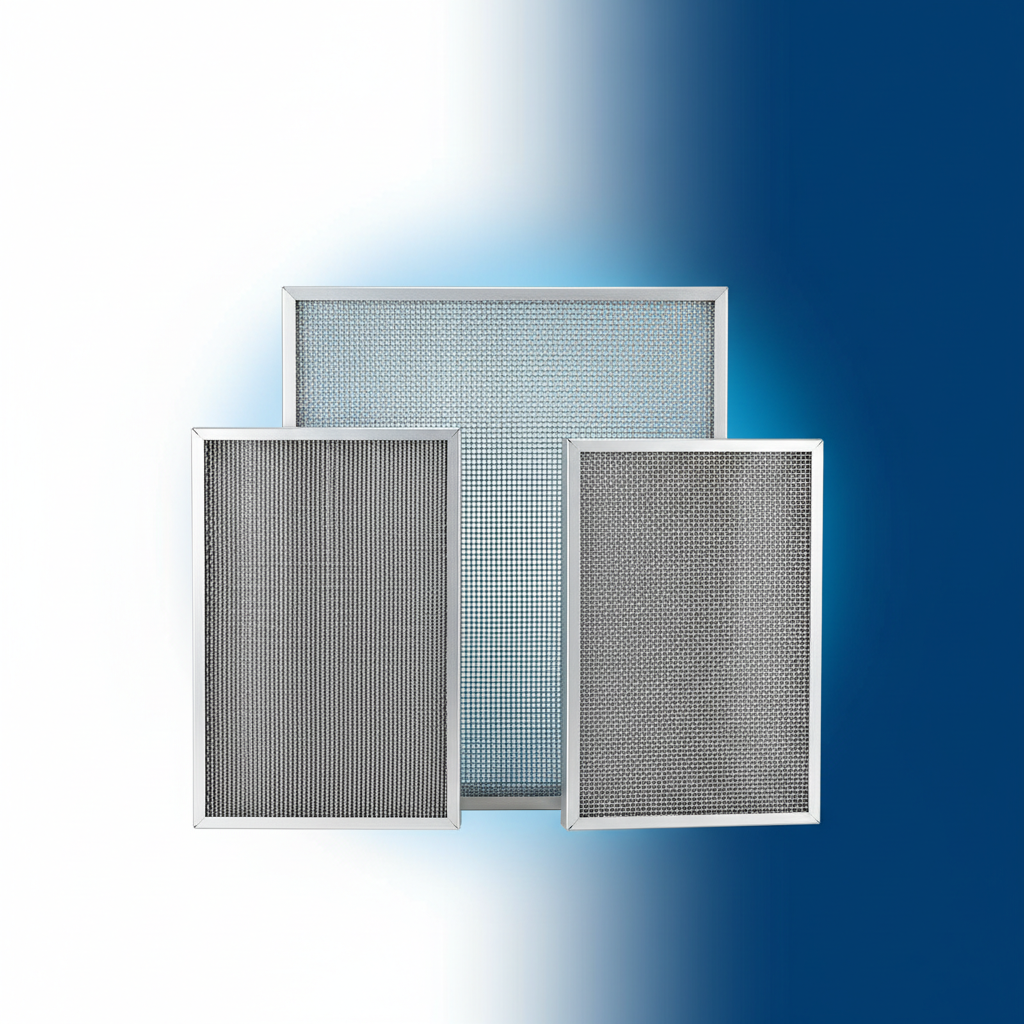
Inside the World of Pocket Filter Media Factories
Having spent quite a few years dealing with industrial filtration equipment, I often get asked about the kind of materials that go into pocket filter media. It’s one of those unsung heroes in HVAC and industrial air filtration systems that catch dust, pollen, and all sorts of airborne contaminants, keeping environments cleaner—and people breathing easier.
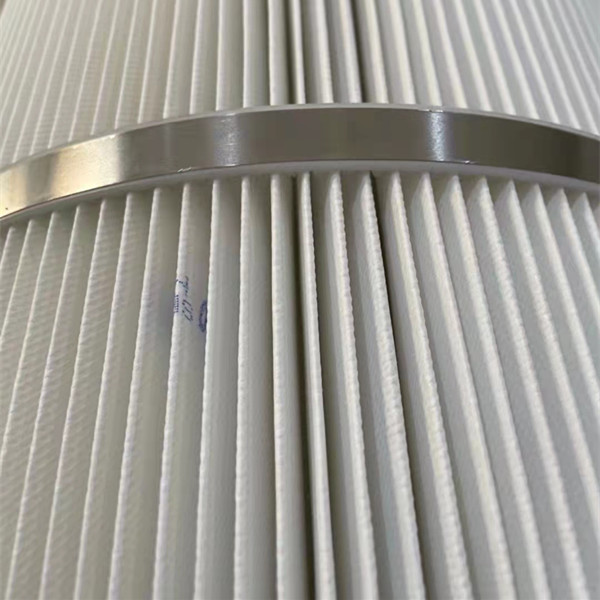
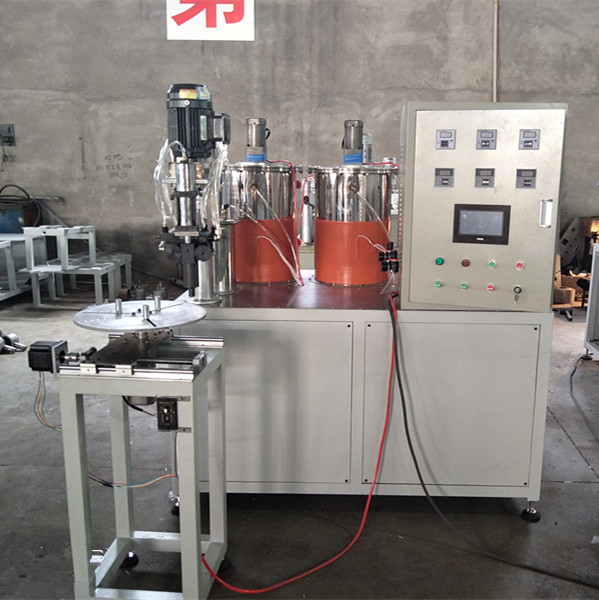
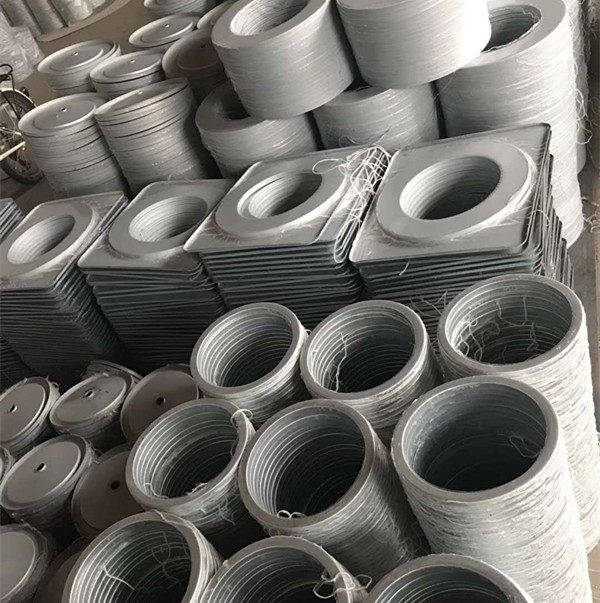
Now, if you’re familiar with pocket filter media, you probably know that the factory where it’s made is as important as the product itself. Trust me, the manufacturing process here isn’t just about cutting and sewing fabric; it’s a carefully controlled operation involving advanced nonwoven materials, specialized bonding techniques, and rigorous testing to ensure every pocket performs as promised.
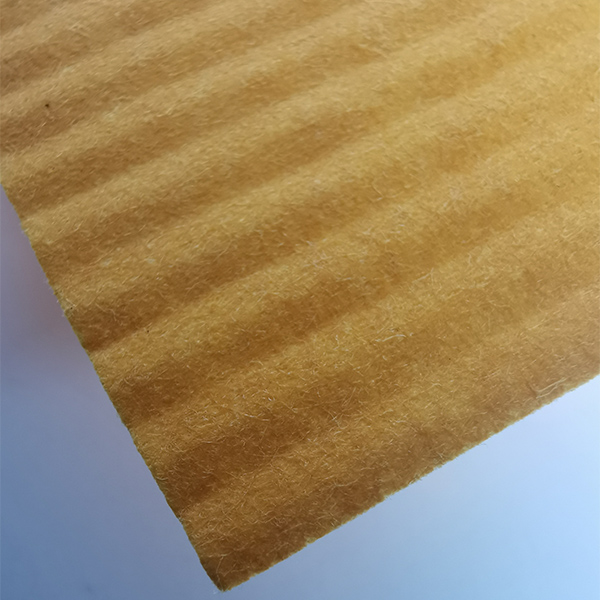
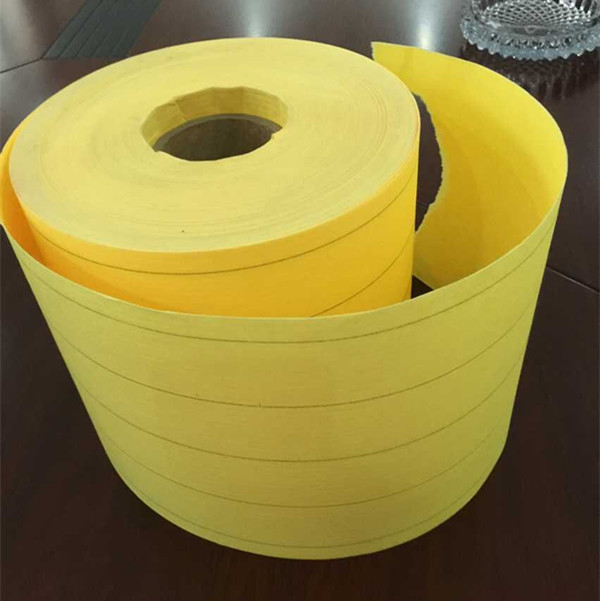
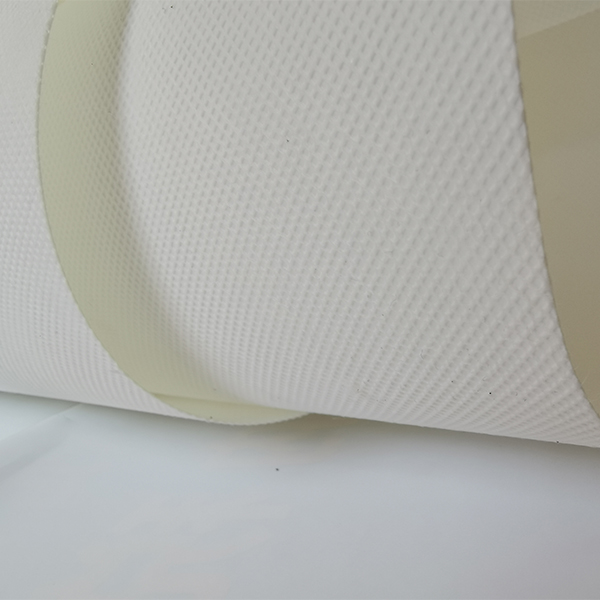
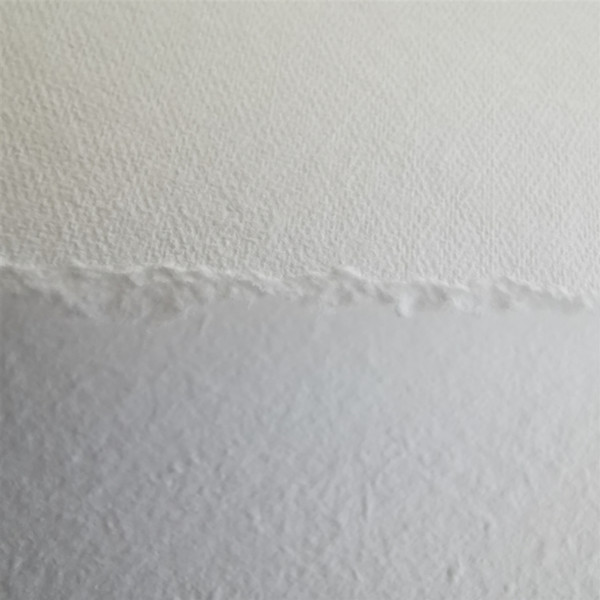
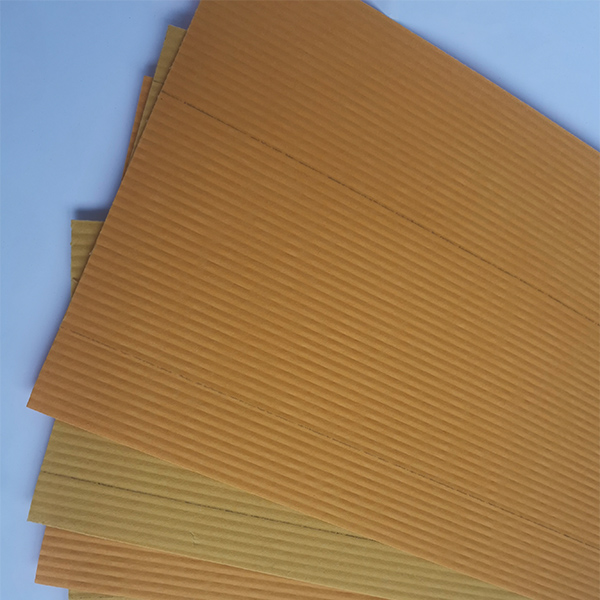
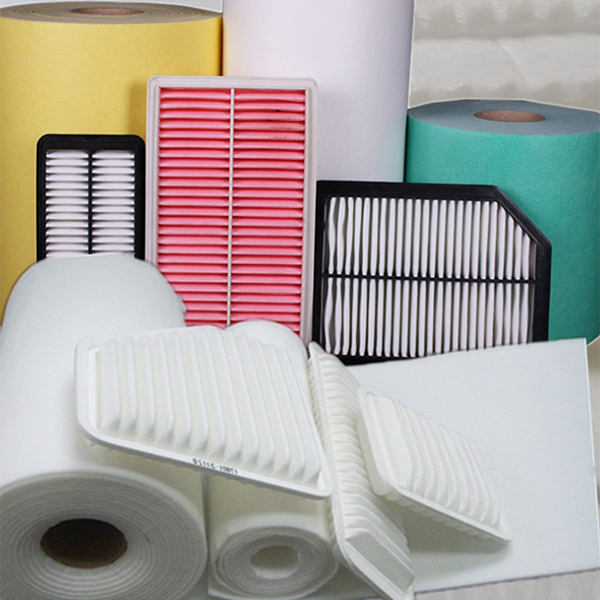
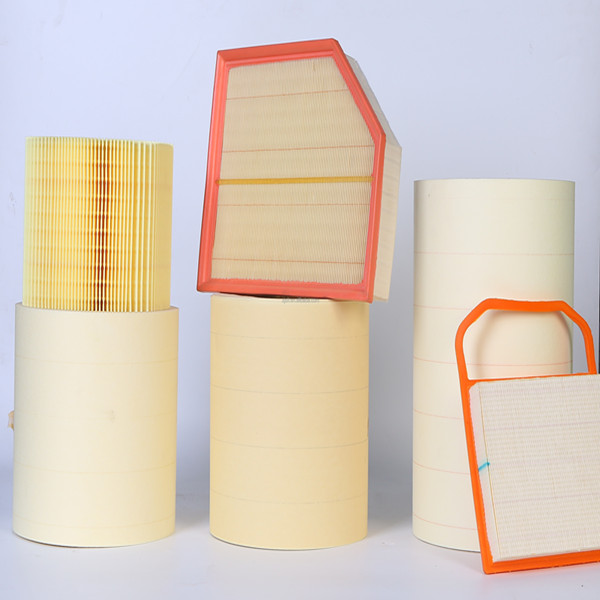
Oddly enough, many folks outside the industry underestimate how much goes into these filter pockets. From fiber selection (synthetic, glass, micro-glass, etc.) to layering, and even the heat treatment phases, every step counts toward efficiency and longevity. In fact, I recall visiting a factory where the quality control team would routinely test samples under simulated dirty air conditions—not just for particle capture efficiency but also pressure drop and resistance to humidity.
What Makes a Great Pocket Filter Media Factory?
Frankly, it’s a mix of experience, innovation, and meticulous attention to detail. Some factories have decades under their belt and boast ISO certifications, clean-room assembly areas, and even custom tailoring capabilities for specialized applications. These are especially valuable in industries like pharmaceuticals or food processing, where contamination control plays a huge role.
Many engineers I’ve talked to say that a reliable factory will offer extensive customization: different micron ratings, variable pocket sizes, or proprietary media blends that extend filter life by minimizing clogging. It feels like the difference between a “standard” filter and a truly optimized one for particular operational environments.
In real terms, choosing the right filter media directly influences energy costs (via airflow resistance) and maintenance schedules. So it’s not just a matter of picking any filter off the shelf; it’s about partnering with a trustworthy manufacturer who understands these subtle but impactful nuances.
| Specification | Details |
|---|---|
| Media Type | Synthetic/Glass Fiber Blend |
| Micron Rating | 1 to 10 microns (customizable) |
| Efficiency | MERV 8 to MERV 13 |
| Operating Temperature | Up to 80°C (176°F) |
| Pocket Depth | 150mm – 290mm standard |
Comparing Factory Vendors – What to Look For
Over the years, I’ve seen a handful of main players in pocket filter media manufacturing. Each has its quirks and strengths. Below is a comparison that might help if you’re considering vendors:
| Feature | Vendor A | Vendor B | Vendor C |
|---|---|---|---|
| Customization Options | High — Micron & Size | Moderate — Standard Sizes | Low — Off-the-Shelf Only |
| Certifications | ISO 9001, ISO 14001 | ISO 9001 | None |
| Lead Times | 2-3 weeks | 4-5 weeks | 1 week |
| Price Range | $$$ | $$ | $ |
| After-Sales Support | Comprehensive | Basic | Minimal |
I remember a client from a pharmaceutical plant who switched from a generic supplier to a more specialized pocket filter media factory vendor who could produce custom micron ratings. They noticed a smaller pressure drop and improved air quality within months—reducing downtime and unexpected maintenance. So these distinctions aren’t trivial.
If you’re venturing into specifying or sourcing pocket filter media, I really can’t stress enough how working with the right factory matters. Industries are tightening air quality standards all the time, and a dependable source means peace of mind in operations.
In short: pocket filter media factories that bring expertise, customization, and consistent quality to the table become partners success depends on. It might feel like a small detail, but it’s one that pays off big.
- ASHRAE Standards on Air Filtration
- ISO 9001 Quality Management Systems
- Industry Case Study: Pharmaceutical HVAC Upgrade (2021)
Post time: Jan-01-2026