Brass Mesh Filter: A Comprehensive Guide
When seeking efficient filtration solutions for various industrial and commercial applications, brass mesh filters stand out due to their durability, corrosion resistance, and versatile functionality. These filters are crucial in ensuring the purity of liquids and gases across diverse sectors. This article will provide an in-depth look at brass mesh filters, covering their types, applications, benefits, and selection criteria. Understanding the nuances of these filters is vital for optimizing your filtration processes and ensuring long-term reliability.
Understanding Brass Mesh Filters
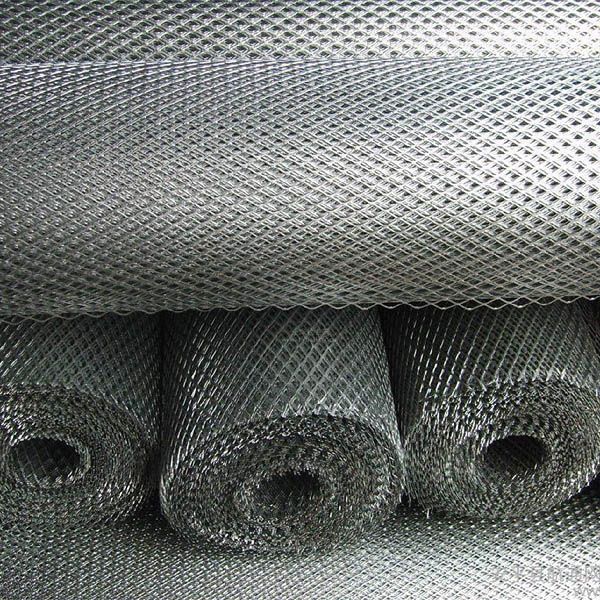
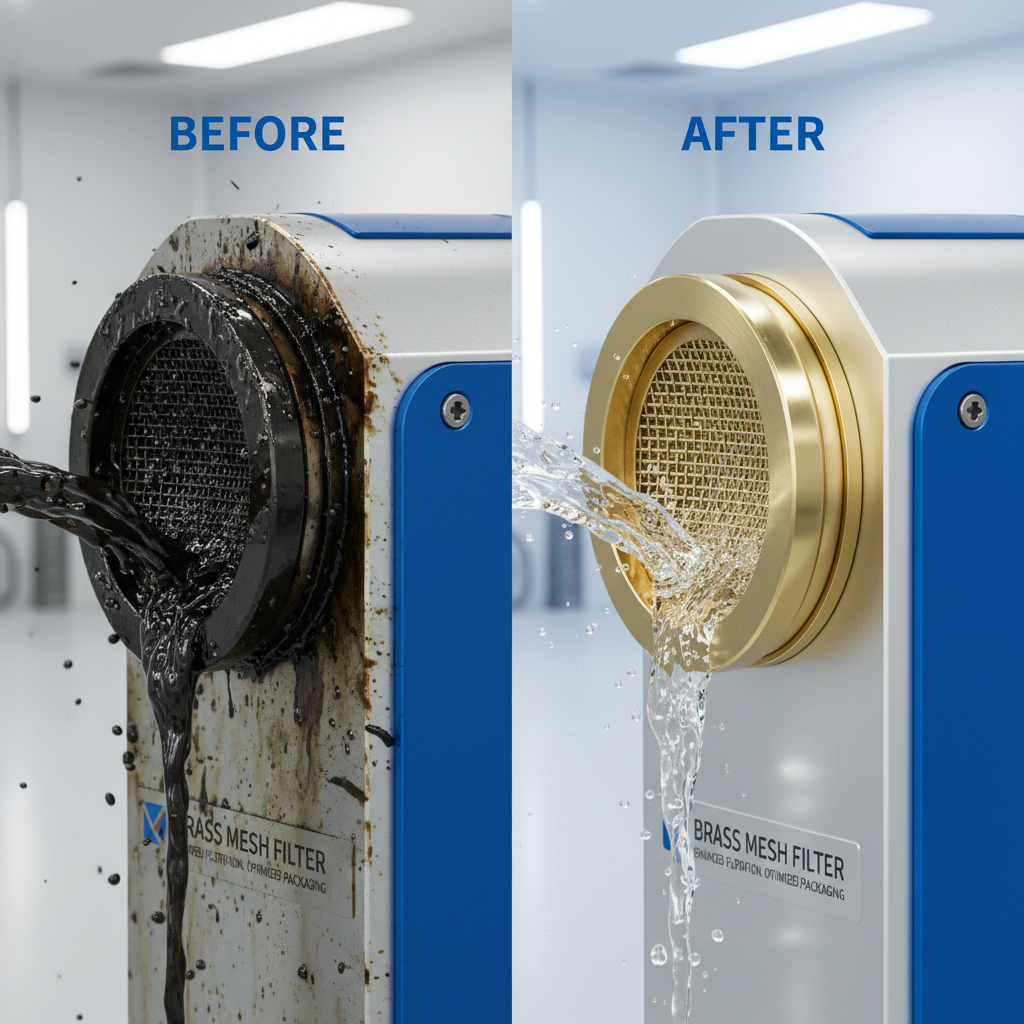
Brass mesh filters are constructed from woven brass wire, creating a porous medium that effectively captures particulate matter. The mesh count, referring to the number of wires per inch, determines the filter's pore size and filtration efficiency. Higher mesh counts equate to smaller pore sizes, ideal for filtering finer particles. These filters are commonly used in applications requiring resistance to corrosion and high temperatures. The inherent properties of brass, an alloy of copper and zinc, contribute to its excellent durability and longevity. Furthermore, brass mesh filters are relatively easy to clean and maintain, making them a cost-effective filtration solution. They are a staple in industries demanding consistent performance and reliability.
Key Highlights: Durable, corrosion-resistant, versatile, easy to clean, and offering various mesh sizes to suit different filtration needs.
Types of Brass Mesh Filters
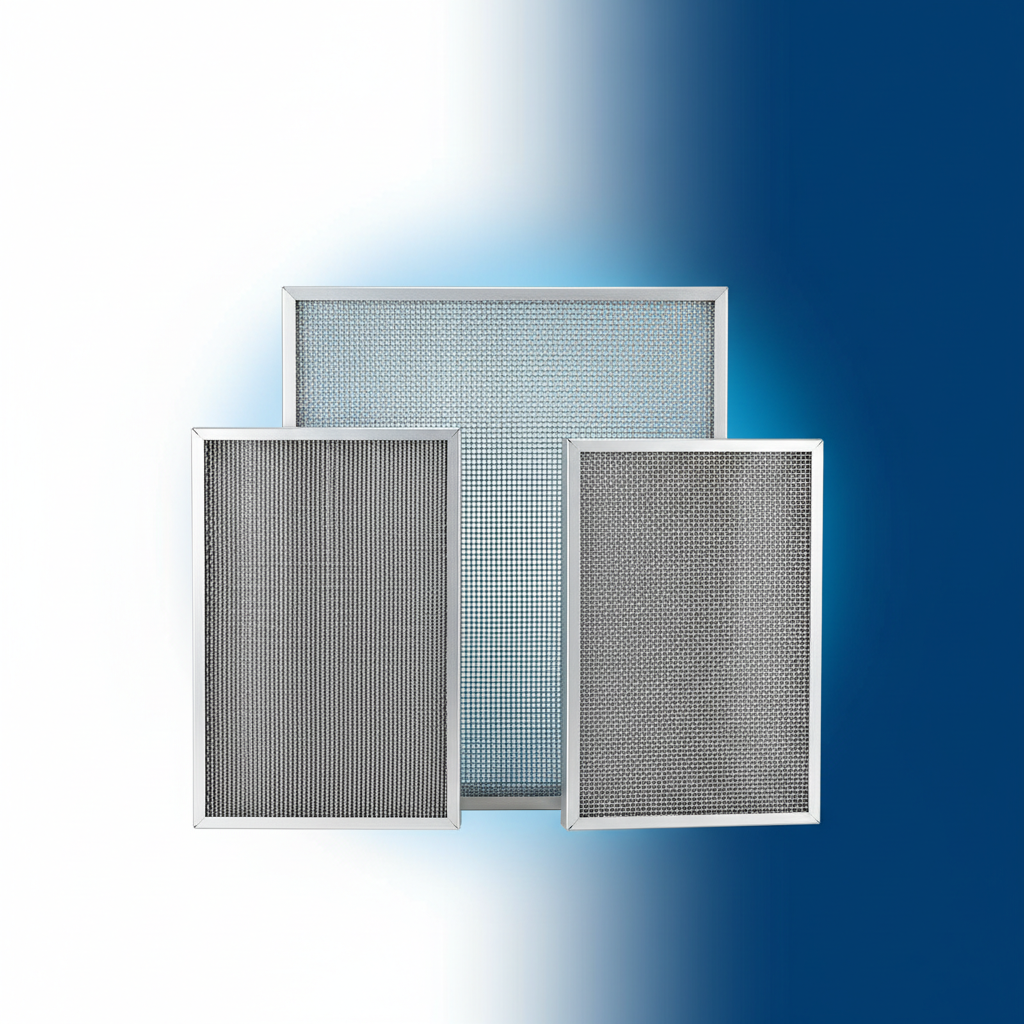
Brass mesh filters come in various configurations to cater to different application requirements. Common types include woven mesh, knitted mesh, and crimped mesh. Woven mesh filters are known for their uniform structure and precise filtration capabilities. Knitted mesh offers greater flexibility and conformability, making them suitable for complex geometries. Crimped mesh provides increased strength and rigidity, ideal for high-pressure applications. Additionally, filters can be fabricated into discs, sheets, tubes, or custom shapes depending on the specific needs of the user. Anya Filter Media offers a diverse range of brass mesh filter types to suit a wide spectrum of filtration challenges.
Brass Mesh Filter Types:
• Woven Mesh: Uniform structure, precise filtration.
• Knitted Mesh: Flexible, conforms to complex shapes.
• Crimped Mesh: Increased strength, high-pressure resistance.
Applications of Brass Mesh Filters
The applications of brass mesh filters are remarkably diverse. They are frequently used in the petroleum industry for filtering oil and gas, in the chemical industry for purifying process fluids, and in the pharmaceutical industry for sterilizing liquids. They also find application in water treatment systems, air purification devices, and food processing equipment. Beyond these, brass mesh filters are implemented in gas filtration, steam filtration, and as strainers in pipelines. Their ability to withstand high temperatures and pressures makes them ideal for challenging industrial environments.
Benefits of Using Brass Mesh Filters
Choosing brass mesh filters offers several advantages. Their excellent corrosion resistance ensures longevity even in harsh environments. The high tensile strength of brass allows for robust performance under pressure. Brass is also a relatively cost-effective material compared to other filter media like stainless steel or titanium. Furthermore, the ability to customize mesh sizes provides precise filtration tailored to specific needs.
Selecting the Right Brass Mesh Filter
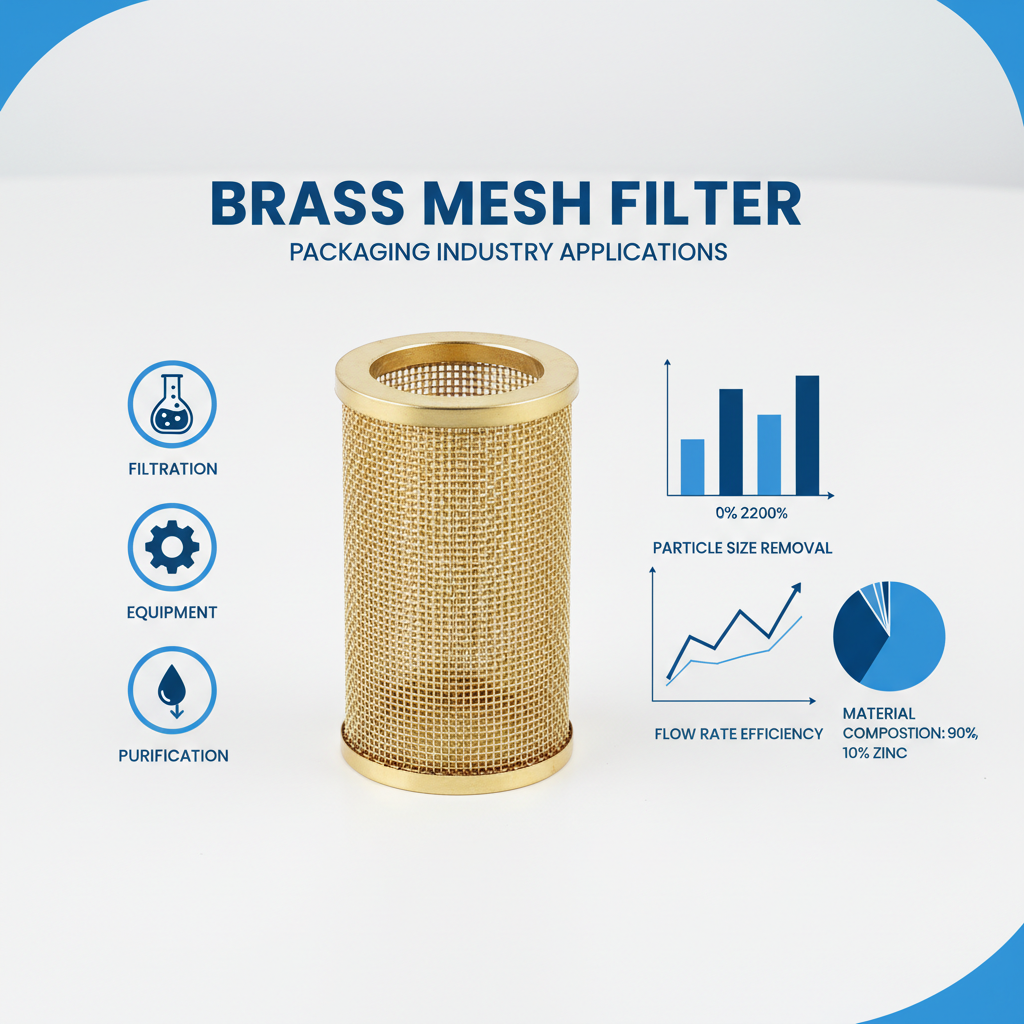
Selecting the appropriate brass mesh filter requires careful consideration of several factors. The first is the particle size you need to remove – this dictates the required mesh count. Next, assess the operating pressure and temperature to ensure the filter can withstand the conditions. Consider the chemical compatibility of brass with the fluid being filtered. Finally, determine the desired flow rate and select a filter with sufficient permeability. Anya Filter Media's expert team can assist in selecting the optimal filter for your specific application.
Conclusion: Reliable Filtration with Brass Mesh
Brass mesh filters offer a robust, reliable, and cost-effective solution for a diverse range of filtration needs. Their corrosion resistance, durability, and customizable options make them an ideal choice for industries requiring consistent performance. Choosing the right filter and partnering with a reputable supplier like Anya Filter Media ensures optimal filtration and long-term operational efficiency.
Frequently Asked Questions (FAQs)
What is the typical lifespan of a brass mesh filter?
The lifespan of a brass mesh filter depends on several factors including the cleanliness of the fluid being filtered, the operating pressure, and the temperature. With proper maintenance – regular cleaning to remove accumulated debris – a brass mesh filter can last for several years. However, if the filter experiences damage like deformation or corrosion, it should be replaced immediately. Visual inspection and pressure drop monitoring are crucial for assessing filter condition and determining when replacement is necessary. Anya Filter Media recommends annual inspections as a preventative measure.
How do I clean a brass mesh filter?
Cleaning a brass mesh filter is typically straightforward. Start by disconnecting the filter from the system and removing any loose debris. You can then use a soft brush and mild detergent solution to gently scrub the filter mesh. For more stubborn deposits, you can soak the filter in a cleaning solution specifically designed for brass. Avoid using abrasive cleaners or harsh chemicals, as these can damage the filter material. Thoroughly rinse the filter with clean water and allow it to dry completely before reinstalling it. Ultrasonic cleaning is also an effective method for deep cleaning.
Are brass mesh filters suitable for potable water applications?
While brass is generally corrosion-resistant, the lead content in some brass alloys can leach into the water, making them unsuitable for direct potable water applications. Modern brass alloys with reduced lead content are available and may be acceptable depending on local regulations. It's crucial to verify the specific alloy composition and ensure compliance with drinking water standards like NSF/ANSI 61 before using a brass mesh filter in potable water systems. Consider using alternative filter materials like stainless steel for potable water applications to avoid any potential health concerns.
Post time: Mar-28-2026