When sourcing high-efficiency filtration systems, identifying reliable dust filter cartridge manufacturers becomes a critical decision for maintaining industrial air quality and equipment longevity. The challenge often lies in balancing filtration efficiency with pressure drop and operational costs, particularly in environments where particulate matter varies in size and chemical composition. For facility managers, the focus has shifted from simply buying a replacement part to finding a strategic partner capable of optimizing the entire air-cleaning cycle.
The performance of these systems depends heavily on the synergy between the structural design of the cartridge and the properties of the filter media used. Whether employing cellulose filter paper, nonwoven fabrics, or composite fiberglass, the media must withstand specific thermal and mechanical stresses while capturing microscopic pollutants. This intersection of material science and mechanical engineering is where the true value of a specialized manufacturer is realized, ensuring that industrial dust collectors operate at peak efficiency without excessive downtime.
To navigate this complex procurement landscape, it is essential to analyze the technical benchmarks that separate standard products from high-performance solutions. This guide examines the critical factors in media selection and manufacturing precision that impact overall system ROI. By understanding these technical nuances, buyers can better evaluate dust filter cartridge manufacturers to ensure their filtration infrastructure meets strict environmental and safety standards.


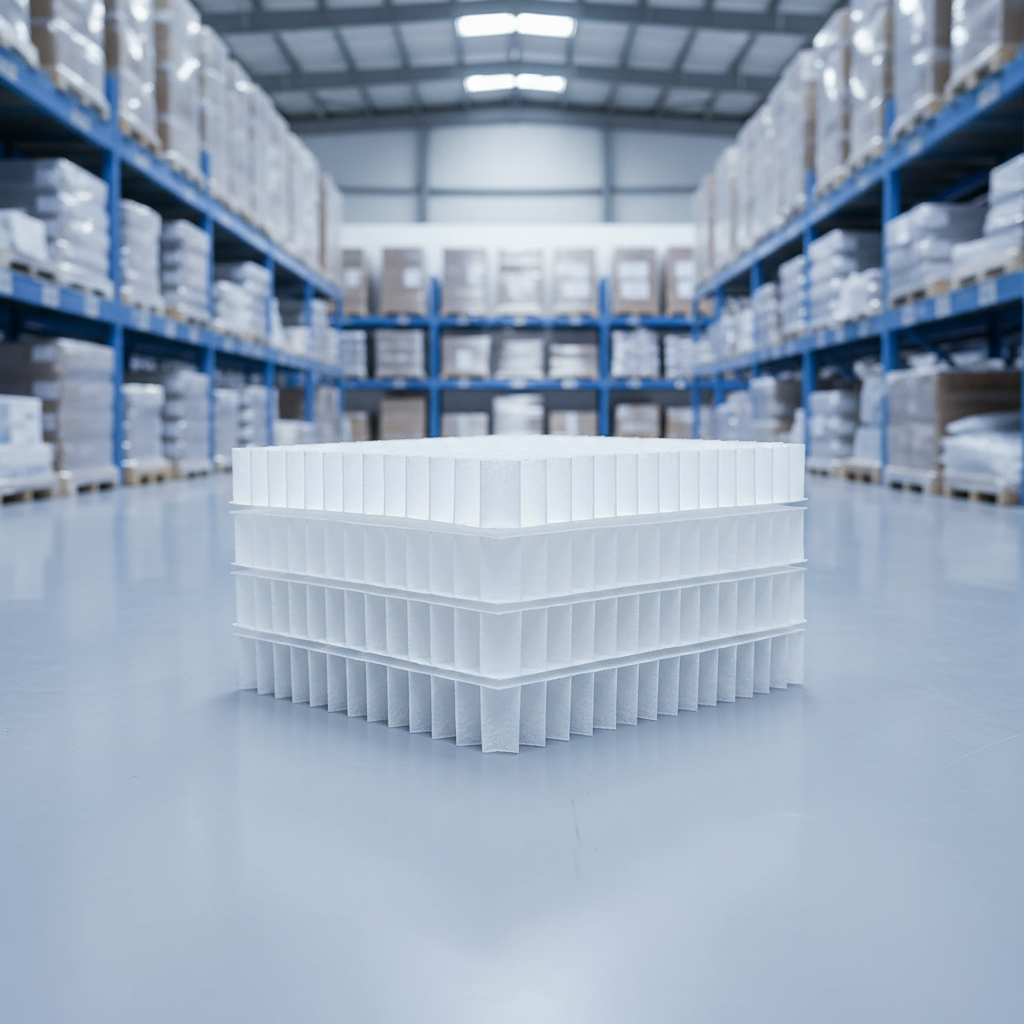
A dust filter cartridge is more than a simple barrier; it is a precision-engineered component designed to separate particulate matter from air streams. At its core, the cartridge consists of a pleated filter medium supported by a structural frame or core. The pleating process is vital as it exponentially increases the surface area available for filtration within a compact cylindrical volume, which directly reduces the air velocity through the media and lowers the initial pressure drop.
The structural integrity of the cartridge is maintained through specialized gluing, welding, and assembly techniques. High-quality cartridges utilize end-caps and gaskets that ensure a leak-proof seal, preventing "bypass"—a condition where unfiltered air escapes around the media. The choice of material, ranging from cellulose to synthetic polypropylene laminates, determines the cartridge's ability to handle humidity, temperature fluctuations, and corrosive chemicals.
Filtration efficiency is primarily governed by the pore size distribution and the depth of the filter media. In industrial dust collection, the goal is to capture sub-micron particles without creating an impenetrable wall that chokes the airflow. This is achieved by optimizing the fiber diameter and the density of the nonwoven or fiberglass layers. When the media is too dense, energy costs rise due to increased fan load; when it is too porous, air quality suffers.
The critical balance in cartridge performance is the relationship between dust cake formation and pulse-jet cleaning efficiency. A well-manufactured cartridge allows for a controlled build-up of a "dust cake," which actually improves filtration efficiency, while ensuring the media is robust enough to shed this cake during cleaning cycles without suffering fiber fatigue.
Furthermore, the precision of the pleat depth and spacing is paramount. Inconsistent pleating leads to uneven airflow distribution, causing certain areas of the media to load faster than others. This premature clogging reduces the effective life of the cartridge and increases the frequency of cleaning cycles, which can eventually lead to mechanical failure of the filter media through repeated stress.
The operational value of a cartridge is measured by its Total Cost of Ownership (TCO), rather than the initial purchase price. Precision-pleated media, produced by automated machinery, ensures that the pleat count is maximized and uniform. This uniformity translates to a more stable pressure drop across the entire life of the filter, reducing the energy consumption of the vacuum blowers and extending the interval between replacements.
When manufacturers implement advanced servo-motor control systems in their pleating lines, they eliminate the human error associated with manual folding. This results in consistent pleat depths and strong structural bonds at the edges. For the end-user, this means fewer cartridge collapses under high pressure and a significant reduction in the risk of system contamination due to media rupture.
In the woodworking and metalworking industries, cartridges are deployed to capture fine sawdust and metallic grinding dust. These environments require media with high mechanical strength and an ability to handle varied particle sizes. Here, cellulose or synthetic nonwoven media are often preferred for their balance of cost and durability, providing effective capture of coarse and fine particles in high-volume air streams.
In specialized cleanroom or HVAC environments, the requirement shifts toward HEPA-grade glass microfiber media. These cartridges are designed to capture particles as small as 0.3 microns with 99.97% efficiency. In these scenarios, the focus is on absolute filtration and preventing the re-entrainment of particles into the processed air, making the precision of the glass fiber density the most critical performance metric.
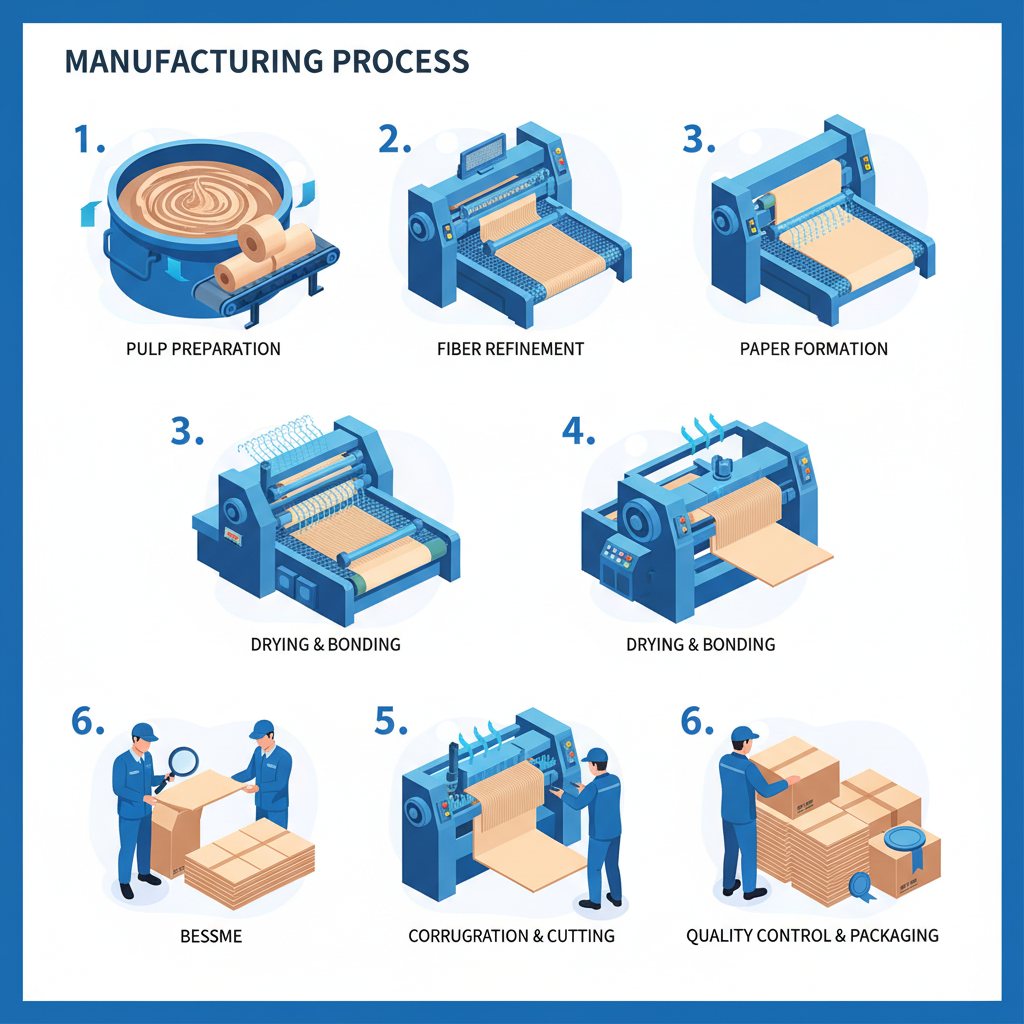
The transition from manual workshops to automated production lines has revolutionized the consistency of filter cartridges. Modern filter making machines now integrate the entire process—from raw material feeding and pleating to gluing and final assembly—into a single synchronized workflow. This automation ensures that every cartridge produced meets exact dimensional specifications, regardless of the production volume.
The introduction of touchscreen control panels and modular designs allows manufacturers to quickly switch between different media types, such as transitioning from oil filter paper to HEPA filter paper. This versatility is crucial for suppliers serving diverse industries, as it allows for the production of customized cartridges tailored to specific chemical or thermal requirements without needing entirely separate production lines.
Furthermore, the use of high-precision servo motors for pleating ensures that pleat depth remains constant throughout the roll of media. This eliminates "drift" in the pleat geometry, which is a common flaw in older equipment. As a result, the finished cartridges exhibit superior structural integrity and a more predictable airflow resistance, which is essential for large-scale industrial dust collector systems.
One of the most frequent challenges in filter integration is the mismatch between the cartridge dimensions and the housing seals. Even a few millimeters of variance can lead to air bypass, rendering the high-efficiency media useless. The solution lies in adopting rigorous quality control systems and using precision-engineered moulds during the assembly process to ensure a perfect fit.
Another significant issue is "blinding," where moisture or oily aerosols create a waterproof film over the media, preventing air from passing through. To solve this, manufacturers develop hydrophobic or oleophobic coatings for the filter media. By selecting a composite fiberglass or synthetic laminate with the appropriate surface tension, the cartridges can effectively repel moisture while still capturing dry dust particles.
Finally, the mechanical stress caused by frequent pulse-jet cleaning can lead to the gradual degradation of the pleat bonds. This is mitigated by using high-strength industrial adhesives and optimizing the welding process of the end caps. Ensuring that the bond between the media and the support structure is stronger than the cleaning pressure is key to extending the lifecycle of the filter cartridge.
| Environment Type | Recommended Media | Key Benefit | Main Limitation |
|---|---|---|---|
| Dry Wood Dust | Cellulose Paper | Cost-effective | Low moisture resistance |
| Metal Grinding | Nonwoven Polyester | High durability | Moderate efficiency |
| Chemical Fumes | Composite Fiberglass | Chemical stability | Fragile structure |
| Cleanroom/Lab | Glass Microfiber | Absolute filtration | High pressure drop |
| Oily Aerosols | Synthetic Laminate | Hydrophobic surface | Higher cost |
| General HVAC | Polypropylene Media | Balanced airflow | Lower particle capture |
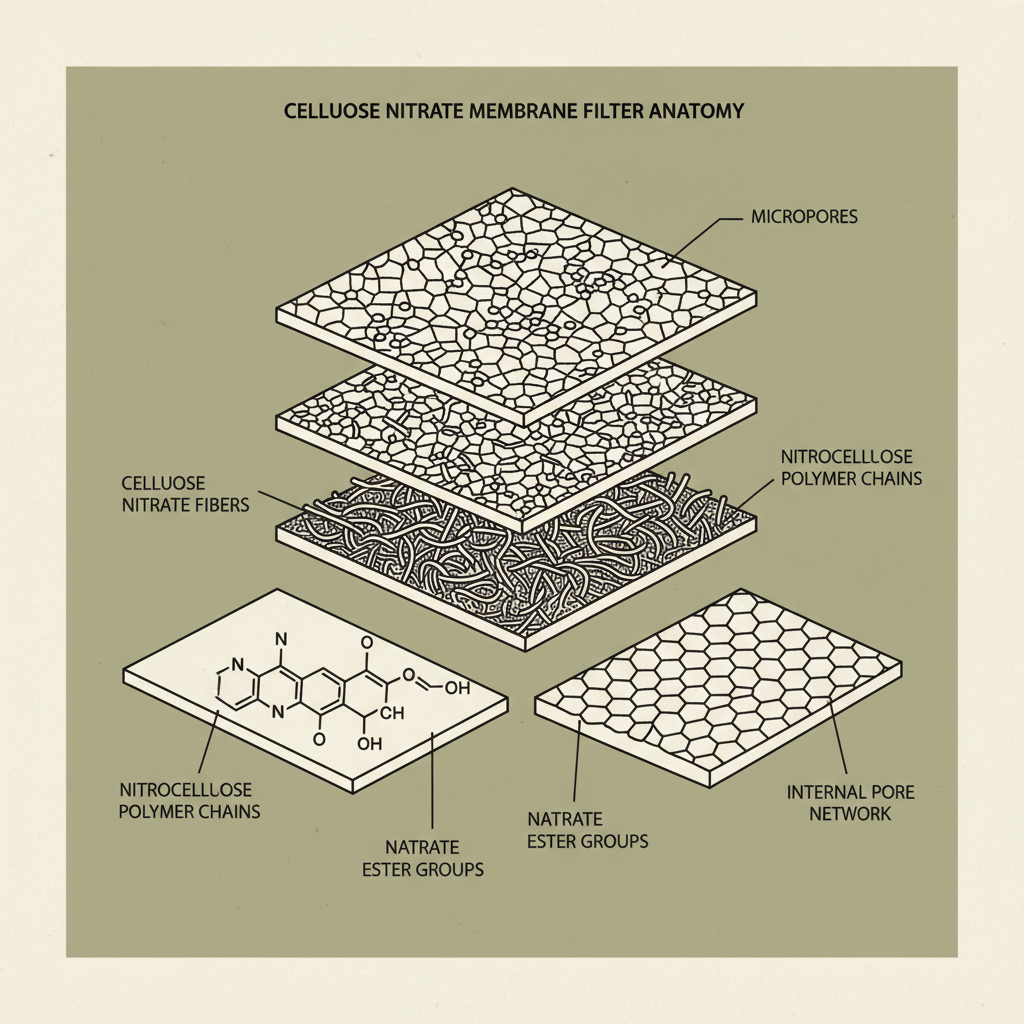
Cellulose media is primarily derived from wood pulp and offers excellent structural stability and cost-efficiency for dry dust applications. In contrast, synthetic media (like polyester or polypropylene) provides superior resistance to moisture, chemicals, and mechanical stress during pulse cleaning. The choice depends on whether the priority is low initial cost or long-term durability in harsh environments.
The most accurate indicator is the differential pressure gauge on your dust collector. When the pressure drop across the filter exceeds the manufacturer's recommended limit (typically a specific inch of water gauge), it indicates that the cartridges are loaded beyond the cleaning system's capacity. Frequent cleaning cycles without a corresponding drop in pressure also signal that the media has reached its end-of-life.
No, precise fit is critical. Cartridges must match the housing's inner diameter, height, and gasket specifications exactly. Even a slight mismatch can create gaps that allow unfiltered air to bypass the media, leading to poor air quality and potential regulatory violations. Always verify the exact dimensions and seal type before ordering replacements.
Blinding occurs when liquid contaminants, such as oil or water, coat the filter fibers, filling the pores and blocking airflow. This is prevented by using hydrophobic or oleophobic media coatings or by installing a pre-filter/demister to remove moisture before it reaches the main cartridges. Ensuring that the air temperature remains above the dew point also reduces condensation on the media.
Consistent pleating ensures that air flows evenly across the entire surface of the media. If pleats are uneven, the air will naturally follow the path of least resistance, overloading some sections of the filter while others remain underutilized. This leads to premature clogging in "hot spots" and reduces the overall operational life of the cartridge.
Automated manufacturing eliminates the variance found in manual production. By using servo-controlled pleating and automated gluing, manufacturers can guarantee exact dimensions and strong structural bonds. This results in a product with a more predictable pressure drop and a longer lifespan, which lowers the total cost of ownership for the end-user.
Selecting the right dust filter cartridge requires a deep understanding of the relationship between media properties, pleating precision, and the specific demands of the industrial environment. From managing differential pressure to preventing media blinding, the technical quality of the cartridge directly dictates the efficiency and sustainability of the entire air filtration system. Investing in precision-manufactured components ensures not only environmental compliance but also significant energy savings over the system's lifecycle.
For organizations seeking to optimize their filtration infrastructure, partnering with a manufacturer that combines advanced automation with material expertise is essential. By focusing on technical specifications and long-term operational value rather than initial cost, you can ensure a more reliable and cost-effective air cleaning process. To explore high-performance media and automated production solutions, visit https://www.anyafiltermedia.com.