Understanding Metal Gauze Filters: Applications & Benefits
In a vast range of industrial processes, efficient filtration is paramount. Among the many filtration solutions available, metal gauze filters stand out for their durability, performance, and versatility. This article will explore the intricacies of metal gauze filters, delving into their construction, key applications, benefits, and factors to consider when choosing the right filter for your needs. Effective filtration is crucial for protecting equipment, ensuring product quality, and maintaining safe operating conditions. We'll examine how metal gauze filters contribute to these objectives.
What are Metal Gauze Filters?
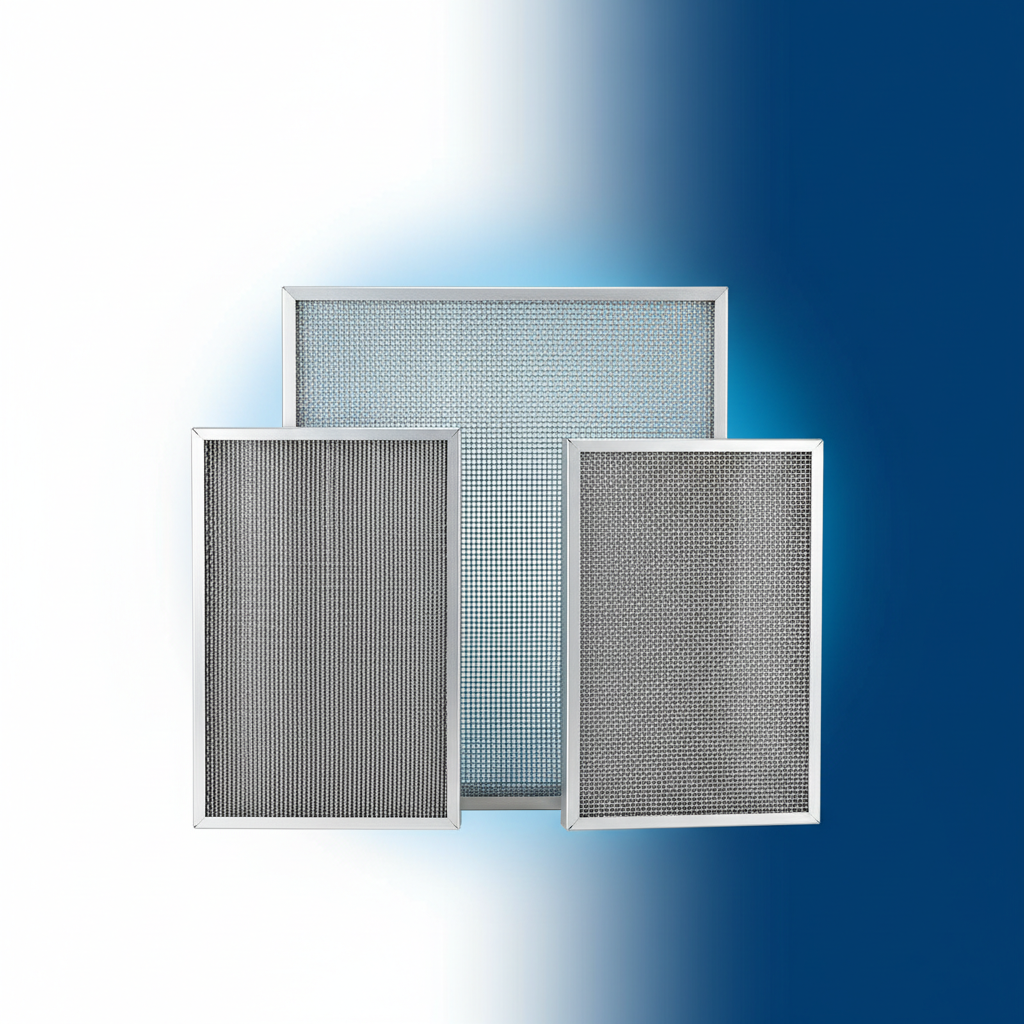
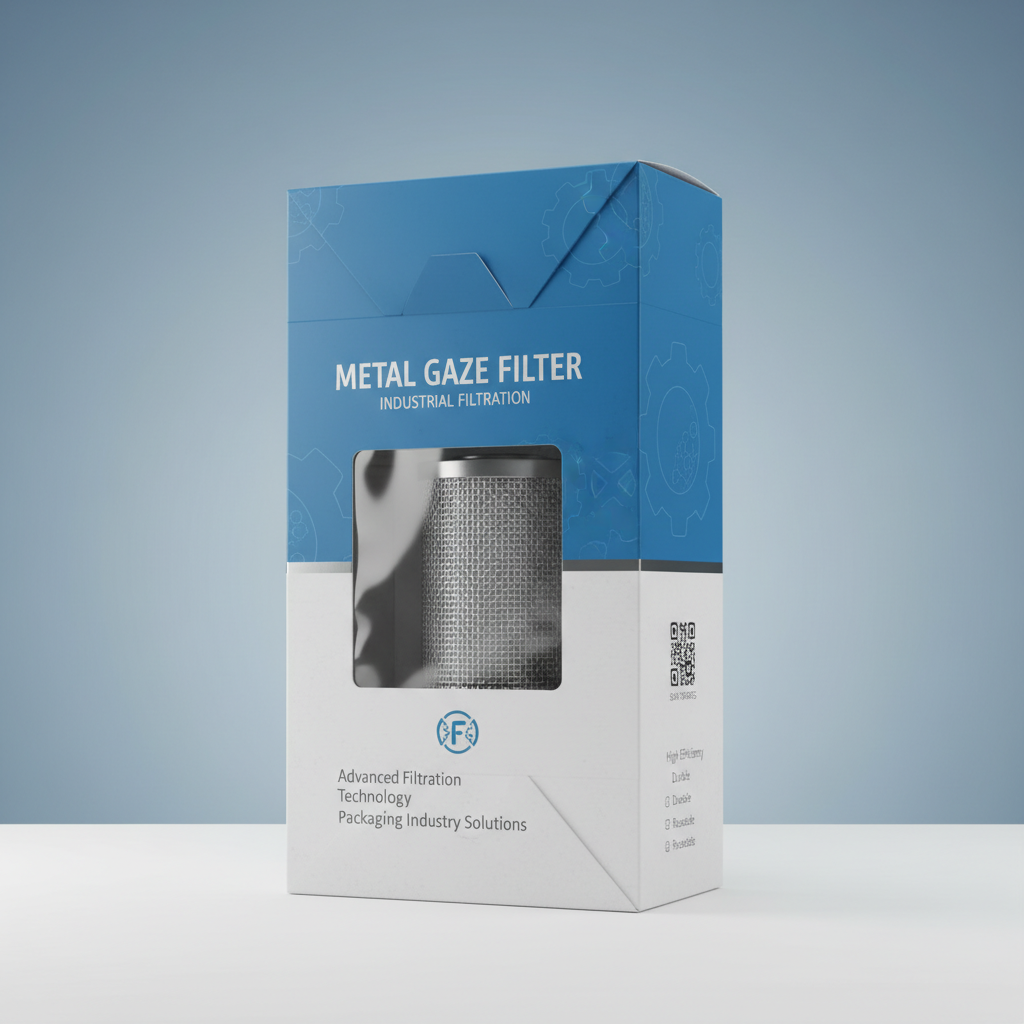
Metal gauze filters, also known as woven metal mesh filters, are constructed from intricately woven metallic wires. These wires are typically stainless steel, but other alloys like Monel, Hastelloy, or Inconel can be used depending on the application's specific requirements. The weaving process creates a precise and consistent pore size, allowing for highly accurate filtration. The mesh count (number of wires per inch) determines the filter's filtration rating – higher mesh counts equate to finer filtration. These filters are known for their resistance to high temperatures, pressures, and corrosive environments, making them ideal for demanding industrial applications. They offer a robust and long-lasting filtration solution where other materials might fail.
Key Highlights: Constructed from durable metallic wires, with customizable mesh counts for precise filtration. Resistant to extreme temperatures, high pressure, and corrosive substances.
Key Applications of Metal Gauze Filters
The versatility of metal gauze filters makes them suitable for a wide spectrum of industries and applications. They are commonly used in the petrochemical industry for filtering catalysts and process fluids. In the pharmaceutical industry, they ensure the purity of products by removing particulate matter. They are vital in the food and beverage sector, clarifying liquids and separating solids. Furthermore, they find application in aerospace for fuel and hydraulic fluid filtration, and in the automotive industry for air intake and oil filtration. The ability to withstand harsh conditions and provide consistent filtration makes them essential across these diverse sectors.
Application Examples:
• Petrochemical: Catalyst filtration, process fluid purification
• Pharmaceutical: Product sterilization, particulate removal
• Food & Beverage: Liquid clarification, solid-liquid separation
• Aerospace: Fuel & hydraulic fluid filtration
Metal Gauze Filter vs. Other Filter Types
Comparing metal gauze filters with other filtration options reveals their unique advantages. Compared to paper filters, metal gauze filters offer significantly greater durability and resistance to temperature and pressure. Unlike plastic filters, they are more chemically resistant and do not degrade over time. While ceramic filters provide high-temperature resistance, they are often brittle and more expensive. Metal gauze filters strike a balance between performance, durability, and cost-effectiveness, making them a preferred choice for many demanding applications. They’re also reusable, after cleaning, unlike disposable options like paper filters.
Factors to Consider When Choosing a Metal Gauze Filter
Selecting the appropriate metal gauze filter requires careful consideration of several factors. The first is the particle size you need to remove – this determines the required mesh count. Next, the operating temperature and pressure of the system must be evaluated to ensure the filter can withstand the conditions. The chemical compatibility of the filter material with the fluid being filtered is crucial to prevent corrosion or degradation. Finally, the flow rate and pressure drop across the filter should be considered to maintain optimal system performance. Anya Filter Media offers expert guidance in selecting the perfect filter for your application.
Conclusion: Investing in Quality Filtration
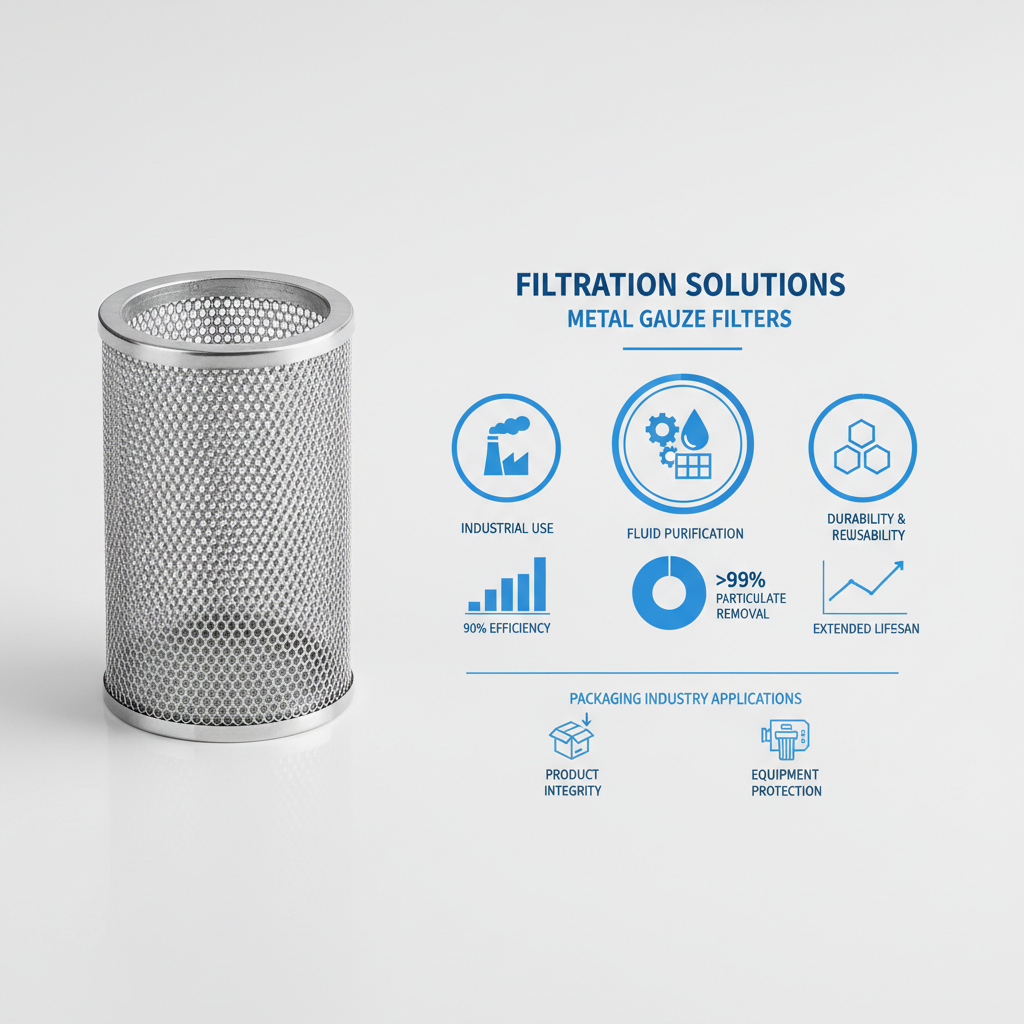
Metal gauze filters provide a robust and reliable filtration solution for a diverse range of industrial applications. Their durability, high-temperature resistance, and chemical compatibility make them an ideal choice where performance and longevity are paramount. By carefully considering your specific needs and consulting with filtration experts like Anya Filter Media, you can ensure optimal filtration performance and protect your valuable equipment. Investing in quality filtration isn’t just about efficiency; it's about safety, product quality, and long-term cost savings.
Frequently Asked Questions (FAQs)
What materials are metal gauze filters typically made from?
The most common material for metal gauze filters is stainless steel (typically 304 or 316), chosen for its corrosion resistance and durability. However, other alloys like Monel, Hastelloy, Inconel, and titanium are used for more specialized applications requiring resistance to particularly aggressive chemicals or extreme temperatures. The choice of material depends heavily on the fluid being filtered and the operating environment. Each alloy offers different levels of resistance to various corrosive agents.
How do I clean a metal gauze filter?
Cleaning procedures depend on the type of contaminant. For particulate matter, backwashing with a compatible solvent or using compressed air can be effective. For stubborn deposits, ultrasonic cleaning may be required. Avoid abrasive cleaning methods that could damage the mesh. It's essential to ensure the cleaning agent is compatible with the filter material and doesn't leave any harmful residue. A thorough inspection should be performed after cleaning to verify the integrity of the mesh.
What is mesh count, and how does it relate to filtration?
Mesh count refers to the number of wires per inch in the woven metal gauze. A higher mesh count means more wires per inch, resulting in smaller openings and finer filtration. Lower mesh counts are used for coarser filtration, while higher mesh counts are used for removing very fine particles. The appropriate mesh count depends on the size of the particles you need to remove from the fluid. Understanding this specification is critical when selecting the correct filter for your application.
Can metal gauze filters be used for hot liquids or gases?
Yes, metal gauze filters are particularly well-suited for high-temperature applications, unlike many other filter materials. Stainless steel and other alloys used in their construction maintain their structural integrity and filtration efficiency at elevated temperatures. They are commonly used in processes involving hot oil, steam, and high-temperature gases. However, it's crucial to select a material compatible with the fluid and operating temperature to avoid corrosion or degradation.
Post time: Apr-04-2026