Understanding glass wool filter media: A veteran’s insight
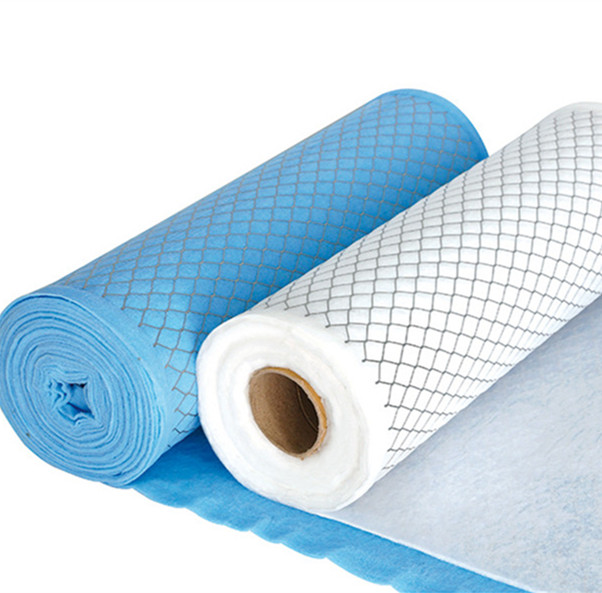
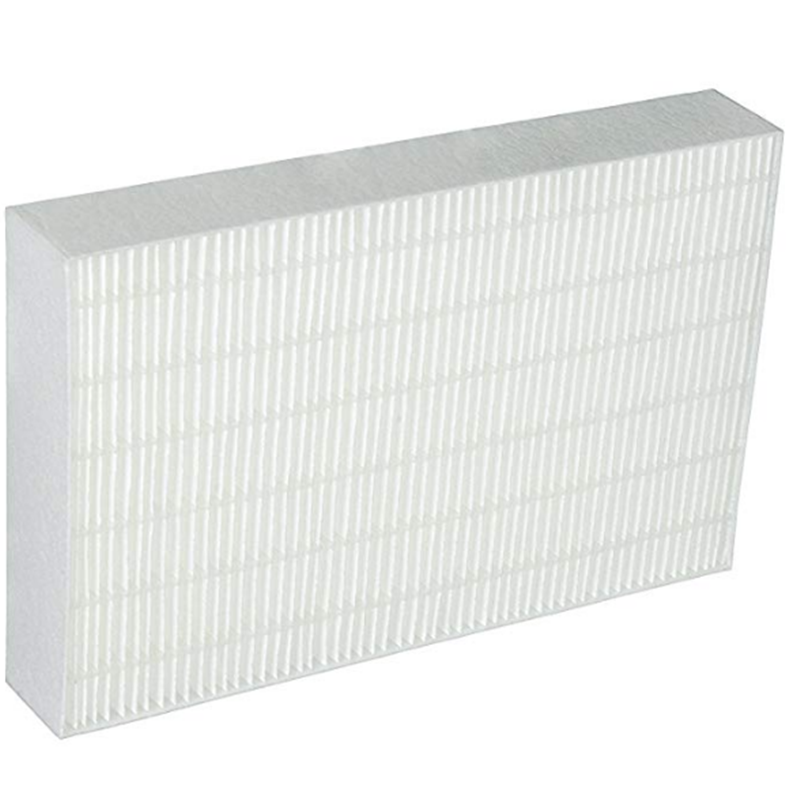
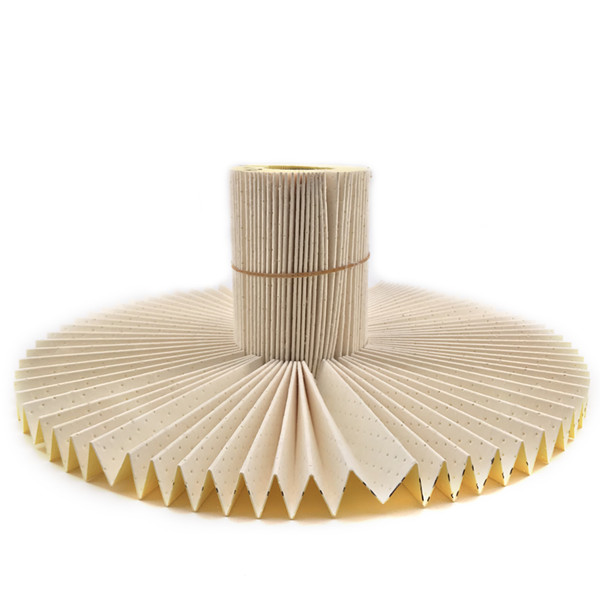
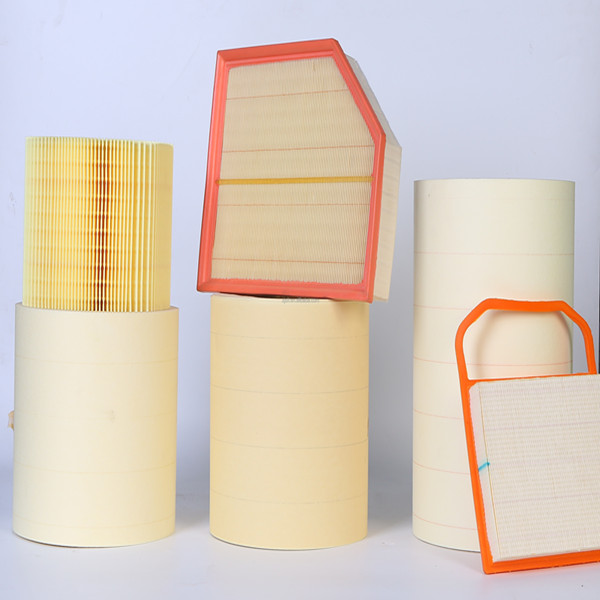
If you’ve been around the industrial filtration scene for any length of time, you’ll know how often glass wool filter media quietly does the heavy lifting. Frankly, it’s one of those materials that doesn’t get enough credit outside specialist circles—even though it’s everywhere in dust collection, HVAC systems, and air purification setups. I’ve handled a lot of filter media over the years, but the sheer versatility and reliability of glass wool stand out.
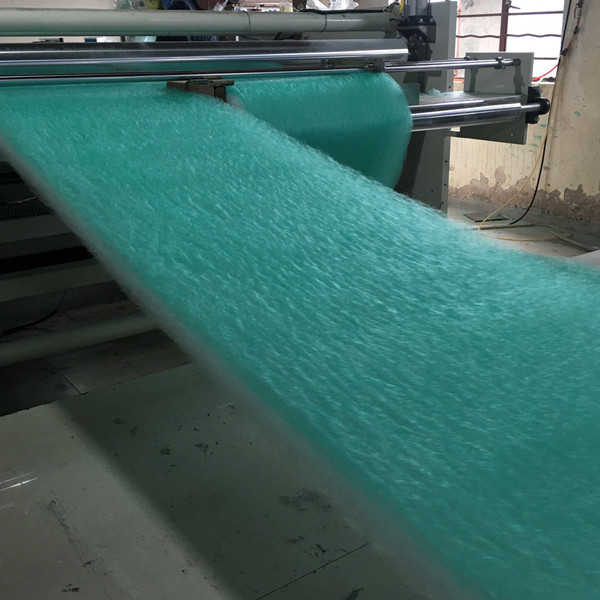
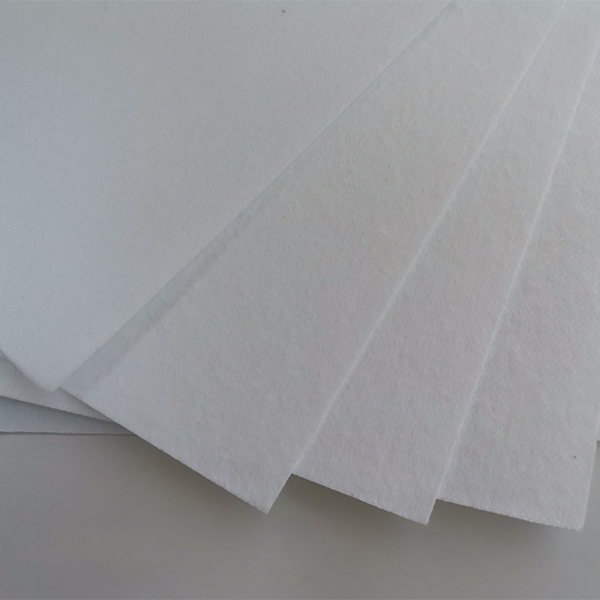
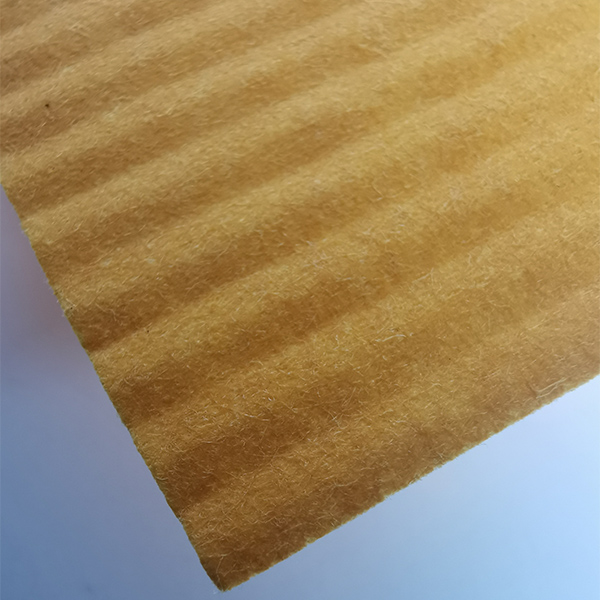
What I always appreciate about glass wool is its unique construction. It’s made from spun glass fibers, which gives it a lightweight but resilient structure. This means it traps particles effectively without choking airflow—a balance that’s crucial in real-world applications. Oddly enough, the same fibers that make fiberglass insulation popular also serve as excellent filtration layers. A lot of engineers I know swear by it because it can be customized thickness-wise or density-wise to fit specific filtration needs.
Speaking of specs, here’s a straightforward rundown of typical glass wool filter media characteristics to keep handy:
| Property | Specification |
|---|---|
| Fiber Diameter | 3–6 microns |
| Thickness | 10–50 mm (customizable) |
| Density | 12–48 kg/m³ |
| Operating Temperature | Up to 450°C |
| Air Permeability | 200–300 L/m²/s |
| Main Applications | Dust collection, HVAC, gas turbines |
From my time in the field, there’s a saying: “The devil’s in the details.” With glass wool media, it rings true because performance is hugely influenced by the finishing treatments applied. For example, some vendors add a water-repellent coating or resin binders to improve durability, especially in humid or corrosive environments. Those tweaks can make all the difference in lifespan and efficiency.
Now, I won’t claim that all glass wool filter media are created equal. I’ve seen quality swings that really highlight the importance of picking the right supplier. To help you navigate that, here’s a quick comparison of three well-known vendors I’ve worked with or encountered at trade shows, focusing on key decision factors:
| Feature | Vendor A | Vendor B | Vendor C |
|---|---|---|---|
| Customization Options | High (density, thickness) | Medium | Low |
| Price Range | $$$ | $$ | $ |
| Coating Treatments | Water-repellent, anti-static | Standard | Limited |
| Lead Time | 2–3 weeks | 1–2 weeks | 1 week |
| Industry Experience | >25 years | ~15 years | ~7 years |
I’ll share a quick anecdote from my past—that might resonate with others. Once, a client in the automotive parts manufacturing business approached me frustrated by rapid filter clogging and frequent downtime. After a little digging, it turned out they were using a lower-grade glass wool media that wasn’t coated properly for their humid environment. We recommended switching to a higher-density, coated glass wool filter media variant, and the improvement was almost immediate. Production uptime improved by 15%, and maintenance costs dropped. It feels great when a relatively small material tweak can bring that kind of operational boost.
To be fair, glass wool media isn’t the magic bullet for every filtration problem—there are situations where other materials like synthetic fibers or activated carbon might take precedence. But if your specs call for high temperature resilience, superior dust holding capacity, and affordable durability, glass wool often fits the bill.
In the end, choosing the right glass wool filter media always comes down to understanding the unique demands of your industrial process and balancing cost with performance. From where I stand, it’s about building partnerships with vendors who know the material inside out—and frankly, that’s where industry veteran suppliers shine the most.
So, if you want to dive a bit deeper and perhaps explore some quality options, I recommend starting with glass wool filter media specialists like Anya Filter Media. Experience counts, and I suppose that’s worth its weight in gold in our line of work.
That’s my two cents. Hopefully, this gives you a more grounded perspective beyond the typical brochure talk.
Keep your filters clean and your air clearer.
- Glass Wool Properties and Applications – Journal of Industrial Materials, 2021
- Evaluation of Filter Media Performance, Air Quality Engineering Report, 2023
- Vendor Case Study: Improving Dust Collection – Industrial Solutions Quarterly, 2022
Post time: Dec-11-2025