Understanding the Power of the Filter Machine: Why It Matters Worldwide
If you pause and think about the countless industries and sectors relying on clean, pure materials—be it water, chemicals, or air—the filter machine quietly plays a pivotal role. From massive manufacturing plants ensuring product quality to remote disaster zones providing clean water, these machines aren’t just gadgets; they’re lifelines connecting humanity to safety, sustainability, and innovation.
Filter machines help separate unwanted substances from liquids or gases, enabling smoother operations and healthier environments. Given global challenges like urban pollution, water scarcity, and industrial waste management, understanding filter technology has become more critical than ever. Essentially, it's a powerful tool fighting contamination on many fronts.
In short, analyzing how filter machines work and their global applications gives us insight into industrial progress but also humanitarian efforts. Let’s explore the story behind these quiet heroes.
Explore more about filter machine technology hereGlobal Context: The Filter Machine’s Place in a Changing Industry Landscape
On a global scale, the demand for filtration technology is surging. According to the World Bank, over 2 billion people lack access to safely managed drinking water, which alone highlights the dire need for robust filtering solutions. Industrial pollution is estimated to contribute significantly to environmental degradation—ISO standards (ISO 16889, for instance) are continuously evolving to ensure filtration meets tough quality benchmarks.
The filter machine addresses these massive challenges, from wastewater treatment in urban centers to filtering particulates in manufacturing exhausts. The United Nations’ Sustainable Development Goals (SDG 6) emphasize clean water availability, linking directly to how well filtration tech performs globally.
Yet, a challenge persists: many regions suffer from outdated or underperforming filter systems that waste resources or fail to ensure safety. This gap is what drives innovation as industries demand machines that deliver clean output efficiently, reliably, and affordably.
What Exactly Is a Filter Machine?
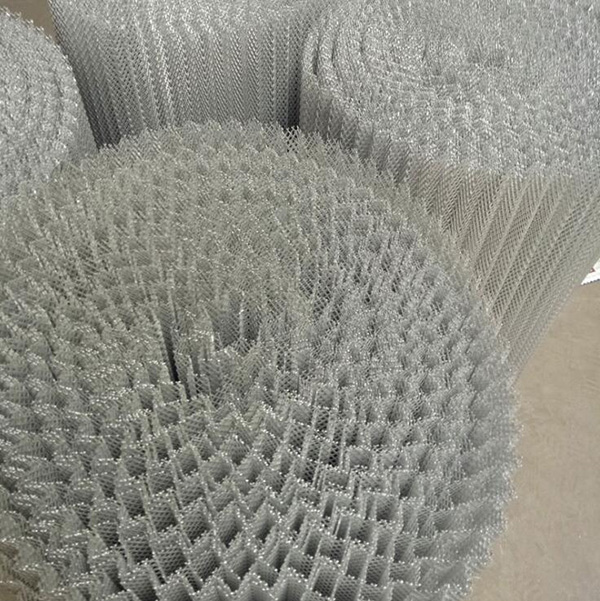
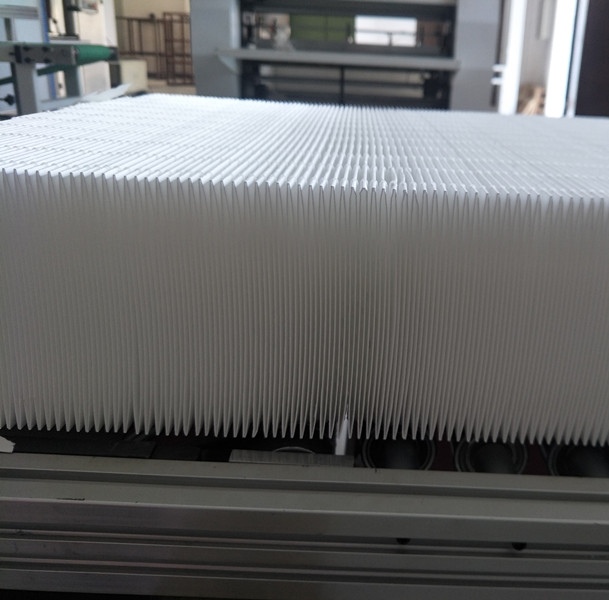
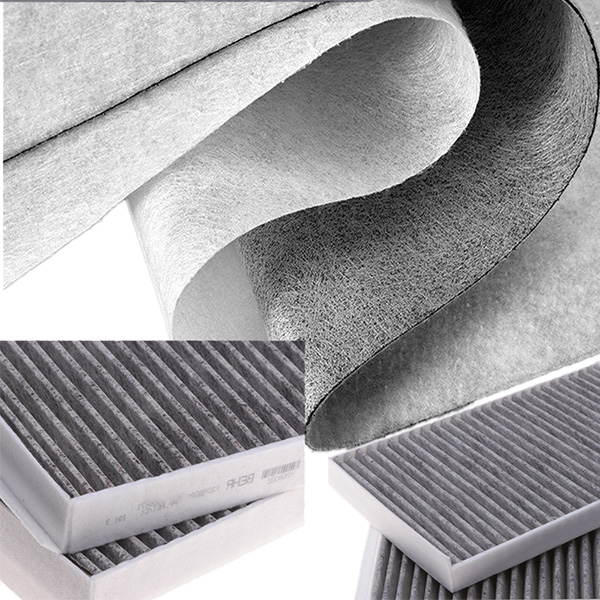
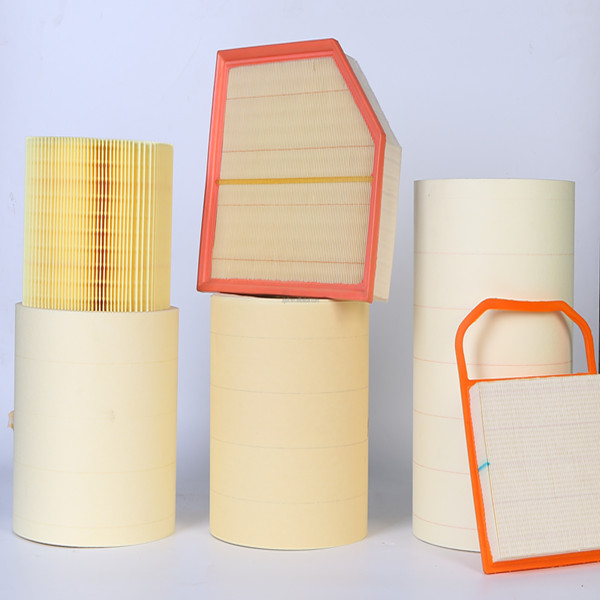
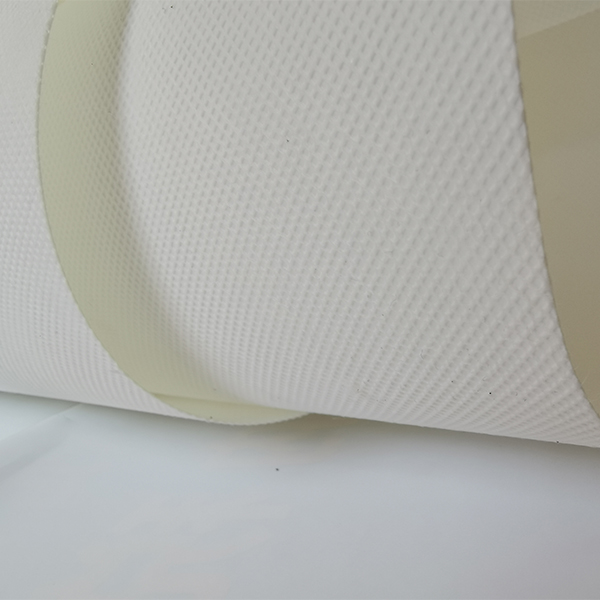
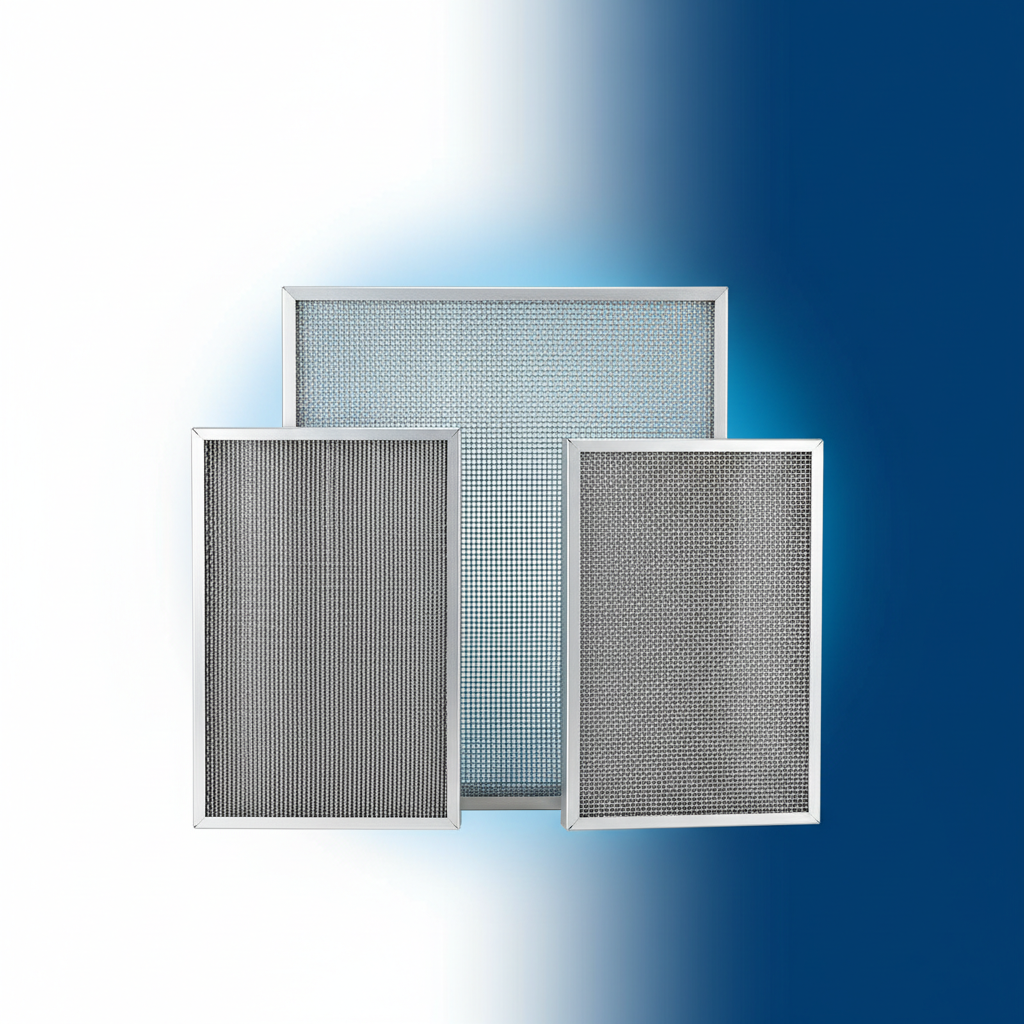
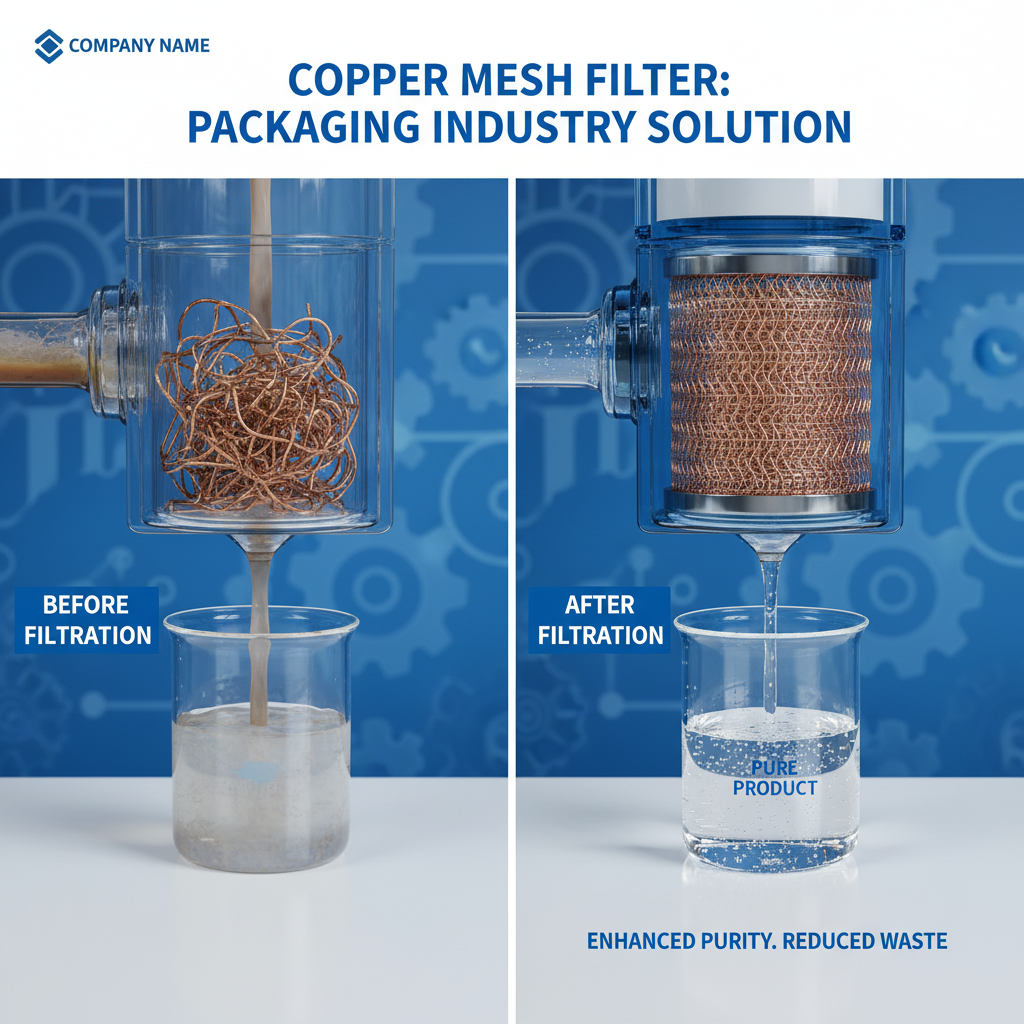
Put simply, a filter machine is a device designed to remove impurities from fluids (liquids or gases) by trapping particles within filter media. Picture a sieve for sand and water, but vastly more complex, combining materials like mesh screens, activated carbon, ceramics, or membranes.
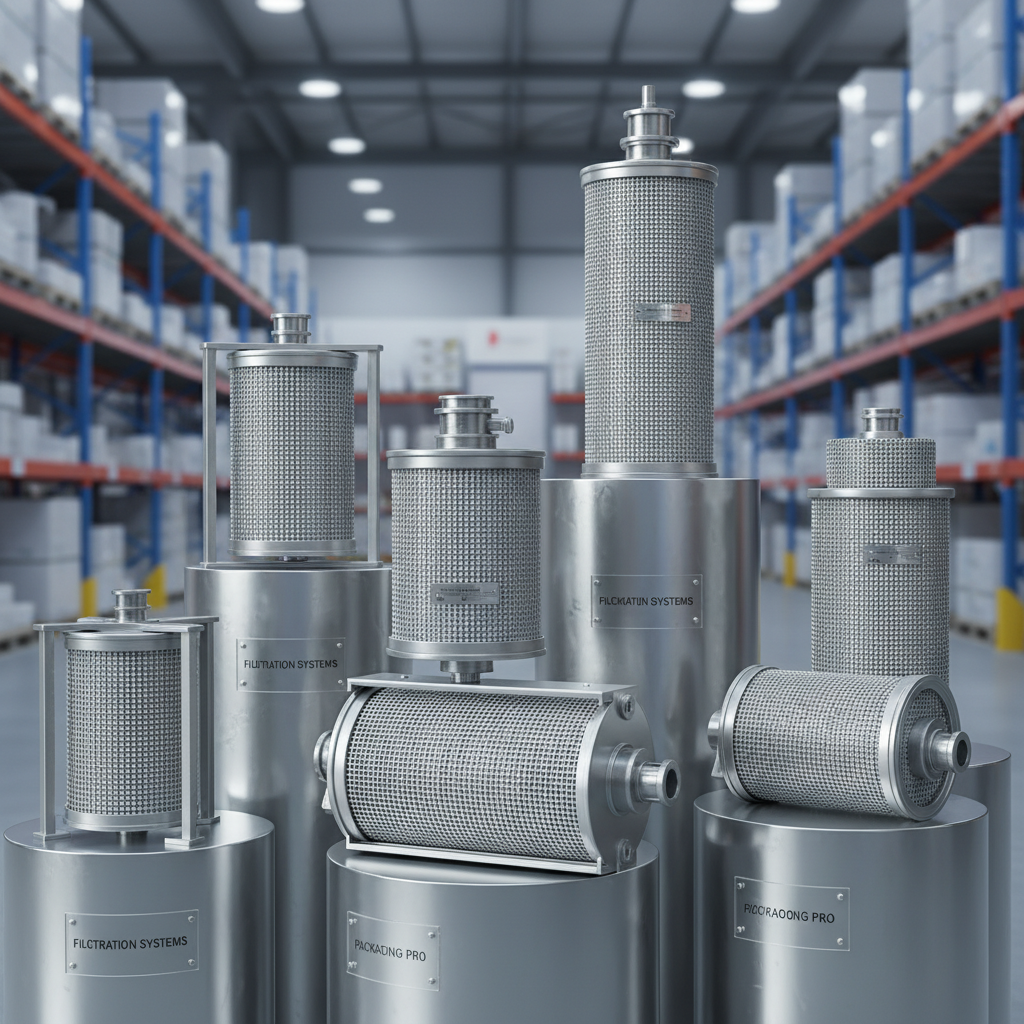
In industrial terms, filter machines might be pressurized units, self-cleaning systems, or modular setups tailored to different needs—whether filtering oil in automotive factories or ensuring potable water quality in rural clinics. Their role in both the manufacturing world and public health sectors can’t be overstated.
Core Components of Effective Filter Machines
1. Durability and Material Construction
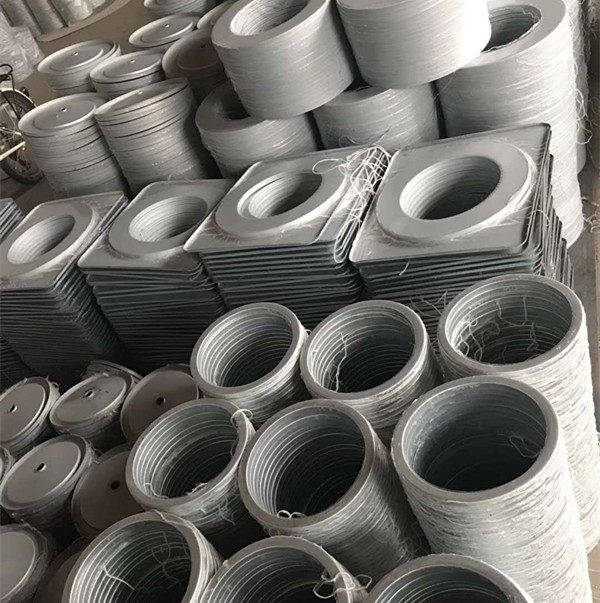
Most engineers I’ve talked to insist that a filter machine’s longevity comes down to what it’s made of. Stainless steel frames, corrosion-resistant media, and temperature-tolerant seals make all the difference when these machines run 24/7 in tough environments.
2. Filtration Efficiency
Whether fine particle removal or coarser sediment filtration, efficiency depends on the selection of filter media and system design. Many filter machines offer multi-stage processes, enhancing purity levels substantially.
3. Scalability and Modular Design
One size doesn’t fit all. From small laboratories to huge industrial plants, scalable filtering solutions allow for adapting capacity quickly, saving money and space.
4. Energy Consumption and Cost Efficiency
Energy demand is a silent factor; machines optimized for low power usage without compromising output essentially save industries millions per year.
5. Ease of Maintenance and Automation
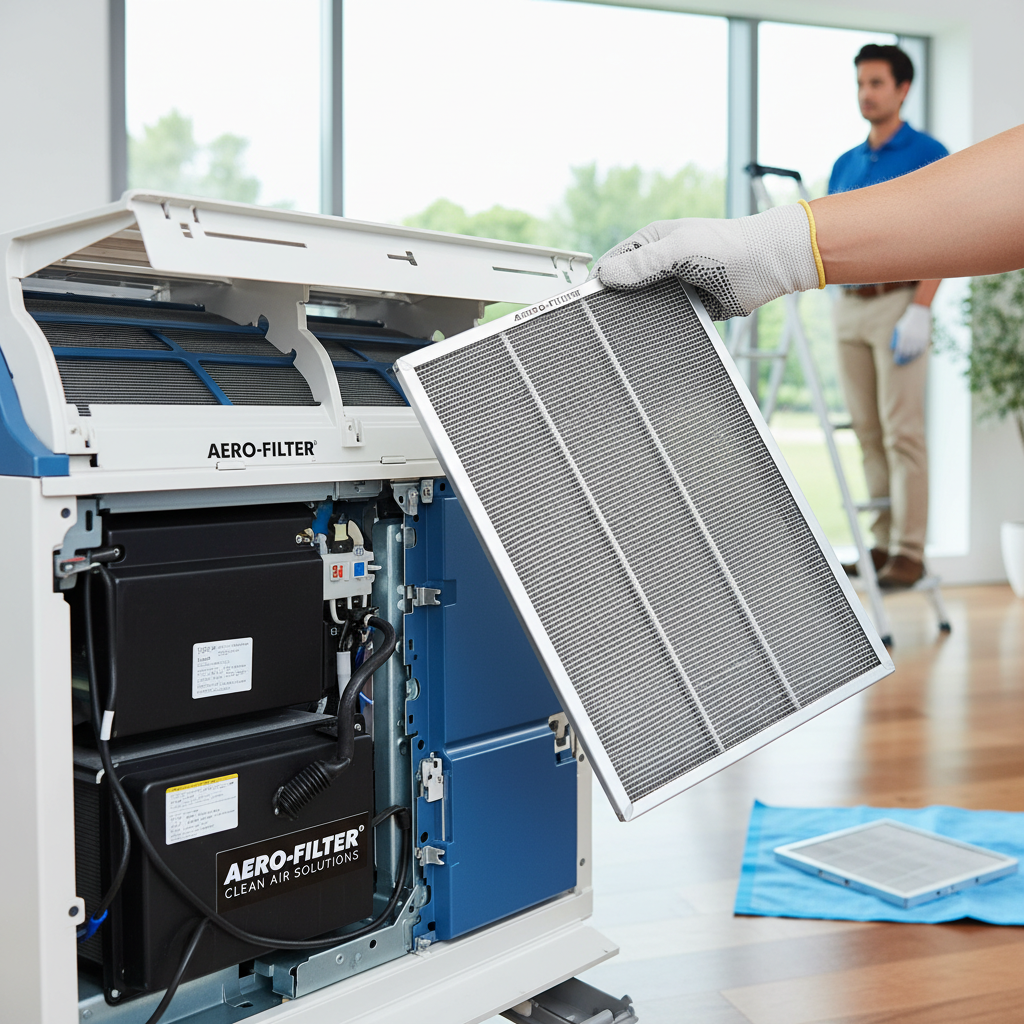
Modern filter machines often feature automated back-flushing — a cleaning process that minimizes downtime. This means fewer personnel interventions, lower error margins, and longer service intervals.
Mini takeaway: When choosing a filter machine, consider how durable it is, how well it filters, its scalability, and operational costs—those parameters often predict ROI.
Where Filter Machines Make a Real Difference Globally
Filter machines prove indispensable in many areas worldwide:
- Water Treatment Plants: Near cities and towns, ensuring safe drinking water.
- Food & Beverage Industry: Ensuring purity and taste consistency in everything from juices to dairy.
- Disaster Relief Efforts: In regions struck by floods or earthquakes, portable filter machines help provide clean drinking water.
- Oil & Gas Sector: Cleaning up fluids to protect equipment and improve output quality.
- Pharmaceutical Manufacturing: Precision filtering critical to medicine purity.
Oddly enough, remote mining operations in countries like Australia or Canada rely heavily on robust filtering units to separate contaminants from water extracted during ore processing. Even NGOs deploying portable filter machines in the Amazon jungle consider them essential survival gear.
Advantages and Long-Term Value of Modern Filter Machines
In real terms, investing in a top-tier filter machine pays dividends not just economically but socially and environmentally. Here’s why:
- Health & Safety: By removing pathogens and toxic substances, filters guard public health effectively.
- Cost Savings: Reduced downtime, less waste, and longer equipment lifespans.
- Sustainability: Supporting water reuse, reducing pollutant discharge, and aligning with green policies.
- Trust & Compliance: Meeting international standards inspires consumer and regulator confidence.
Many companies report not just operational improvement but customer goodwill after upgrading filtration systems. It’s that intangible edge everyone craves. Plus, the less you worry about contamination, the more innovative you feel. It’s a quiet but profound reassurance.
What’s Next? Future Trends in Filter Machine Technology
The future looks promising, with innovations like:
- Smart Filters: Sensors and IoT integration for real-time monitoring and predictive maintenance.
- Eco-friendly Materials: Biodegradable filter media and energy-efficient drives.
- Automated Cleaning: Advanced self-cleaning systems reducing manual labor further.
- Hybrid Systems: Combining filtration with disinfection technologies like UV for higher protection.
Industry watchers suggest digital transformation combined with sustainability regulations will push filter machine design into a more adaptive, user-friendly age.
Challenges & Practical Solutions for Using Filter Machines
That said, no technology is perfect. Common challenges include:
- Filter clogging: Leading to pressure drops and inefficiency.
- High upfront costs: Deterring smaller buyers.
- Maintenance complexity: Sometimes requiring skilled technicians.
- Material degradation: Impacted by harsh chemicals or extreme conditions.
Innovative approaches include modular design for easier replacement, automated cleaning to reduce downtime, financing models to ease initial investments, and better training programs.
Filter Machine: Technical Specifications at a Glance
| Feature | Typical Range | Comments |
|---|---|---|
| Flow Capacity | 100–10,000 L/hr | Scalable depending on application |
| Filter Media Type | Membrane, Carbon, Ceramic | Chosen per contaminant profile |
| Operating Pressure | 0.5–10 bar | Suitability varies by machine design |
| Material Compatibility | Acids, Oils, Water | Depends on filter media and seals |
| Power Consumption | 50–500 W | Varies with automation and size |
How Do Vendors Stack Up? A Quick Comparison
| Vendor | Feature Focus | Price Range (USD) | Best For |
|---|---|---|---|
| PureFlow Tech | Smart filtration, IoT integration | $10,000–$50,000 | Large-scale industrial use |
| AquaClean Solutions | Portable units, rugged design | $3,000–$15,000 | Disaster relief, remote fieldwork |
| EcoFilter Co. | Sustainable materials, energy-efficient | $7,000–$25,000 | Medium-scale environmental projects |
Filter Machine - FAQs
- Q1: How do I choose the right filter machine for my industry?
- Start by identifying the contaminants you need to remove and your volume requirements. Consider the media type, pressure, and energy consumption matching your process. Consulting with vendors or specialists who understand your sector ensures optimal selection.
- Q2: Can a filter machine handle fluctuating flow rates?
- Many modern filter machines are designed with scalability and flexibility in mind, often featuring modular systems or automated adjustments to handle flow variations without sacrificing efficiency.
- Q3: What maintenance routines keep filter machines performing well?
- Regular inspections, timely media replacements, and cleaning (mostly automated nowadays) help maintain peak performance. Following manufacturer guidelines and scheduling preventive checks can avoid costly downtime.
- Q4: Are portable filter machines effective in emergency situations?
- Absolutely. Portable filter machines are engineered to be rugged and easy to deploy, making them ideal for disaster relief where clean water is a priority. Their simplicity and reliability often make a critical difference.
- Q5: How energy-intensive are filter machines generally?
- Energy consumption varies by size and technology. Small to medium machines average between 50W to 500W, with energy-efficient models increasingly common to minimize operational costs.
Wrapping It Up: Why A Filter Machine Deserves Your Attention
In a world increasingly conscious about resource efficiency, safety, and sustainability, filter machines stand out as indispensable devices bridging industry and public welfare. Their adaptability—from clearing industrial pollutants to providing clean water where it's desperately needed—shows their true global value.
The key takeaway? Whether you’re an industrial engineer, an environmentalist, or a humanitarian worker, understanding filter machine tech and investing wisely unlocks greater reliability, efficiency, and trust in your projects. For a deeper dive or to find solutions that fit your needs, visit Anyafilter Media.
References:
Post time: Dec-01-2025