Rotary Pleating Machine: What It Is and Why It Matters Globally
In today’s fast-changing manufacturing landscape, the rotary pleating machine stands out as a quiet revolution. But what exactly is it, and why should industries worldwide be paying attention? Simply put, a rotary pleating machine automates the process of pleating fabric or other materials using a rotating drum mechanism—resulting in crisp, consistent folds at speed.
Globally, pleated goods—from face masks to decorative textiles—have surged in demand. This type of machinery is critical not only for improving production efficiency but also for meeting tight quality and hygiene standards in fields like medical supplies and automotive interiors. Understanding the capabilities of rotary pleating machines opens doors for manufacturers seeking innovation and scalability in their workflows.
The Big Picture: Rotary Pleating Machines in the Global Industry
Interestingly, the global textile machinery market was valued north of $20 billion in 2022, and rotary pleating technology forms a notable slice of that pie. According to the International Organization for Standardization (ISO), consistency and repeatability in automated pleating drastically reduce waste – a huge boon for sustainable manufacturing.
Yet, there’s a challenge embedded here: how do companies deploy these machines effectively across diverse regions, especially where labor skills or power supply might be limited? Rotary pleating machines, by being relatively compact and efficient, address these constraints better than many older systems. In relief efforts, for instance, fast pleating of filter fabrics for masks can literally become a front-line defense.
Breaking It Down: What is a Rotary Pleating Machine?
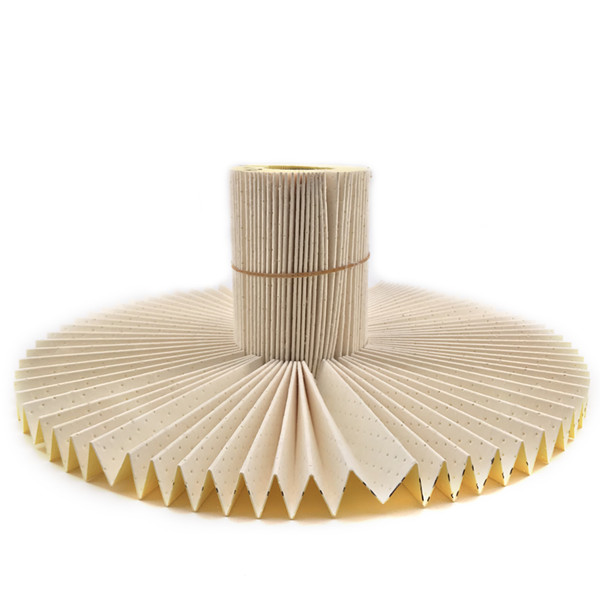
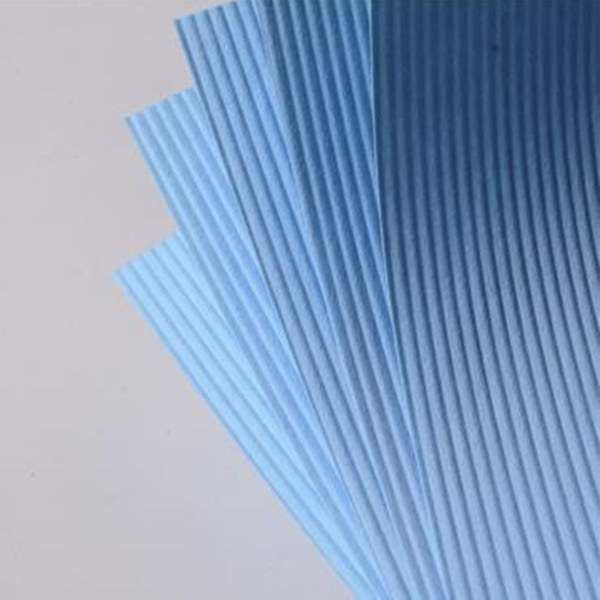
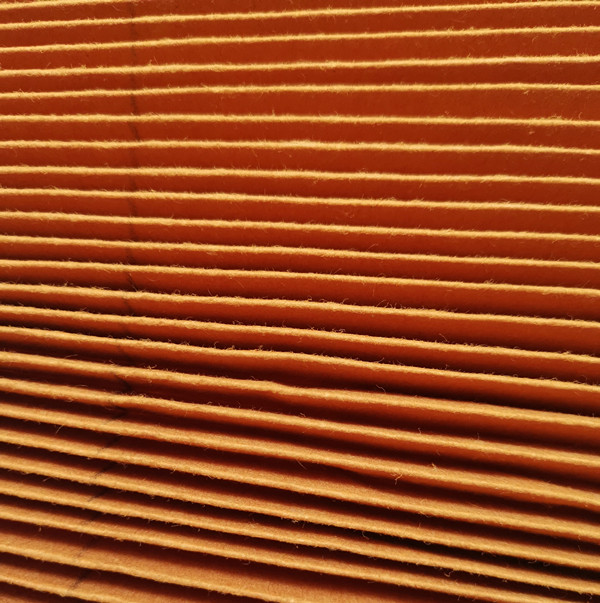
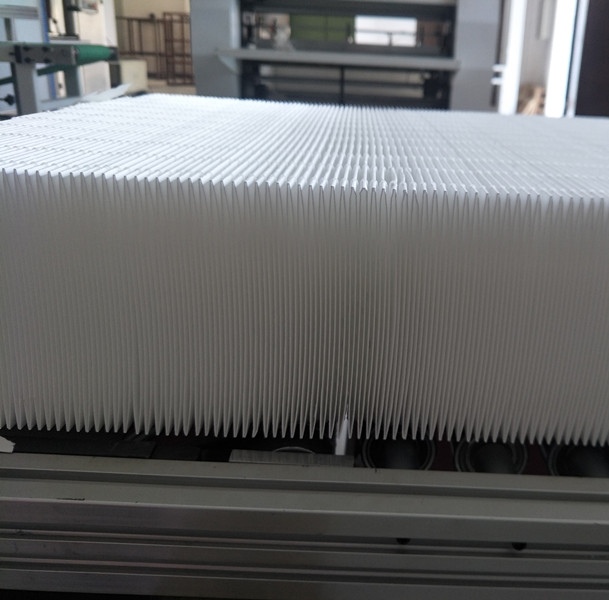
In the simplest terms, think of a rotary pleating machine as an automated fabric “folder.” It uses a rotating drum fitted with pleating plates or fingers to shape uniform folds into materials passing through it. This is quite different from traditional folding where manual effort or simple linear equipment was used. The rotary action allows high throughput without sacrificing quality.
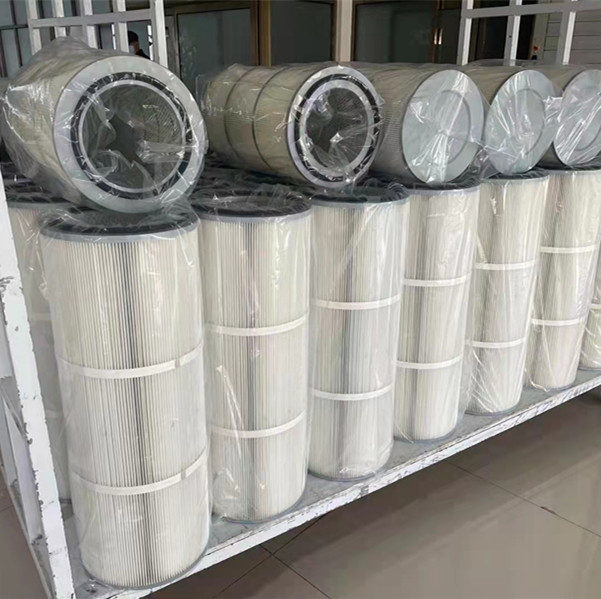
These machines are pivotal beyond factory floors. They serve modern industries including healthcare (pleated surgical masks), automotive (pleated air filters), and even humanitarian needs (tent fabrics with reinforced folds for durability and quick setup). The trusty rotary pleating machine, in a way, bridges craft with automation.
Key Features That Define the Rotary Pleating Machine
1. Consistency and Precision
The rotating drum mechanism ensures each pleat is identical — which is crucial in applications like medical-grade mask production where uniform filtration layers matter.
2. Versatility in Materials
These machines handle a variety of materials — from nonwovens and lightweight textiles to technical fabrics — without frequent adjustment, saving downtime.
3. Scalability & Speed
Whether a small batch or mass production, rotary pleaters can adjust speeds and batch sizes without the exponentially increasing complexity older machines have.
4. Compact Footprint
Often overlooked, the relatively small floor space means even plants with limited area can install these machines for immediate output improvements.
5. Simple Maintenance
Robust design keeps downtime low. Operators often find that basic upkeep—cleaning, lubrication, and plate alignment—is enough for months of seamless performance.
| Specification | Typical Range |
|---|---|
| Pleating Width | 100mm - 1000mm |
| Speed | Up to 150 m/min |
| Pleat Depth | 1mm - 15mm |
| Material Compatibility | Wovens, Nonwovens, Technical Fabrics |
| Power Consumption | 3-10 kW (depending on size) |
Mini Takeaway: Precision, speed, and adaptability are the cornerstones that make rotary pleating machines so indispensible in modern industrial settings.
Where In The World Are Rotary Pleating Machines Making a Difference?
From factories in Southeast Asia churning out millions of face masks during pandemics, to automotive plants in Europe needing high-quality pleated filters, these machines are everywhere. I noticed that NGOs in Africa and South America also rely on them for quickly producing pleated tents and filtration fabrics for clean water projects.
In disaster relief zones, a few organizations have set up mobile pleating units right on-site which has accelerated delivery times significantly — a small machine with a huge impact on frontline humanitarian efforts.
Even in remote industrial zones within Central Asia or the Middle East, companies are turning to rotary pleating machines for reliable and repeatable pleat production as part of automotive and electronics component manufacturing.
The Advantages of Using Rotary Pleating Machines
- Cost Efficiency: Lower labor requirements, decreased material waste, and rapid throughput combine to reduce overall production costs.
- Sustainability: Precision reduces defective goods, meaning less wasted material. Many machines now integrate energy-saving drives.
- Reliability: Known for long service life and consistent output, key in sectors where quality can’t be compromised.
- Social Impact: Supporting mask and filter production positively affects public health and safety worldwide.
Honestly, it feels like these machines serve as unsung heroes, working behind the scenes to keep supply chains intact and vulnerable populations protected. It’s industrial technology wrapped in a quietly optimistic narrative.
Looking Forward: The Future of Rotary Pleating Machines
Innovation never rests. The next wave involves integrating IoT sensors for predictive maintenance, automating adjustments via AI, and using greener electrical components to lower carbon footprints. Naturally, materials technology is evolving too, with lighter, more recyclable fabrics being pleated to meet circular economy goals.
Digital transformation also enables remote monitoring and calibration — meaning fewer site visits and more efficient uptime. Combined with growing global emphasis on sustainable development goals (SDGs), this tech mix points toward smarter, cleaner manufacturing paradigms.
Common Challenges and How Industry Leaders Tackle Them
No machine is perfect. Sometimes rotary pleating devices struggle with ultra-thin or highly elastic fabrics that hang up on the plates. Plus, initial investment can be steep for small manufacturers.
Solutions range from modular machine upgrades to extensive operator training and custom tooling. Some developers now offer leasing or shared-use options—making these robust machines accessible even to startups.
Plus, many users find joining industry consortia or forums helpful for sharing maintenance tips and materials insights. After all, everyone benefits when uptime is maximized.
| Vendor | Machine Models | Key Strength | Price Range | Lead Time |
|---|---|---|---|---|
| FlexPleat Systems | FP-250, FP-550 | High-speed pleating; energy efficient | $45,000 - $120,000 | 8-12 weeks |
| PleatPro Inc. | PP-100, PP-300 | Modular design; easy maintenance | $30,000 - $80,000 | 6-10 weeks |
| InnovaPleat | IP-400, IP-700 | Smart controls; IoT enabled | $60,000 - $150,000 | 10-14 weeks |
FAQ: Rotary Pleating Machine Essentials
Q1: How does a rotary pleating machine differ from traditional pleating methods?
A rotary pleating machine uses a rotating drum mechanism to create pleats uniformly at high speed, unlike manual or static pleaters that are slower and less consistent. This leads to better quality control and faster production cycles, which is critical for mass manufacturing, especially in medical or automotive industries.
Q2: What maintenance is typically required for these machines?
Routine cleaning, lubrication of moving parts, and checking plate alignment are usually sufficient. Most machines come with detailed manuals, and with proper care, downtime is minimal. Many brands also offer predictive maintenance via sensor tech for advanced upkeep.
Q3: Can rotary pleating machines handle delicate fabrics like silk?
Generally, yes, but it depends on the model and tooling. Some machines have specialized settings to reduce tension and prevent damage. It’s best to consult with manufacturers about fabric compatibility before purchase.
Q4: Are there eco-friendly options available?
Yes! The latest machines focus on reducing power consumption and waste. Some integrate with solar power or utilize energy-efficient motors. Plus, precise pleating means less scrap fabric — a small but meaningful environmental win.
Q5: How easy is it to integrate a rotary pleating machine into an existing production line?
Most rotary pleating machines are designed with modularity in mind and can be customized to fit existing workflows. Vendors often provide integration assistance, ensuring minimal disruptions during installation.
Wrapping It All Up
In the grand scheme, the rotary pleating machine quietly folds its way into the fabric of global manufacturing, from medical supplies to automotive parts, humanitarian aid to fashion. Its blend of reliability, speed, and adaptability makes it indispensable, especially in a world craving efficiency and sustainability.
If you’re interested in upping your manufacturing game or exploring product options tailored for your needs, visit our site: rotary pleating machine. There’s a world of pleats waiting to be discovered.
References:
Post time: Dec-01-2025