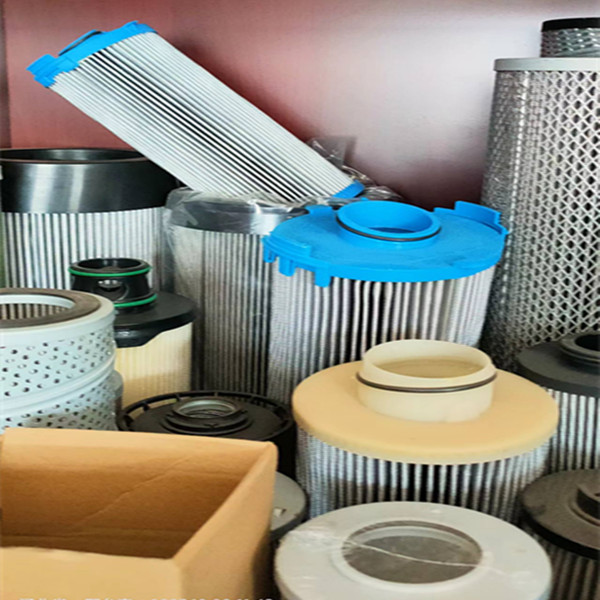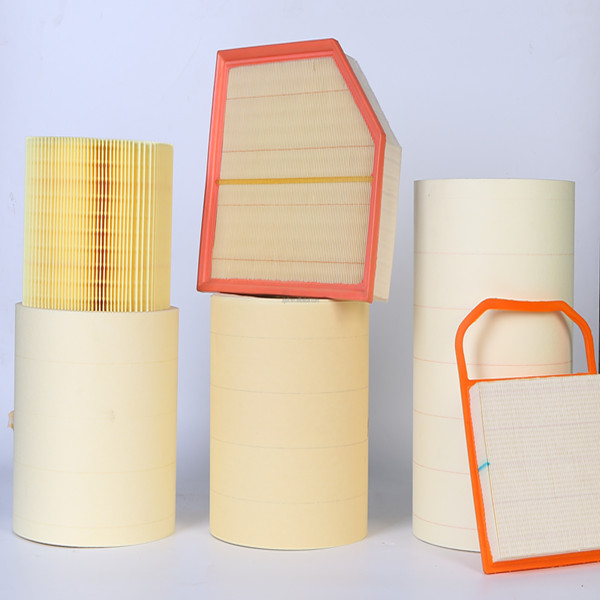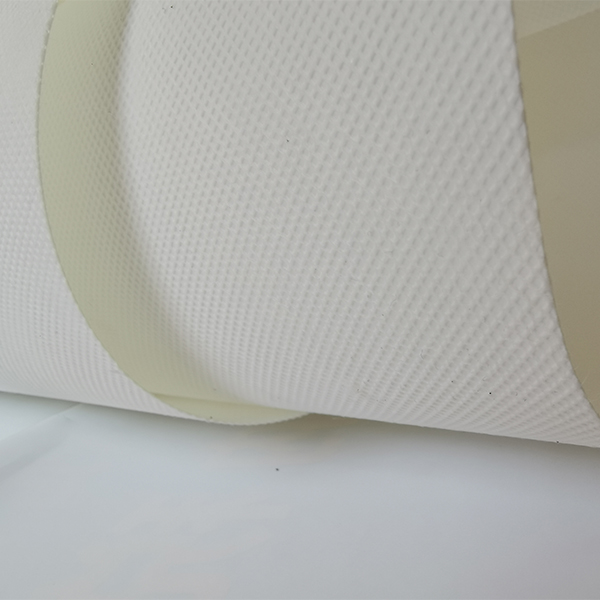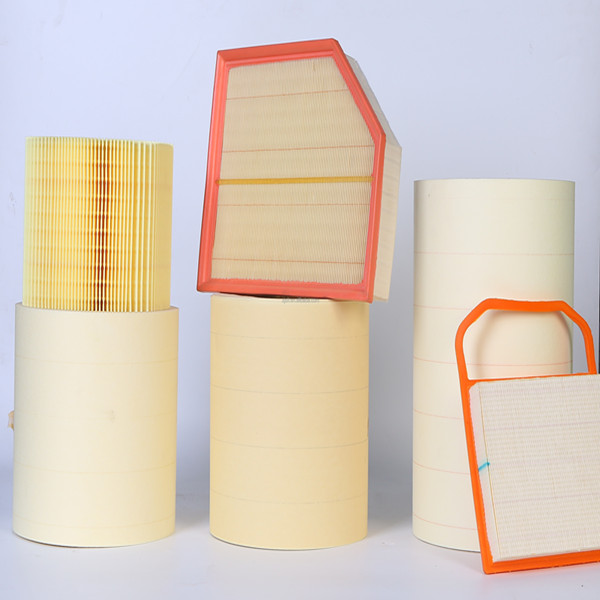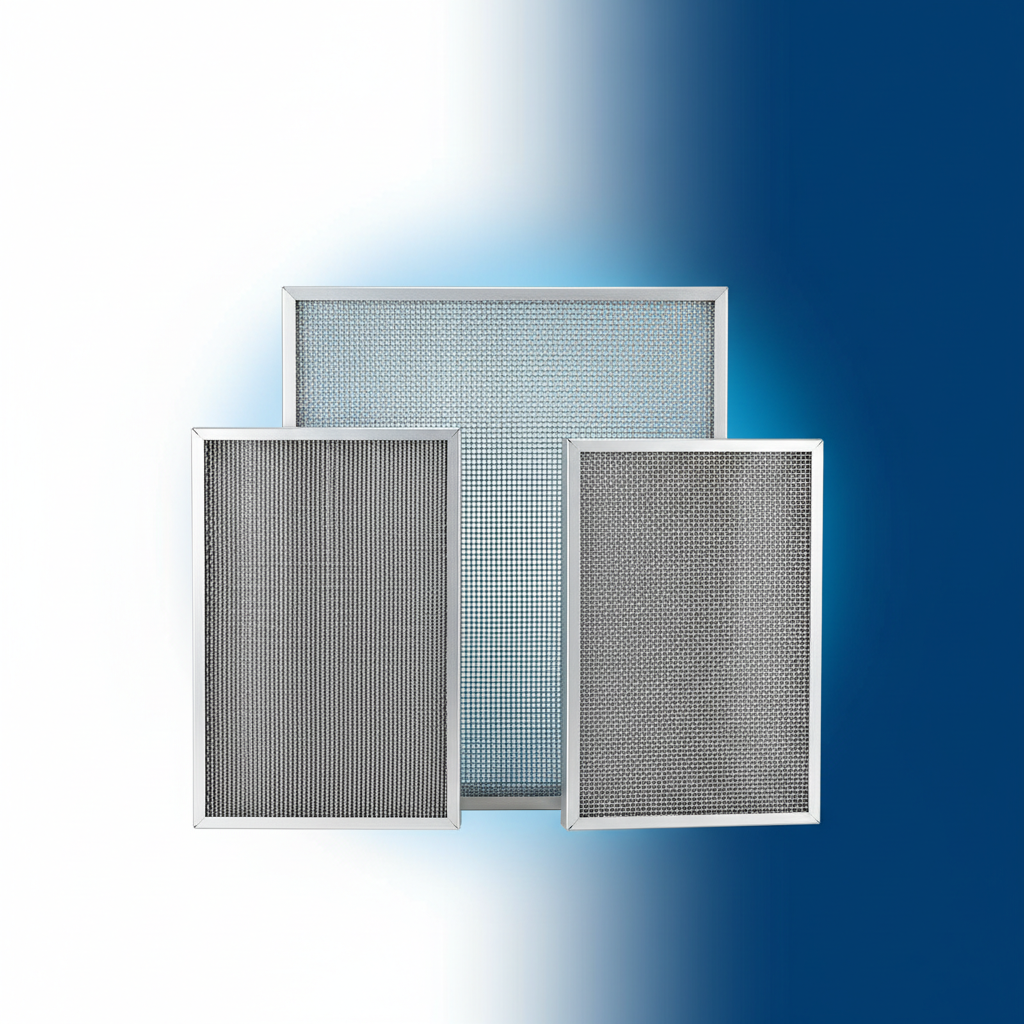
Synthetic Filter Paper is a key solution in the industry, specifically within various filtration and separation processes. This article explores how https://www.anyafiltermedia.com supports professionals with durable, high-performance products, and explains why this product is an ideal choice for businesses in these sectors.
Table of Contents
- Synthetic Filter Paper Overview
- Benefits & Use Cases of Synthetic Filter Paper
- Cost, Maintenance & User Experience
- Sustainability & Market Trends
Synthetic Filter Paper Overview
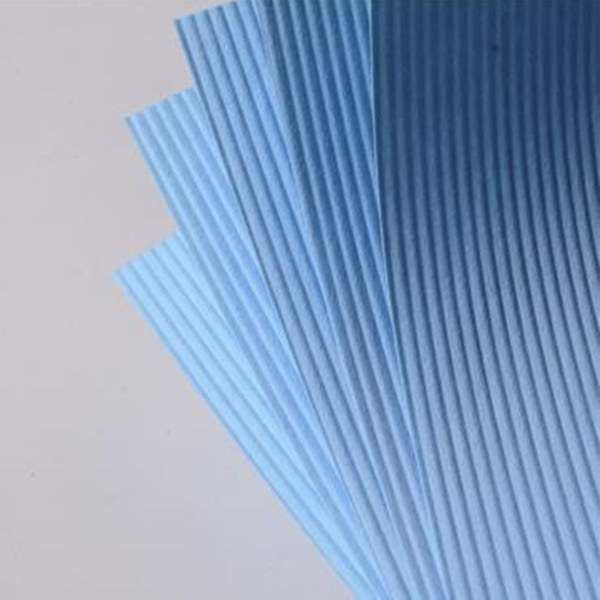
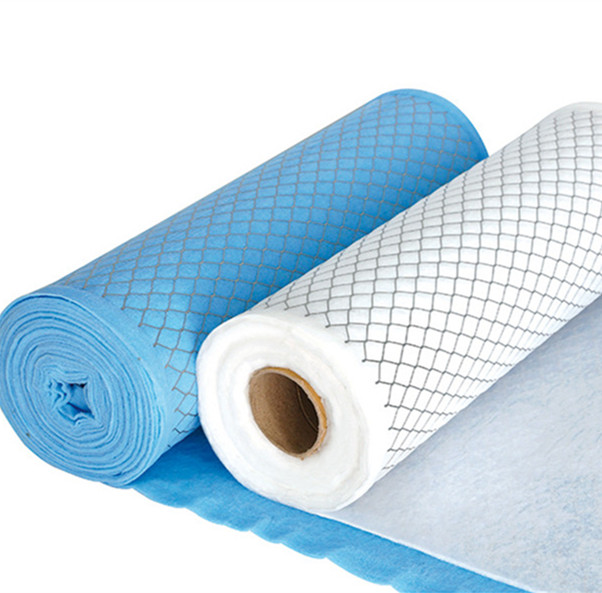
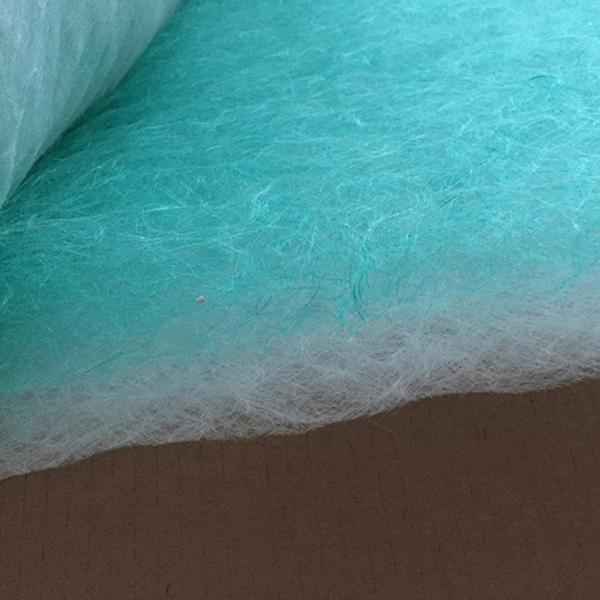
Synthetic Filter Paper isn’t your typical paper product. Made from engineered polymers, often polyester or polypropylene fibers, it’s designed for high-performance filtration tasks where precision and durability are a must. This kind of filter paper plays a critical role in industrial processes ranging from chemical manufacturing to food and beverage production. Oddly enough, although it’s called “paper,” it doesn’t behave like traditional cellulose-based filter papers — it won’t tear easily and resists moisture and chemicals better. I suppose that’s what makes it stand out in demanding environments.
- Synthetic Filter Paper is crafted to exact pore sizes, often between 0.1 to 10 microns, ensuring efficient particulate removal or clarification.
- Technical specs often include basis weights from 40 to 120 gsm and tensile strengths that far exceed traditional options, making it ideal for automated systems.
- A case study with a major pharmaceutical firm showed a 20% improvement in filtration throughput when switching to synthetic media supplied by Anya Filter Media.
| Specification | Typical Range | Remarks |
|---|---|---|
| Material | Polyester / Polypropylene | Chemical resistant |
| Pore Size | 0.1 - 10 µm | Customizable per application |
| Basis Weight | 40 - 120 gsm | Balances strength and flow rate |
| Tensile Strength | Up to 120 N/cm | Suitable for automated handling |
Benefits & Use Cases of Synthetic Filter Paper
If you’re coming from a traditional filter paper background, you might find synthetic filter papers somewhat of a game-changer. They’re extensively used in industries like pharmaceuticals, food processing, and water treatment — basically anywhere dependable filtration boosts product quality or process efficiency. In pharma, for example, the ability to withstand sterilization cycles without degradation is huge. Also, these synthetic papers resist tearing and curling, which makes automation easier and reduces downtime.
- Used in liquid-solid separations where consistency in particle retention is vital.
- Great for environmental testing applications needing fine particulate collection.
- Compared to cellulose filters, synthetics often last 2-3 times longer, lowering maintenance frequency.
- Many engineers point to their chemical resistance as one of the biggest selling points, enabling filtration in acidic or alkaline solutions.
| Vendor | Material Quality | Customization Options | Lead Time |
|---|---|---|---|
| Anya Filter Media | High-grade polymers; certified | Full pore size, weight, size tailoring | 2-4 weeks |
| Supplier A | Standard polyester blends | Limited customization | 3-5 weeks |
| Supplier B | Mid-range quality | Pore size only | 4-6 weeks |
Cost, Maintenance & User Experience
I often hear simple questions about cost and maintenance — which, frankly, make a lot of sense. Synthetic Filter Paper’s upfront material cost may be a touch higher than your typical paper filter, but the real kicker is in total cost of ownership. Because these products last longer and reduce process downtime, many companies report a solid ROI within a few months. In practice, switching to synthetic media means fewer filter changes, less waste, and minimal operator intervention. For users, this translates to smoother operations and a more predictable maintenance schedule.
- Durability reduces frequency of replacements — a real advantage in large-scale operations.
- User feedback from food processing plants points to increased machine uptime and easier handling.
- In terms of disposal, synthetic filter paper’s stability also means less particulate shedding, thus improving overall workplace cleanliness.
Sustainability & Market Trends
Sustainability in industrial filtration is a hot topic, and synthetic filter paper sits at a crossroads here. While synthetics don’t biodegrade like cellulose paper, the fact that they last longer and improve energy efficiency in filtration processes means less frequent manufacturing and waste overall. Industry regulations are increasingly pushing companies to choose materials that lower their environmental impact across the product lifecycle. The market is responding with innovations in recyclable or partially bio-based synthetic fibers — though this is an evolving space, not fully mature yet.
- Longer lifespan reduces waste generation compared to disposable cellulose filters.
- Emerging regulatory frameworks encourage use of sustainable materials and materials recovery.
- Industry trend toward customization is also driving lower material usage per application.
Frequently Asked Questions about Synthetic Filter Paper
- What is Synthetic Filter Paper and how does it work?
- Synthetic Filter Paper is a filtration medium made from specially engineered polymer fibers that trap particles from liquids or gases. Unlike regular paper, it’s designed to provide consistent filtering performance under harsh conditions by offering controlled pore sizes and superior chemical resistance.
- What are the main benefits of using Synthetic Filter Paper in industrial applications?
- Its benefits include increased durability, chemical resistance, longer service life, and consistent filtration performance. This helps reduce maintenance costs and downtime, making operations more efficient and cost-effective.
- How does Synthetic Filter Paper compare to traditional alternatives?
- Compared to cellulose-based filters, synthetic variants resist moisture, chemicals, and tearing better, delivering steadier performance especially in automated and high-throughput settings.
- What industries can benefit most from Synthetic Filter Paper implementation?
- Industries like pharmaceuticals, food & beverage, environmental testing, chemical processing, and water treatment find synthetic filters indispensable due to their demanding filtration needs.
Conclusion on Synthetic Filter Paper from china
To sum up, synthetic filter paper offers solid value for B2B decision makers looking for robust, customizable filtration media. Its advanced material properties and proven track record in tough industrial environments make it a worthwhile investment. For those interested in exploring options or custom solutions, I’d recommend checking out the products available at Anya Filter Media — they’ve built a reputation for quality and reliability.
- Reliable filtration improves product quality and operational uptime.
- Visit our website: https://www.anyafiltermedia.com
Reflecting on synthetic filter papers, it's clear their role is only growing in importance—not just because they outperform older materials, but because they adapt well to the evolving demands of modern industry.
References:
1. Anya Filter Media Technical Literature
2. Industry Case Studies, Filtration Journal 2023
3. Environmental Impact Reports on Filtration Media
Post time: Dec-03-2025