Fiberglass Filter Media Rolls: A Veteran's Perspective
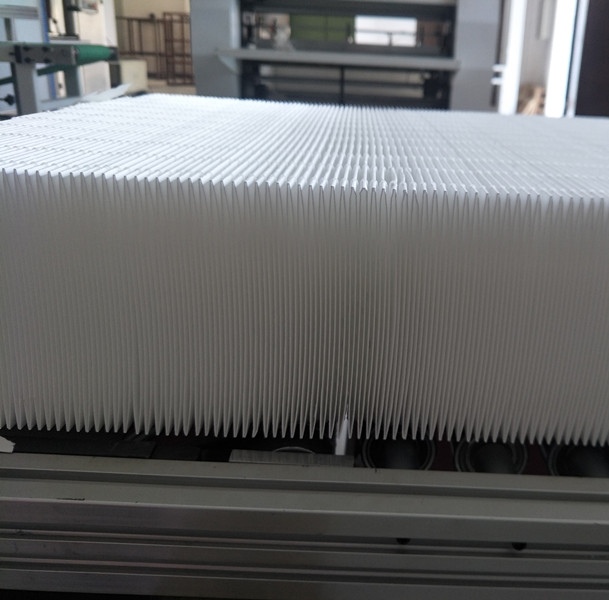
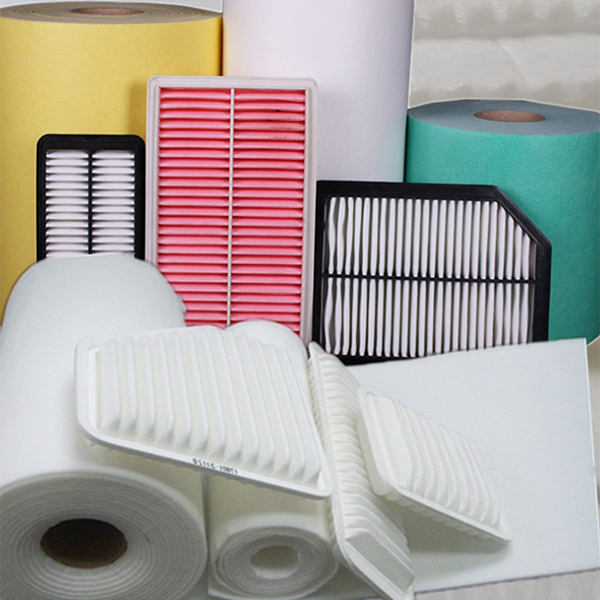
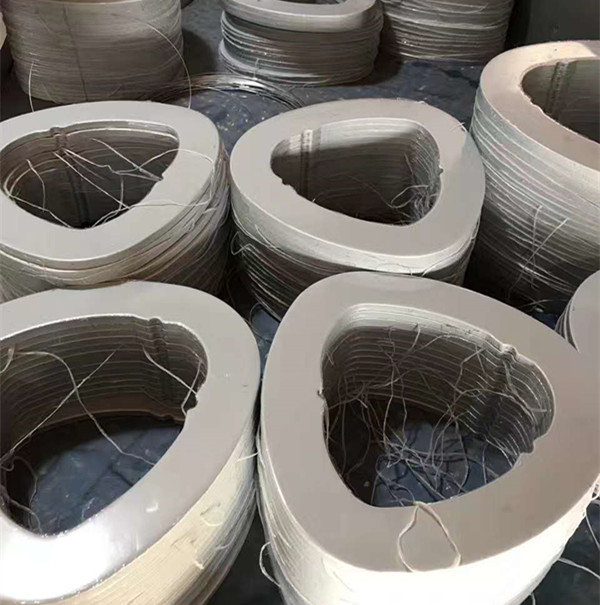
Having spent quite a few years knee-deep in the industrial equipment sector, I’ve seen all sorts of filter media–from synthetic to carbon to fiberglass. But oddly enough, fiberglass filter media rolls still hold a unique spot in many filtration systems. If you’ve worked around dust collectors, cleanrooms, or HVAC setups, you know what I mean—these rolls often form the core of the filtration puzzle.
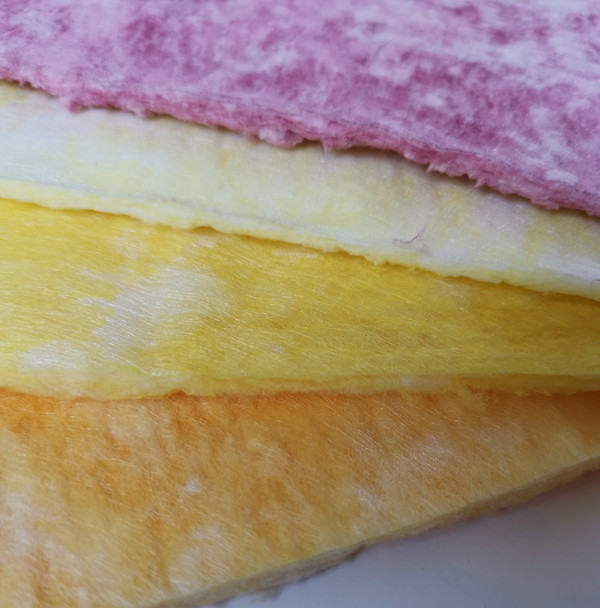
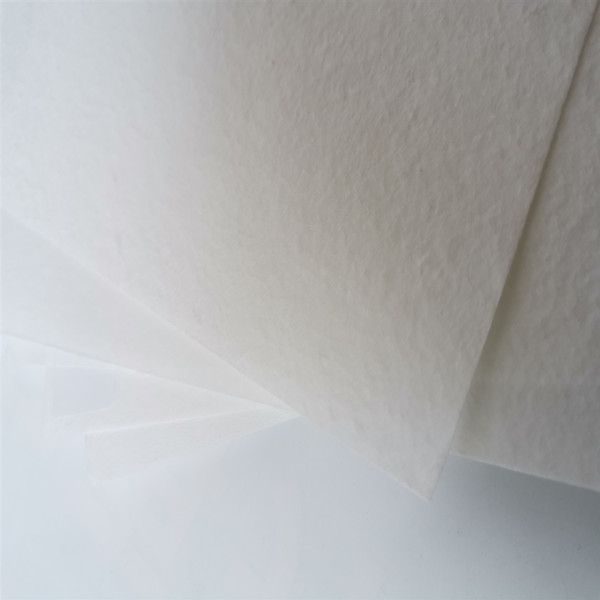
Why fiberglass? Frankly, it’s a matter of reliability and adaptability. Fiberglass fibers create a tight, yet breathable mat that doesn’t clog up too fast and withstands high heat conditions better than many synthetics. It’s not just smoke and mirrors; engineers consistently praise its efficiency in capturing fine particulates without sacrificing airflow.
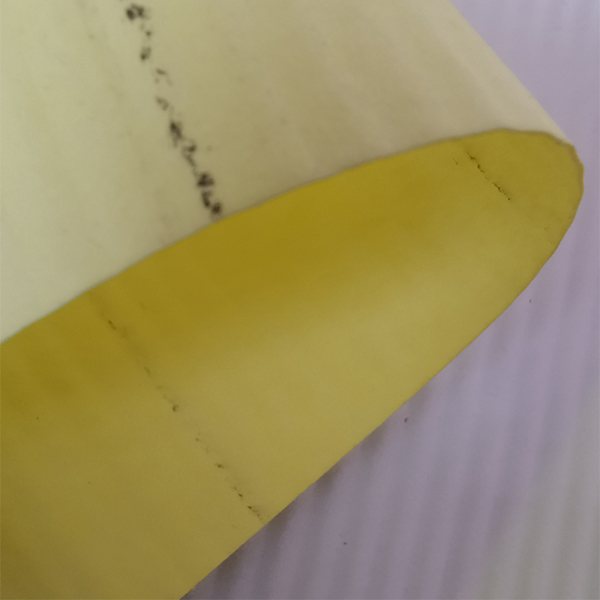
One thing I always tell clients—and something I confirm on the floor—is that not all fiberglass filter media rolls are created equal. There’s a world of difference in fiber diameter, density, and binder types. These subtle variations impact lifespan and pressure drop, which, as you can imagine, affects energy consumption and maintenance cycles.
Speaking of specs, here’s a quick snapshot of typical fiberglass filter media rolls I’ve worked with:
| Specification | Details |
|---|---|
| Fiber Diameter | 3 - 10 microns |
| Roll Width | 20 - 60 inches (custom available) |
| Roll Length | 50 - 100 feet |
| Temperature Resistance | Up to 275°F (135°C) |
| MERV Rating | 11 - 14 |
| Binder Type | Resin based (formaldehyde-free options) |
Now, let me be honest—some might look at fiberglass and worry about brittleness or health concerns. And yes, proper handling and disposal must be respected, but many modern manufacturers offer formaldehyde-free binders and improved fiber formulations that reduce airborne fiber concerns. That balance between performance and safety is key.
Recently, a customer in the metal fabrication industry switched from synthetic rolls to fiberglass for their dust collector filters. I remember walking through their facility and noting right away the cleaner air and lower pressure drop. The maintenance crew told me it also stretched their maintenance intervals, which frankly makes a big difference over time.
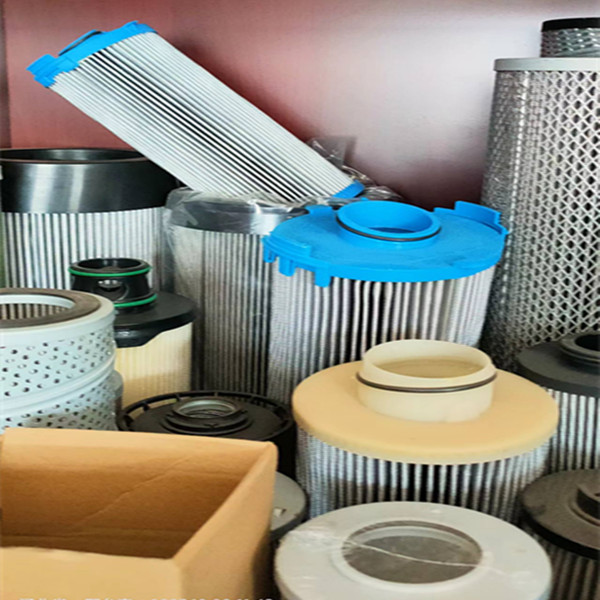
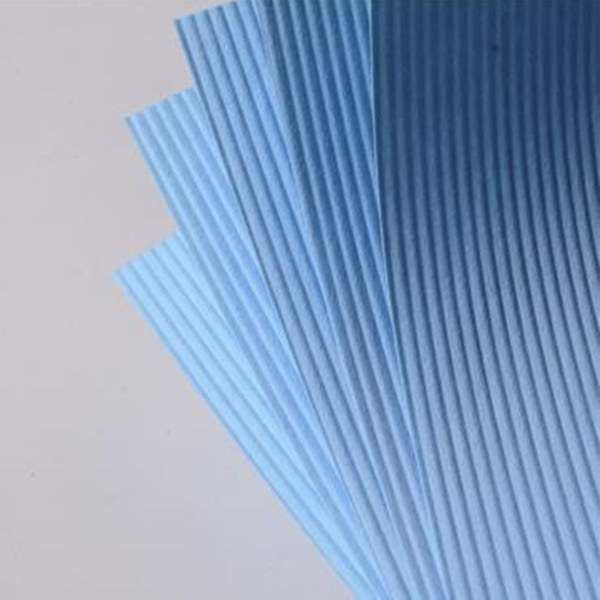
Customization is another side of the story. Depending on your specific needs—whether that’s dust load, airflow volume, or temperature tolerance—you can often order fiberglass rolls in various thicknesses, widths, and treatments. Some even come with antimicrobial additives, useful in pharmaceutical or food processing plants.
Here’s an inline vendor comparison for a better idea of what industry players typically offer:
| Feature | Vendor A | Vendor B | Anya Filter Media |
|---|---|---|---|
| Custom Width Available | Yes | Limited | Yes |
| Temperature Resistance (°F) | 250 | 275 | 275 |
| Binder Type | Standard Resin | Formaldehyde-Free | Formaldehyde-Free |
| Typical MERV Rating | 11 | 12-13 | 13-14 |
| Lead Time (weeks) | 2-3 | 3-4 | 1-2 |
To sum it up, fiberglass filter media rolls have earned their stripes not through flashy marketing but by quietly and effectively delivering reliable performance. They feel like the solid workhorses in a world often distracted by novelty. Whether you need dependable filtration at high temperatures or want a product that can be tailored to your unique industrial need, fiberglass filter media rolls are worth a closer look.
If you’re curious, don’t hesitate to reach out to vendors and ask questions about their fiber specifications and testing protocols—knowing this can save you time, money, and headaches down the road.
Reflection: In my experience, investing time into understanding filter media nuances translates directly to operational uptime. It’s a small detail with a big impact.
References
- ASHRAE Handbook – HVAC Applications, 2022.
- Industrial Filtration Journal, Vol. 45, Issue 2, 2023.
- Anya Filter Media Technical Datasheets and Customer Case Studies.
© 2024 Industry Insights
Post time: Dec-08-2025