Fiberglass Media is a key solution in the industry, specifically within filtration and air purification sectors. This article explores how https://www.anyafiltermedia.com supports professionals with durable, high-performance products, and explains why this product is an ideal choice for businesses in these sectors.
Table of Contents
- Fiberglass Media Overview
- Benefits & Use Cases of Fiberglass Media
- Cost, Maintenance & User Experience
- Sustainability & Market Trends
- Frequently Asked Questions
- Conclusion on Fiberglass Media from China
Fiberglass Media Overview
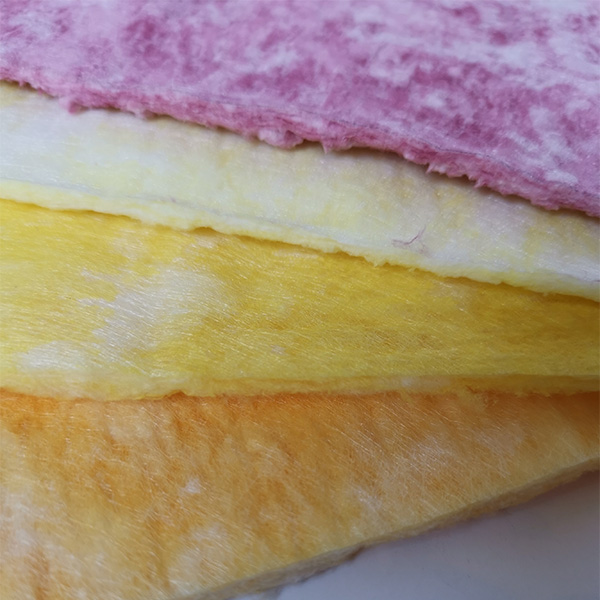
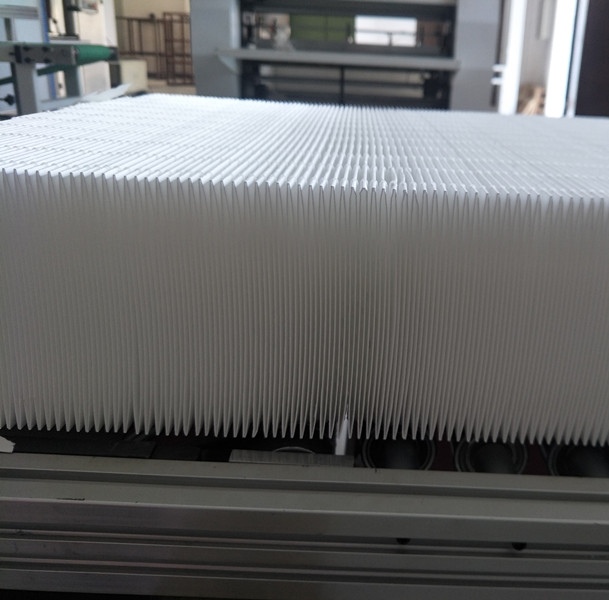
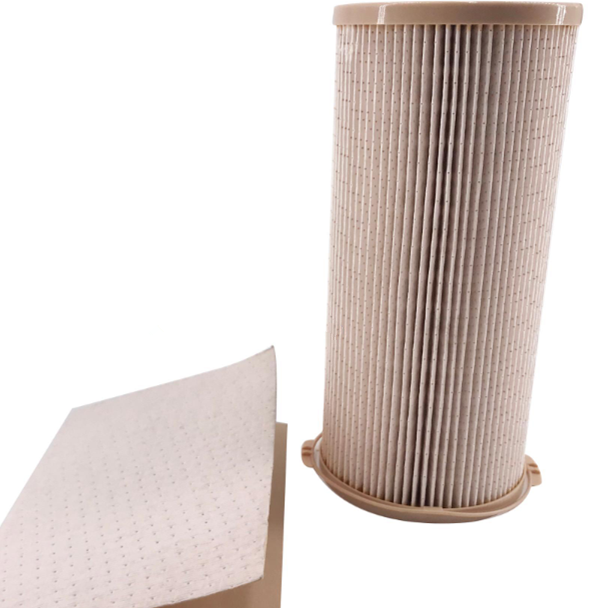
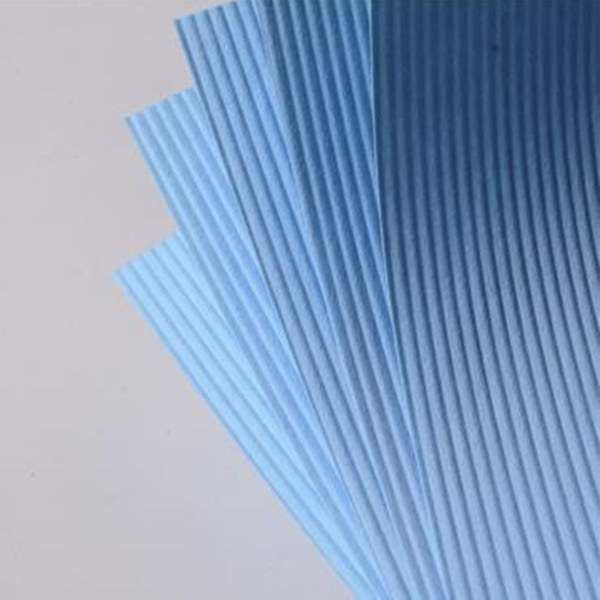
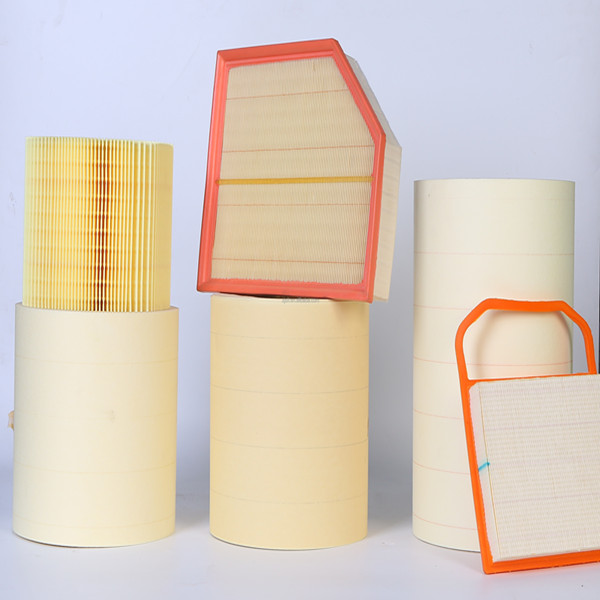
Fiberglass Media is essentially a filtration material made from extremely fine glass fibers, woven into mats or layers that capture particles effectively while maintaining airflow. You might say it’s the go-to choice when durability and filtration efficiency really matter. In real terms, its structure enables trapping even the smallest contaminants without clogging too fast. Many engineers I've spoken with highlight its superior strength compared to synthetic alternatives, noting it suits applications where long life and robustness are non-negotiable.
- Fiberglass Media is the backbone of high-efficiency filtration systems.
- Technical specs: fiber diameters from 0.5 to 2 microns with basis weights varying depending on the application, supporting temperatures up to 300°C in some grades.
- A case study by a large HVAC client noted a 20% longer service life over traditional cellulose media when using fiberglass filters in industrial air handling.
| Specification | Value |
|---|---|
| Fiber Diameter | 0.5 – 2 microns |
| Basis Weight | 80 – 200 g/m² |
| Operating Temperature | Up to 300°C |
| Airflow Resistance | Low |
| Typical Thickness | 2 – 6 mm |
Benefits & Use Cases of Fiberglass Media
Oddly enough, the biggest advantage comes down to a simple trade-off: high filtration efficiency paired with surprisingly low pressure drop. This balance is critical in industrial settings where energy usage is key, and equipment downtime is costly. Fiberglass Media thrives in HVAC systems, cleanrooms, paint booths, and even power plants where filtering out microscopic dust or chemical particulates is mission-critical. Honestly, its ability to resist moisture and withstand high temperatures makes it a staple in demanding environments.
- Widely used in air filtration for industrial HVAC units.
- Its chemical resistance suits applications in petrochemical and pharmaceutical plants.
- Competitive edge: longer service intervals and less frequent replacements than traditional cellulose media.
| Feature | Anya Filter Media | Competitor A | Competitor B |
|---|---|---|---|
| Temperature Tolerance | Up to 300°C | Up to 250°C | Up to 280°C |
| Moisture Resistance | High | Medium | Medium-High |
| Service Life | 20% longer | Standard | Standard |
| Price | Competitive | Higher | Competitive |
Cost, Maintenance & User Experience
When it comes to cost, many in the sector find fiberglass media to be a solid investment. It’s not the cheapest upfront, but the total cost of ownership often comes out ahead. Why? Because replacements are less frequent and system downtime shrinks, so you save time and money in ways that don’t always show on the invoice. From what I gather, users often mention how the maintenance cycles lengthen by 30-40%, which is quite significant. Plus the robustness means fewer surprises—an invaluable factor when you rely on consistent filtration to meet environmental or safety standards.
- Longer filter lifespan reduces replacement costs.
- Lower maintenance frequency means less labor and downtime.
- Users from manufacturing sectors report smoother operations with fiberglass media’s stability.
Sustainability & Market Trends
Sustainability has become much more than a buzzword lately, and fiberglass media fits into this narrative fairly well. Since the material lasts longer, you’re effectively reducing waste and the resources used in making frequent replacements. That said, fiberglass isn’t biodegradable, so recycling or responsible disposal remains an important challenge. Industry regulations, especially in developed markets, are pushing manufacturers to find better recycling methods or hybrid solutions. Over the last few years, there’s also been a push towards improving energy efficiency in filtration systems — and chance would be a fine thing that fiberglass media’s low pressure drop characteristics align perfectly with that trend.
- Longer product life means less frequent waste generation.
- Current focus on eco-friendly manufacturing processes influences media design.
- Market growth expected in industrial filtration, driven by tighter air quality regulations.
Frequently Asked Questions about Fiberglass Media
- What is Fiberglass Media and how does it work?
- Fiberglass Media is a filtration material made from fine glass fibers arranged to trap airborne particles while allowing air to pass through. Its fiber structure creates a dense yet breathable filter matrix, capturing contaminants efficiently.
- What are the main benefits of using Fiberglass Media in industrial applications?
- Key benefits include high filtration efficiency, thermal and chemical resistance, durable service life, and lower pressure drops which reduce energy consumption compared to many organic media alternatives.
- How does Fiberglass Media compare to traditional alternatives?
- Compared to standard cellulose or synthetic media, fiberglass offers better temperature tolerance, longer lifespan, and improved resistance to moisture and chemicals, making it superior in demanding environments.
- What industries can benefit most from Fiberglass Media implementation?
- Industries such as HVAC manufacturing, pharmaceutical, petrochemical, automotive paint booths, and power generation benefit extensively from fiberglass media’s unique properties that support strict air quality and operational requirements.
Conclusion on Fiberglass Media from china
Summing up, fiberglass media stands out as a dependable, efficient filtration solution that matches the evolving demands of industrial users. Its blend of durability, thermal resilience, and sustained performance underscores why it remains a preferred choice across markets worldwide. If you're exploring filtration options, it’s worth considering this material — and for a reliable source, Anya Filter Media makes a worthy stop. Visit our website: https://www.anyafiltermedia.com to learn more.
- Reliable filtration means fewer headaches and better compliance.
- Trust in materials that track well with industry trends and sustainability goals.
References:
1. Industrial Filtration Journal, 2023 Edition
2. HVAC Technology Magazine, May 2024
3. Anya Filter Media Technical Datasheets
Post time: Dec-08-2025