Pocket Air Filter: A Must-Have in Clean Air Systems
Having spent over a decade in the industrial equipment sector, I can tell you that pocket air filters are among those unsung heroes in HVAC and air purification systems. Frankly, they don’t get the spotlight like some flashy tech, but day in, day out, they quietly ensure that the air is cleaner, which is essential for both workers and equipment longevity.
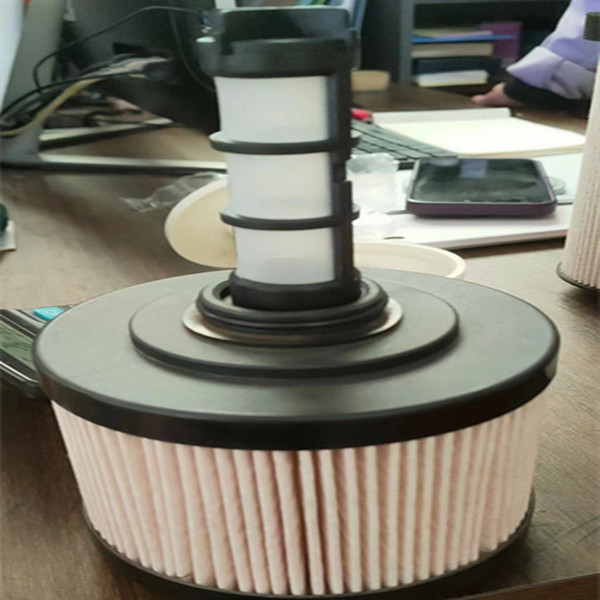
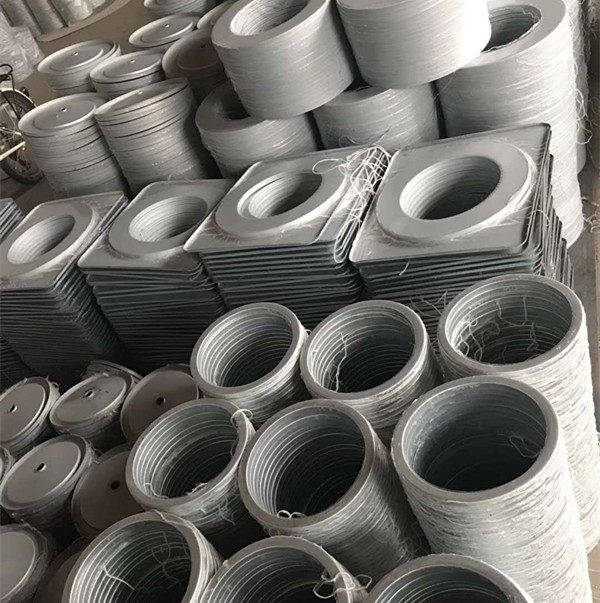
Oddly enough, many engineers overlook just how much design and material choice matter in these filters. When I first encountered pocket filters on a factory floor, I was struck by their simplicity: multi-pocket fabric media sewn into a sturdy frame, designed for large volumes and high dust loads. Yet, underneath that simplicity lies some serious engineering — the right media composition, stitching method, and frame structure make all the difference.
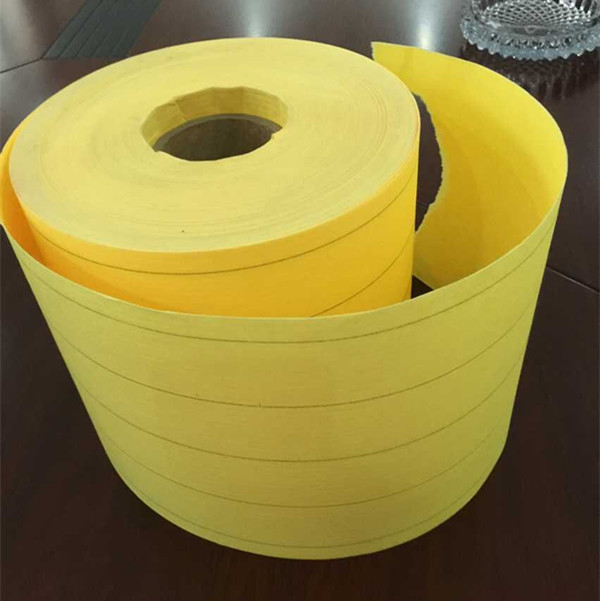
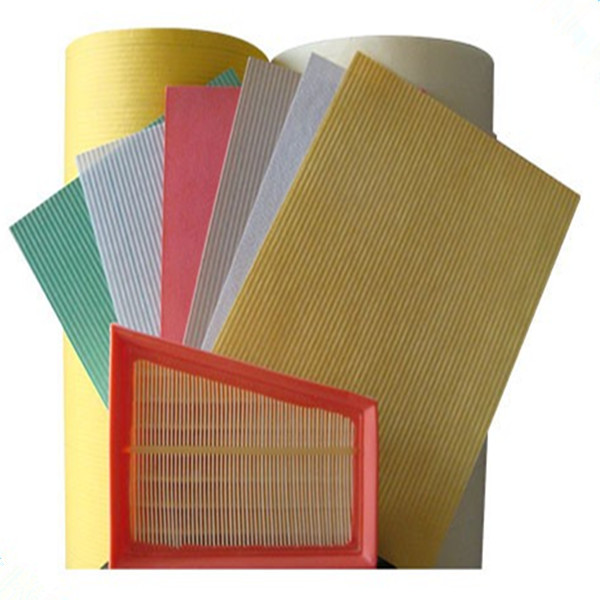
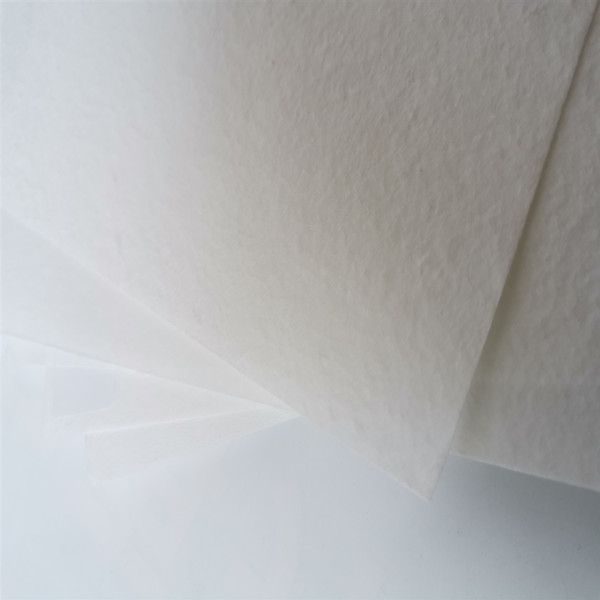
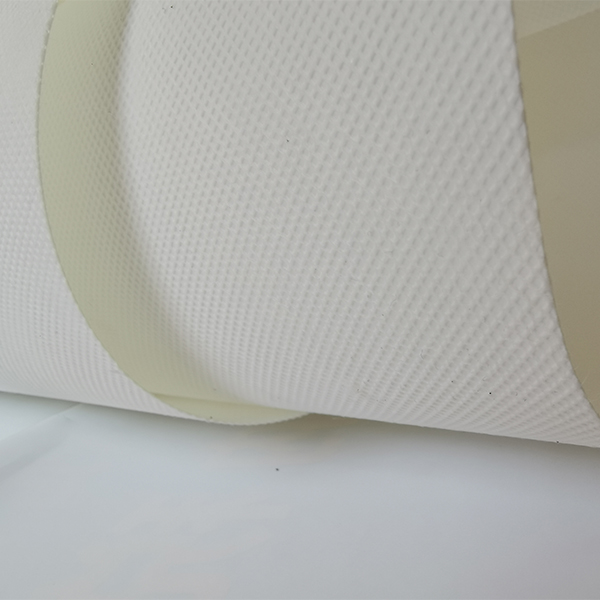
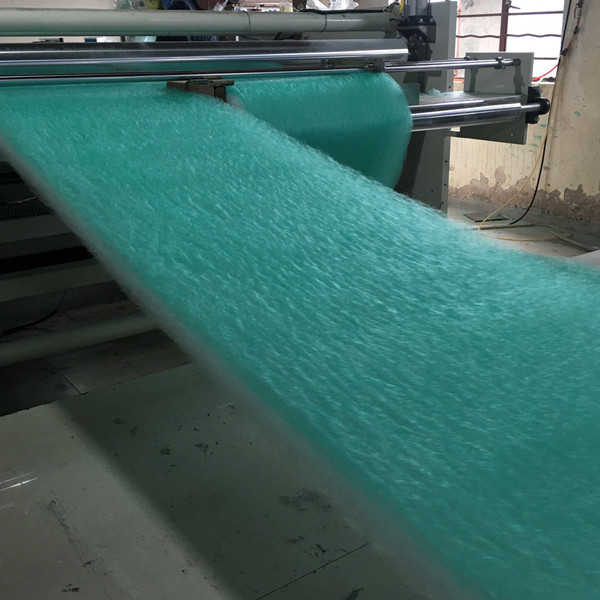
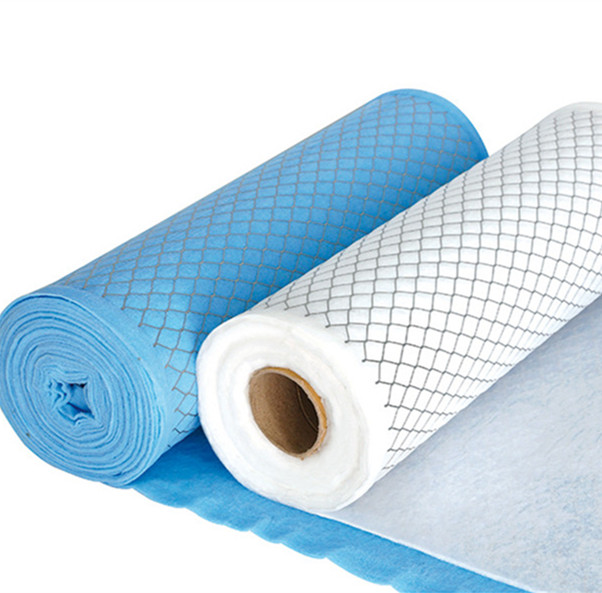
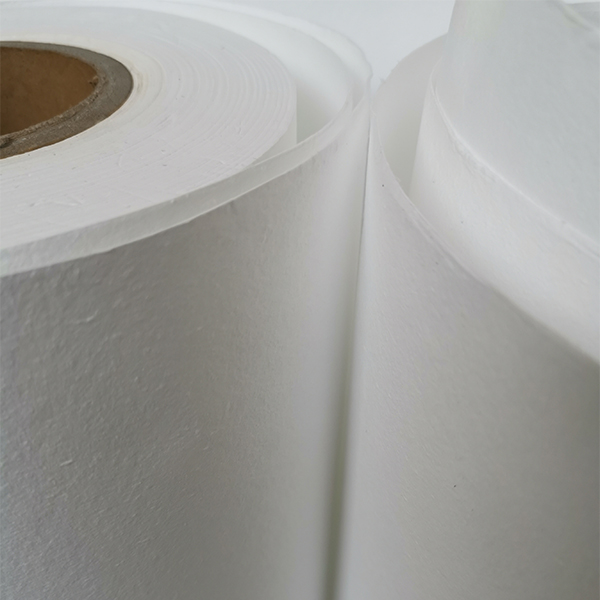
In real terms, these filters rely on synthetic or glass fiber media which trap particulate matter efficiently without impeding airflow too much — a delicate balance. I noticed in projects I consulted on that high-quality pocket filters had better dust holding capacity and longer lifespan, which translates into fewer replacements and lower maintenance costs. Plus, they’re often compliant with ISO 16890 or EN779 testing standards, which is a big trust factor if you’re sourcing for critical clean rooms or industrial plants.
A quick customer story: a mid-sized food processing plant I worked with had persistent air quality issues. Upgrading to a customized pocket filter with antimicrobial treatment made a real difference — employee complaints dropped, and machinery stayed cleaner. It’s the kind of fix that feels low-tech but has surprisingly high impact.
Key Pocket Air Filter Specifications
| Feature | Typical Value | Notes |
|---|---|---|
| Filter Media | Synthetic fiber (polyester) or fiberglass | Depends on application and efficiency class |
| Efficiency Rating | MERV 8–13 / EN779 F7–F9 | Meets most commercial and industrial needs |
| Frame Material | Galvanized steel or plastic | Corrosion-resistant options available |
| Airflow Capacity | 1500–3000 m³/h per filter | Highly dependent on size and pocket count |
| Dust Holding Capacity | 500–1200 g | Higher capacity = longer service life |
| Operating Temperature | Up to 70°C | Standard for industrial HVAC systems |
Comparing Leading Pocket Air Filter Vendors
| Vendor | Media Type | Efficiency Range | Customization | Price Range (USD) |
|---|---|---|---|---|
| Anya Filter Media | Synthetic fiber, antimicrobial option | MERV 8–13 | High (size, pockets, coatings) | $20–$50 per filter |
| PureAir Systems | Fiberglass media | MERV 10–12 | Medium (frame and size) | $25–$45 per filter |
| FilterMax | Synthetic fiber | MERV 8–11 | Low (standard sizes only) | $18–$35 per filter |
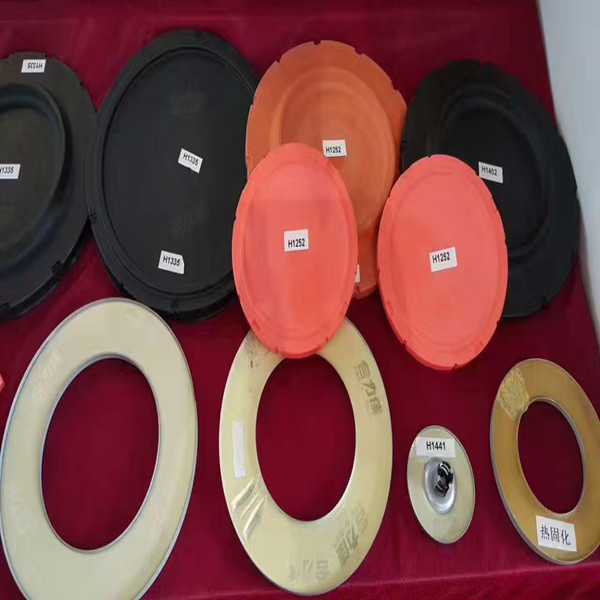
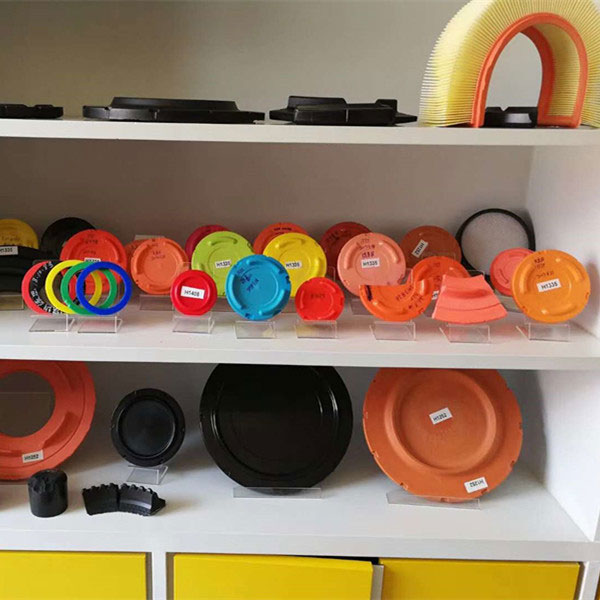
In summary, whether you’re retrofitting an older system or designing a new clean-air solution, pocket air filters are a valuable, cost-effective component. I suppose their relatively straightforward design invites skepticism, but as lots of engineers remind me, it’s the details — media type, dust capacity, and build quality — that truly count. For those interested, pocket air filters from reputable vendors can be customized to your needs, ensuring optimal performance for your facility.
And if you ever get a chance, ask the maintenance team how much time they save by switching to longer-lasting filters — their smiles tell the story.
- ISO 16890 – Air filter testing and classification standards
- EN779 – European filter efficiency standards
- ASHRAE Handbook – Fundamentals of air filtration
Post time: Jan-01-2026