Understanding pocket air filter media: A Practical Perspective
Having clocked well over a decade working hands-on in the industrial equipment sector, I’ve come to appreciate how crucial air filtration is — especially in environments where dust and airborne particles are relentless. Among the many types of air filters I’ve handled, pocket air filter media has always intrigued me for its balance between efficiency and adaptability.
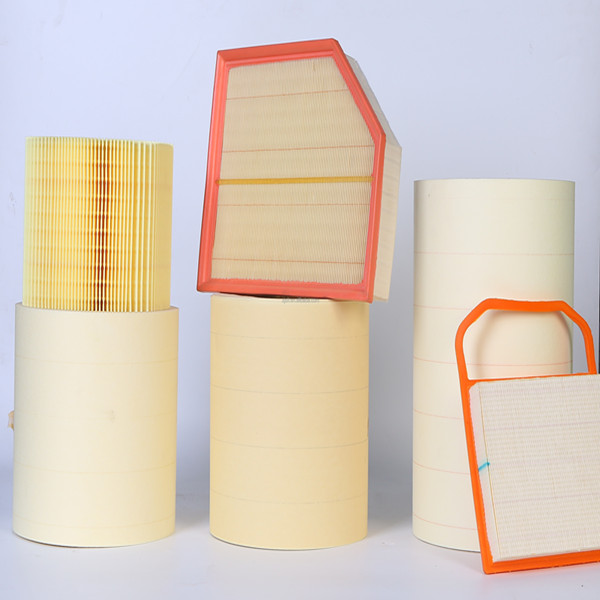
Let me back up a bit. Pocket filters aren’t just your average flat-panel filters — they feature multiple “pockets” or bags made from specialized filter fabric that maximizes surface area within a compact frame. This design allows for excellent dust-holding capacity and reduced pressure drop. Oddly enough, despite their straightforward concept, not all pocket air filter media are created equal.
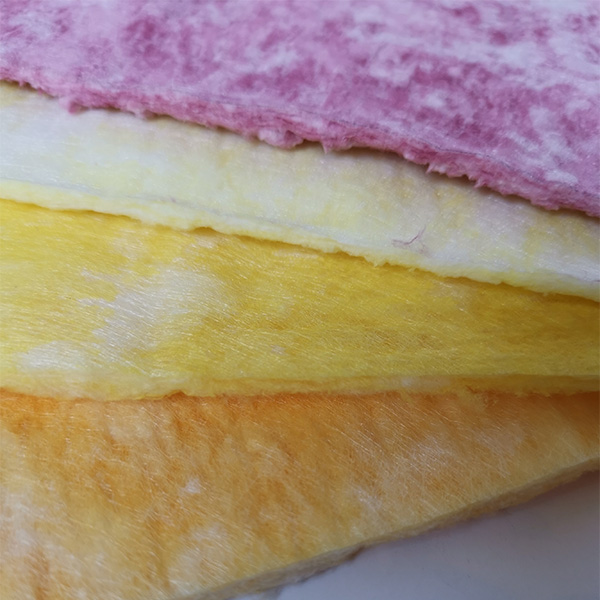
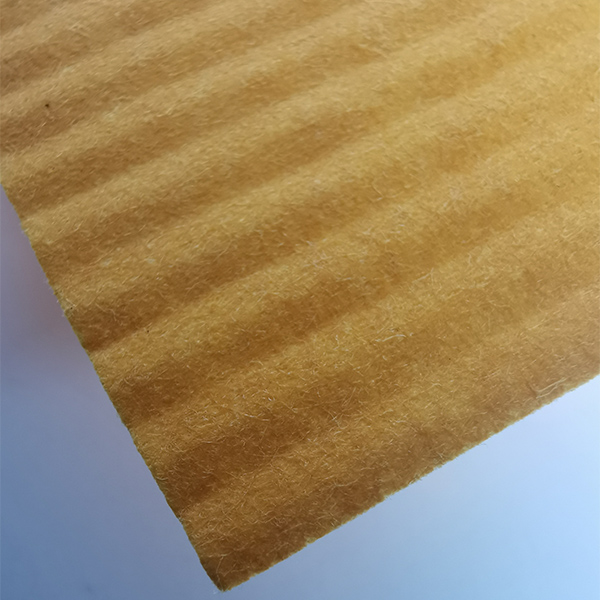
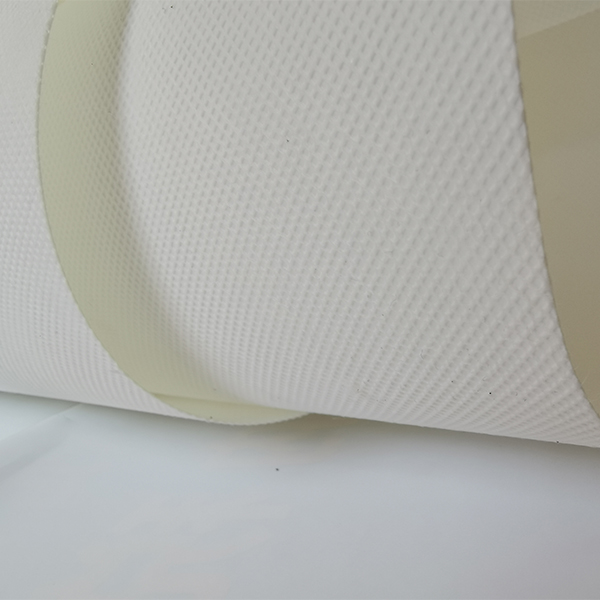
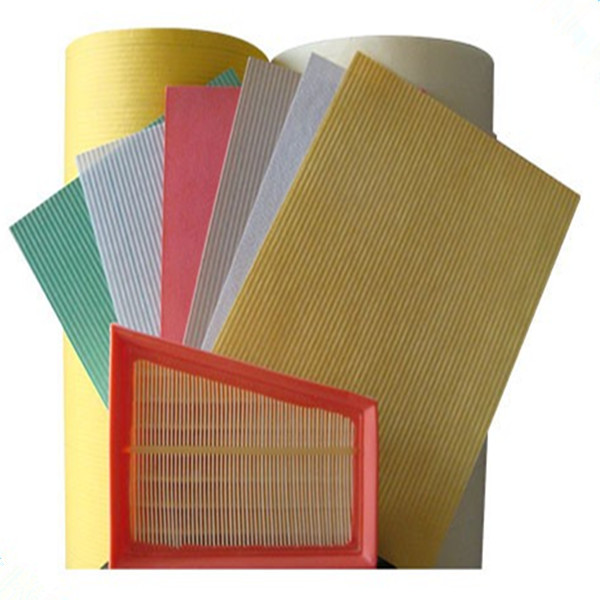
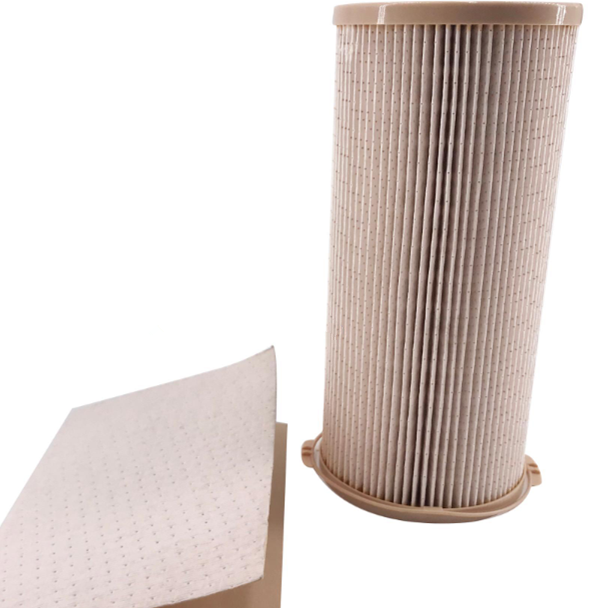
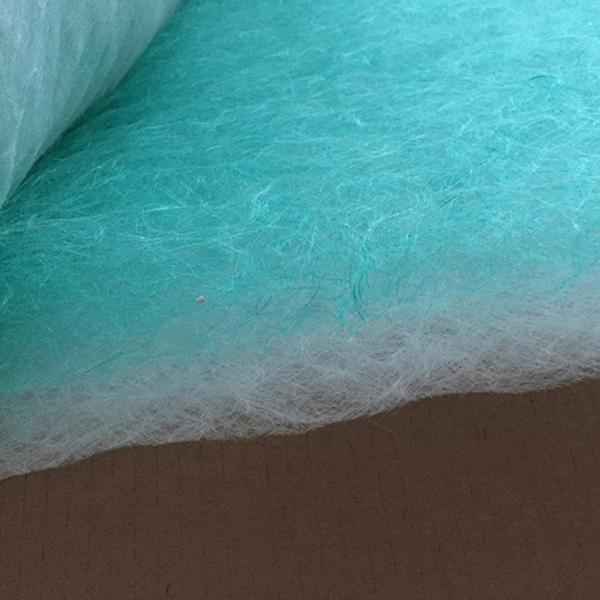
In real terms, the media inside these pockets typically consists of synthetic fibers (polyester blends are common), sometimes combined with antimicrobial treatments. The goal? To maintain high filtration efficiency — often MERV 8 to 14 ratings — while lasting longer between replacements. It feels like using pocket filters is a bit like having a marathon runner on your filtration team: built for endurance but with the capability to sprint when particle loads spike.
Industry trends have nudged manufacturers toward optimizing these synthetic medias for better moisture resistance and less maintenance hassle. Certainly, the ongoing push for energy savings also impacts filter design — a filter that chokes airflow adds to fan energy use, which no one wants on their utility bills.
Here’s something I noticed when working with various brands: media density and stitching quality directly affect durability. A stitch that’s too loose can cause sagging pockets, meaning less effective filtration and earlier filter replacement. Many engineers I've talked to swear by pocket filters with heat-sealed seams over sewn ones for this exact reason.
On site, one memorable instance sticks with me: a food processing plant battling airborne flour dust switched from flat panel fiberglass filters to pocket air filter media with antimicrobial treatment. Not only did indoor air quality visibly improve, but cleaning staff reported fewer residue buildups on ventilation grilles after just a month. That little upgrade paid for itself quickly.
Customization options are another plus. You can tweak pocket length, number, and media type to suit air volume and contaminant load. It’s sort of like tailoring a suit vs buying off-the-rack — both work, but sometimes you want that better fit.
| Parameter | Value | Notes |
|---|---|---|
| Media Material | Synthetic polyester blend | Often with antimicrobial additives |
| MERV Rating | 8–14 | Depends on fiber density and layering |
| Airflow Capacity | 500–2000 CFM per filter | Varies by pocket count and size |
| Pressure Drop (Initial) | 50–120 Pa | Lower is better for energy savings |
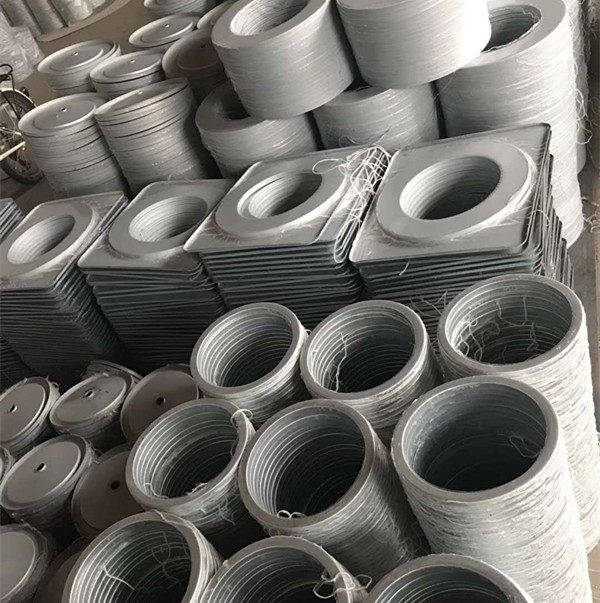
| Frame Material | Galvanized steel or plastic | Choice often based on environment |
But how do you know which brand’s pocket air filter media fits your needs? Here’s a quick vendor comparison I put together from my own experience and industry feedback:
| Vendor | Media Quality | Customization Options | Price Range | Lead Time |
|---|---|---|---|---|
| Anyafiltermedia | High (MERV 13+ options) | Extensive (sizes, treatments) | Mid-range | 2–3 weeks |
| FilterCorp | Medium (MERV 11 typical) | Limited sizing | Budget | 1 week |
| PureFlows | High (MERV 14 available) | Moderate | Premium | 3–4 weeks |
Of course, selecting pocket air filter media depends on your application specifics, budget, and delivery needs. But frankly, investing just a little more in premium media like pocket air filter media often yields better filtration performance, extended service life, and reduced labor costs over time.
From dusty manufacturing floors to critical cleanrooms, pocket filters remain versatile heroes in air quality management. It’s a small upgrade that, in my experience, pays off in cleaner equipment, healthier workspaces, and happier maintenance teams.
So next time you’re comparing filter setups, give pocket air filter media a closer look – it might just surprise you.
– Jake, with 12 years in industrial equipment and environmental controls
References:
- ASHRAE Handbook – HVAC Applications (latest edition)
- “Industrial Air Filtration” – Journal of Environmental Engineering, 2022
- Interviews with technical managers, 2019–2023
Post time: Jan-01-2026