Understanding Pocket Filter Media: A Core Component in Industrial Air Filtration
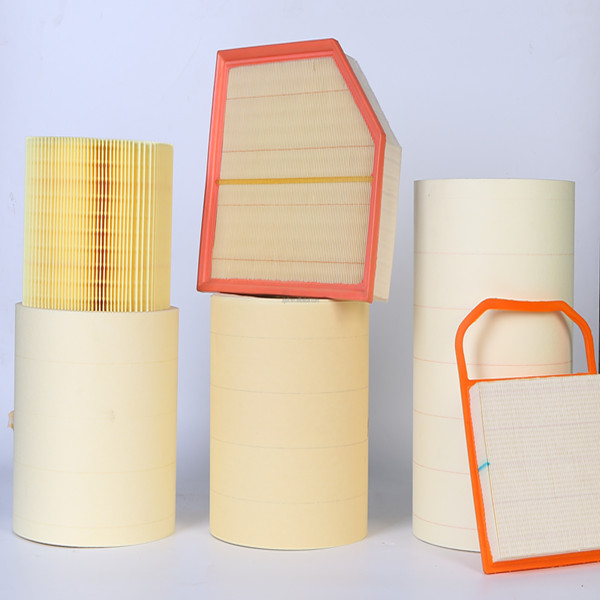
Having spent a good share of my career around industrial equipment, I can tell you pocket filter media isn’t the kind of product that gets glamourous headlines. Yet, oddly enough, it is absolutely fundamental to so many filtration systems that keep factories running and indoor air healthy. If you’re in HVAC, cleanrooms, or manufacturing environments, you’ve probably come across these filter packs — even if they tend to sit quietly in the background, doing their job.
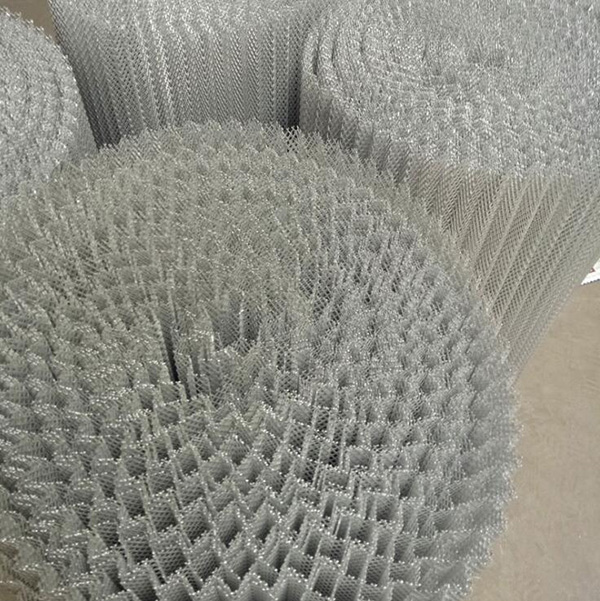
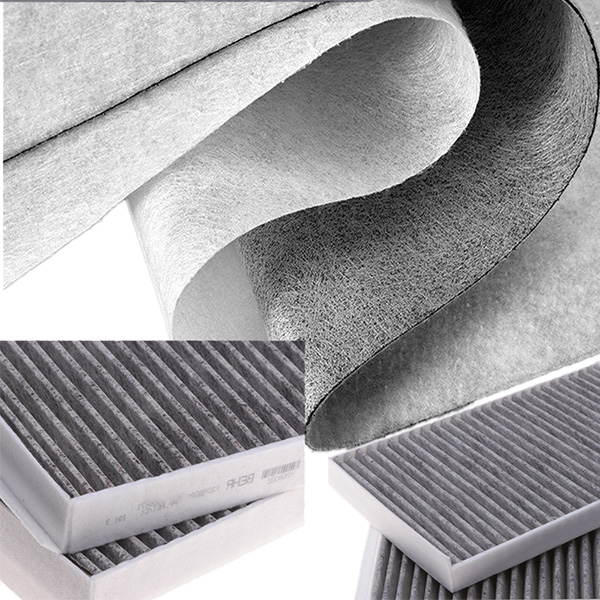
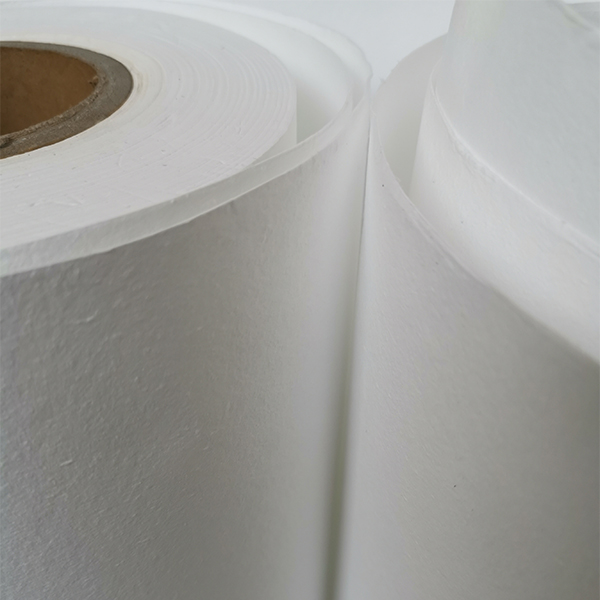
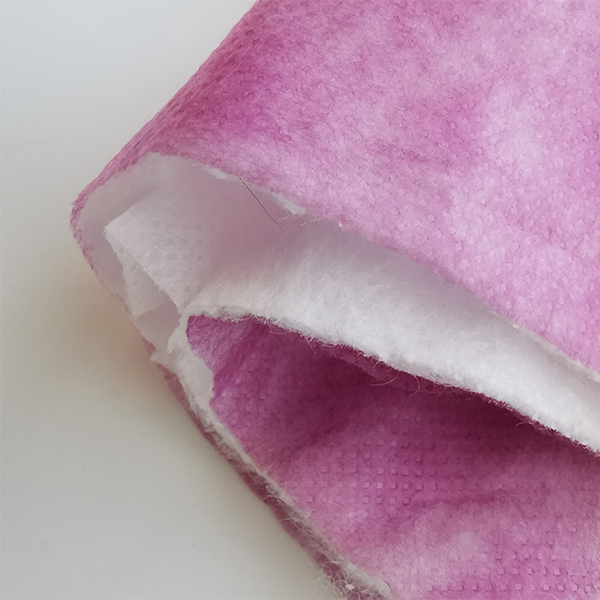
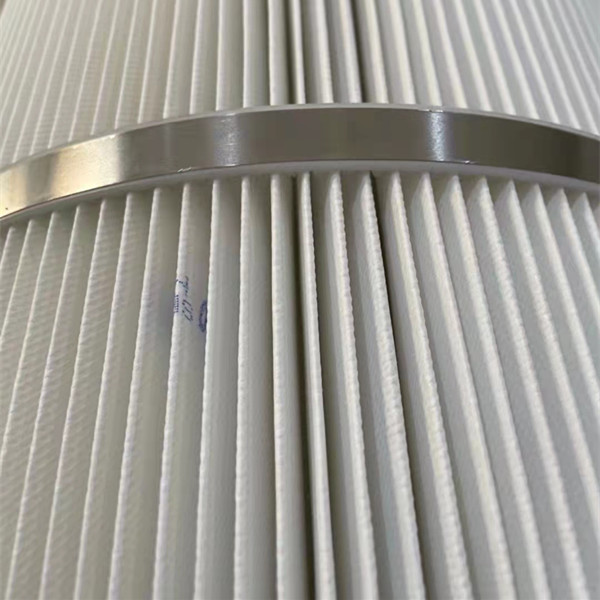
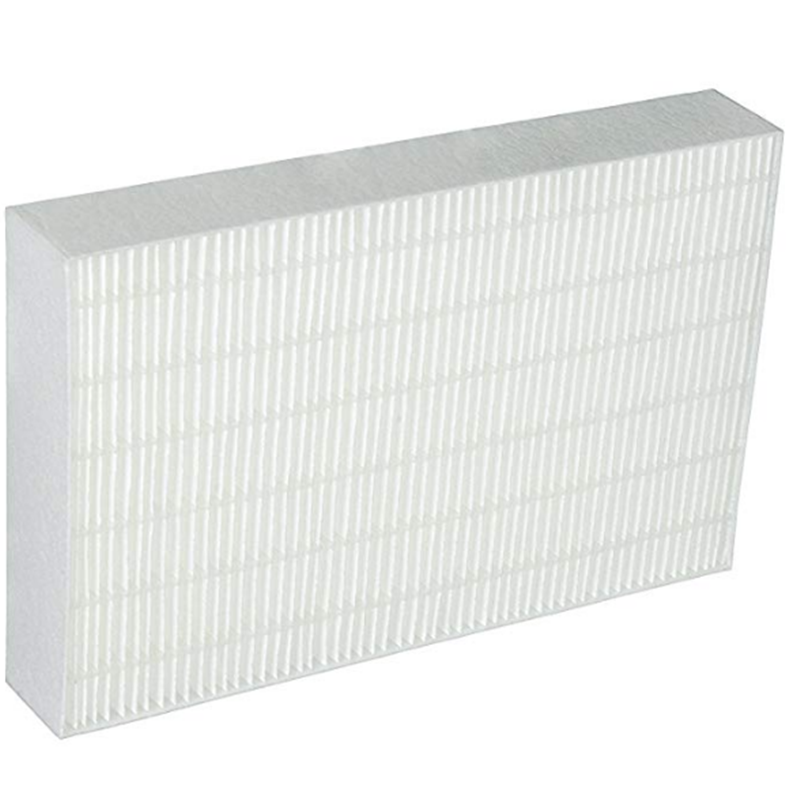
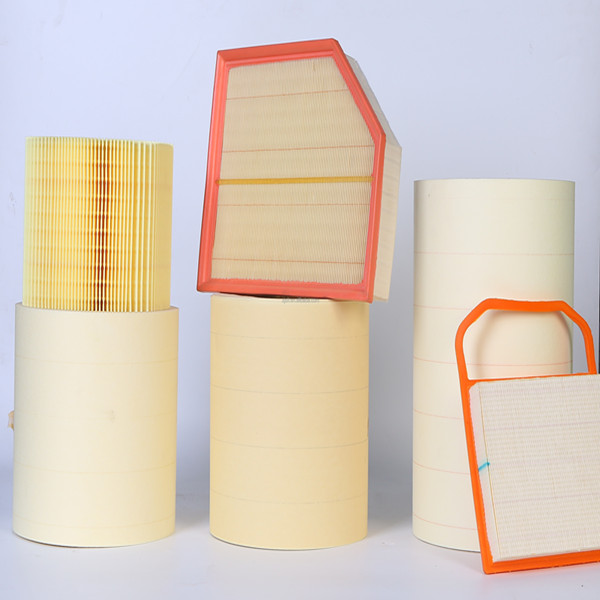
What strikes me about pocket filters is their deceptively simple design paired with quite precise engineering. It’s a bit like a trusty old pickup truck that’s been modified to suit many needs — rugged and no-nonsense, yet optimized to handle fine dust and airborne particles through high-quality media layers. In practical terms, this media usually comprises synthetic fibers or fiberglass, engineered to capture particulate matter efficiently while maintaining airflow.
Many engineers I’ve spoken with emphasize how the choice of pocket filter media impacts not just filtration performance but also energy consumption within air handling units. I noticed during a recent factory visit how a subtle change in media can reduce resistance and thus save substantial power over months or years. This translates into both operational cost savings and reduced environmental impact — a win-win.
Customization is also a big deal. Depending on where the filters are used — say, a pharmaceutical cleanroom vs. a dusty automotive assembly line — the media needs specific properties, like hydrophobic characteristics or electrostatic charges, to trap different particle sizes effectively. It feels like they’ve been fine-tuned over decades to match these unique demands.
Let’s talk specs briefly. The basic parameters for pocket filter media usually include filtration efficiency (often rated by standards such as MERV, FPR, or ISO), dust holding capacity, and airflow resistance measured as pressure drop. If a vendor doesn’t provide clear data here, I tend to raise an eyebrow.
| Specification | Typical Range | Notes |
|---|---|---|
| Filtration Efficiency (MERV) | 8 - 13 | Covers typical industrial to commercial grades |
| Dust Holding Capacity | 150 - 400 g/m² | Varies with media type and density |
| Airflow Resistance (Pressure Drop) | 100 - 250 Pa | Measured at rated airflow |
| Media Composition | Synthetic fibers or glass fibers | Impacts durability and efficiency |
Of course, the market has several is decent options, but quality and service can vary widely. Based on years working with different brands, here’s a quick comparison of three popular pocket filter media suppliers I’ve had experience with:
| Vendor | Media Quality | Customization Options | Lead Time | Price Range |
|---|---|---|---|---|
| Anya Filter Media | High – consistent, reliable | Extensive customization, including hydrophobic coatings | 2-3 weeks typical | Mid-range |
| FilterCo Industrial | Medium – consistent but fewer options | Limited custom grades | 1-2 weeks | Budget-friendly |
| PureAir Solutions | High – premium media, often for specialized uses | Good, but lead times longer | 3-5 weeks | Higher end |
I recently worked on a project where switching to a better-quality media reduced down-time caused by filter blockages. Oddly enough, the extra slightly upfront expense was soon forgotten after months of smoother operation and easier maintenance. This kind of real-world payoff is why I tend to recommend focusing on media quality first and foremost.
Finally, a word on testing and certifications. It’s critical to confirm that the pocket filter media you choose complies with local and industry standards. Many suppliers provide lab test data - from particle retention rates to tensile strength and humidity tolerance. If that info isn’t readily forthcoming, I usually advise proceeding cautiously.
In sum, while pocket filter media may not grab headlines, the difference between a mediocre and a great one can be the difference between operational headaches and a smoothly running industrial environment. It’s a kind of unsung hero — quietly doing the hard work every day.
So, next time you’re specifying filters, you might want to give the media itself a bit more thought. It’s a small detail that can really move the needle, frankly.
References:
1. ASHRAE Standard 52.2 – Method of Testing General Ventilation Air-Cleaning Devices
2. Industry Whitepaper: Advances in Synthetic Filter Media, 2023
3. Field Study: Power Savings with Low Resistance Filter Media, HVAC Tech Journal, 2022
Reflecting on these details always reminds me how even the humblest components can carry great importance in industrial systems – a modest truth worth remembering.
Post time: Jan-01-2026