The Ultimate Guide to Metal Mesh Pre Filter for Industrial Air Purification
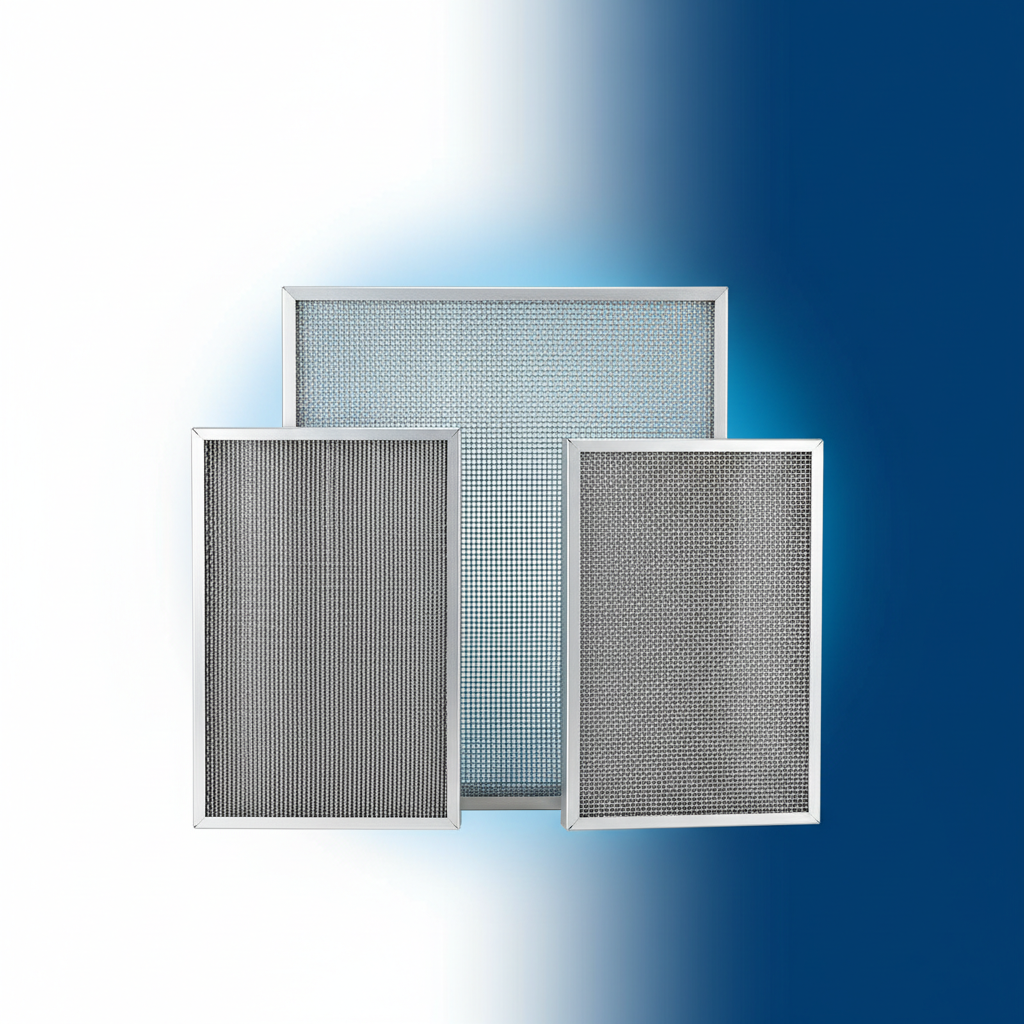
In the world of industrial filtration, the first line of defense is often the most critical. A high-quality metal mesh pre filter serves as an essential barrier, capturing large particles and protecting more expensive secondary filters from premature clogging. By implementing a robust pre-filtration stage, businesses can significantly reduce maintenance costs and extend the operational lifespan of their HVAC and air scrubbing systems. In this comprehensive guide, we will explore the technical advantages, material selections, and strategic applications of metal mesh filtration to help you optimize your air quality management.
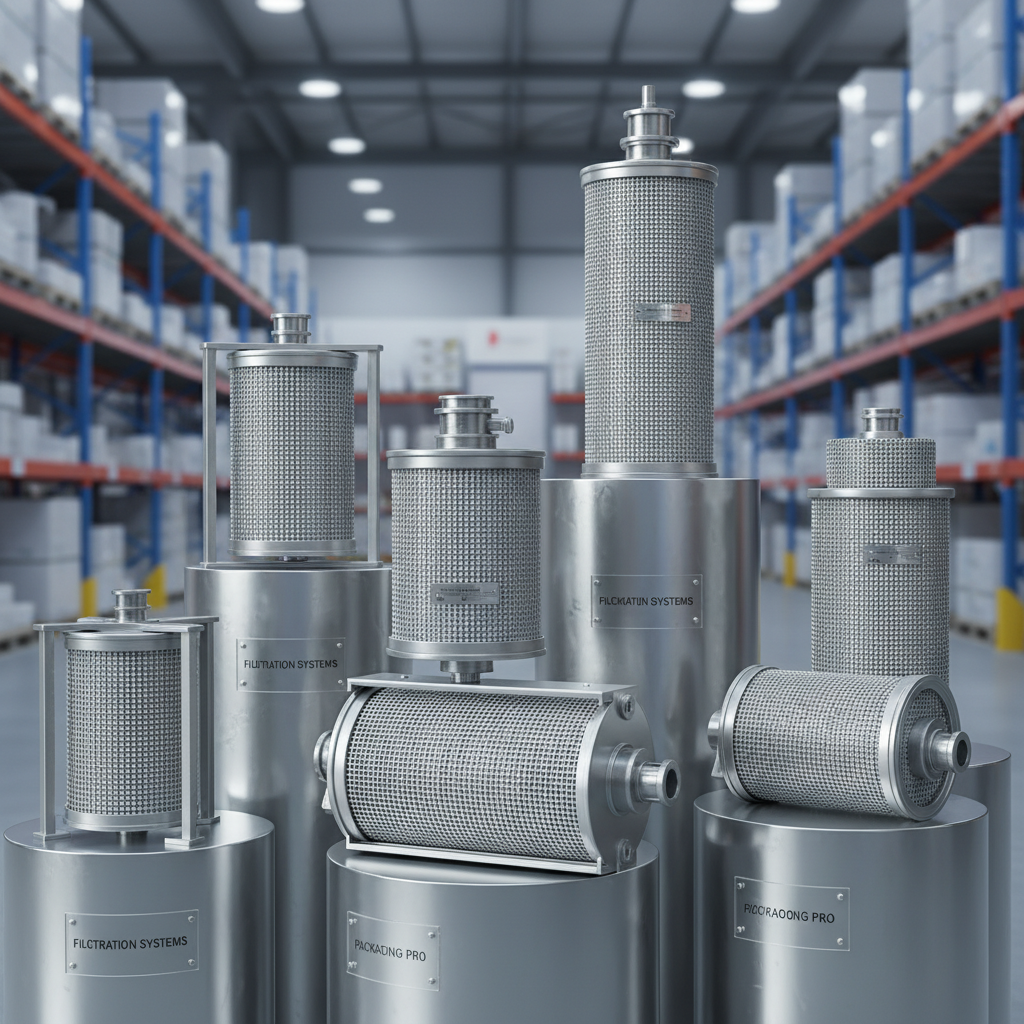
Why Your System Needs a Metal Mesh Pre Filter
The primary purpose of a metal mesh pre filter is to handle "coarse" filtration. In environments where dust, lint, or large debris are prevalent, these filters prevent the primary HEPA or carbon filters from becoming overwhelmed. Unlike disposable synthetic filters, metal mesh options are designed for long-term durability and high airflow capacity. They utilize a woven or perforated structure that allows air to pass through with minimal pressure drop while trapping larger contaminants on the surface. This strategic placement ensures that the most expensive components of your filtration system stay clean for longer, optimizing energy efficiency and reducing downtime.
Pro Tip: Regularly inspecting your pre-filter can reveal a lot about your environment's pollution levels, allowing you to adjust your primary filter replacement schedule based on actual data rather than guesswork.
Material Selection for Metal Mesh Pre Filter Solutions
Not all metals are created equal when it comes to air filtration. The choice of material for your metal mesh pre filter depends heavily on the chemical environment and temperature of your workspace. Stainless Steel (304 or 316) is the gold standard for corrosion resistance and food-grade applications. On the other hand, Aluminum is preferred for lightweight requirements and excellent heat dissipation. For extreme high-temperature environments, such as furnace exhaust, specialty alloys may be used. Choosing the correct material ensures that the filter does not oxidize or degrade, which could otherwise introduce metallic contaminants into the airflow.
Material Comparison Guide:
• Stainless Steel: Maximum durability, chemical resistance, washable.
• Aluminum: High conductivity, lightweight, cost-effective for mild environments.
• Galvanized Steel: Balanced cost and strength, suitable for general industrial use.
Comparing Metal Mesh vs. Synthetic Pre-Filters
When deciding between a metal mesh pre filter and a traditional synthetic fiber filter, the decision usually comes down to reusability vs. convenience. Metal filters are washable and reusable, making them an eco-friendly and cost-effective choice over several years. Synthetic filters, while often having a slightly higher initial particle capture rate for smaller dust, must be replaced frequently, leading to higher waste and recurring costs. For industrial settings with heavy grease or oil loads, metal mesh is far superior as it can be degreased and returned to service without losing structural integrity.
Key Applications of Metal Mesh Pre Filters
The versatility of the metal mesh pre filter makes it suitable for a vast array of industrial settings. In commercial kitchens, they are indispensable for grease extraction in exhaust hoods. In pharmaceutical labs, they serve as the primary stage for air intake units to keep the environment sterile. They are also widely used in automotive paint booths to capture oversized overspray particles and in power plants to protect turbine intakes from debris. By tailoring the mesh density to the specific particle size of the application, engineers can balance the need for filtration efficiency with the requirement for high airflow.
Technical Specifications for Metal Mesh Pre Filter Design
When sourcing a metal mesh pre filter, understanding the technical parameters is crucial for system performance. Key factors include the wire diameter, mesh count (aperture size), and the thickness of the mesh layer. A tighter mesh will capture smaller particles but will increase the pressure drop, potentially straining the blower motor. Most industrial systems aim for a balance that maximizes debris capture while maintaining an acceptable static pressure. Below is a typical specification table for standard industrial mesh filters:
Maintenance Best Practices for Long-Term Efficiency
To get the most out of your metal mesh pre filter, a consistent maintenance schedule is mandatory. We recommend a visual inspection every two weeks and a deep cleaning based on the pressure differential across the filter. When cleaning, avoid using high-pressure jets that could deform the mesh; instead, use a gentle flow of water or a compatible degreasing agent. Ensuring the filter is completely dry before re-installation prevents the growth of mold or the accumulation of moisture on the primary filters downstream. Proper seating of the filter within its frame is also essential to prevent "air bypass," where unfiltered air leaks around the edges of the mesh.
Conclusion: Optimizing Filtration with Metal Mesh
Integrating a professional metal mesh pre filter into your system is one of the most effective ways to enhance operational efficiency and reduce long-term costs. By capturing coarse debris and protecting sensitive secondary filters, you ensure a cleaner environment and a more reliable airflow system. Whether you are managing a food processing plant, a chemical lab, or a commercial HVAC system, the durability and reusability of metal mesh offer a sustainable advantage over disposable alternatives. Invest in quality materials today to secure a cleaner tomorrow.
Frequently Asked Questions (FAQs)
How often should I clean my metal mesh pre filter?
The cleaning frequency depends entirely on the pollutant load of your environment. In a heavy industrial setting, weekly cleaning may be necessary to prevent pressure drop. In a cleaner commercial environment, monthly cleaning may suffice. We recommend installing a differential pressure gauge; when the pressure difference between the inlet and outlet exceeds the manufacturer's recommended limit, it is time for a cleaning. Regular maintenance prevents the blower motor from overworking, which saves energy and prevents equipment failure.
Can a metal mesh pre filter be used for oil and grease?
Yes, metal mesh filters are ideally suited for oil and grease applications, such as kitchen exhaust systems or industrial oil mist collectors. Because they are made of stainless steel or aluminum, they can withstand the harsh chemicals used in degreasing agents. Unlike synthetic filters, which would saturate and become a fire hazard or clog completely, metal mesh filters can be soaked in degreasers and washed, restoring their airflow properties. This makes them a safer and more economical choice for high-grease environments.
Does a metal mesh filter provide HEPA-level filtration?
No, a metal mesh pre filter is not a substitute for a HEPA filter. Its purpose is "pre-filtration," meaning it captures large particles (typically >10 microns). HEPA filters are designed to capture microscopic particles (down to 0.3 microns). The role of the metal mesh pre filter is to act as a shield, removing the "big stuff" so that the HEPA filter can focus on the "small stuff." Using a metal pre-filter can extend the life of your HEPA filter by 2-3 times, significantly reducing your total cost of ownership.
Which is better: Stainless Steel or Aluminum mesh?
The "better" material depends on your specific needs. Stainless Steel (especially 316 grade) is far superior in terms of strength, corrosion resistance, and tolerance to high temperatures or acidic environments. It is the best choice for pharmaceutical, chemical, and high-end food processing. Aluminum is much lighter and more affordable, making it a great choice for HVAC systems in residential or light commercial buildings where extreme chemical exposure is not a concern. If you prioritize longevity and hygiene, stainless steel is the recommended investment.
Post time: Apr-16-2026