Understanding Glue Machince: The Backbone of Modern Adhesive Solutions
Glue machince — yes, that oddly spelled term, but an essential one — refers broadly to machinery designed to apply adhesives efficiently across industries globally. At first glance, it might feel niche, but considering the billions of products stuck, bonded, and sealed daily around the world, the significance becomes evident. From manufacturing electronics to assembling furniture, and even medical devices — glue machines are quietly powering modern production lines. Getting to grips with this technology unlocks a world of greater efficiency, sustainability, and reliability in many sectors.
Glue Machince on the Global Stage: Why Does It Matter?
Globally, adhesive applications have exploded, with the market size expected to surpass USD 70 billion by 2030 according to Statista. Manufacturers increasingly rely on precise, automated glue application to meet tight deadlines and sustainability goals. Problems like wasted adhesive, inconsistent application, and slow manual processes hold back productivity and inflate costs. Glue machince technology addresses these challenges, enabling industries worldwide to reduce waste, speed up production, and improve product quality with pinpoint accuracy.
Mini takeaway: Glue machines are more than dispensers — they’re essential tools shaping global manufacturing efficiency and sustainability.
What Exactly Is a Glue Machince?
Simply put, a glue machince is any mechanical or automated system designed to dispense adhesive material during assembly or packaging processes. Whether it’s hot melt glue applied by nozzle, precision liquid glue dispensers, or even ultrasonic adhesive bonding systems, these machines ensure the right glue is applied in the right amount, at the right time. This kind of automation is indispensable in many industries, from consumer goods to humanitarian aid, where fast, reliable bonding can be a literal game-changer.
Interestingly, glue machines connect industrial prowess with humanitarian efforts — for example, in creating modular shelters or medical kits where adhesive integrity impacts safety and durability.
Key Aspects of Glue Machines
1. Precision & Consistency
The hallmark of a good glue machince is the ability to apply adhesive uniformly. Variations can cause weak bonds or waste. Modern machines use sensors and programmable logic controllers (PLCs) to adjust flow rates dynamically, achieving consistent application across volumes.
2. Durability & Maintenance
These machince must endure continuous operation often in challenging environments. Durable parts, easy cleaning, and modular components are vital to minimize downtime — a big boon when production lines never sleep.
3. Scalability & Integration
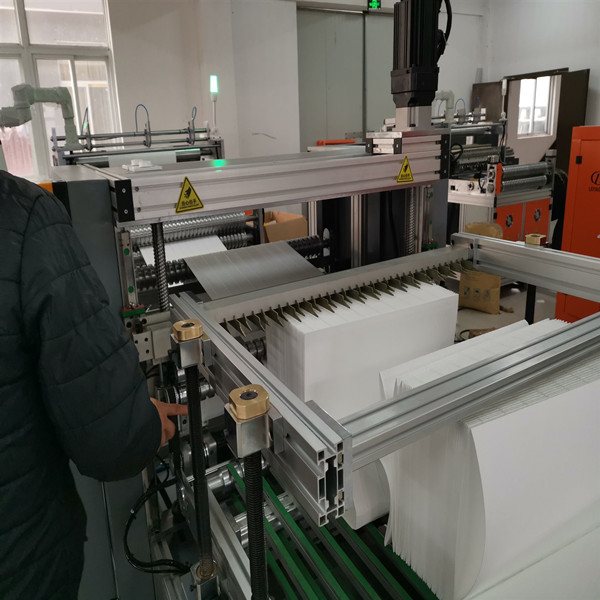
In many cases, glue application is just one step in automated production. Glue machince that can integrate with robotic arms or conveyor systems turn from standalone units into pillars of complex, scalable manufacturing lines.
4. Cost Efficiency & Sustainability
Reducing glue wastage and lowering energy consumption while maintaining performance influences the cost-effectiveness significantly. Many manufacturers now seek machines compatible with eco-friendly adhesives and optimized for minimal spillage.
5. Versatility Across Adhesive Types
Different industries need different adhesives — hot melt, solvent-based, UV curable. The best glue machines offer adaptable heads or settings to handle multiple kinds without complex retooling, providing flexibility.
Glue Machince Product Specifications Snapshot
| Specification | Details |
|---|---|
| Application Type | Hot Melt, Cold Glue, UV Cure |
| Control System | PLC with Touchscreen Interface |
| Flow Rate | 0.1–500 ml/min adjustable |
| Integration | Robotic Automation and Conveyor Systems |
| Cleaning | Semi-Automatic Flush System |
Who Uses Glue Machince? Global Applications & Use Cases
From Asia’s booming electronics factories, where micro-precision glue application is crucial, to European automotive assembly lines requiring eco-friendly adhesives, glue machines serve a vast range of sectors. NGOs also employ portable glue machinery in disaster zones to assemble modular emergency shelters efficiently. Oddly enough, you’ll find some rural workshops in Africa installing small-scale glue machince for artisanal goods production, improving quality while reducing waste.
In post-disaster relief operations, for instance, rapid assembly of temporary housing relies heavily on glue machince’s ability to apply adhesives quickly and with uniform strength — enabling safer, faster shelter construction under pressing timelines.
Advantages & Long-Term Value of Glue Machines
- Cost Savings: Less adhesive waste plus faster throughput equals money saved.
- Sustainability: Precision reduces environmental impact by lowering chemical runoff and energy use.
- Reliability: Consistent quality means fewer product defects and less rework.
- Social Impact: Trustworthy bonding in medical or emergency equipment improves safety and dignity.
Frankly, it feels like glue machines don’t just add glue but also trust and efficiency — facets critical both emotionally and practically in production and humanitarian work.
Future Trends & Innovations Shaping Glue Machince
The next frontier includes smart glue machince powered by AI to detect substrate changes in real time and auto-adjust glue flow, emerging biodegradable adhesive-compatible systems, and fully robotic lines minimizing human intervention. Digital transformation is seamlessly linking glue machines with data analytics for predictive maintenance, cutting downtime before it even happens.
Challenges & Solutions
Yet, challenges remain: handling diverse adhesive types without complex switching, cleaning sticky residues efficiently, and training operators on sophisticated controls. Industry players are innovating modular heads for quick swaps, self-cleaning technologies, and investing heavily in intuitive control interfaces to lower the learning curve.
Vendor Comparison for Glue Machince Buyers
| Vendor | Adhesive Types Supported | Automation Level | Price Range | Support & Training |
|---|---|---|---|---|
| AdhesivePro | Hot Melt, Cold | Semi-Automated | $15,000–$25,000 | Comprehensive |
| BondTech | Hot Melt, UV Cure | Fully Automated | $30,000–$50,000 | Extensive |
| EcoBond | Cold, Biodegradable | Manual to Semi-Automated | $10,000–$18,000 | Basic |
FAQ: Frequently Asked Questions About Glue Machince
- Q: How can I reduce adhesive waste with my glue machince?
- A: Choose machines with precise flow control and sensors that adjust glue output automatically. Regular maintenance and operator training also help minimize waste.
- Q: What industries benefit most from advanced glue machines?
- Electronics, automotive, furniture, packaging, and even humanitarian aid sectors gain significantly through increased efficiency and product quality.
- Q: Is it possible to switch quickly between different adhesive types?
- Modern machines offer modular heads or multiple dispensing systems allowing swift transitions, but some setups might require cleaning or recalibration.
- Q: Can glue machines be integrated into fully automated production lines?
- Yes, many manufacturers design glue machince with robotic integration, conveyor compatibility, and smart controls for seamless automation.
- Q: How do I choose the right glue machince for my business?
- Assess your adhesive types, production volume, budget, and integration needs. Consulting with vendors and seeking demo trials can clarify what fits best.
Conclusion
In the grand tapestry of manufacturing and assembly, glue machince weave invisible but indispensable threads of reliability, economy, and innovation. Investing in the right glue machinery is not just about sticking things together; it’s about fortifying trust in your processes and sustainability for your future. Curious to explore the latest in glue machince technology? Visit our website and dive deeper into solutions designed for tomorrow’s challenges.
And if nothing else, next time you see a perfectly bonded product, you’ll know the glue machince behind the scenes did its quiet magic…
References:
Post time: Dec-02-2025