Understanding the Filter Basket: A Small Component with Big Industrial Impact
If you’ve ever wondered how industries manage the demanding task of isolating solids from liquids or sorting particles of various sizes, the humble filter basket quietly takes center stage. It’s funny — such a simple concept can solve complex problems worldwide. The filter basket matters globally because it touches so many sectors: water treatment, food and beverage processing, pharmaceuticals, even humanitarian efforts where clean water is critical. Knowing how these baskets work and their benefits equips engineers, project managers, and procurement professionals to make smarter decisions that ripple across economic, environmental, and social domains.
Introduction: Global Context of the Filter Basket
Globally, efficient filtration is more essential than ever. According to the United Nations Water Report, roughly 2 billion people lack access to safely managed drinking water. Industrial effluents, groundwater contamination, and food processing purity are just a few challenges that demand robust filtration systems. The filter basket, a critical component in filtration assemblies, is pivotal in meeting these challenges by enabling scalable, cost-effective separation.
But here’s the thing: not all filter baskets are created equal, and their design and application can make or break effectiveness. Understanding their key components, advantages, and limitations sheds light on why industries trust them and why ongoing innovations are vital.
What Is a Filter Basket? Defining Its Role
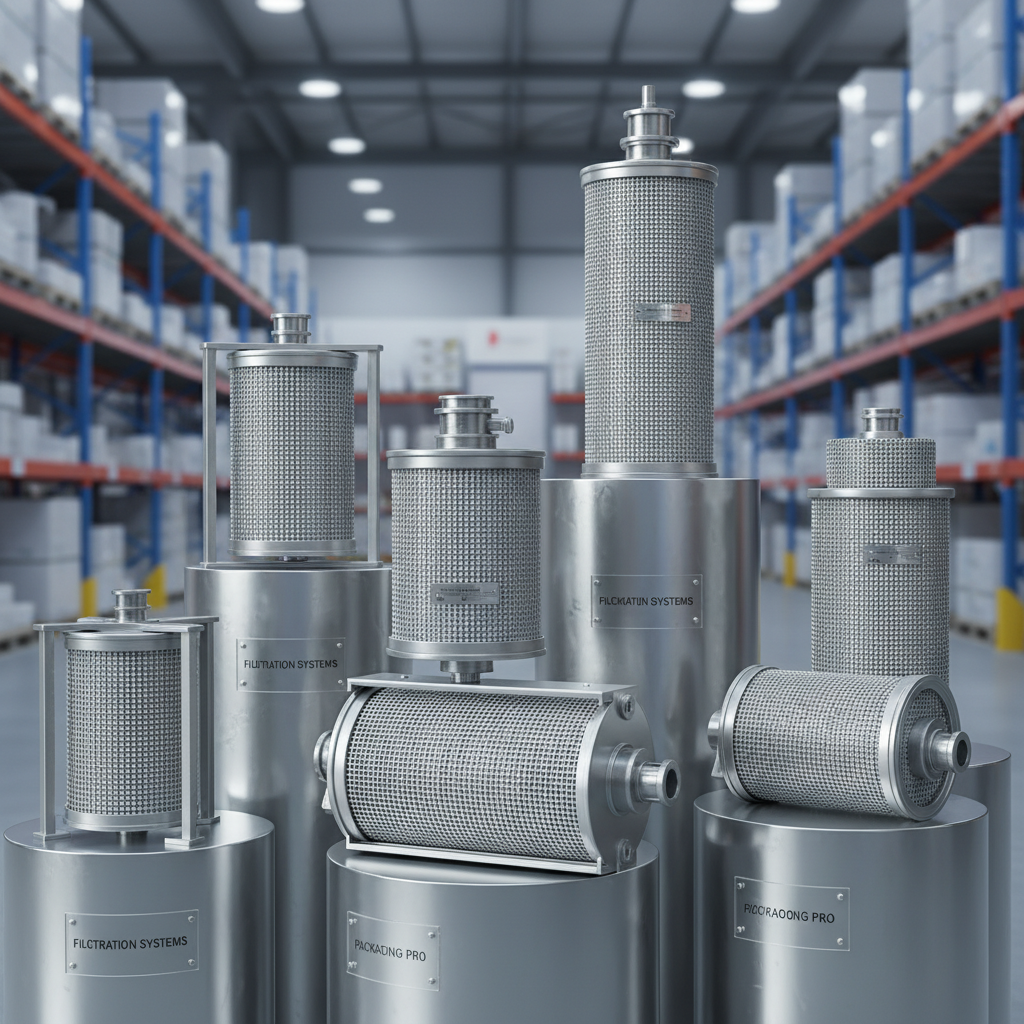
At its simplest, a filter basket is a perforated or mesh container designed to hold a filtering medium or to act as a primary strainer itself. It fits inside a larger system—say, a pump, a pipeline, or a processing chamber—to catch debris, sediment, or particulates as fluid flows through. The basket’s design focuses on durability and filtering precision.
Modern industries depend on filter baskets for pre-filtration to protect equipment like pumps or valves or for bulk solids separation. Even sectors like emergency water purification and chemical plants rely on them to enhance safety and efficiency.
Key Factors of Filter Basket Performance
1. Durability
Filter baskets usually face harsh chemicals, high pressures, and constant flow. That means materials like stainless steel or reinforced polymers are standard choices—resisting corrosion and deformation ensures lifespan and reliability.
2. Mesh Size and Design
The mesh or perforation pattern controls particle retention. Fine meshes stop microscopic particles, whereas coarse designs handle bigger debris. Engineers select specifications based on intended use, often balancing flow rate and filtration precision.
3. Ease of Maintenance
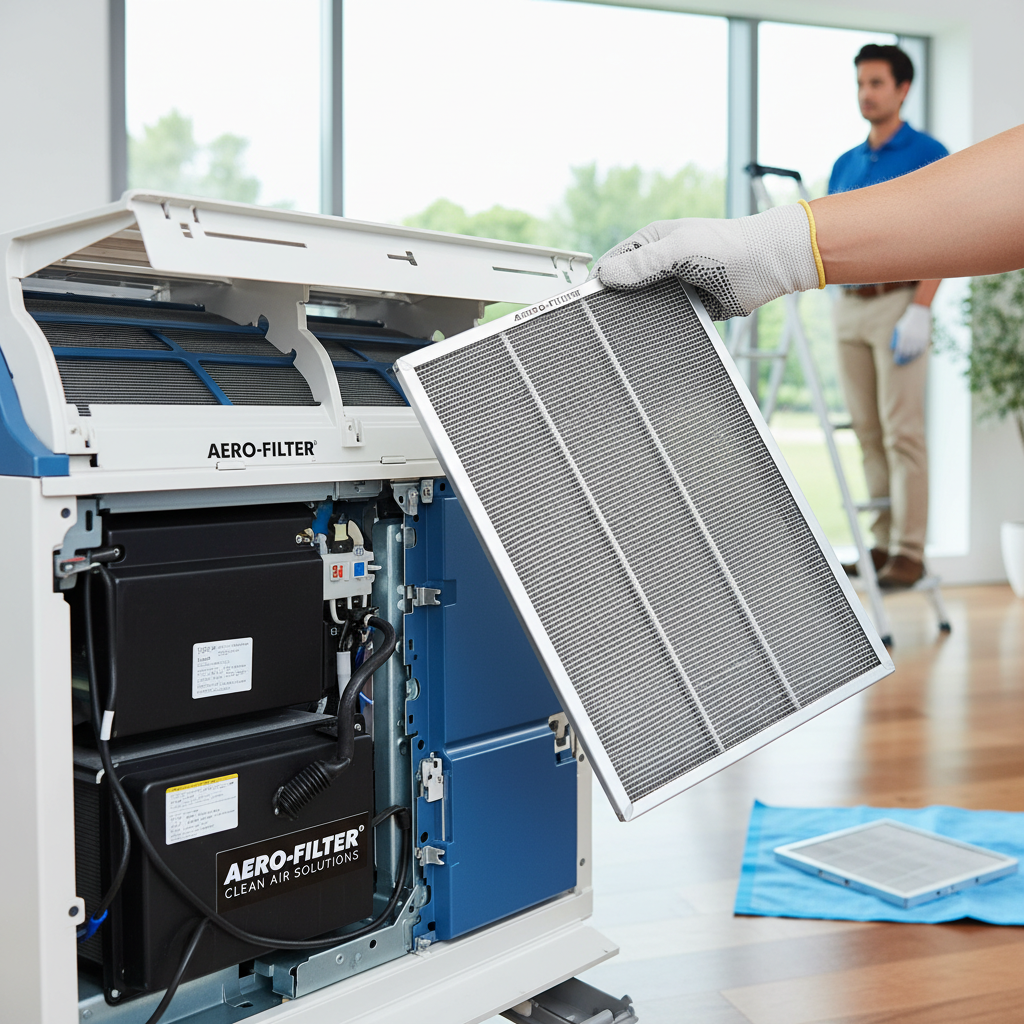
Oddly enough, simplicity here is a game-changer. A filter basket that’s easy to remove, clean, or replace without costly downtime increases operational uptime—important in high-volume industrial settings.
4. Cost Efficiency
Because filter baskets aren’t just disposable items—they represent an investment—finding options that balance upfront cost with lifecycle savings matters. Lower failure rates mean fewer replacements.
5. Compatibility with Systems
Filter baskets must fit seamlessly within piping layouts or machinery. Variations in size, shape, and connection types are tailored to specific applications, ensuring no bottlenecks in filtration systems.
Global Applications & Use Cases
The versatility of filter baskets spans the globe:
- Water Treatment Plants: Used to remove particulates before chemical processing or disinfection. For instance, treatment facilities in Europe leverage high-grade stainless steel baskets to meet strict ISO water purity standards.
- Food & Beverage Industry: Breweries or juice producers often rely on filter baskets to ensure product clarity and prevent clogging of downstream equipment.
- Pharmaceutical Manufacturing: Precision is paramount. Filter baskets here filter out unwanted matter without contaminating active ingredients.
- Disaster Relief Operations: NGOs deploying mobile water filtration units depend on rugged, easily maintainable filter baskets to provide safe drinking water quickly in affected areas, like in post-flood zones.
- Oil & Gas Sector: Separating sediments during drilling or refining processes protects capital equipment from abrasive damage.
Advantages & Long-Term Value
The benefits of filter baskets aren’t just technical. They have tangible economic, environmental, and social impacts:
- Cost Savings: By preventing damage to pumps and valves, they reduce repair expenses—a detail many engineers swear by.
- Sustainability: Durable baskets reduce waste over disposable alternatives and support cleaner operations by improving filtration’s effectiveness.
- Safety & Trust: Clean filtration builds confidence—whether that’s a community drinking safe water or a factory meeting regulatory compliance.
- Innovation & Scalability: Modular filter basket designs allow quick system adjustments as project scopes evolve.
Future Trends & Innovations
Industry insiders see exciting trends shaping filter basket development, such as:
- Advanced Materials: Graphene-enhanced meshes and coated metals to extend lifespan and filter efficiency.
- Automation: Sensor-equipped filter baskets to signal blockage or wear, enabling predictive maintenance.
- Green Manufacturing: Eco-friendly materials and processes reducing carbon footprints.
- Customization: 3D printing for complex basket geometries tailored to niche applications.
Challenges & Solutions
Despite their strengths, filter baskets face some hurdles:
- Clogging: Fine meshes risk faster blockage. Regular cleaning protocols and flushable designs address this.
- Material Limitations: Some aggressive chemicals require specialized coatings to prevent degradation.
- Size Standardization: Mismatched basket sizes hinder replacement ease; vendors increasingly offer custom sizes, though at a premium.
Many manufacturers now offer modular baskets combined with digital monitoring — a promising way to anticipate issues before they cause downtime.
Product Specifications: Typical Filter Basket Example
| Specification | Details |
|---|---|
| Material | 304/316 Stainless Steel |
| Mesh Sizes | 20µm to 1000µm (customizable) |
| Dimensions | Diameter: 100-600 mm; Height: 200-800 mm |
| Operating Pressure | Up to 10 bar |
| Common Applications | Water treatment, Food processing, Chemical filtration |
Vendor Comparison: Leading Filter Basket Suppliers
| Vendor | Material Options | Customization | Price Range | Lead Time |
|---|---|---|---|---|
| Acme Filters Co. | Stainless Steel, Polymer | High | $$$ | 3-5 weeks |
| Global Filtration Inc. | Stainless Steel only | Medium | $$ | 2-4 weeks |
| EcoFilter Solutions | Bio-based polymers, Stainless Steel | High | $$$ | 4-6 weeks |
Frequently Asked Questions About Filter Basket
- What determines the right mesh size for a filter basket?
- Choosing the mesh size depends on the particle size you need to filter out. Smaller mesh sizes capture finer particulates but may clog faster. It’s essential to balance filtration needs with flow rate to avoid operational issues.
- How often should filter baskets be cleaned or replaced?
- That depends on the application and contamination level. In heavy-duty industrial uses, daily or weekly cleaning is common, while others may require monthly checks. Durable baskets last years if maintained properly.
- Can filter baskets be customized for unique filtration needs?
- Absolutely. Many vendors offer custom sizes, materials, and mesh patterns to suit specific industrial or humanitarian requirements, ensuring optimal performance.
- Are stainless steel baskets always the best choice?
- While stainless steel offers excellent durability and corrosion resistance, sometimes polymers or coated materials are better for specific chemical environments or cost constraints.
- How do filter baskets improve sustainability?
- By extending equipment life, reducing waste from failed parts, and enabling cleaner effluents, filter baskets contribute to more sustainable industrial operations globally.
Conclusion
In real terms, the filter basket is a deceptively simple but vital piece in the puzzle of clean, efficient processing across industries and geographies. Its long-term value shines through cost savings, increased equipment lifespan, environmental benefits, and social impact—especially in humanitarian contexts. Oddly enough, investing some thought into these baskets pays dividends on multiple fronts.
If you’re interested in learning more or sourcing quality filter baskets tailored to your needs, visit our website: filter basket.
Mini takeaway: never underestimate the little stuff—sometimes the smallest components keep the whole system flowing smoothly.
References:
Post time: Dec-02-2025