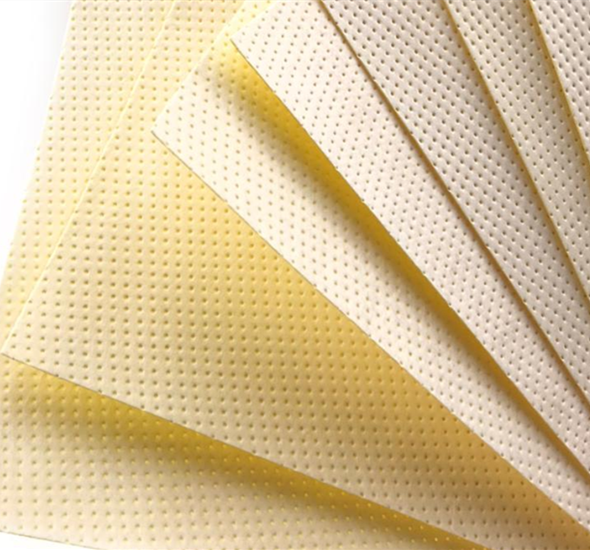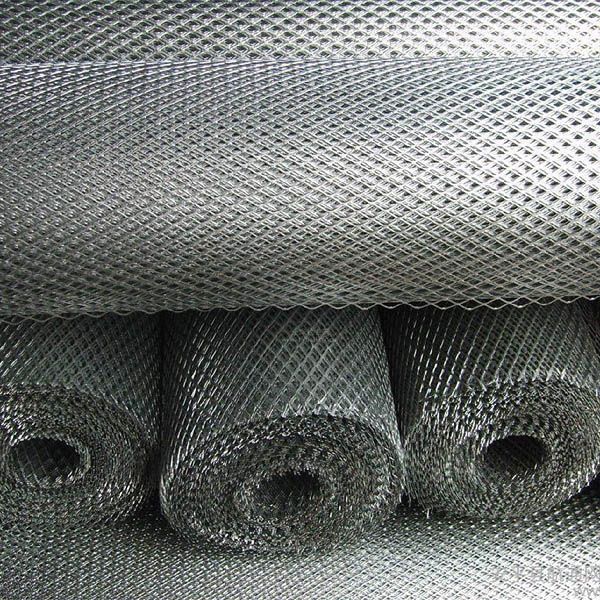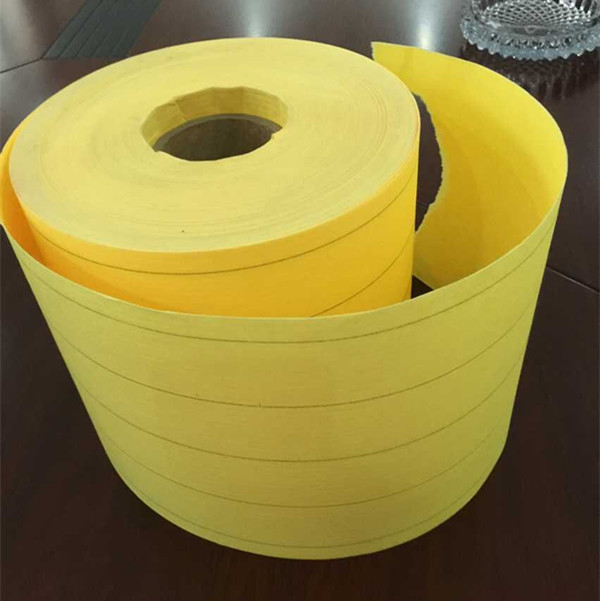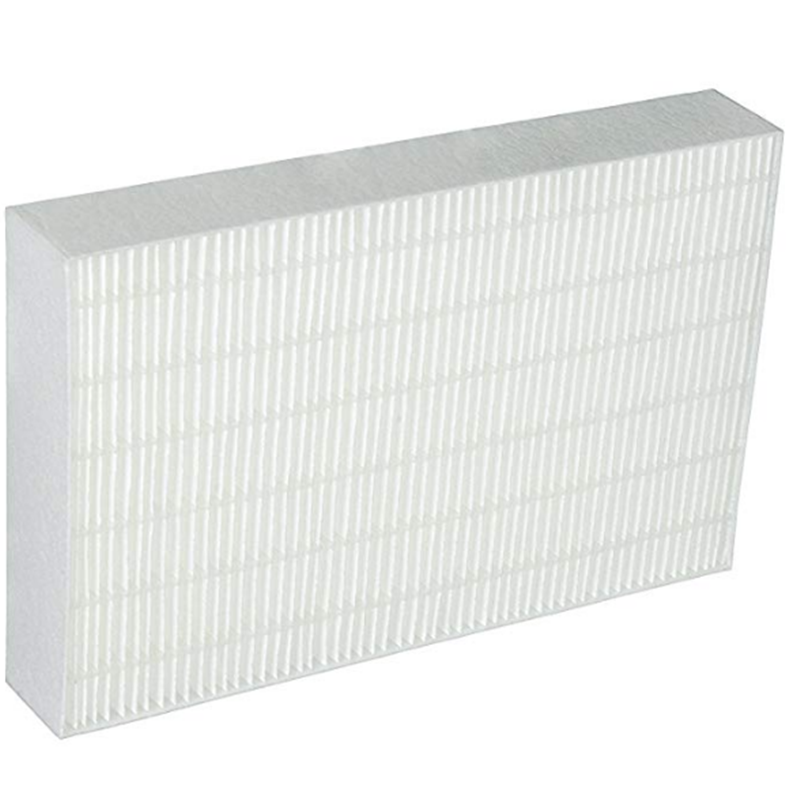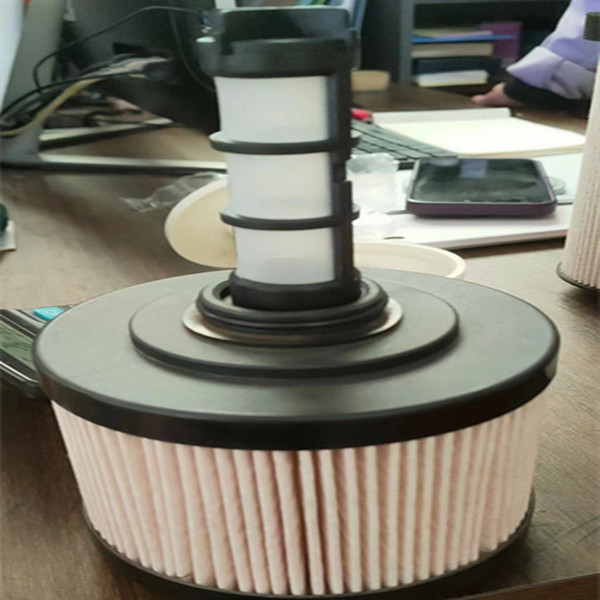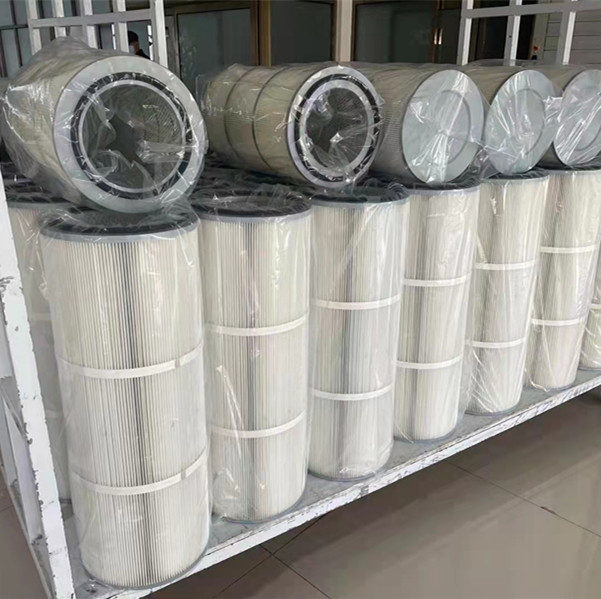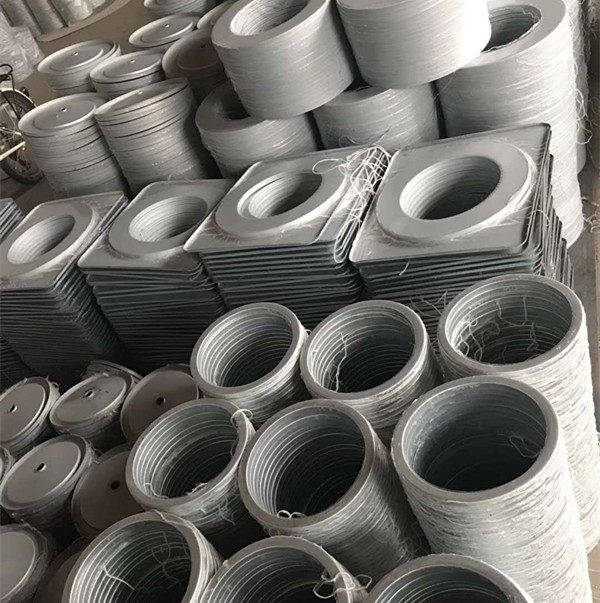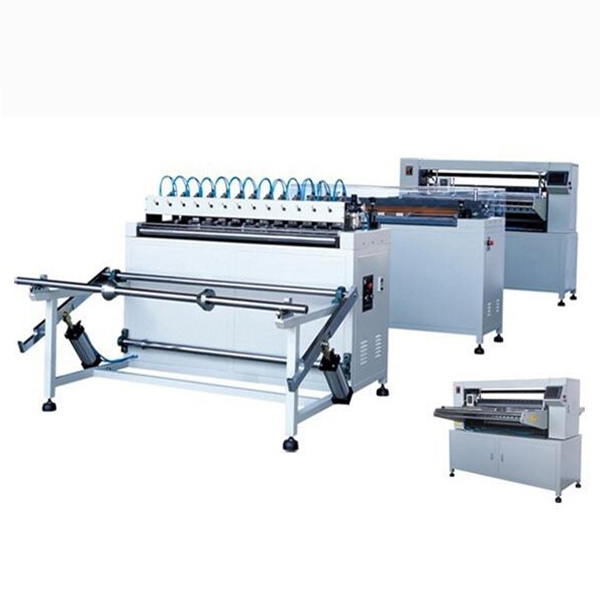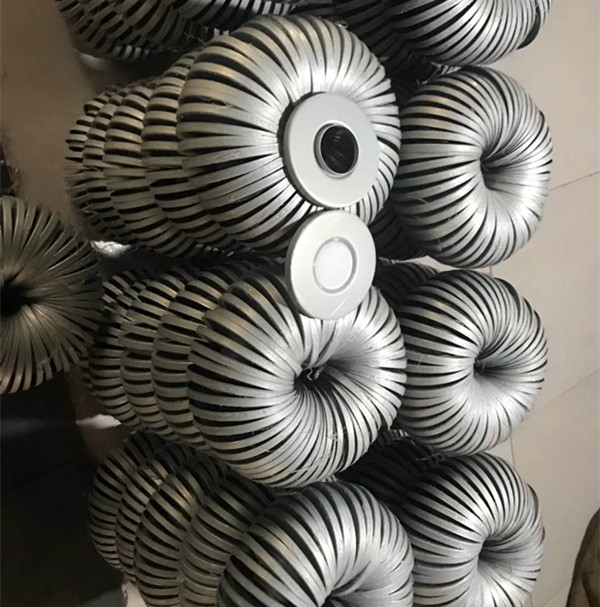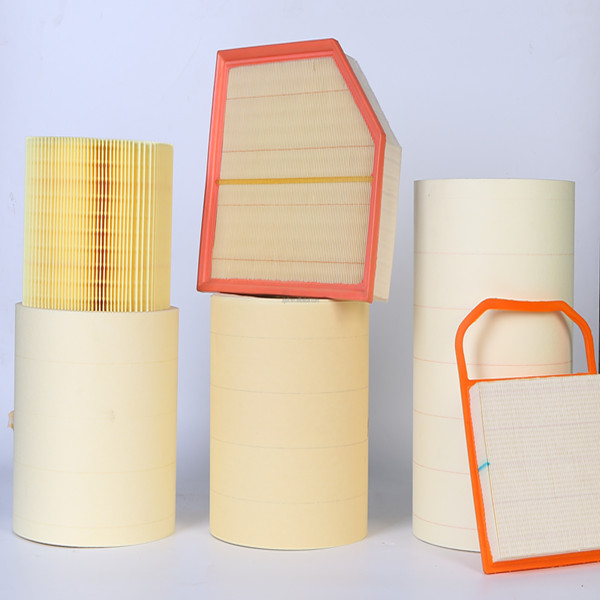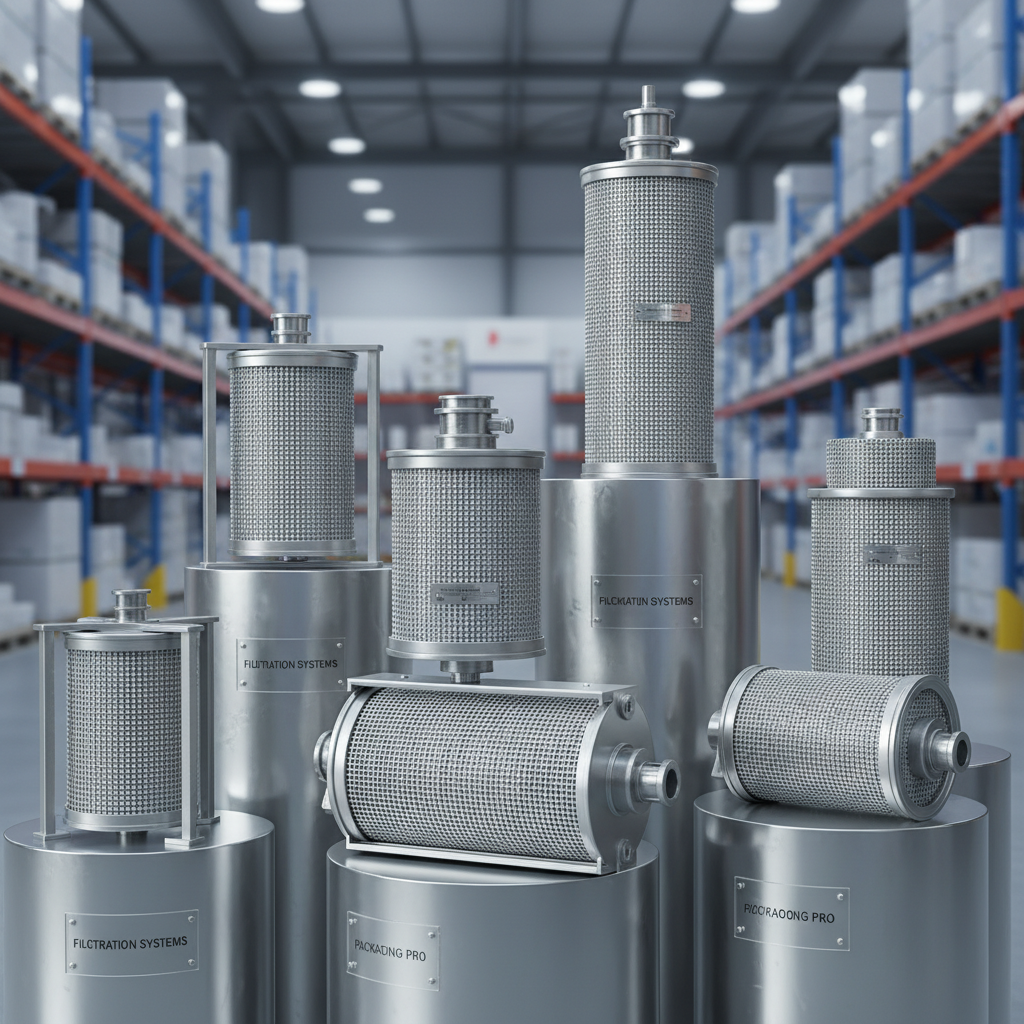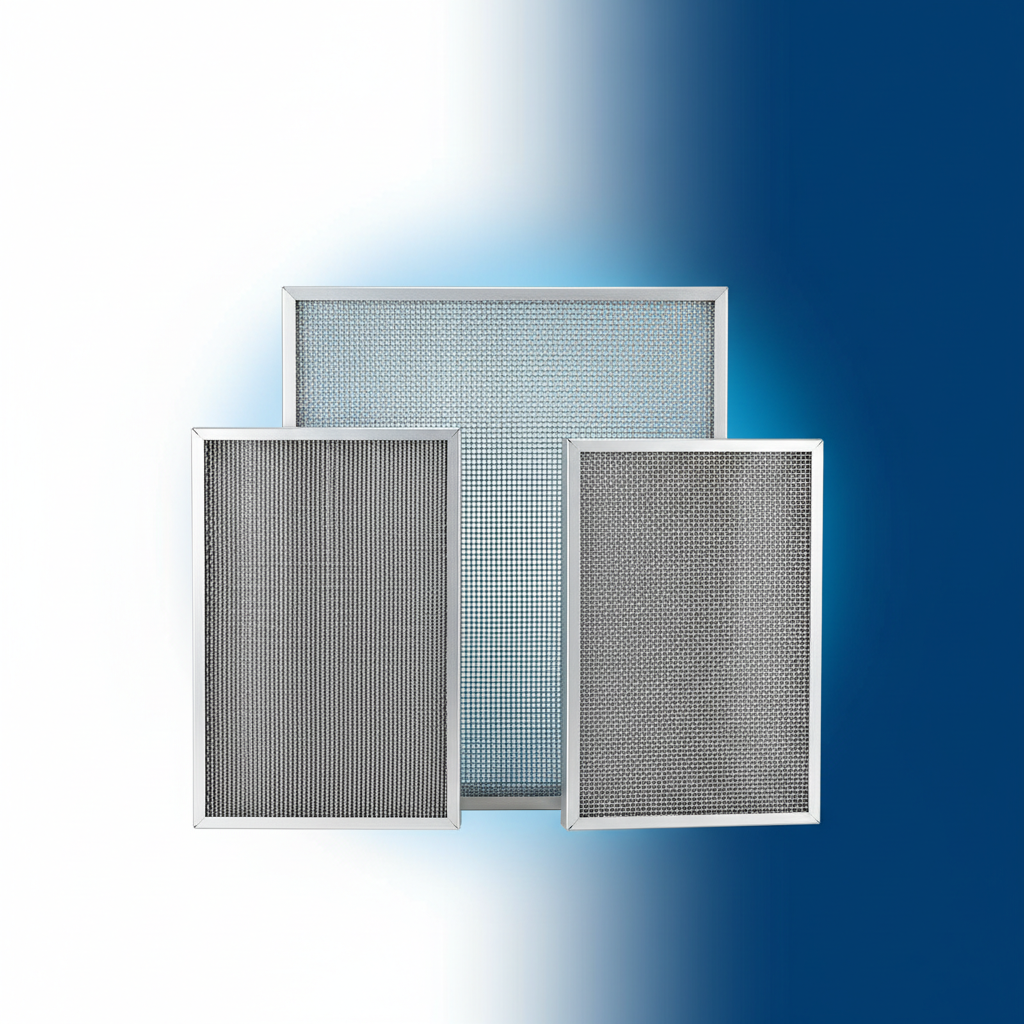
Glass Microfiber Filter Media is a key solution in the industry, specifically within filtration and environmental control sectors. This article explores how Anyafiltermedia.com supports professionals with durable, high-performance products, and explains why this product is an ideal choice for businesses in these sectors.
Table of Contents
- Glass Microfiber Filter Media Overview
- Benefits & Use Cases of Glass Microfiber Filter Media
- Cost, Maintenance & User Experience
- Sustainability & Market Trends
Glass Microfiber Filter Media Overview
Glass Microfiber Filter Media is essentially a highly specialized filtration material made from fine glass fibers. Engineered primarily for industrial filtration use, it captures minute particles that other filters might miss. Technically, the media is composed of randomly arranged microfibers that form a dense, yet breathable, mat offering excellent dust-holding capacity and thermal resistance. In real terms, this makes it ideal for harsh industrial environments requiring robust, long-lasting filtration.
- High-efficiency particulate capture with micron ratings often less than 1 μm.
- Thermal stability up to 550°C, making it suitable for high-temperature applications.
- Case study: A cement manufacturing plant reduced particulate emissions by 35% after integrating this filter media.
| Specification | Details |
|---|---|
| Fiber Diameter | 1.0 - 3.0 microns |
| Temperature Resistance | Up to 550°C (1022°F) |
| Thickness | 2 - 6 mm (customizable) |
| Air Permeability | 50-250 cfm/ft² |
| Applicable Industries | Power plants, cement, chemical, steel production |
Benefits & Use Cases of Glass Microfiber Filter Media
In practical terms, glass microfiber filter media cuts through the noise by offering unmatched durability combined with high filtration efficiency – something engineers often emphasize as a game-changer. Common use cases span dust collection in cement plants, industrial air purification, and chemical plants where airborne particulates pose health and operational risks. Its resistance to corrosive contaminants and heat means it won’t degrade quickly, reducing downtime for replacements.
- Ideal for high-temperature filtration needs due to excellent thermal stability.
- Excellent dust-holding capacity lowers maintenance frequency.
- Competitive advantages include customization options for thickness and permeability, allowing tailored solutions.
| Vendor | Price Range | Customization | Lead Time | Customer Support |
|---|---|---|---|---|
| AnyaFilterMedia | Mid-tier | High - tailored thickness, density | 2-3 weeks | Excellent - dedicated B2B support |
| Competitor A | High | Medium | 4-6 weeks | Good |
| Competitor B | Low | Low | 1-2 weeks | Basic |
Cost, Maintenance & User Experience
When it comes to the total cost of ownership, glass microfiber media is surprisingly cost-effective given its longevity and reduced maintenance needs. Durability here means fewer filter replacements — which frankly, saves time and money in the long run. Some customers I've talked to from the power industry noted a drop in operational interruptions after switching to this filter media. That’s not just hearsay; performance data often shows improved air quality and decreased downtime.
- Lower maintenance frequency thanks to superior dust-loading capacity.
- Longer service life offsets initial price premium.
- Positive user feedback highlights ease of integration and reliability.
Sustainability & Market Trends
Industry regulations pushing for cleaner emissions are driving demand for advanced filtration materials like glass microfiber media. What’s interesting is the sustainability angle — while glass fiber production is energy-intensive, higher efficiency and longer lifespan mean fewer replacements and less waste. Oddly enough, as environmental standards tighten, companies lean into these media for both compliance and operational savings. Market analysts even predict steady growth in this segment over the next five years.
- Increased adoption driven by stricter environmental regulations.
- Focus on reducing carbon footprint through more efficient filtration solutions.
- Growth in power generation, cement, and chemical sectors fuels demand.
Frequently Asked Questions about Glass Microfiber Filter Media
- What is Glass Microfiber Filter Media and how does it work?
- It’s a filtration material made of tiny glass fibers arranged randomly to trap dust and particulates while allowing airflow. The fibers capture particles through mechanical interception, inertial impaction, and diffusion mechanisms.
- What are the main benefits of using Glass Microfiber Filter Media in industrial applications?
- Its benefits include high temperature tolerance, excellent dust holding capacity, long service life, and superior filtration efficiency compared to many other materials.
- How does Glass Microfiber Filter Media compare to traditional alternatives?
- Compared to cellulose or synthetic fibers, glass microfiber media often delivers better durability, heat resistance, and filtration efficiency, making it a preferred choice in demanding environments.
- What industries can benefit most from Glass Microfiber Filter Media implementation?
- Primary sectors include power generation, cement manufacturing, chemical processing, and steel production—basically wherever fine dust and high temps require tough filtration.
Conclusion on Glass Microfiber Filter Media from china
To wrap it up, Glass Microfiber Filter Media stands out as a durable and highly effective filtration solution that's particularly well-suited for demanding industrial applications. Its unique blend of thermal resistance, efficiency, and longevity offers a smart investment for businesses aiming to improve air quality and operational uptime. For those curious about sourcing dependable options, do check out Anya Filter Media’s product line tailored for these exact needs.
- Durability and efficiency make it a valuable asset in industrial filtration.
- Visit our website: https://www.anyafiltermedia.com
Looking back, it’s interesting how such a seemingly simple material plays a critical role in keeping complex industrial systems clean and safe — a reminder that sometimes the smallest details make the biggest difference.
References:
1. Industrial Filtration Journal, 2023
2. Environmental Protection Agency Reports, 2022
3. User Testimonials from power sector clients (2023)
Post time: Dec-11-2025