Understanding f6 Glassfiber Air Filter Paper: A Crucial Component for Modern Air Filtration
At first glance, f6 glassfiber air filter paper might seem like just another technical term in the vast world of industrial materials. Yet, it plays a surprisingly pivotal role in air quality management worldwide. With global industrialization and increasing environmental challenges, air filtration solutions have never been more critical. This type of filter paper helps industries, cleanrooms, and even humanitarian agencies manage air pollutants effectively, safeguarding human health and machinery alike.
Introduction: Why f6 Glassfiber Air Filter Paper Matters Globally
Air pollution is a persistent problem worldwide. According to the World Health Organization (WHO), approximately 7 million premature deaths annually relate to air pollution exposure. Industrial activities contribute a significant portion to airborne particulate matter. Controlling these pollutants at the source is essential. This is where f6 glassfiber air filter paper steps in—it serves a specialized role in capturing fine particles from air streams.
In real terms, industries such as pharmaceuticals, electronics, and HVAC systems rely heavily on high-performance filtration media. The International Organization for Standardization (ISO) has also set guidelines emphasizing the importance of effective filtration media to ensure workplace safety and product quality. Still, one major challenge remains: providing filtration materials that balance efficiency, durability, and cost-effectiveness—exactly what f6 glassfiber air filter paper promises.
Defining f6 Glassfiber Air Filter Paper
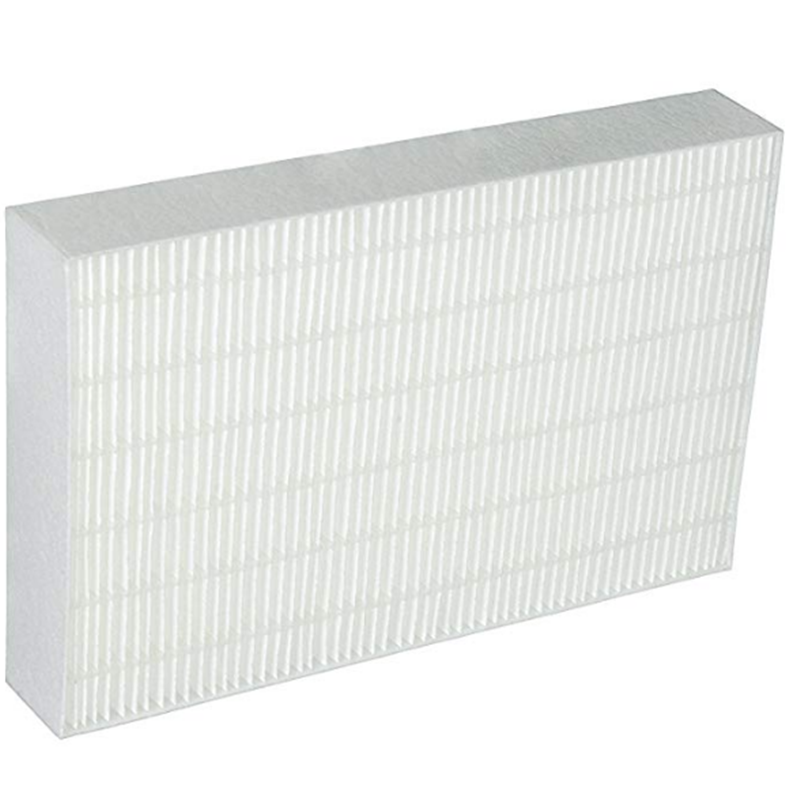
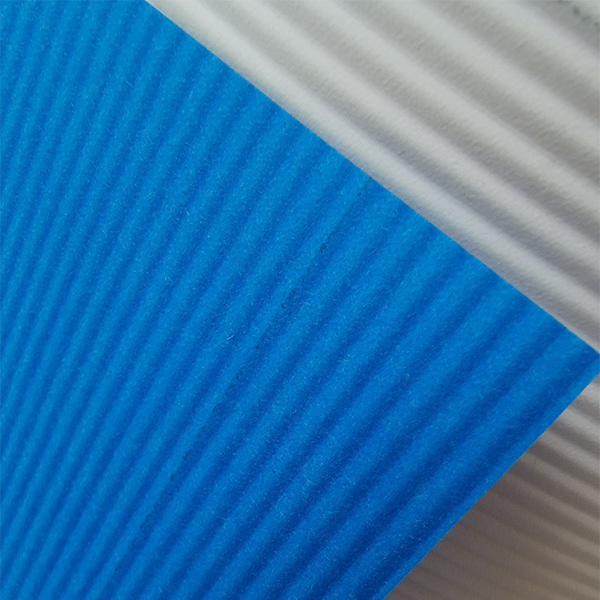
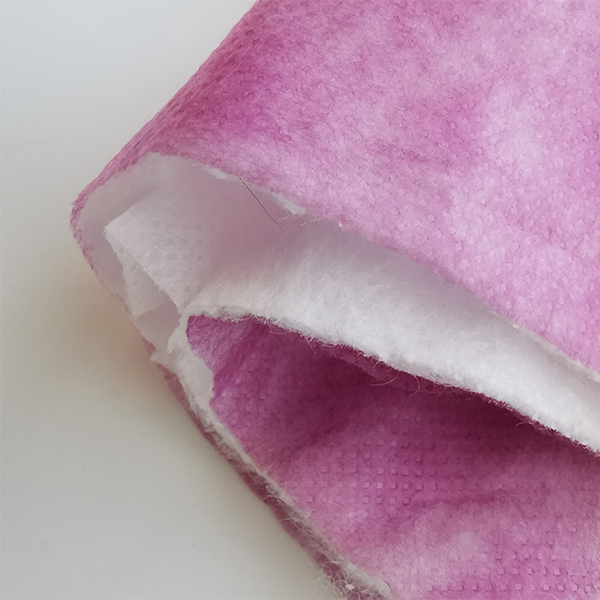
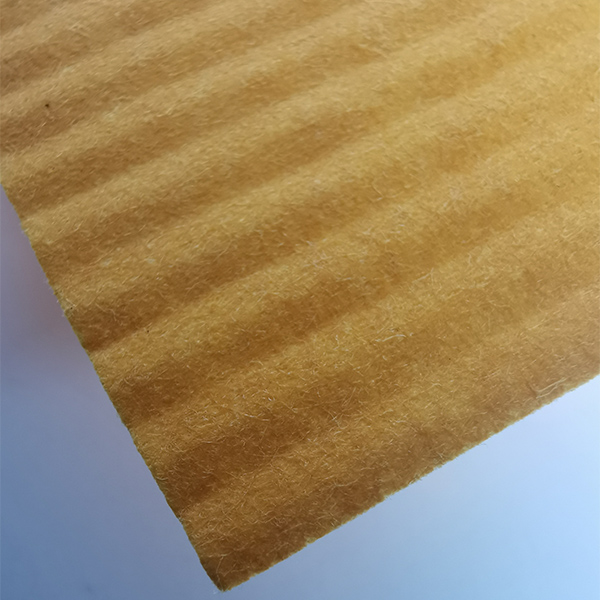
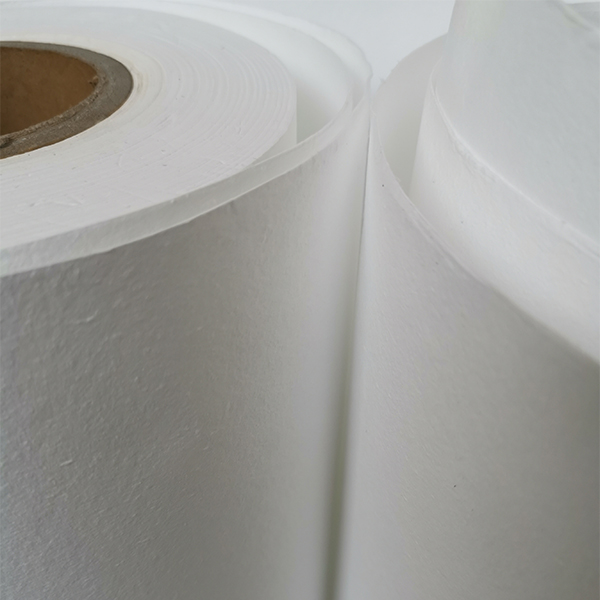
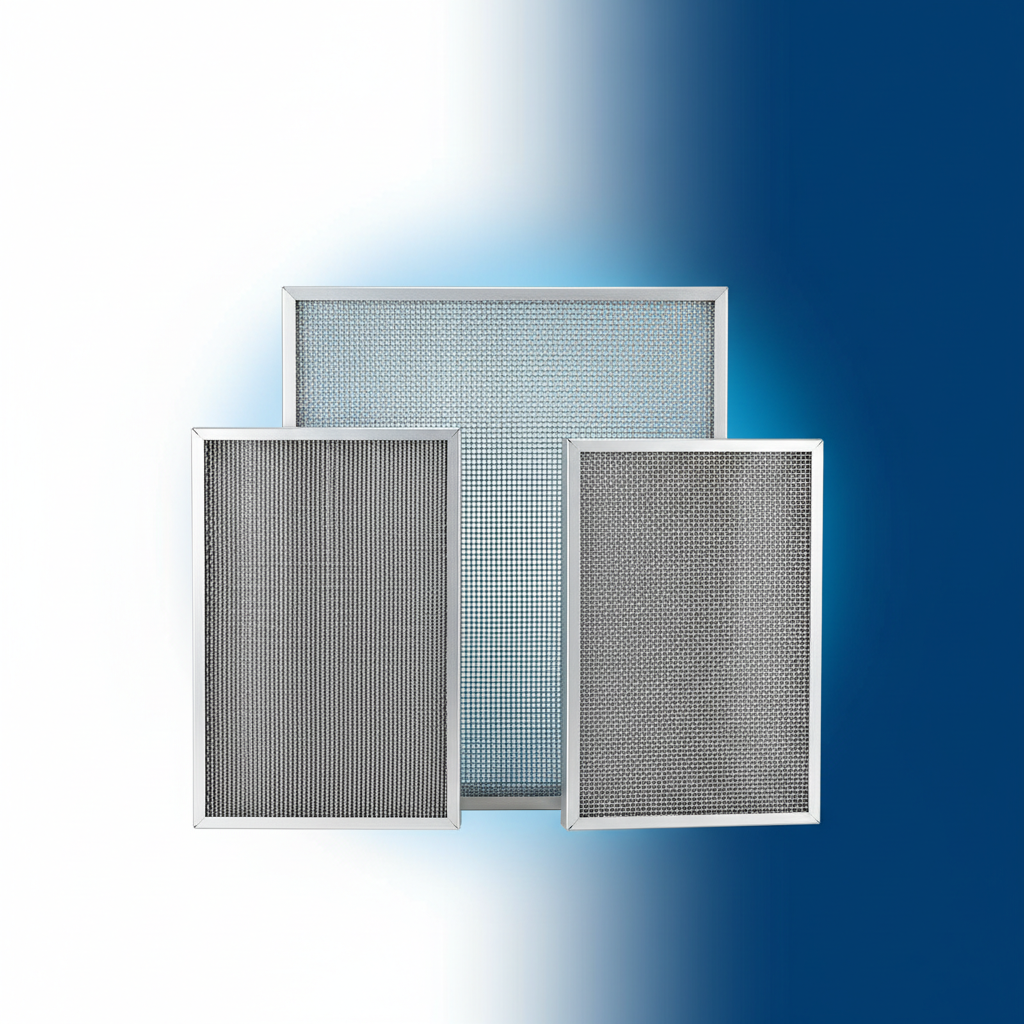
Put simply, f6 glassfiber air filter paper is a type of non-woven filter media made primarily from fine glass fibers. Designed to trap airborne particles ranging from dust to micro-scale pollutants, it is widely used in air filtration systems to improve air purity.
This material's core strength lies in its high porosity combined with mechanical sturdiness, which makes it ideal in industrial filtration units, clean rooms, and even in some mobile or emergency ventilation systems. Essentially, it’s the invisible barrier that catches harmful airborne matter before it reaches sensitive environments.
Key Factors of f6 Glassfiber Air Filter Paper
1. Filtration Efficiency
f6 grade filter papers typically achieve fine filtration efficiency, often capturing particles up to 95% at 0.3 microns. That means they’re effective against some of the most challenging particulates to intercept.
2. Durability
Glassfiber materials resist chemical erosion and high temperatures better than many synthetic alternatives. This makes f6 filter paper suitable in harsh industrial environments where other materials fail quickly.
3. Airflow Resistance
It balances filtration with acceptable airflow resistance—meaning machines don't need excessive energy to push air through the filter.
4. Cost Efficiency
While initially more costly than basic cellulose filters, f6 variants offer longer lifespans and better performance, ultimately lowering operational expenses.
5. Compatibility and Scalability
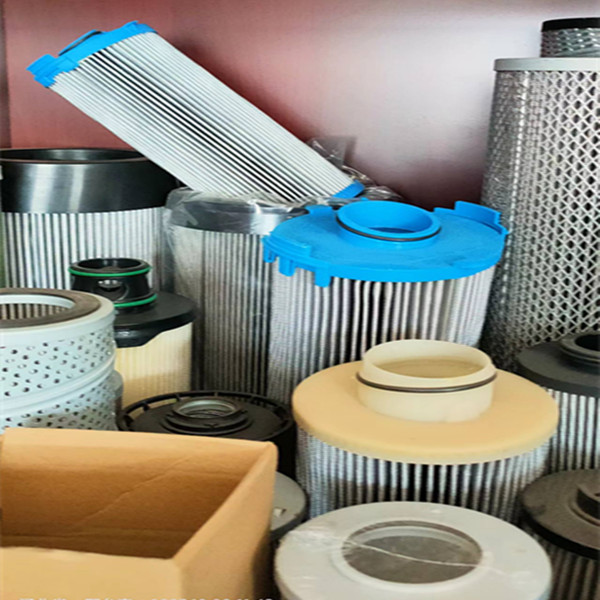
Its lightweight nature and customizable sizes allow manufacturers to adapt f6 glassfiber paper to different formats, from HVAC panels to compact medical filter cartridges.
Global Applications & Use Cases
- Cleanrooms and Pharmaceutical Industry: In aseptic manufacturing, ensuring particle-free air is non-negotiable. f6 glassfiber air filter paper acts as a frontline defense in these ultra-sensitive environments.
- Environmental Control in Industrial Areas: Factories in regions with heavy pollution, such as parts of South Asia and Eastern Europe, rely on these filter papers to reduce emissions.
- Disaster Relief and Humanitarian Efforts: Post-disaster zones exposed to dust, mold, and chemical pollutants benefit from mobile air filtration units lined with f6 glassfiber to protect displaced populations.
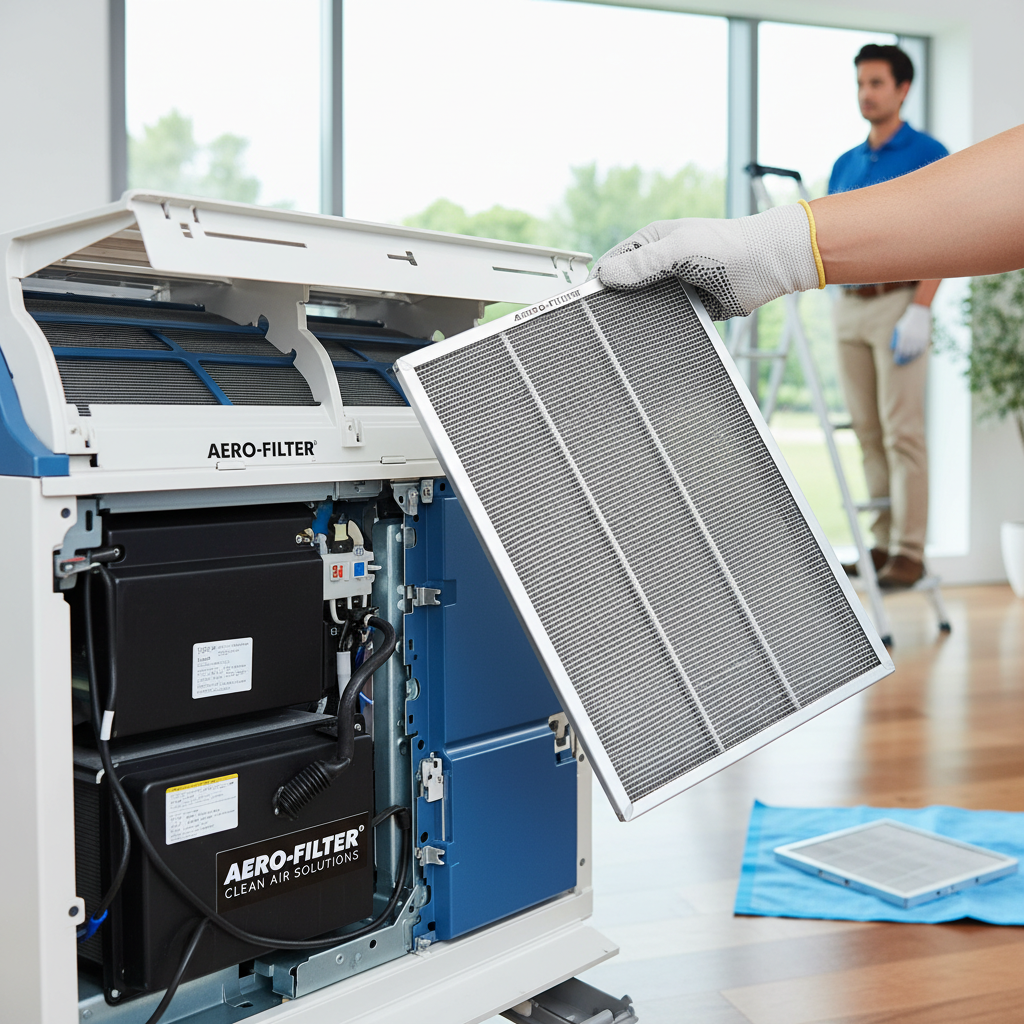
- HVAC Systems Worldwide: Commercial buildings in metropolitan cities use these filters extensively for cleaner indoor air, improving health and productivity.
Advantages & Long-Term Value
One often overlooked benefit of f6 glassfiber air filter paper is its environmental footprint over time. Because it lasts longer and performs better, less frequent replacements mean reduced waste—a step toward sustainability.
On a human level, better air filtration means fewer health risks, improved respiratory comfort, and enhanced workplace morale. Logically, investing in superior filtration translates to fewer machine breakdowns and consistent product quality, both indispensable for industrial trust and innovation.
Product Specification Table
| Specification | Details |
|---|---|
| Material | Glass fiber, non-woven |
| Grade | F6 (ISO 16890 Equivalent: ePM1 60-70%) |
| Thickness | Approx. 1.6 mm |
| Temperature Resistance | Up to 250°C continuous |
| Typical Applications | Industrial filtration, HVAC, cleanrooms |
| Service Life | Up to 6 months depending on environment |
Vendor Comparison: Leading Suppliers of f6 Glassfiber Air Filter Paper
| Vendor | Price Range | Availability | Customization Options | Typical Lead Time |
|---|---|---|---|---|
| Anya Filter Media | $$$ | Global | Yes, custom sizes and grades | 2–3 weeks |
| FiberTech Industries | $$ | Regional (Europe, Asia) | Limited | 4 weeks |
| CleanAir Solutions | $$$$ | North America, Europe | Extensive, including eco-friendly grades | 3–4 weeks |
Future Trends & Innovations
Oddly enough, while much of the air filtration world relies on tried-and-true materials like glass fiber, innovation is unfolding quietly. Research labs are experimenting with nano-engineered fibers to boost filtration without raising resistance. Meanwhile, greener manufacturing processes are becoming a norm, aiming to reduce environmental impact by cutting down water and chemical use during production.
Digital transformation isn’t skipping this field either—smart filtration units monitor air quality in real time and adjust filtration performance accordingly, something that pairs seamlessly with advanced f6 glassfiber papers designed for optimal responsiveness.
Challenges and Emerging Solutions
There are challenges. Glassfiber can be brittle, sometimes tricky to handle. Additionally, disposal concerns arise because while the product lasts long, it isn’t biodegradable. Industry experts suggest better recycling programs and hybrid composites as emerging solutions.
Manufacturers are also exploring post-treatment coatings that enhance durability, prevent microbial growth, and simplify cleaning, which might finally solve some of today's operational headaches.
FAQ: Frequently Asked Questions About f6 Glassfiber Air Filter Paper
- Q: How does f6 glassfiber air filter paper compare to synthetic fiber filters?
- A: f6 glassfiber filters generally offer superior temperature resistance and filtration efficiency at fine particulate sizes, though synthetic filters might be lighter or cheaper. Choice depends on specific application needs.
- Q: What environments are unsuitable for f6 glassfiber filter paper?
- A: Highly acidic or alkaline streams may degrade the glass fibers over time. Also, extremely moist conditions might require treatments as untreated glass fiber can collect moisture.
- Q: Can f6 glassfiber paper be customized for different filtration grades?
- A: Yes, suppliers like f6 glassfiber air filter paper providers typically offer tailored size, density, and filter grades to suit applications ranging from general ventilation to cleanroom-class environments.
- Q: How often should these filters be replaced in industrial settings?
- A: Replacement frequency typically ranges from 3 to 6 months, depending on pollutant load and airflow volume, with regular monitoring recommended for optimal performance.
- Q: Is handling f6 glassfiber filter paper safe? Are there concerns about fiber inhalation?
- A: While the fibers are bound in a paper matrix, it’s best practice to use protective equipment when handling raw materials or disposal to avoid respiratory irritation.
Conclusion: Why f6 Glassfiber Air Filter Paper is a Long-Term Air Quality Ally
In sum, f6 glassfiber air filter paper represents a vital material bridging complex industrial demands and health-focused air management. Its unique balance of efficiency, durability, and adaptability makes it a trusted choice across diverse sectors. If you work in facilities management, manufacturing, or humanitarian aid, seriously considering this material can bring measurable improvements.
For those curious to learn more or source reliable supplies, I warmly recommend checking out f6 glassfiber air filter paper and seeing first-hand the technical specifications and custom options available.
Better air quality isn’t just a corporate buzzword—it’s a foundation for healthier communities and sustainable industry. And materials like f6 glassfiber air filter paper quietly empower that vision every day.
Final thought: It’s fascinating how something so seemingly simple like a filter paper can shape our environments so profoundly. Oddly enough, sometimes it’s the silent heroes that deserve the loudest applause.
References
Post time: Dec-02-2025