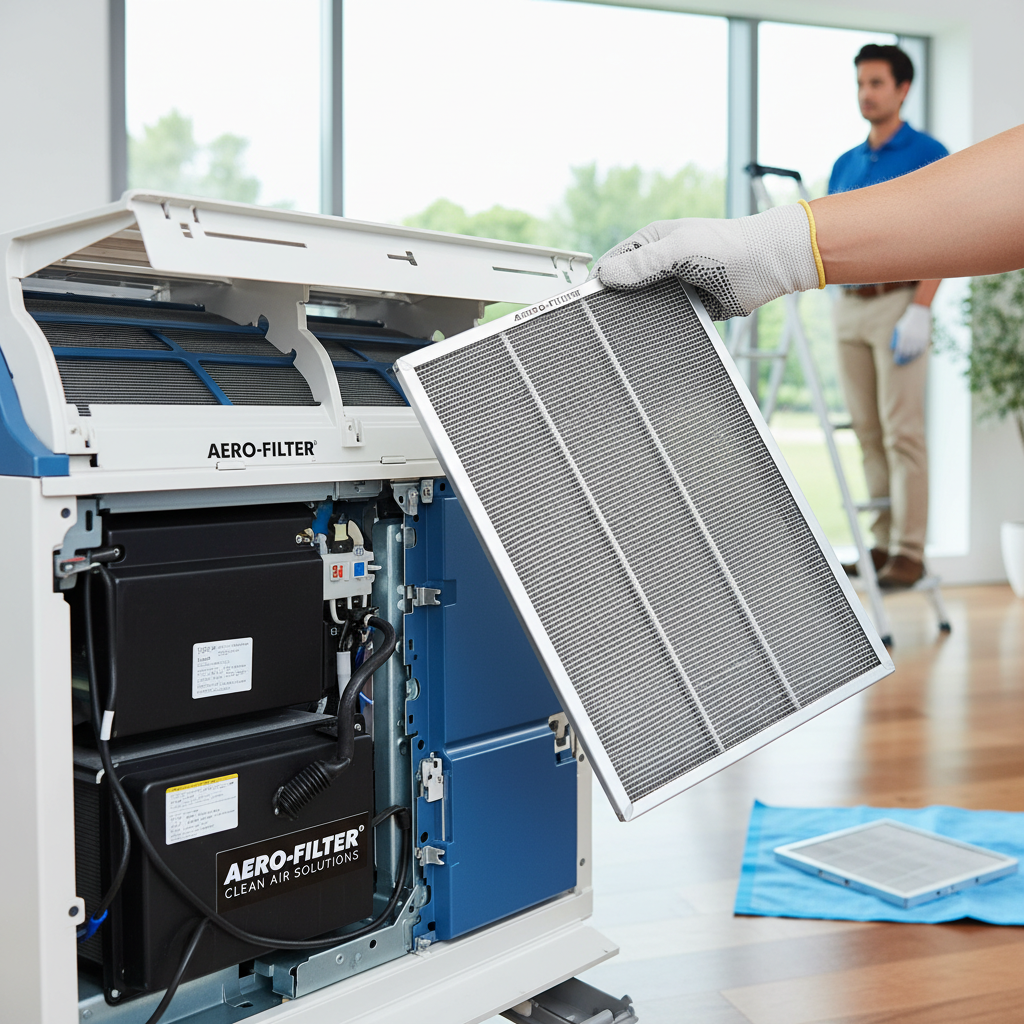
Copper Mesh Filter: A Comprehensive Guide
In various industrial applications, effective filtration is crucial for maintaining product quality, protecting equipment, and ensuring environmental compliance. Copper mesh filters offer a unique solution, leveraging the properties of copper for superior performance. This article delves into the features, benefits, applications, and considerations for using copper mesh filters, providing a comprehensive overview for engineers, procurement specialists, and anyone involved in filtration processes. We’ll explore why choosing the right filter material is vital for optimizing your operations.
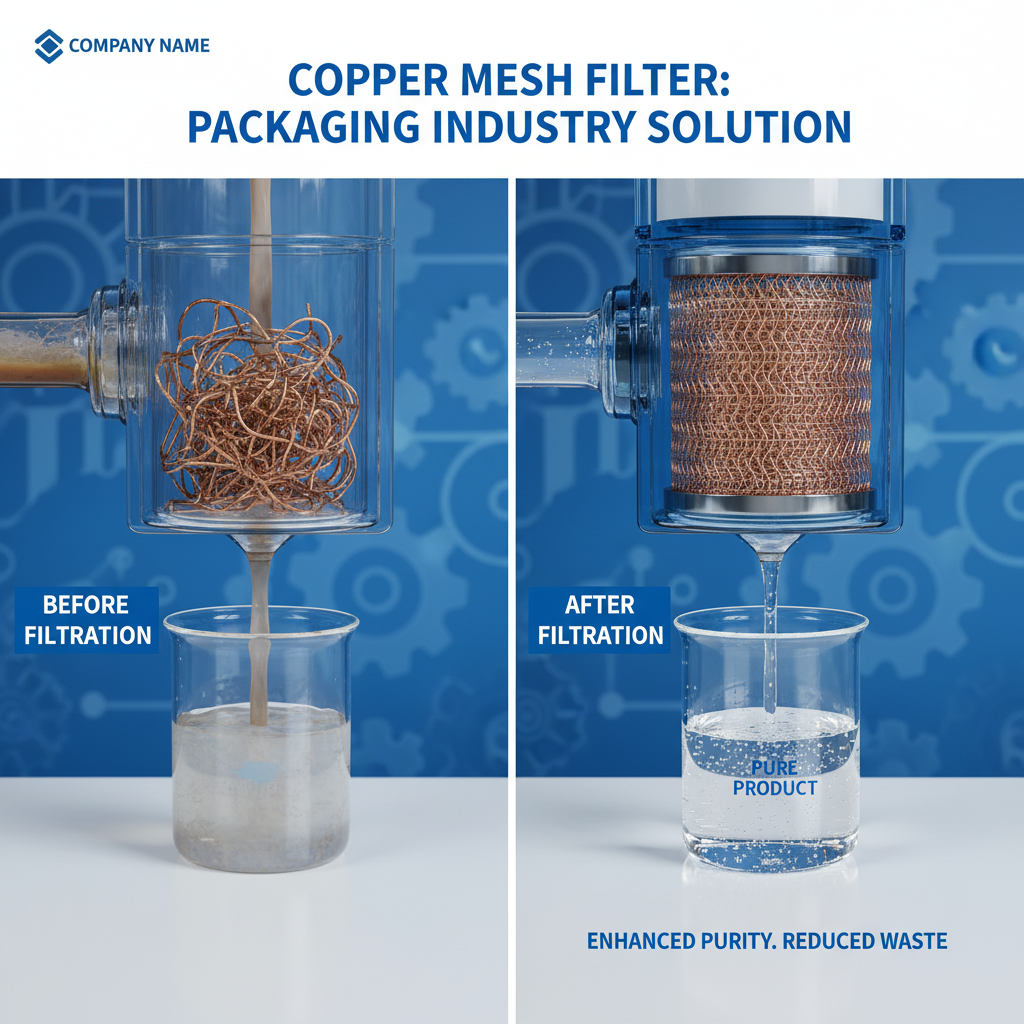
What is a Copper Mesh Filter?
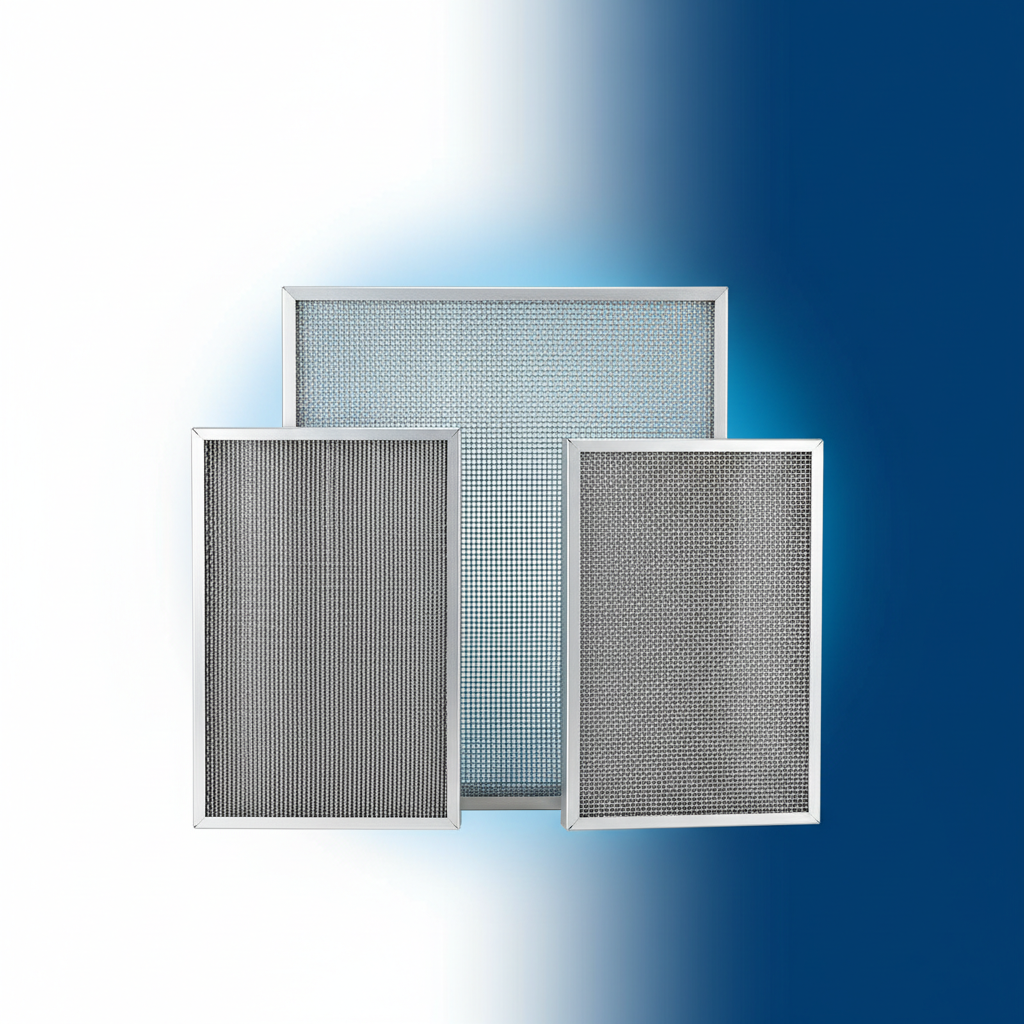
A copper mesh filter is a filtration device constructed from woven copper wire. The mesh size, wire diameter, and weaving pattern can be customized to achieve specific filtration requirements. The inherent properties of copper – including its excellent conductivity, malleability, and corrosion resistance – make it an ideal material for a variety of filtration applications. Unlike some other materials, copper is also naturally antimicrobial, inhibiting the growth of bacteria and other microorganisms. These filters are frequently used where particulate removal, fluid control, or specific chemical resistance are needed. Anya Filter Media specializes in the creation of custom copper mesh filters to meet diverse industry demands.
Key Highlights: The antimicrobial properties of copper contribute to a cleaner filtration process, reducing the risk of contamination. Customization options allow for precise filtration needs.
Applications of Copper Mesh Filters
Copper mesh filters find application in a broad spectrum of industries. In the oil and gas sector, they're used for filtering drilling fluids and protecting sensitive equipment. Chemical processing industries leverage their corrosion resistance for filtering aggressive substances. Medical applications utilize copper's antimicrobial properties in filtration systems for sterile fluids. Furthermore, they are employed in water purification to remove particulates and contaminants. The aerospace industry uses copper mesh for specialized filtration requirements. Explore Anya Filter Media's range of solutions for various industry needs.
Common Application Areas:
• Oil and Gas
• Chemical Processing
• Water Purification
• Medical Filtration
• Aerospace
Copper Mesh Filter vs. Stainless Steel Mesh Filter: A Comparison
While stainless steel mesh filters are commonly used, copper offers distinct advantages in specific scenarios. Copper provides better corrosion resistance in certain chemicals compared to standard stainless steel grades. Copper's antimicrobial properties are absent in stainless steel. However, stainless steel generally exhibits higher tensile strength. The choice between the two materials depends on the specific application requirements. Anya Filter Media can help you assess which material best suits your filtration needs.
Key Considerations When Choosing a Copper Mesh Filter
Selecting the correct copper mesh filter requires careful consideration of several factors. The mesh size determines the particle retention capability. The wire diameter impacts the filter's strength and pressure drop. The weaving pattern influences flow rate and filtration efficiency. Chemical compatibility is paramount, ensuring the copper doesn't react with the filtered substance. Finally, consider the operating temperature and pressure to ensure the filter can withstand the process conditions. Anya Filter Media offers expert guidance to help you navigate these considerations.
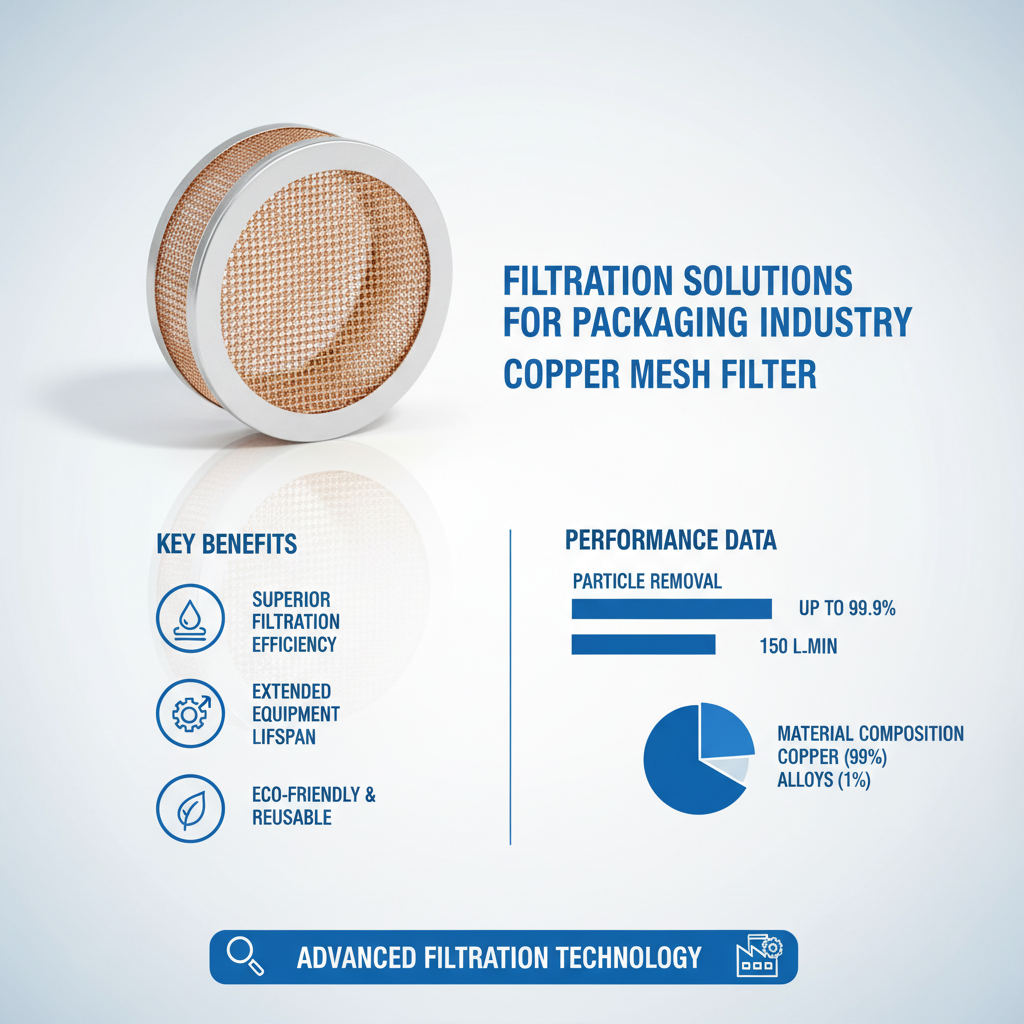
Product Specifications
Here's a typical specification sheet for a standard copper mesh filter:
Conclusion: Choosing the Right Copper Mesh Filter
Selecting the right copper mesh filter is essential for optimal performance and long-term reliability. Factors such as mesh size, wire diameter, and application-specific requirements must be carefully considered. Anya Filter Media provides custom solutions and expert guidance to help you find the perfect filter for your needs. Investing in quality filtration translates to improved efficiency, reduced downtime, and enhanced product quality.
Frequently Asked Questions (FAQs)
What is the typical lifespan of a copper mesh filter?
The lifespan of a copper mesh filter depends on the fluid being filtered, the operating conditions (temperature, pressure), and the frequency of cleaning. Generally, with proper maintenance, a copper mesh filter can last from 1 to 5 years. Regular inspection for clogging, corrosion, or damage is essential. Periodic cleaning using appropriate methods (e.g., ultrasonic cleaning) can significantly extend the filter's lifespan. Consider replacing the filter if performance deteriorates or visible damage is observed. Contact Anya Filter Media for expert advice on filter maintenance and replacement schedules.
Can copper mesh filters be cleaned and reused?
Yes, copper mesh filters can often be cleaned and reused, depending on the nature of the contaminants. Gentle cleaning methods, such as ultrasonic cleaning with a mild detergent, are recommended. Avoid abrasive cleaners or harsh chemicals that could damage the copper mesh. Before reuse, inspect the filter for any signs of damage or degradation. If the mesh is torn, corroded, or significantly clogged, it should be replaced. The feasibility of reuse depends on the specific application and the type of contaminants encountered.
Are copper mesh filters suitable for highly corrosive fluids?
Copper exhibits excellent corrosion resistance to many chemicals, but it’s not universally resistant to all corrosive fluids. Copper is particularly susceptible to corrosion by ammonia and certain oxidizing acids. It's crucial to verify the compatibility of copper with the specific fluid being filtered. In some cases, a different filter material (e.g., stainless steel, Hastelloy) may be more suitable for highly corrosive environments. Anya Filter Media’s team can provide expert guidance on material selection for corrosive applications.
What are the advantages of copper’s antimicrobial properties in filtration?
Copper's inherent antimicrobial properties inhibit the growth of bacteria, fungi, and other microorganisms on the filter surface. This is particularly important in applications where maintaining sterile conditions is critical, such as medical filtration and food processing. Reducing microbial contamination enhances product quality, extends filter lifespan, and minimizes the risk of downstream contamination. This antimicrobial action contributes to a safer and more hygienic filtration process.
Post time: Mar-31-2026