Metal Mesh: The Unsung Hero in Modern Industry and Beyond
When you think of "metal mesh," you might picture a simple wire screen or maybe the fencing around a playground. Yet, metal mesh is much more than a humble barrier. It's a versatile material solution that touches everything from construction and filtration to humanitarian aid and environmental protection. Globally, metal mesh serves as a foundation for innovation and safety — and understanding its many facets unlocks real-world benefits across industries.
Why should anyone care? Well, the global demand for durable, sustainable, and cost-efficient engineering materials is booming. According to the International Organization for Standardization (ISO), the market for metal mesh-related products is growing steadily due to urbanization and industrial expansion worldwide. Plus, these meshes solve challenges like protection, filtering, and structural reinforcement in ways few other materials can match.
Metal Mesh in Today's Global Context
The global infrastructure boom is pushing countries to seek materials that are lightweight yet sturdy, easy to install, and environmentally mindful. Metal mesh fits right into this narrative. The World Bank reports that infrastructure investments in developing regions are skyrocketing — many of which rely on metal mesh in everything from water treatment plants to seismic reinforcements.
Interestingly, metal mesh also plays a quiet role in crisis scenarios. In post-disaster relief — for instance, after earthquakes or floods — metal mesh structures enable fast, reliable, and reusable shelter frameworks. This adaptability directly addresses huge challenges: rapid deployment, durability under harsh conditions, and cost constraints.
What Exactly Is Metal Mesh?
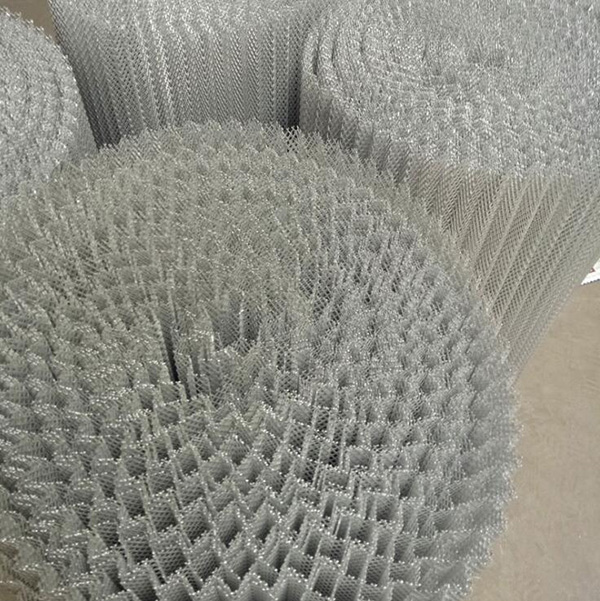
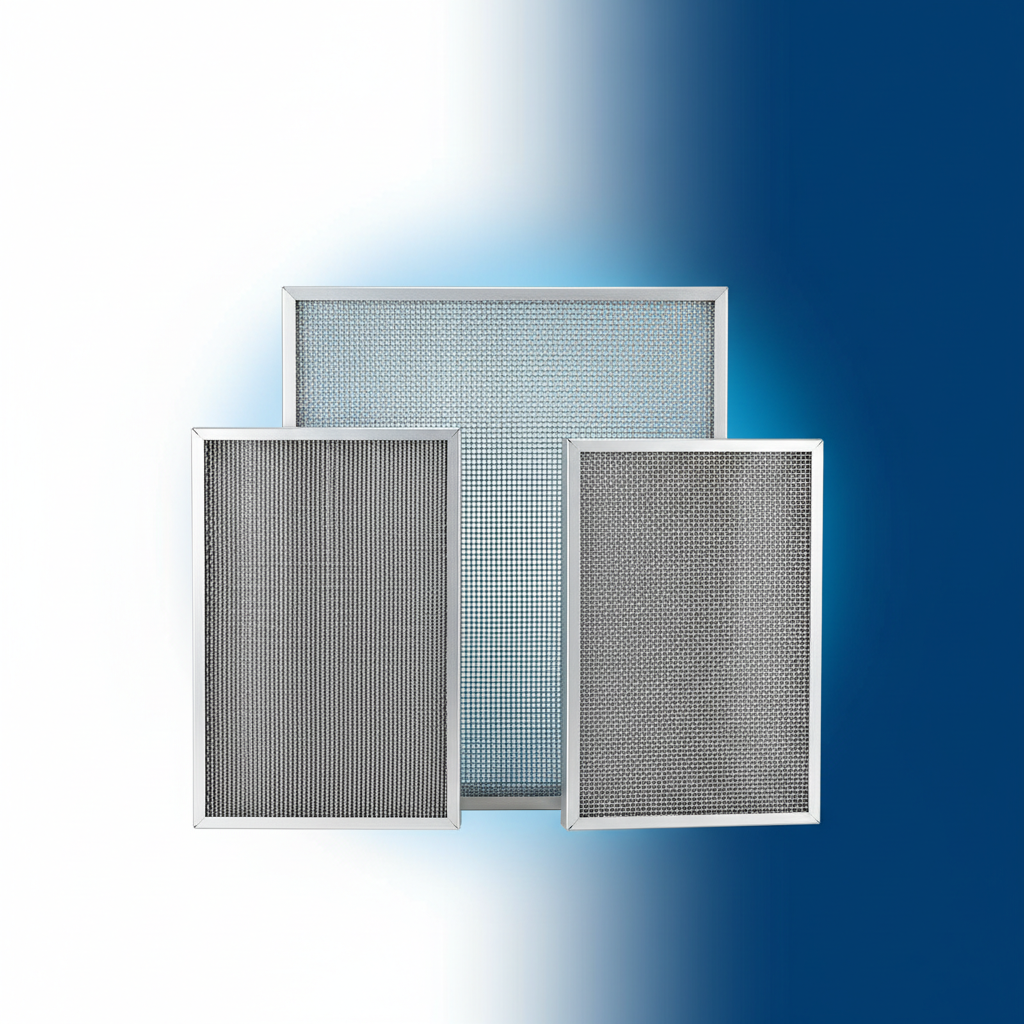
Simply put, metal mesh is an arrangement of metal wires, rods, or strips woven or welded to form a grid or web-like structure. Think of it as a flexible skeleton made of metal, allowing airflow, light, or liquids through, while still providing strength and separation.
In modern industry, metal mesh bridges gaps between raw materials and finished solutions. For example, it's a key component in metal mesh filters that purify water, or in construction facades that combine aesthetics with protection. Humanitarian organizations use it to build temporary fencing and even structural reinforcements for shelters, highlighting its social importance.
Core Aspects of Metal Mesh That Drive Its Usefulness
Durability
One of metal mesh’s biggest selling points is its longevity. Resistant to corrosion (with appropriate treatments), weather changes, and mechanical stress, metal mesh holds up in industrial environments and harsh climates alike.
Flexibility & Scalability
From tiny filtration meshes to massive construction reinforcement panels, metal mesh scales neatly to fit needs. This flexibility extends to installation, where metal mesh can be cut, shaped, or combined modularly without expensive tools.
Cost Efficiency
Even if initial costs can vary, metal mesh often proves cost-efficient long-term. It requires less maintenance than alternatives like solid metal sheeting. Plus, its ability to improve energy efficiency in buildings by providing ventilation or screening translates to savings.
Customization
Metal mesh comes in countless sizes, materials (stainless steel, aluminum, copper), and weaving patterns, allowing it to adapt to nearly any requirement. This customization makes it indispensable across fields.
Sustainability
Most metal mesh products are recyclable and often made from recycled metals, which is crucial as industries pivot to greener practices.
Mini takeaway: The versatility and practical benefits of metal mesh are not accidental — they’re baked into the material’s very nature.
How Metal Mesh Shapes Industries Around the World
In industrial filtration, metal mesh serves water plants, petroleum refining, and food processing. For example, European and North American water treatment facilities rely on stainless steel mesh filters to remove contaminants reliably.
Infrastructure projects in Asia and Africa use welded wire mesh for reinforced concrete — helping high-rise buildings withstand earthquakes or strong winds. Oddly enough, humanitarian groups in remote industrial zones often turn to lightweight, portable metal mesh fencing for secure perimeters that are easy to deploy and relocate.
Environmental organizations also use metal mesh cages for erosion control or fishery enclosures that promote ethical harvesting. This blend of roles shows the material’s broad footprint — indeed, you see metal mesh in everything from Swiss urban planning to remote sub-Saharan conservation efforts.
Product Specification Table
| Specification | Detail |
|---|---|
| Material Types | Stainless steel, galvanized steel, aluminum, copper |
| Mesh Size | 0.5 mm to 50 mm aperture |
| Thickness | 0.1 mm to 5 mm wire diameter |
| Weave Types | Woven, welded, knitted |
| Typical Applications | Filtration, fencing, construction reinforcement, erosion control |
| Weight Range | 1 kg/m² to 20 kg/m² (depending on material and mesh) |
The Long-Term Value of Metal Mesh
The advantages are the obvious reasons metal mesh remains a staple. It's more than just durability or cost savings; it often contributes to safer working environments. Many engineers say these meshes provide peace of mind, knowing infrastructure can weather storms — literally and figuratively.
Emotionally, the material inspires trust. In humanitarian contexts, secure fencing or ventilation from metal mesh preserves dignity and safety, something not easily quantified but deeply felt by users.
Logically, metal mesh aligns with sustainability goals while supporting modern construction methods that embrace modular design and lean installation processes. It’s innovation one can touch, rather than just an idea on paper.
Innovations and Future Trends in Metal Mesh
Looking ahead, expect to see metal mesh meshes combined with smart materials – think anti-corrosion coatings that react to environmental changes, or embedded sensors that monitor structural health in real-time. Green energy sectors are experimenting with metal mesh as components in solar panel supports or battery electrode frameworks.
Automation in manufacturing means more precise weaving and welding, enabling ultra-fine metal meshes for novel filtering needs. Sustainability-focused policies, like those from the UN’s Sustainable Development Goals (SDGs), push manufacturers to upcycle metal waste into premium mesh products.
Challenges & Solutions in Metal Mesh Usage
Of course, no material is perfect. Metal mesh can be prone to corrosion if improperly treated, and poor installation can reduce effectiveness. Sometimes, supply chain disruptions cause delays, particularly for specialized alloys.
Industry experts advise rigorous quality control and the use of protective coatings tailored to local climates. Collaborative sourcing and smart inventory management also help minimize downtime.
Innovations like stainless-steel-mesh composites or coatings infused with nano-particles promise longer lifespans and greater resilience, tackling current limitations head-on.
FAQ: Common Questions About Metal Mesh
- What kinds of metal meshes are best for filtering applications?
- Fine stainless steel woven meshes with small aperture sizes are typically preferred for filtering liquids and gases due to their corrosion resistance and durability. The exact choice depends on the particle size needing filtration.
- How does metal mesh improve building safety during earthquakes?
- Welded wire mesh embedded in concrete acts as reinforcement, distributing stress and preventing cracks from propagating, thus enhancing structural integrity in seismic events.
- Can metal mesh fencing be reused in temporary disaster relief sites?
- Yes, metal mesh fencing is often chosen for rapid deployment sites since it’s lightweight, easy to install, reusable, and durable under varied weather conditions.
- Is metal mesh environmentally friendly?
- Generally yes — many metal meshes are recyclable and increasingly produced with recycled metals. Choosing meshes with protective coatings that last longer also reduces waste and replacement frequency.
- How customizable are metal mesh products?
- Very customizable. Suppliers offer a wide range of materials, mesh sizes, wire gauges, and weave types, often tailoring products to specific industrial or architectural needs.
Vendor Comparison: Popular Metal Mesh Suppliers
| Supplier | Material Range | Customization | Lead Time | Eco-Friendly Practices |
|---|---|---|---|---|
| MeshCo International | Stainless steel, galvanized | High (custom sizes & coatings) | 3-4 weeks | Recycles 85% scrap |
| EcoMeshes Ltd. | Aluminum, copper, recycled steel | Medium (standard options) | 2 weeks | 100% recycled metal use |
| Global Wire Mesh Co. | Stainless steel, brass | Limited | 4-6 weeks | Moderate environmental policy |
Wrapping Up: Why Metal Mesh Deserves More Attention
Metal mesh quietly supports an astonishing range of industries, blending strength, flexibility, and sustainability into a low-key package. Whether you’re building skyscrapers or setting up emergency shelters, this material ticks boxes few others can.
Its long-term value isn’t just in dollars saved but in the social and environmental benefits it fosters — a testament to thoughtful engineering meeting human needs.
If you want to dive deeper or explore tailored metal mesh solutions, visit our website https://www.anyafiltermedia.com. The right mesh can make an unexpected difference.
Mini takeaway: Next time you see a wire fence or hear about a filtering system, remember — metal mesh is the backbone that often goes unnoticed.
References:
1. ISO, “Wire Mesh Standards,” iso.org
2. World Bank Infrastructure Reports, worldbank.org
3. United Nations Sustainable Development Goals, sdgs.un.org
Post time: Dec-01-2025