Understanding f7 Glassfiber Air Filter Paper: Vital Insights for Modern Air Filtration
Air quality has become an increasingly pressing concern worldwide, affecting everything from public health to industrial efficiency. Among the unsung heroes fighting airborne contaminants is f7 glassfiber air filter paper. This specialized filtering medium stands at the crossroads of technology and environmental necessity, offering robust filtration capabilities. But why does it matter so globally, and what makes it a linchpin in air filtration systems? Understanding the nuances helps industries mitigate airborne pollutants while improving air purity in critical environments. From hospitals to manufacturing plants, the role of f7-grade glassfiber air filter paper is indispensable.
Global Context: The Need for Reliable Air Filtration
Air pollution ranks among the top environmental risks to global health, according to the World Health Organization (WHO). Given urbanization trends and industrial expansion, the demand for advanced air filtration technologies has surged. Standards like ISO 16890 and EN 779 categorize air filters by their ability to capture particulates, with F7-grade filters hitting a sweet spot for medium-efficiency filtration capturing fine particulate matter (PM2.5). Oddly enough, even countries battling severe pollution spikes rely heavily on such filter media in HVAC systems to keep indoor air breathable and machinery safe.
However, challenges remain. Air filters must not only capture particulates but also withstand varying operating temperatures, moisture, and airflow rates — all critical factors in choosing a filter medium like glassfiber air filter paper.
What Is f7 Glassfiber Air Filter Paper?
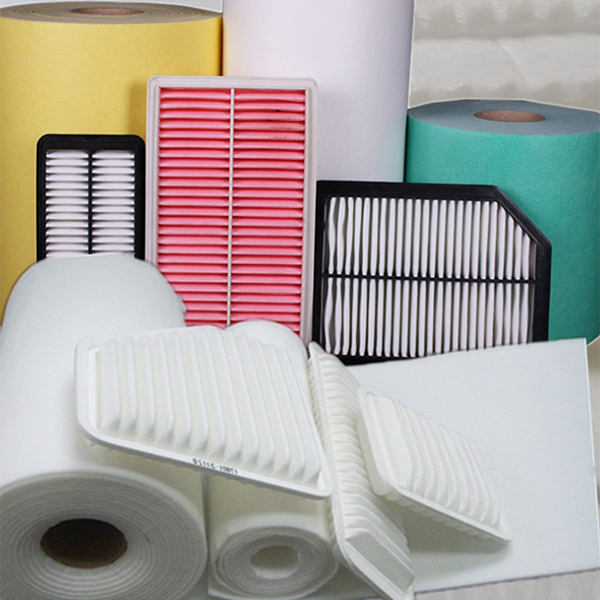
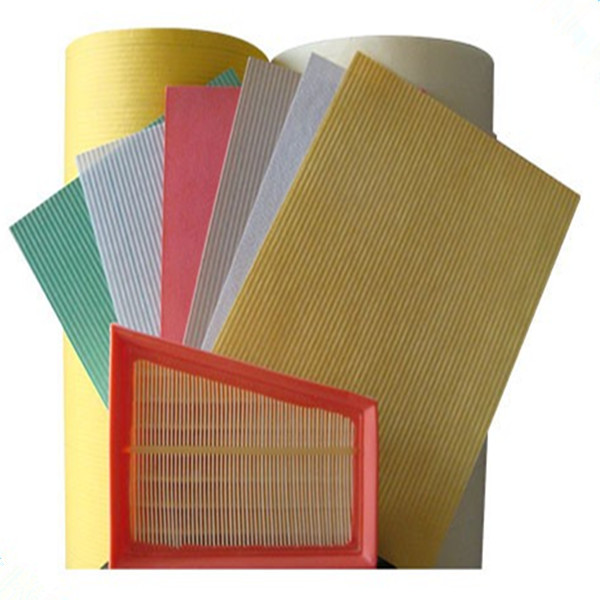
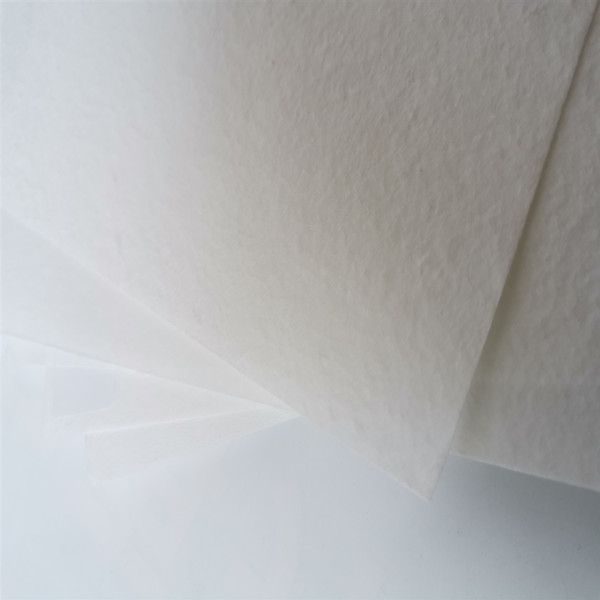
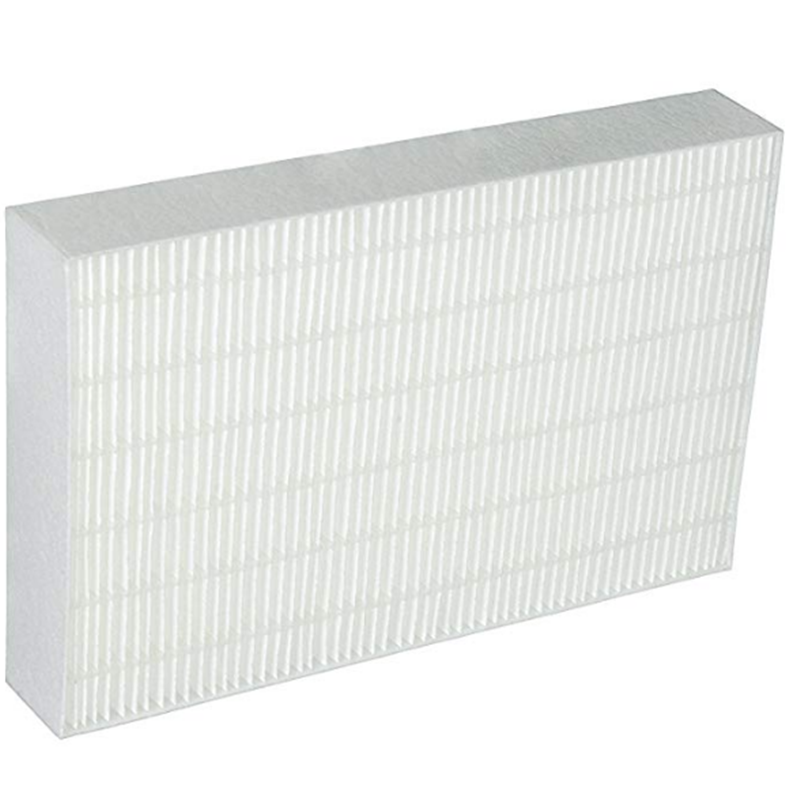
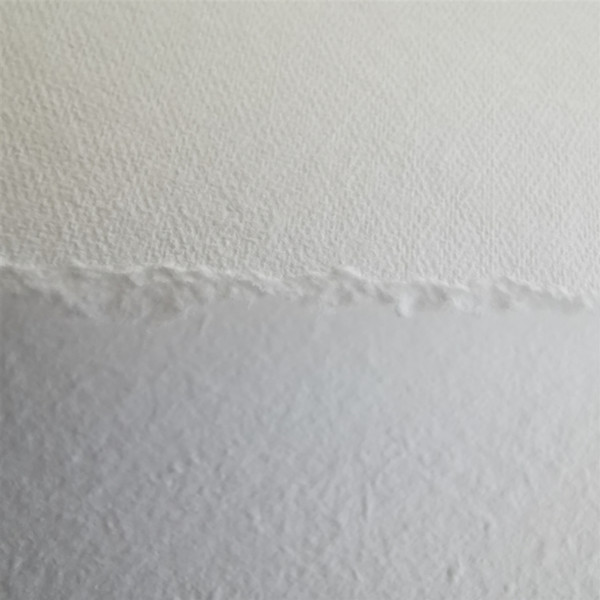
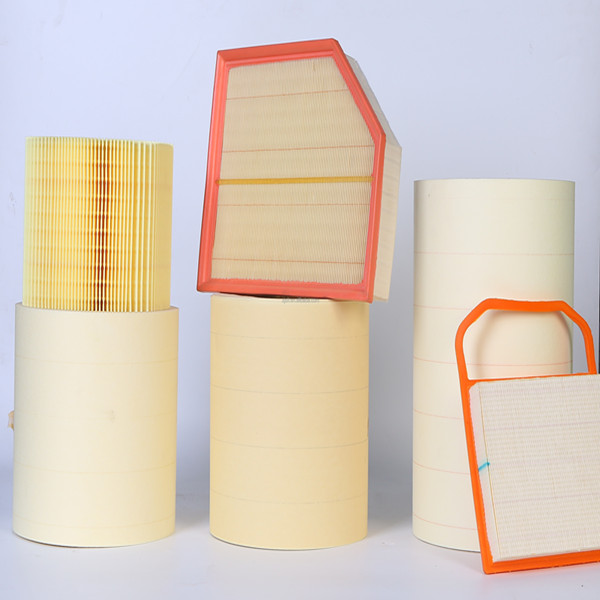
In simple terms, f7 glassfiber air filter paper is a nonwoven filter material made mostly from fine glass fibers. It’s engineered to trap airborne particles between 1.0 and 3.0 microns effectively. The "F7" classification refers to a European standard indicating roughly 80-90% efficiency in capturing PM2.5 particles. It forms the filtering core in many HVAC (heating, ventilation, air conditioning) systems and industrial applications requiring dependable, medium-level air filtration.
This glassfiber paper isn’t just a passive screen; it’s tailored to balance airflow with filtration efficiency, meaning it can filter without a significant pressure drop, optimizing energy use. Its durability and resistance to chemical or microbial degradation make it a choice material in environments where safety and reliability can’t be compromised.
Key Characteristics of f7 Glassfiber Air Filter Paper
1. Durability and Thermal Stability
Glass fibers resist high temperatures better than synthetic fibers, handling up to about 250°C without losing integrity. This makes f7 filter paper suited for industrial processes where hot air streams are common — steel manufacturing, power plants, or even clean rooms in pharmaceuticals.
2. High Filtration Efficiency
Capturing particles as small as micron-sized dust and pollen, f7-grade glassfiber paper ensures cleaner air that protects sensitive environments and machinery alike. Many engineers note how this keeps HVAC equipment free from particulate buildup, extending system lifespan.
3. Chemical and Microbial Resistance
Unlike organic filter media, glass fiber has a natural resilience against mold, bacteria, and many chemicals. This reduces filter degradation and contamination risks, especially important in hospitals or food processing plants.
4. Cost Effectiveness & Lifecycle
While not the cheapest upfront option, f7 glassfiber filter paper offers a longer lifecycle, balancing operational costs with performance. The cost savings from reduced energy use and fewer replacements often outweigh initial investment over time.
5. Scalability & Compatibility
This filter media adapts easily to various filter sizes and shapes, making it versatile for HVAC systems from large commercial facilities to smaller industrial units.
Product Specifications at a Glance
| Specification | Details |
|---|---|
| Filter Class | F7 (EN 779:2012) |
| Efficiency | 80-90% @ 0.4 micron |
| Max Operating Temperature | 250°C (482°F) |
| Thickness | 1.0 – 2.5 mm |
| Media Type | Glassfiber nonwoven |
Global Applications and Industry Use Cases
From Asia’s booming manufacturing hubs to European hospital ventilation systems, f7 glassfiber air filter paper has found broad favor. Here are some examples:
- Healthcare: Ensuring clean, sterile air in surgical suites and isolation wards against bacteria and viruses.
- Industrial: Filtering particulate emissions from steel mills and chemical plants.
- Commercial Buildings: Maintaining indoor air quality in schools, offices, and airports.
- Post-Disaster Relief: In regions rebuilding after wildfires or dust storms, temporary shelters utilize efficient air filters to prevent respiratory issues.
Overall, the paper’s adaptability suits it to varied climates and infrastructures.
Vendor Comparison: Leading Providers of f7 Glassfiber Air Filter Paper
| Vendor | Filter Efficiency | Price Range | Delivery Time | Customization Options |
|---|---|---|---|---|
| Anya Filter Media | 85-90% | $$$ | 1-2 weeks | Varied sizes, thickness |
| Global Fiberglass Filters | 80-85% | $$ | 2-3 weeks | Standard sizes only |
| CleanAir Supplies Ltd. | 87-88% | $$$ | 1 week | Custom shapes, treatments |
Advantages and Long-Term Benefits
So, what’s the big takeaway in choosing f7 glassfiber air filter paper? Well, it really comes down to a few key advantages:
- Robust Protection: It cuts down harmful particulate matter efficiently, improving workplace safety and indoor air quality.
- Cost Savings: Due to its durability and minimal maintenance demands, it reduces operational costs over filter lifetime.
- Environmental Sustainability: Many vendors now use less energy-intensive manufacturing processes and recyclable materials.
- Trust & Reliability: Users gain peace of mind knowing they rely on a filter grade tested to international standards.
Beyond the specs, there’s an emotional value in protecting community health and worker well-being, something not to overlook.
Emerging Trends & Innovations
The air filtration field is not standing still. Recently, developments in nanotechnology and bio-based additives offer promising upgrades for glassfiber media. The push towards greener production aligns with ISO 14001 environmental management standards becoming stricter globally. Also, embedded sensors that monitor filter condition digitally are making strides, enabling predictive maintenance that increases uptime and reduces waste.
Beyond that, integrating filter materials into smart HVAC systems capable of self-optimization is an exciting frontier, especially as buildings move towards net-zero energy usage.
Challenges and How Industry Tackles Them
Of course, even the best filter media face hurdles. For glassfiber filter paper, dust loading can increase pressure drop, requiring timely replacement. Disposal of used glassfiber media is another concern, as its inert nature needs careful management to avoid landfill accumulation.
Experts recommend regular monitoring combined with modular filter designs that ease replacement processes, plus exploring recycling technologies for spent media. In some regions, regulation around waste disposal pushes manufacturers to innovate sustainable end-of-life solutions.
FAQ: Practical Questions About f7 Glassfiber Air Filter Paper
- 1. How often should f7 glassfiber filters be replaced?
- Generally, replacement depends on operating conditions—dust load and airflow rates being key. Typically, these filters last 6 to 12 months, but in highly polluted settings, more frequent changes might be needed to maintain efficiency.
- 2. Can f7 glassfiber air filter paper handle humid environments?
- Yes, glassfiber is resistant to moisture and mold growth, making it suitable for humid climates. However, prolonged water exposure should be avoided as it may increase pressure drop and reduce lifespan.
- 3. Is it possible to customize these filters for specialized applications?
- Definitely. Vendors often provide options for different thicknesses, densities, and even treated fibers to meet unique specifications in industries like healthcare or food processing.
- 4. What’s the key difference between f7 and other filter grades?
- F7 filters strike a balance in efficiency (80-90%) and air resistance. Lower classes like F5 capture larger particles but let finer dust through, while higher grades (F9+) provide superior filtration but with increased energy consumption.
Conclusion & Call to Action
To sum up, f7 glassfiber air filter paper is a cornerstone material that underpins healthier, more efficient indoor environments worldwide. Its fine balance of efficiency, durability, and cost-effectiveness keeps industries running smoothly while safeguarding people — an often overlooked but essential component of air quality management.
If you want to learn more about top-quality filter media or explore buying options, visit f7 glassfiber air filter paper for trusted solutions and expert support.
Mini takeaway: Choosing the right air filter paper, especially F7-grade glassfiber media, means investing in cleaner air, operational savings, and sustainable innovation.
References
Post time: Dec-02-2025