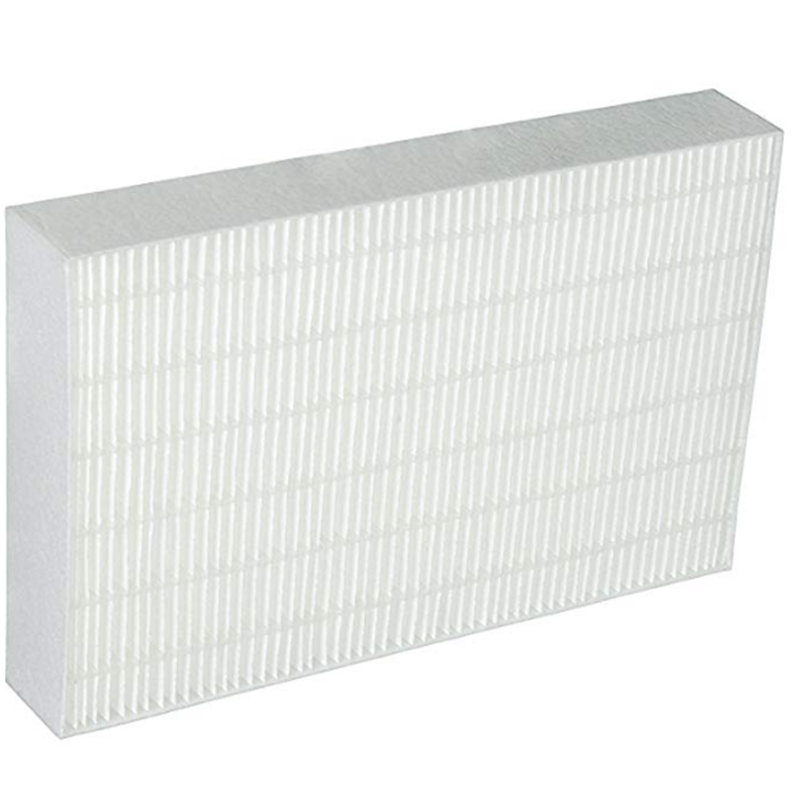
Top Quality Dust Collector Filter Cartridge Manufacturers Guide
Industrial air filtration relies heavily on the precision of the media used to capture particulate matter. For operations involving heavy machinery, mining, or construction, the choice of a filtration partner determines not only the air quality but the operational lifespan of the equipment. High-performance cartridges are engineered to handle varying dust loads while maintaining low pressure drops, ensuring that energy consumption remains efficient. Understanding the synergy between the filter media—such as cellulose or fiberglass—and the mechanical structure of the cartridge is essential for procurement managers seeking to minimize downtime. By focusing on material integrity and strict quality control, manufacturers can provide solutions that adapt to the specific environmental challenges of industrial hydraulic systems and air compressors.

The Role of Advanced Media in Industrial Dust Collection Systems
The effectiveness of any dust collection system is fundamentally tied to the quality of the filter media. Depending on the particulate size and the chemical nature of the dust, different materials are employed to achieve optimal separation. Cellulose filter paper is often the standard for general air filtration due to its balance of cost and efficiency, while fiberglass filter media is utilized in high-temperature or high-efficiency environments where sub-micron particles must be captured.
Modern industrial applications now frequently demand non-woven filter media to enhance durability and moisture resistance. These materials allow for a higher dust-holding capacity and improved cake release during cleaning cycles. When these media are pleated into cartridges, the available surface area increases dramatically, which reduces the velocity of the air passing through the media and lowers the risk of particle bleed-through, thereby protecting sensitive downstream components in generator sets and construction machinery.

Evaluating Performance Criteria for Filtration Cartridges
When sourcing components from dust collector filter cartridge manufacturers, technical buyers must look beyond the basic dimensions. The primary metric of success is the Filtration Efficiency vs. Pressure Drop. A cartridge that filters perfectly but restricts airflow too severely will force the system fan to work harder, increasing electricity costs and risking mechanical failure.
- Media Permeability: Determines how easily air flows through the material before the dust cake builds up.
- Mechanical Strength: The ability of the cartridge to withstand pulse-jet cleaning without rupturing the pleats.
- Chemical Compatibility: Ensuring the media does not degrade when exposed to oil mists or corrosive industrial gases.
- Seal Integrity: Preventing "bypass," where unfiltered air leaks around the cartridge instead of passing through the media.
These factors are critical for equipment used in mining and engineering machinery, where the environment is often harsh and the cost of a filter failure can result in catastrophic engine or compressor damage.
Application-Specific Matching for Maximum Operational Life
Different industrial sectors require distinct filtration strategies. For instance, air compressors require filters that can handle both particulate matter and oil aerosols, whereas construction equipment filters must withstand high vibration and coarse dust loads. Matching the filter to the scenario prevents premature clogging and extends the service interval of the machinery.
In hydraulic systems, the focus shifts toward removing microscopic contaminants that could cause valve wear. Here, laminated filter papers or specialized synthetic media are often preferred. By implementing a tiered filtration approach—using a coarse pre-filter followed by a high-efficiency cartridge—operators can significantly reduce the load on the primary filter, ensuring that the most expensive components of the system are protected by the highest grade of media.
Filter Media Selection Matrix for Industrial Applications
| Media Type | Dust Holding Capacity | Temperature Resistance | Typical Application |
|---|---|---|---|
| Cellulose Paper | Medium | Low to Medium | General Vehicle Air Intake |
| Fiberglass | High | High | Industrial HEPA Systems |
| Non-Woven Synthetic | High | Medium | Mining & Heavy Equipment |
| Laminated Paper | Medium | Medium | Fuel/Water Separation |
| Glass Microfiber | Very High | High | Precision Air Compressors |
Manufacturing Standards and Quality Assurance in Filtration
Consistency in manufacturing is what separates a reliable filter from a potential point of failure. A strict quality control system must monitor the pleat depth, the adhesive strength of the end caps, and the uniformity of the media pores. Advanced production equipment ensures that every cartridge meets the exact specifications required for a seamless fit within the filter housing.
Furthermore, testing facilities that can handle customized requirements based on customer samples are invaluable. This capability allows for the development of bespoke filters that address specific contaminants not covered by standard products. By focusing on the pursuit of improvement in quality and cost, manufacturers can provide maximum value to the end-user, ensuring that the filters not only meet the ISO standards but exceed the operational expectations of the field engineer.
Future Trends in Sustainable Industrial Filtration
The industry is moving toward "smarter" filtration and more sustainable materials. There is a growing demand for filter media that can be cleaned more effectively, reducing the frequency of replacement and the volume of industrial waste. Research into biodegradable polymers and recycled fibers is beginning to influence the development of the next generation of air and oil filters.
Additionally, the integration of sensor-ready housings is allowing operators to monitor pressure differentials in real-time. This shift from scheduled maintenance to condition-based maintenance means that filters are replaced only when necessary, optimizing the cost-per-hour of operation. For procurement teams, this means selecting suppliers who not only provide the cartridge but understand the systemic integration of filtration within the broader machinery ecosystem.
Common Technical Inquiries Regarding Industrial Filter Cartridges
What is the difference between cellulose and fiberglass filter media?
Cellulose is primarily used for general-purpose filtration due to its cost-effectiveness and decent efficiency. Fiberglass offers much higher filtration efficiency for smaller particles and can withstand significantly higher temperatures, making it ideal for HEPA and specialized industrial use.
How does pleating affect the performance of a filter cartridge?
Pleating increases the total surface area of the filter media within a compact cylindrical volume. A larger surface area reduces the air velocity through the media, which typically lowers the pressure drop and increases the amount of dust the filter can hold before requiring cleaning or replacement.
Can a filter cartridge be customized for a specific type of industrial dust?
Yes. By adjusting the media material (e.g., using non-woven synthetics for oily dust) and the pore size, cartridges can be tailored to the specific particle size distribution and chemical properties of the dust in a particular application.
What causes premature failure in dust collector cartridges?
Common causes include "blinding," where moisture or oil creates a waterproof seal on the media surface, and mechanical failure of the pleats due to excessive pulse-jet pressure or poor-quality adhesives at the end caps.
How should I evaluate a new filter media supplier?
Evaluate their quality control systems, their ability to provide testing data based on your specific samples, and their experience in manufacturing for your specific industry, such as mining, automotive, or hydraulic systems.
Why is the seal of the cartridge as important as the media?
If the seal is improper, air will take the path of least resistance and flow around the filter (bypass) rather than through it. This allows unfiltered dust to enter the machinery, rendering even the highest quality media useless.
Technical Resources and Industry Standards
- ISO Standards for Air Filtration Quality
- EPA Guidelines on Industrial Particulate Matter
- ASHRAE Filtration Standards and Ratings
- OSHA Air Contaminants Safety Regulations
Selecting the right filtration solution requires a balance of material science and mechanical engineering. By partnering with experienced manufacturers who prioritize quality control and application-specific R&D, industries can ensure their equipment operates at peak efficiency with minimal environmental impact.
Industry Insights and Technical Guides