Professional High Precision Filter Making Machine Manufacturer
Establishing a high-efficiency production line for air, oil, and fuel filters requires more than just hardware; it demands a precise synergy between automation and media compatibility. For industrial operators, the challenge lies in maintaining consistent pleating depth and seal integrity across diverse filter types, from passenger vehicle cabin filters to heavy-duty engineering machinery elements. Selecting a reliable partner for equipment procurement is critical to reducing waste and ensuring that the final product meets stringent filtration standards.
Whether you are scaling up for commercial vehicle fleets or specializing in hydraulic systems for mining equipment, the machinery used must accommodate various media types, including cellulose, fiberglass, and non-woven materials. This guide explores the technical requirements and procurement considerations necessary to optimize your filter manufacturing process for maximum performance and cost-efficiency.

The Technical Foundation of High-Precision Filter Element Production
Modern filtration manufacturing relies on the ability to transform raw filter media into complex 3D structures that maximize surface area while maintaining structural rigidity. The core of this process is the pleating mechanism, which determines the dust-holding capacity and pressure drop of the final filter. In applications like air compressors and generator sets, precision in pleat spacing is non-negotiable to prevent media deformation during high-pressure operation.
Advanced production lines now integrate automated feeding and cutting systems to minimize human error. By utilizing specialized moulds and hydraulic components, manufacturers can produce a wide array of filters, including:
- Air and Oil Filters: Focused on high-flow capacity and particulate capture for internal combustion engines.
- Fuel and Hydraulic Filters: Designed for water separation and the removal of microscopic contaminants in industrial hydraulic systems.
- HEPA and Specialized Media: Requiring cleanroom-compatible equipment for H14 grade air filtration.
The integration of high-quality accessories and precise moulds ensures that each element fits perfectly within its housing, preventing "bypass" where unfiltered air or fluid escapes the media, potentially causing catastrophic engine or machinery failure.

Matching Machinery Capabilities with Diverse Filter Media Requirements
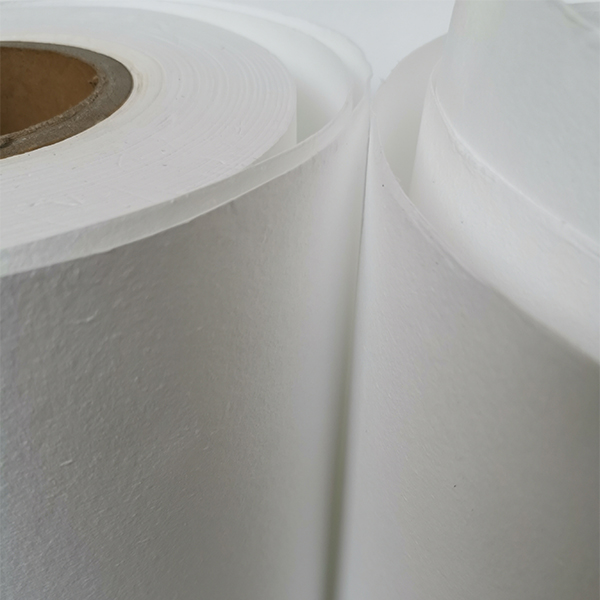
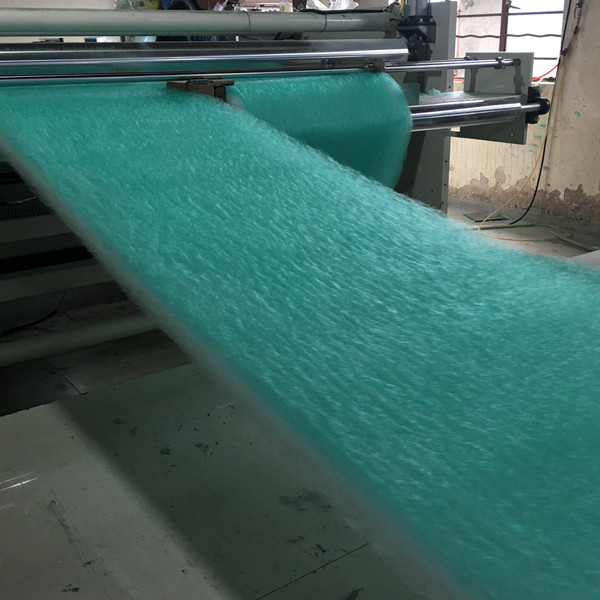
Not all filter media behave the same under mechanical stress. A machine optimized for cellulose paper may struggle with the fragility of fiberglass or the elasticity of non-woven fabrics. Therefore, the versatility of the equipment is a primary value driver. For instance, producing laminated filter paper for fuel-water separation requires specific pressure settings to ensure the layers bond without compromising the porosity of the media.
Engineering machinery filters often demand reinforced construction to withstand vibration and extreme temperatures. This requires machinery capable of integrating support structures and heavy-duty end caps. By implementing a strict quality control system during the fabrication process, manufacturers can ensure that every batch meets the exact specifications of the intended application, whether it be for mining equipment or passenger cars.
Furthermore, the ability to customize the production line based on customer samples allows for the creation of niche products, such as specialized cabin air filters or industrial cartridge dust filters, ensuring that the equipment evolves alongside changing environmental regulations and industry standards.
Strategic Considerations for Scaling Filter Production Capacity
When transitioning from small-batch production to a full-scale industrial line, procurement managers must evaluate the total cost of ownership. This includes not only the initial purchase price but also the energy consumption, maintenance intervals, and the ease of switching between different filter models. Automation in the pleating and assembly stages significantly reduces labor costs and increases the throughput of air compressor and hydraulic filters.
Key operational challenges often involve the consistency of the pleat angle and the reliability of the sealing process. Inconsistent sealing is a leading cause of filter failure in high-pressure environments. Investing in machinery with integrated testing facilities allows for real-time monitoring of product performance, ensuring that each filter element provides the maximum value to the end-user through superior durability and filtration efficiency.
Additionally, the supply chain for consumables—such as filter moulds and accessories—must be stable. A fragmented supply chain can lead to prolonged downtime, making it essential to work with a comprehensive provider who can supply both the primary machinery and the necessary peripheral components.
Filter Production Equipment Selection Matrix
| Filter Category | Primary Media Used | Critical Machine Feature | Typical Application |
|---|---|---|---|
| Air/Oil Filters | Cellulose / Non-woven | High-speed pleating | Passenger & Commercial Vehicles |
| Fuel-Water Separators | Laminated Filter Paper | Precision layer bonding | Diesel Engines / Generators |
| HEPA Filters | Glassfiber / Microfiber | Cleanroom automation | HVAC & Medical Facilities |
| Hydraulic Elements | Glass Microfiber | High-pressure moulding | Industrial Hydraulic Systems |
| Dust Cartridges | Non-woven / Polyester | Large-diameter pleating | Mining & Construction Machinery |
Quality Control and Performance Validation in Filter Manufacturing
The reliability of a filter is measured by its efficiency and its pressure drop. To achieve these, the manufacturing process must be backed by a rigorous quality control system. This involves checking the uniformity of the filter media's pore size and ensuring that the pleating process has not caused micro-tears in the material, which would allow contaminants to pass through.
Testing facilities are essential for validating customized requirements. By utilizing samples provided by customers, manufacturers can calibrate their machines to achieve specific permeability and filtration grades. This is particularly important for high-performance sectors like aerospace or precision engineering, where a minor deviation in filter specifications can lead to system failure.
Effective quality management also extends to the selection of accessories. The quality of the glue used for bonding and the precision of the metal end caps are just as important as the media itself. A holistic approach to quality ensures that the final product not only meets the theoretical specifications but performs reliably in the harshest industrial environments.
Future Trends in Environmental Filtration Technology
The industry is moving toward "smart" filtration and more sustainable materials. We are seeing an increase in the demand for biodegradable filter media and machinery that can handle recycled polymers without sacrificing filtration efficiency. As environmental regulations tighten, the ability to produce filters with lower carbon footprints while maintaining high capture rates for PM2.5 and other pollutants will become a competitive advantage.
Moreover, the shift toward electric vehicles (EVs) is changing the requirements for automotive filtration. While traditional oil filters are becoming less prevalent in some segments, the need for high-efficiency cabin air filters and battery cooling system filters is growing. This requires a flexible manufacturing approach where machinery can be quickly reconfigured for different product lines.
Ultimately, the goal for any filter making machine manufacturer is to provide solutions that balance cost, quality, and service. By focusing on continuous improvement programs and listening to the evolving needs of the market, producers can ensure they remain relevant in a landscape defined by rapid technological shifts and increasing environmental scrutiny.
Frequently Asked Questions About Filter Manufacturing
What is the most critical factor when choosing a pleating machine?
The most critical factor is media compatibility. The machine must be able to handle the specific physical properties of your chosen media (cellulose, fiberglass, or non-woven) without causing deformation or tearing, while maintaining a consistent pleat depth.
Can one production line handle both air and hydraulic filters?
While some basic pleating functions are similar, hydraulic filters often require different moulding and sealing processes due to higher pressure requirements. A versatile line with interchangeable moulds and adjustable pressure settings is necessary for this diversity.
How does the choice of filter media affect the machinery settings?
Different media have varying levels of stiffness and thickness. Fiberglass requires gentler handling to avoid fracturing, whereas cellulose is more robust but may require different tension settings to ensure clean pleats.
What are the common causes of filter element failure during production?
The most common causes include inconsistent pleat spacing, poor adhesion between the media and the end caps, and micro-tears in the media caused by improper machine calibration.
Is it possible to customize machinery for a specific filter sample?
Yes, professional suppliers can utilize customer samples to design custom moulds and adjust machine specifications to ensure the final product matches the required dimensions and performance characteristics.
What is the difference between H13 and H14 HEPA filter production?
The primary difference lies in the precision of the media placement and the environment of the production line. H14 filters require stricter cleanroom standards and more precise pleating to achieve the higher filtration efficiency required by the standard.
Technical References and Industry Standards
- ISO Standards for Filtration Testing and Quality
- ASHRAE Standards for HVAC and Air Filtration
- EPA Guidelines on Industrial Air Particulate Matter
- NIST Research on Advanced Material Porosity
Investing in high-precision manufacturing equipment is the only way to ensure long-term viability in the competitive filtration market. By focusing on the synergy between media quality and machine precision, you can deliver products that exceed customer expectations and operational standards.
Related Industry Insights