Guide to Filter Making Machine Price and Production ROI
When establishing a filtration production line, procurement managers often struggle to balance capital expenditure with the technical precision required for high-efficiency media. The cost of production equipment is not a flat rate; it is a reflection of automation levels, pleating accuracy, and the ability to handle diverse materials like glass fiber and cellulose. For those evaluating a filter making machine price, the primary focus should be on the Total Cost of Ownership (TCO), which includes not only the initial purchase but also the yield rate and energy efficiency of the machinery.
At Anya Filter Media, we integrate our decades of experience in media manufacturing—ranging from HEPA to hydraulic filter paper—into the equipment we supply. Whether you are producing automotive cabin filters or industrial dust cartridges, the machinery must ensure consistent pleat depth and structural integrity to prevent media failure under operational pressure. This guide examines the critical factors that influence equipment valuation and how to select a configuration that maximizes long-term ROI.

Technical Determinants of Production Equipment Valuation and Capacity
The valuation of filtration machinery is primarily driven by the level of precision engineering and the degree of automation. Semi-automatic machines offer lower entry costs but require higher labor input and carry a greater risk of human error in pleat spacing. In contrast, fully automated production lines utilize PLC controls and servo-driven mechanisms to ensure that every filter element meets exact specifications, which is critical for high-efficiency applications like HEPA or ULPA filtration.
Material compatibility also plays a significant role. A machine capable of processing delicate glass fiber media without causing fiber breakage or deformation requires more sophisticated tension control and specialized pleating dies. When analyzing the investment, consider the following technical variables:
- Precision Control: The ability to maintain tight tolerances in pleat height and pitch.
- Automation Grade: Integration of automatic feeding, cutting, and stacking systems.
- Media Versatility: Ability to switch between cellulose, non-woven, and glass fiber materials.
- Production Speed: The number of cycles per minute without sacrificing the quality of the fold.

Matching Machinery Specifications to Filter Media Requirements
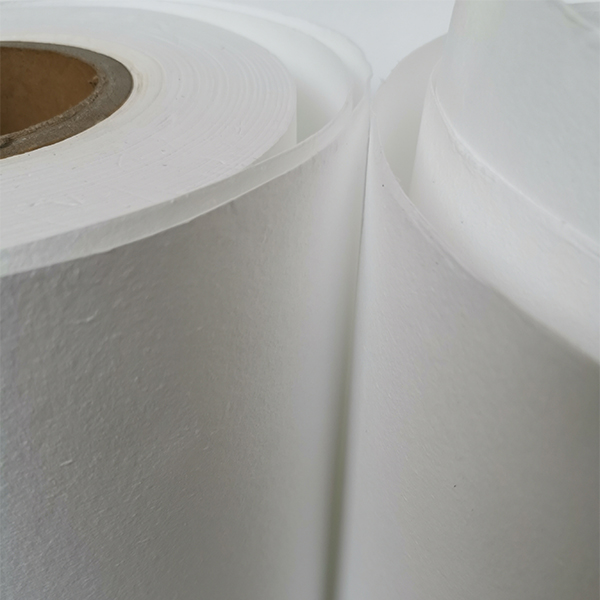
Selecting the right equipment requires a deep understanding of the media's physical properties. For example, Glass Fiber Filter Media, often used in hydraulic and HEPA filters, possesses high efficiency but can be brittle. The pleating machinery must apply a precise amount of pressure; too much can damage the fibers, while too little results in unstable pleats that may collapse during the lamination process.
For those producing automotive or HVAC filters, the focus shifts toward throughput and durability. Laminated media for fuel and water separation require machines that can handle thicker, reinforced materials while maintaining sharp creases. By aligning the machine's mechanical capabilities with the specific basic weight and stiffness of the media (such as the 77g/m² standard for high-efficiency glass fiber), manufacturers can significantly reduce scrap rates and improve the air resistance consistency of the final product.
Strategic Procurement: Evaluating ROI Beyond the Initial Quote
A common mistake in industrial procurement is focusing solely on the lowest quote. In the filtration industry, the real cost is revealed in the "cost per usable unit." A cheaper machine that produces a 5% higher defect rate in HEPA media can quickly become more expensive than a premium system due to wasted raw materials and lost production time.
To accurately evaluate a filter making machine price, procurement teams should implement a weighted scoring matrix. This matrix should prioritize the supplier's ability to provide customized moulds and after-sales technical support. Since filtration standards (like ASHRAE or EN) evolve, the machinery must be adaptable. Investing in a system that allows for easy adjustment of pleat geometry ensures that your production line remains relevant as market demands shift toward higher efficiency and lower pressure drops.
Filter Media Performance and Machinery Compatibility Matrix
| Media Type | Efficiency Requirement | Machinery Precision Level | Recommended Automation |
|---|---|---|---|
| Glass Fiber (HEPA) | ≥ 99.99% | Ultra-High | Full Automation |
| Cellulose Paper | Moderate | Standard | Semi-Automatic |
| Non-woven Media | Low to Moderate | Standard | Semi-Automatic |
| Synthetic Laminate | Application Specific | High | Full Automation |
| Microfiber Paper | High | High | Full Automation |
Quality Control Integration in the Manufacturing Process
The synergy between the making machine and the quality control system determines the final product's reliability. At Anya Filter Media, we emphasize that the machine is only as good as the testing facilities supporting it. For high-performance glass fiber media, it is essential to verify that the pleating process hasn't compromised the tensile strength or created "pinholes" in the filtration layer.
Integrated quality checks should include air resistance testing and efficiency verification. When a machine is calibrated correctly, the air resistance (measured in Pa) remains stable across different batches. This consistency is what allows manufacturers to guarantee performance specifications to their end customers, whether they are providing filters for hydraulic systems or cleanroom environments.
Future Trends in Filtration Production Automation
The industry is moving toward "Smart Manufacturing," where machines are equipped with IoT sensors to monitor wear and tear in real-time. Predictive maintenance reduces unplanned downtime, which is often the most hidden cost in production. We are seeing a shift toward modular machine designs that allow manufacturers to add new capabilities—such as automatic lamination or ultrasonic welding—without replacing the entire core pleating unit.
Furthermore, the demand for sustainable materials is pushing machinery developers to create systems that can handle recycled fibers and biodegradable media. For the buyer, this means prioritizing equipment that is "future-proof"—machines with programmable controllers that can be updated via software to handle new material densities and pleating patterns.
Frequently Asked Questions on Filter Production Equipment
What are the main factors that influence the cost of a filter making machine?
The cost is primarily influenced by the level of automation (manual vs. fully automatic), the precision of the servo motors used for pleating, the materials used in the machine's construction, and the ability to handle specialized media like glass fiber or HEPA paper.
Can one machine handle both cellulose and glass fiber media?
Yes, provided the machine has adjustable tension controls and compatible pleating dies. However, high-precision glass fiber requires more stringent control settings to avoid fiber breakage compared to the more robust cellulose paper.
How do I determine the required production capacity for my facility?
Analyze your projected monthly demand and factor in the cycle time per filter element. It is recommended to select a machine with 20% more capacity than your current peak demand to allow for growth and maintenance downtime.
What is the importance of pleating accuracy in HEPA filter production?
In HEPA filters, inconsistent pleating can lead to "blow-through" or uneven air distribution, which drastically reduces filtration efficiency. High-precision machinery ensures uniform pleat depth, maintaining the intended surface area and air resistance.
What maintenance is typically required for these machines?
Regular lubrication of moving parts, calibration of servo motors, and cleaning of the pleating dies are essential. For automated lines, software updates and sensor calibration are also necessary to maintain precision.
Do you provide customized moulds for specific filter shapes?
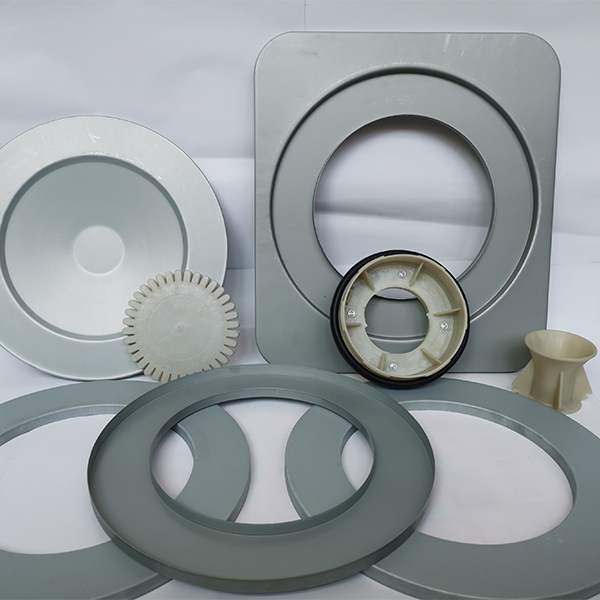
Yes, we provide customized moulds and accessories based on customer samples to ensure the machinery produces the exact dimensions and pleat profiles required for your specific application.
Technical References and Industry Standards
- ISO International Standards for Filtration Systems
- ASHRAE Standards for HVAC Filtration and Air Quality
- EPA Guidelines for Industrial Air Filtration
- Industrial Engineering and Equipment Efficiency Research
Selecting the right production equipment is a strategic decision that defines your product quality and market competitiveness. By focusing on technical precision and material compatibility rather than just the initial price, manufacturers can build a sustainable and scalable production line.
Industry Insights and Related Technology