Understanding Wire Filters: A Comprehensive Guide
Wire filters are essential components in a vast range of industrial applications, from water treatment and air purification to chemical processing and food & beverage production. Their ability to efficiently separate solids from fluids makes them indispensable. This article will delve into the world of wire filters, exploring their types, materials, applications, and key considerations for selection. We’ll also cover the advantages they offer over other filtration methods. Choosing the correct wire filter can significantly improve process efficiency and product quality.
Types of Wire Filters
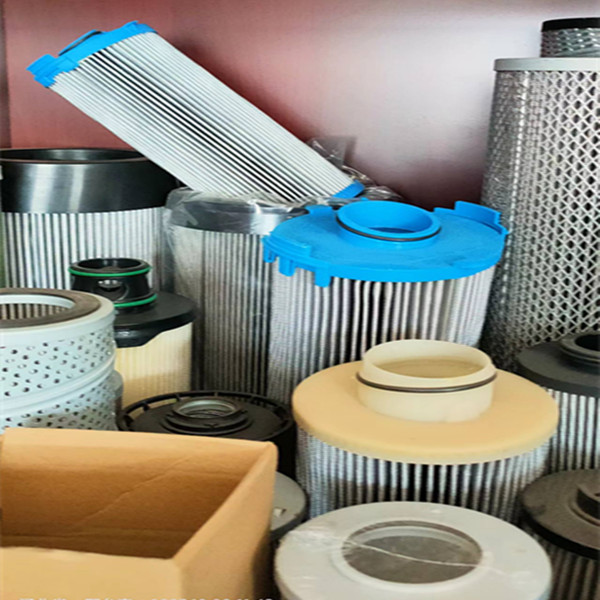
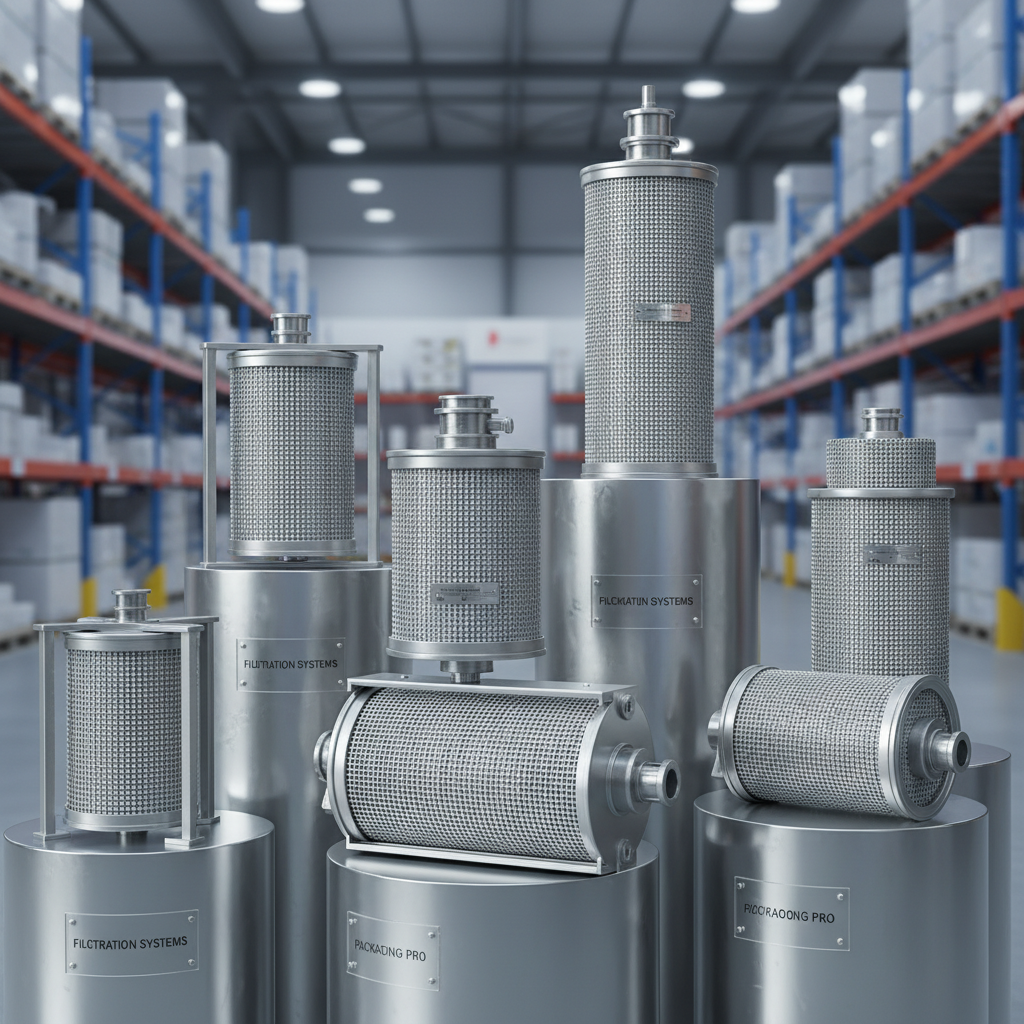
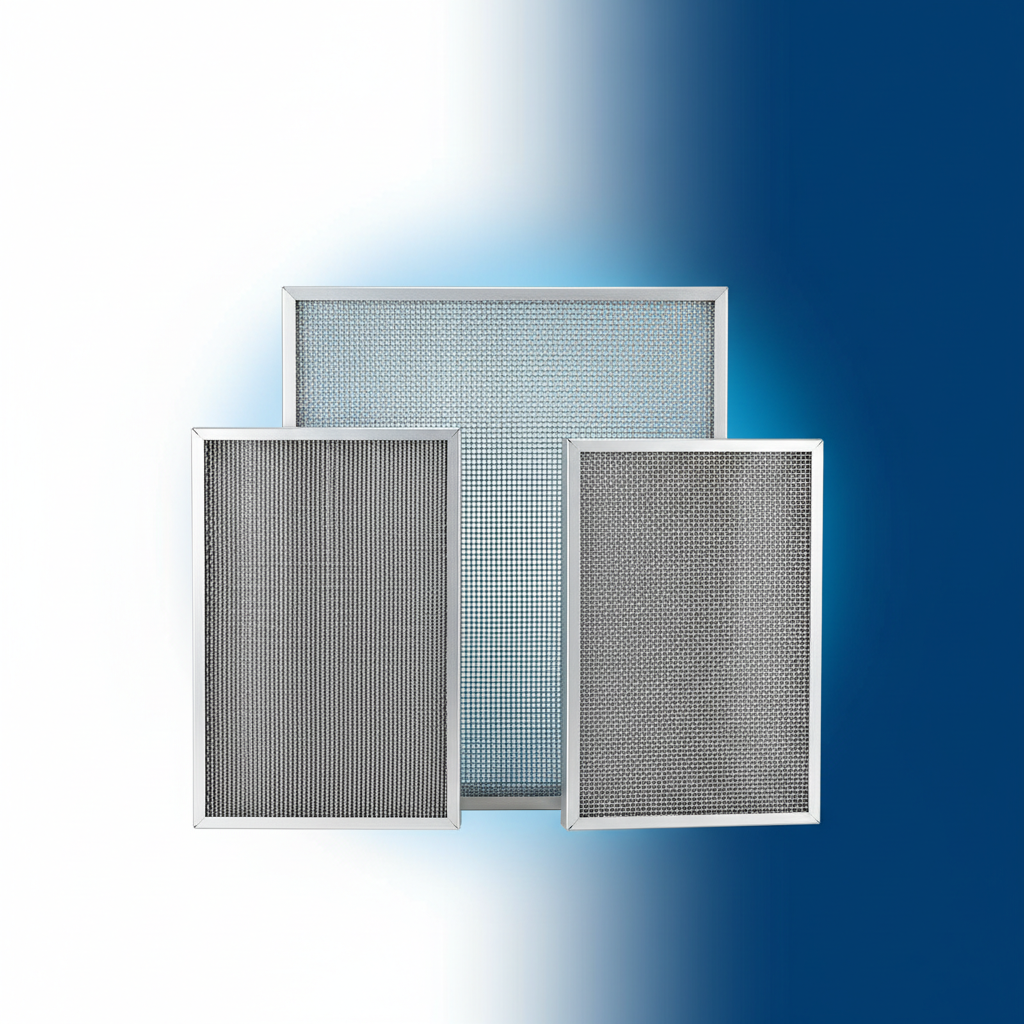
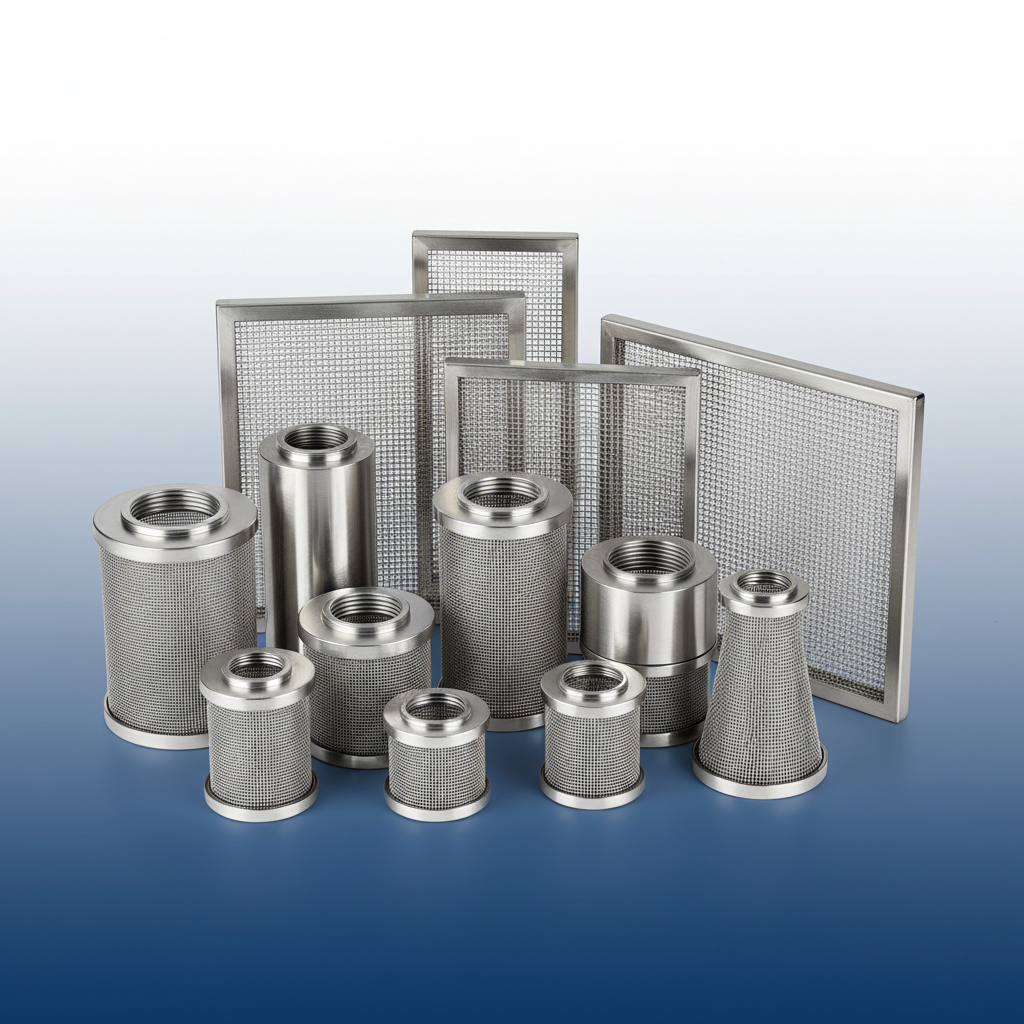
Wire filters come in several configurations, each designed for specific applications. Common types include woven wire mesh, welded wire mesh, and perforated metal sheets. Woven wire mesh provides a consistent pore size and is ideal for fine filtration. Welded wire mesh offers greater strength and rigidity, making it suitable for heavier loads. Perforated metal sheets are often used as pre-filters or support structures. Selecting the right type depends on factors such as particle size, flow rate, pressure drop, and the nature of the fluid being filtered. Anya Filter Media offers a wide variety of these types to suit diverse industrial needs.
Key Takeaway: The choice between woven, welded, and perforated wire filters hinges on the specific demands of the filtration process, balancing factors like precision, strength, and cost.
Materials Used in Wire Filter Construction
The material of a wire filter is critical to its performance and longevity. Common materials include stainless steel (304, 316L), carbon steel, galvanized steel, and specialized alloys like Hastelloy and Monel. Stainless steel is preferred for its corrosion resistance and suitability for food, pharmaceutical, and medical applications. Carbon steel is a cost-effective option for non-corrosive environments. Galvanized steel offers improved corrosion resistance compared to carbon steel. The selection of the material must consider the compatibility with the fluid being filtered, the operating temperature, and the potential for corrosion. Anya Filter Media provides filters constructed from a variety of materials to meet specific application requirements.
Material Selection Factors:
• Chemical Compatibility
• Temperature Resistance
• Corrosion Resistance
• Mechanical Strength
Applications of Wire Filters
Wire filters find widespread use across numerous industries. In water treatment, they remove sediment and debris. In the chemical industry, they are used for catalyst recovery and product purification. The food and beverage sector utilizes them for juice clarification and dairy processing. Air filtration systems employ wire filters to remove dust and particulate matter. They are also used in pharmaceutical manufacturing, oil and gas processing, and the automotive industry. The versatility of wire filters makes them a critical component in many essential processes.
Key Considerations When Selecting a Wire Filter
Several factors must be considered when selecting a wire filter for a specific application. These include the particle size to be removed, the flow rate, the pressure drop, the chemical compatibility of the filter material, and the operating temperature. Also crucial is the desired level of filtration efficiency and the potential for clogging. Understanding these factors will ensure that you choose a filter that provides optimal performance and longevity. Consulting with a filtration specialist, like those at Anya Filter Media, can be invaluable in making the right selection.
Comparing Wire Filters to Other Filtration Methods
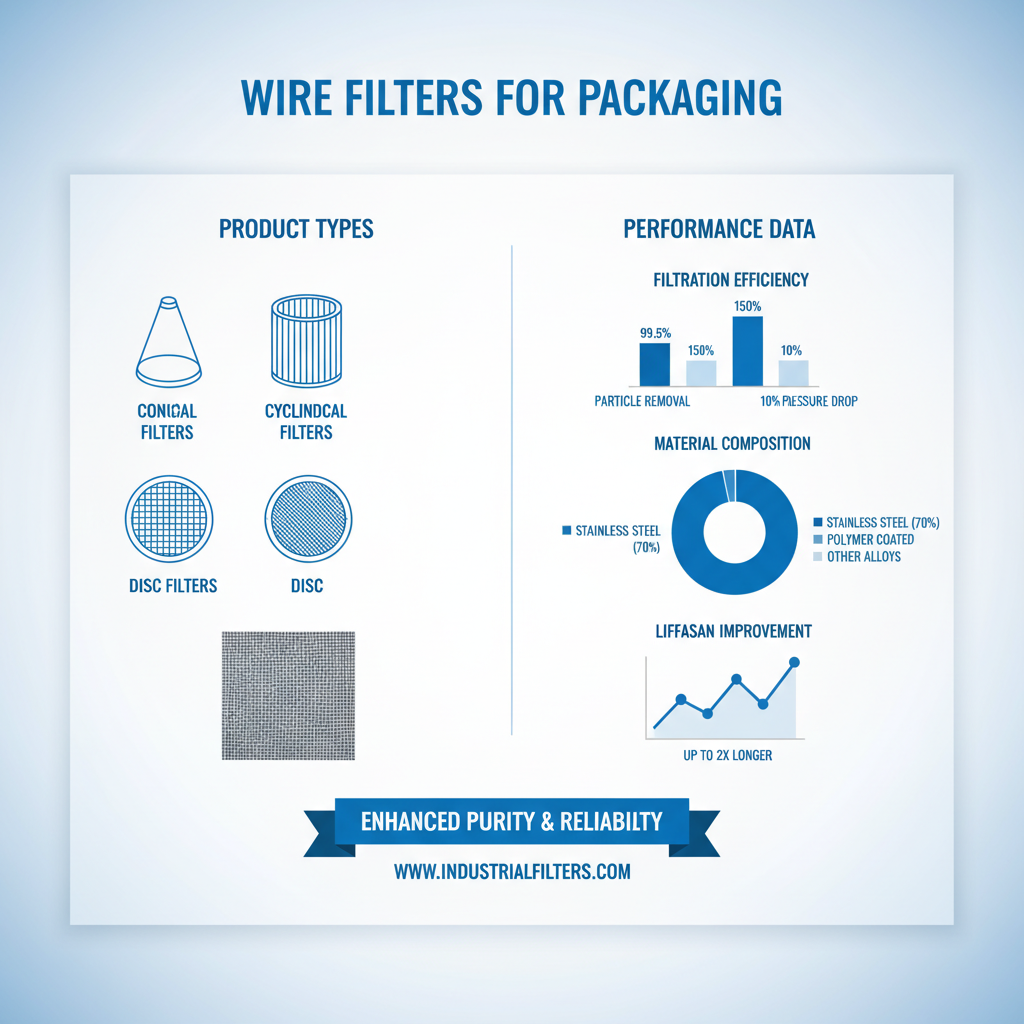
Compared to other filtration methods like bag filters or cartridge filters, wire filters often offer superior durability, cleanability, and a longer service life. They are particularly well-suited for high-temperature and high-pressure applications. While the initial cost might be higher, their reusability and reduced maintenance requirements can result in lower long-term costs. Moreover, wire filters offer excellent flow distribution and can handle higher solids loading. Anya Filter Media can help you determine if wire filters are the best solution for your filtration needs.
Conclusion: Optimizing Your Processes with Wire Filters
Investing in the right wire filter solution can significantly enhance process efficiency, improve product quality, and reduce operational costs. Understanding the various types, materials, and applications is essential for making an informed decision. Anya Filter Media is committed to providing high-quality wire filters and expert guidance to meet your specific filtration challenges.
Frequently Asked Questions (FAQs)
What is the typical lifespan of a wire filter?
The lifespan of a wire filter depends heavily on the application and operating conditions. Factors like the type of fluid, the solids loading, and the cleaning frequency all play a role. Generally, wire filters can last for several years with proper maintenance. Regular inspection for damage, corrosion, or clogging is crucial. Cleaning can often restore performance. However, if the filter material becomes significantly degraded, it should be replaced. For more specific guidance, consult the product specifications or contact a filtration expert at Anya Filter Media.
How do I clean a wire filter?
The cleaning method depends on the type of contaminant. For particulate matter, backwashing with a high-pressure fluid is often effective. For sticky or oily contaminants, a solvent-based cleaning process may be necessary. Ultrasonic cleaning can also be used for thorough removal of stubborn deposits. Always follow the manufacturer’s recommendations and ensure the cleaning process doesn’t damage the filter material. Anya Filter Media provides detailed cleaning instructions for its products.
What are the advantages of using stainless steel wire filters?
Stainless steel wire filters offer exceptional corrosion resistance, making them suitable for a wide range of fluids, including corrosive chemicals and saltwater. They are also highly durable, capable of withstanding high temperatures and pressures. Stainless steel is non-toxic and easy to clean, making it an ideal material for food, pharmaceutical, and medical applications. While typically more expensive than other materials, the longevity and reliability of stainless steel filters often justify the investment.
Post time: Mar-06-2026