Iav Microfiber Cua Lim Ntawv
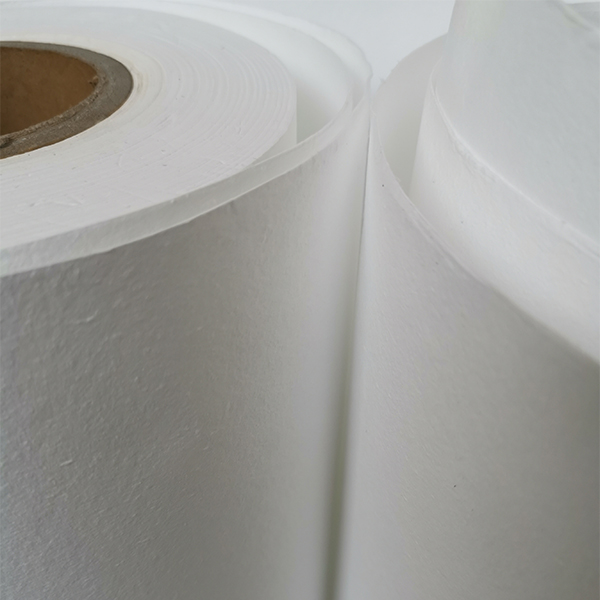
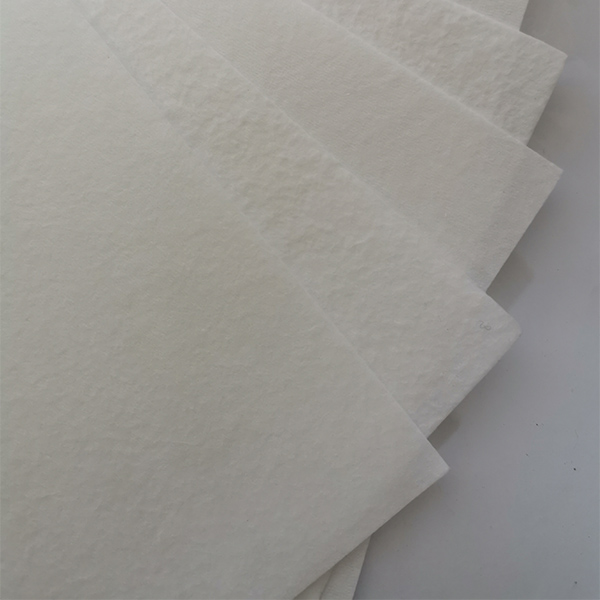
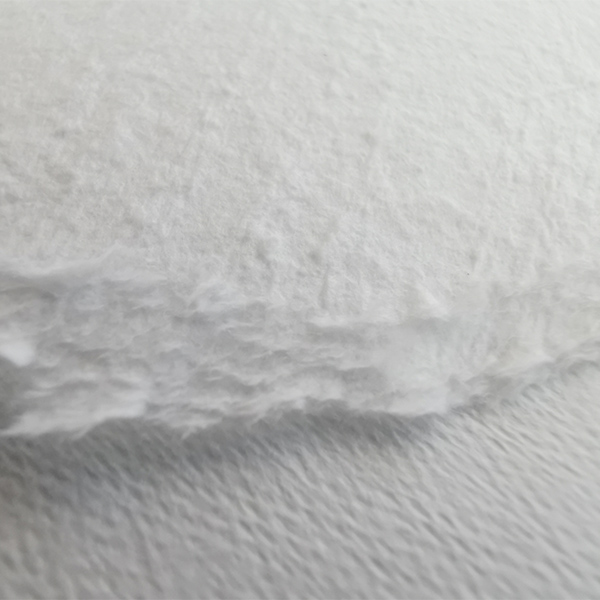
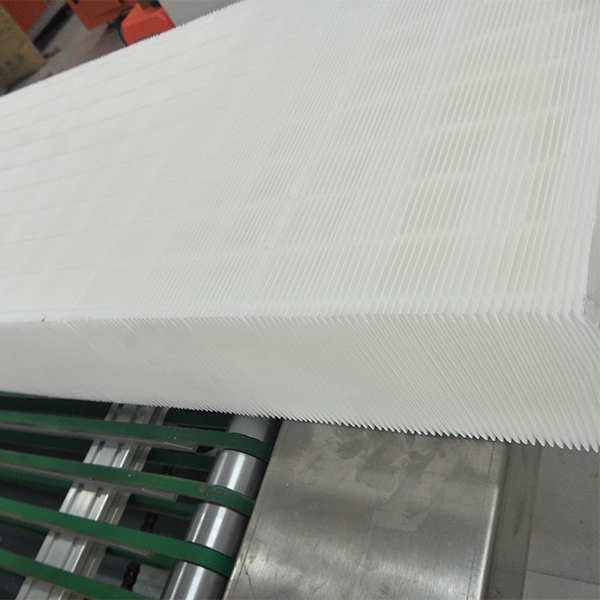
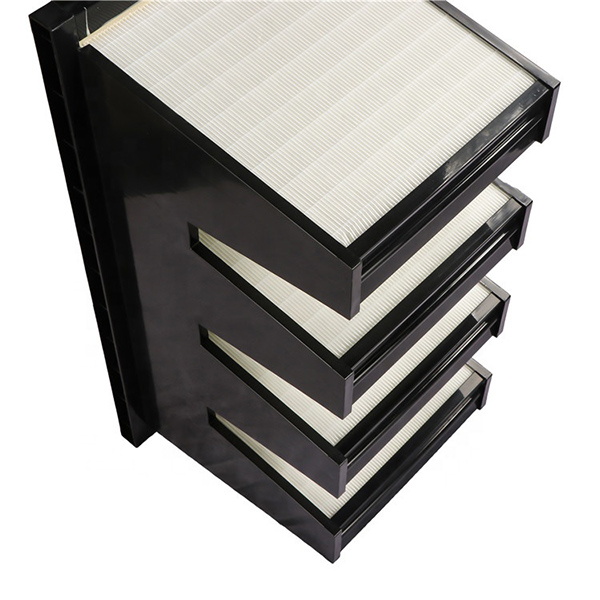
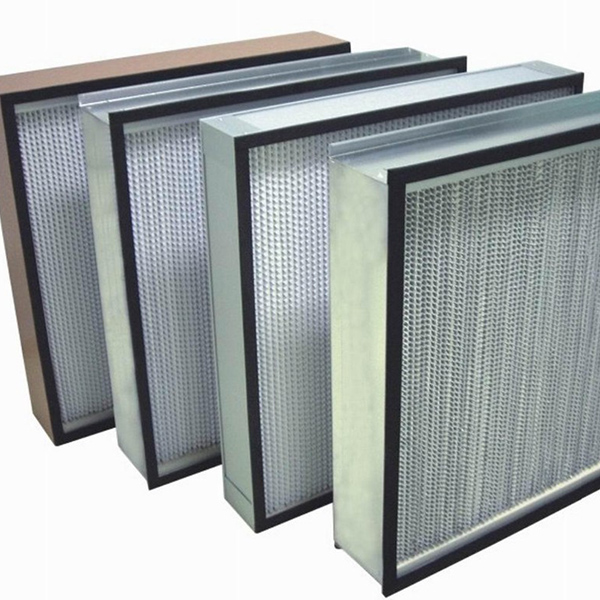
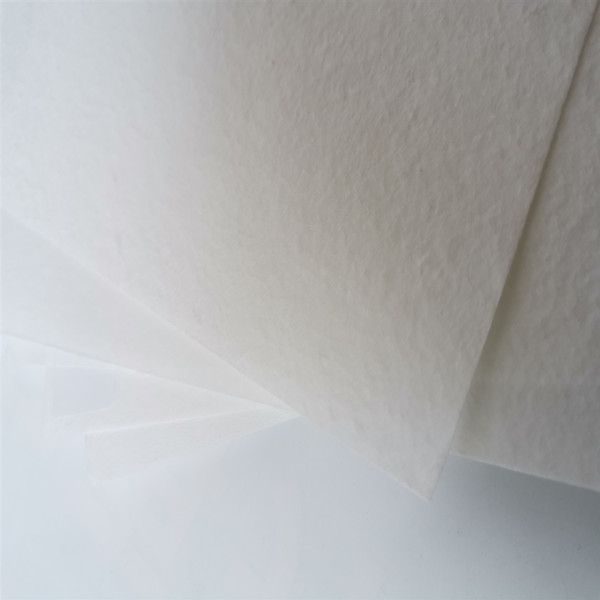
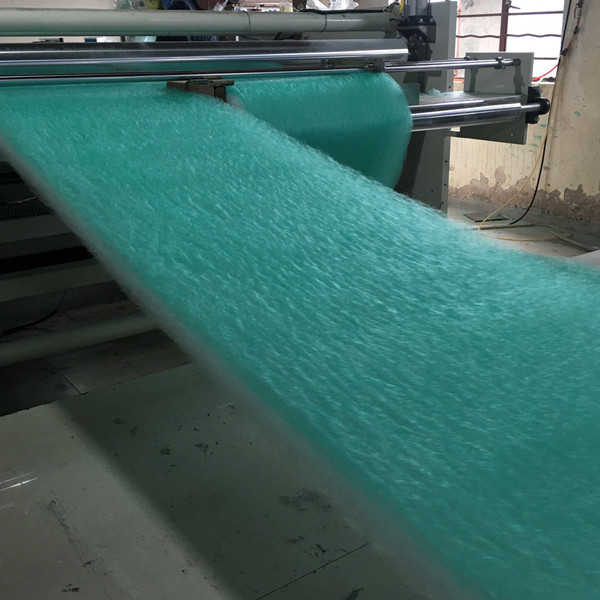
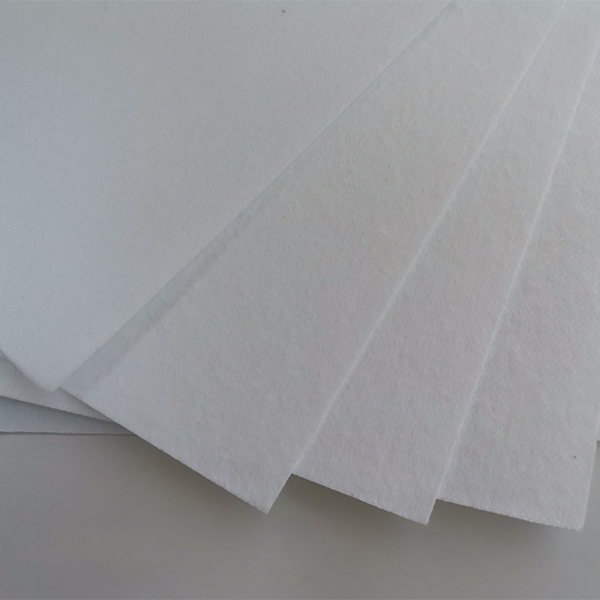
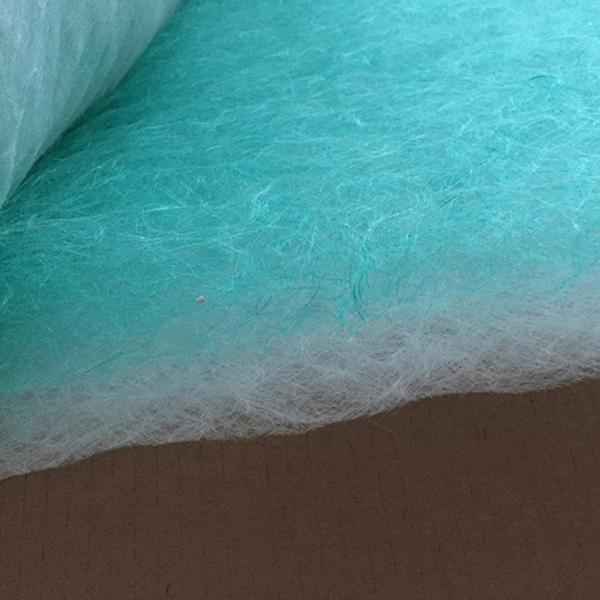
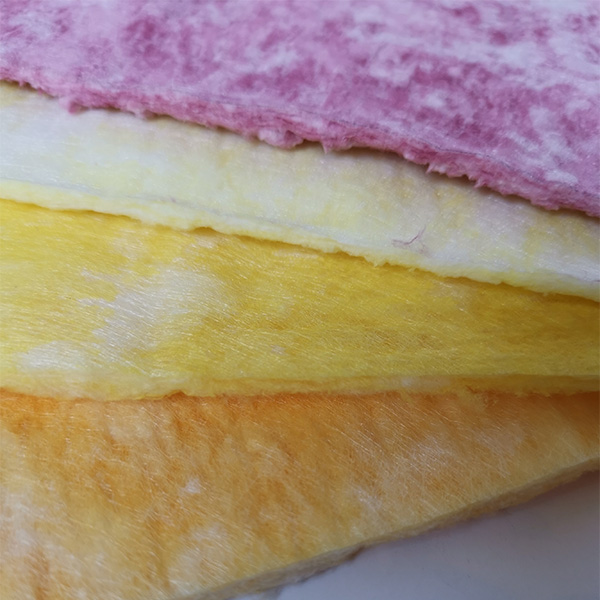
Cov xov xwm lim dej no yog ua los ntawm iav microfiber los ntawm cov txheej txheem ntub dej.
Khoom feature:
Siab plua plav tuav peev xwm
Tsawg cua tsis kam
High filtration efficiency
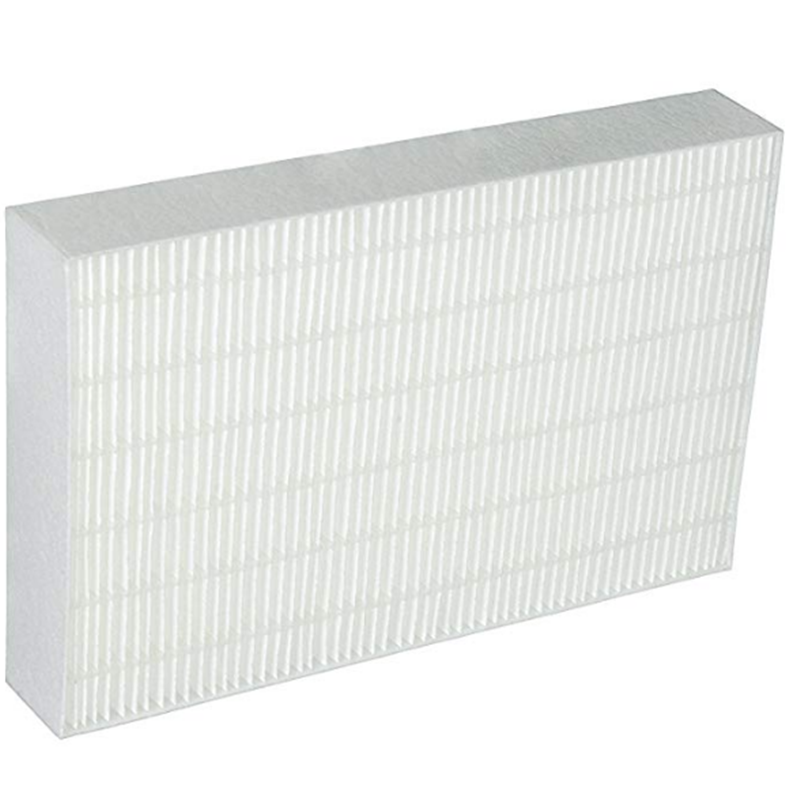
Daim ntawv thov: Cov chav huv huv, kev ua zaub mov, chav ua haujlwm hauv tsev kho mob, kev ua tshuaj, tshuaj ua haujlwm, Compressor inlet pom, khoom siv / pa tawm cua, Gas Turbine Cua Txais, Kub Kub Muaj, HVAC System, Pre-filtration rau HEPA thiab HEPA Systems, thiab lwm yam.
Khoom Specification:
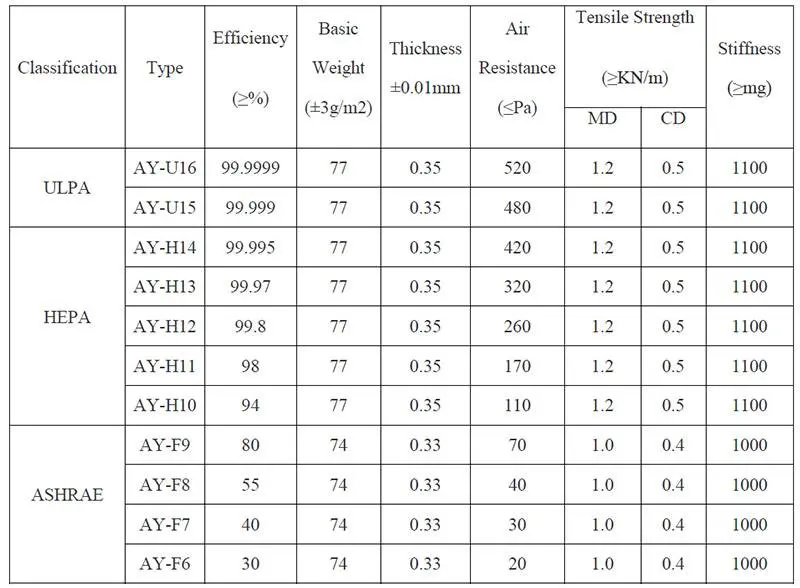
Lus Cim: Efficiency and Air Resistance were tested by TSI8130, 0.3µm@5.33cm/s. Special specifications can be customized as customer’s requirement.
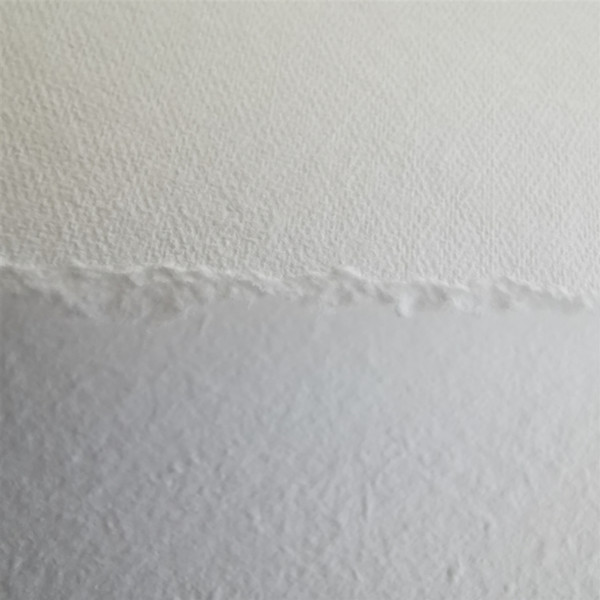
Filtration Efficiency and Particle Retention of Glass Microfiber Paper
Glass microfiber paper delivers exceptional filtration efficiency due to its dense, non-woven fiber matrix capable of capturing particles as small as 0.3 microns with high retention rates. The random fiber arrangement creates a tortuous path for airflow, ensuring superior particle interception while maintaining low resistance. Unlike conventional filter media, glass microfiber offers near-HEPA level performance without requiring electrostatic charges, making it ideal for critical applications where consistent efficiency is paramount. Its high surface area and depth-loading characteristics allow it to hold significant contaminant loads without rapid pressure drop increases. This combination of high initial efficiency and sustained performance makes it particularly valuable in environments demanding both air purity and operational longevity, from laboratories to industrial processes.
Handling, Cutting, and Storing Glass Microfiber Filter Paper Safely
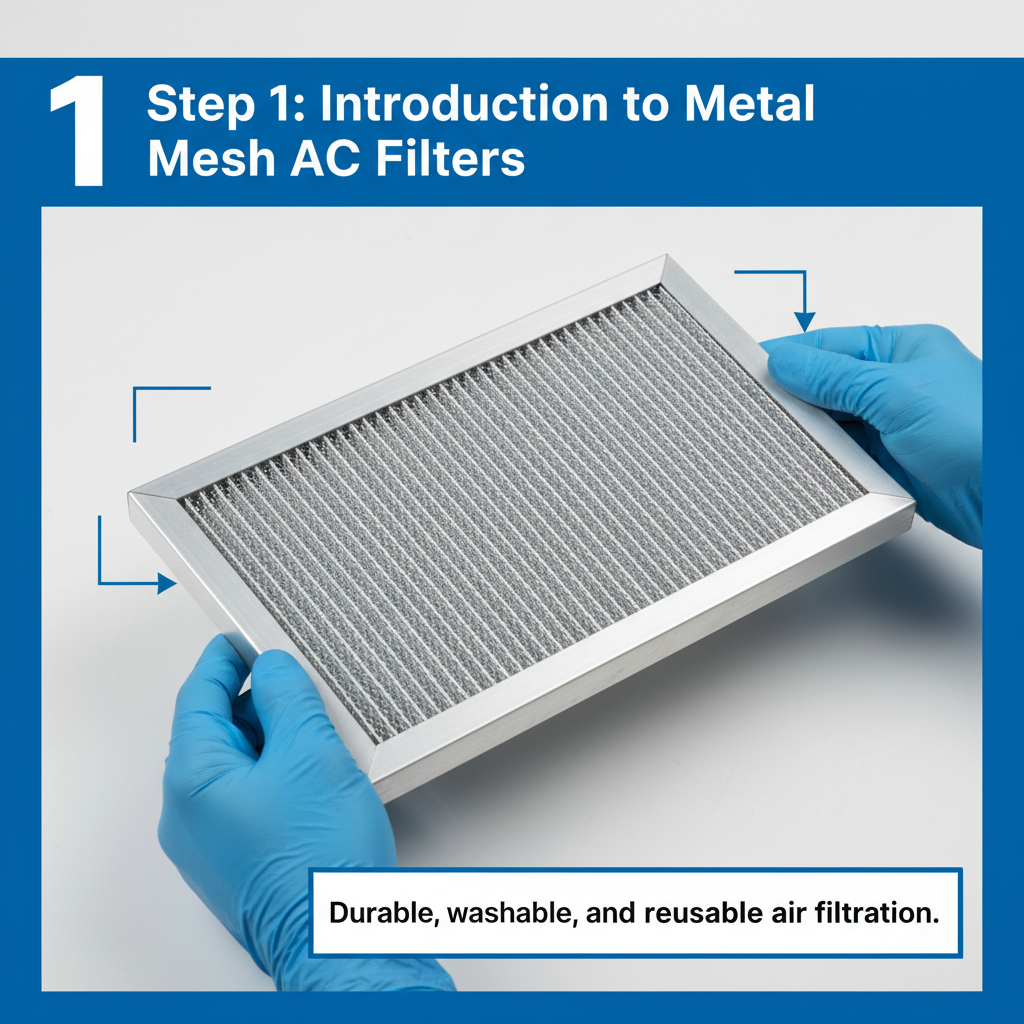
Proper handling of glass microfiber paper requires precautions due to its fragile nature and potential fiber release. Always wear nitrile gloves and a particulate mask when cutting to prevent skin irritation and inhalation of loose fibers. Use sharp, clean scissors or a rotary cutter for precise edges - tearing creates uneven surfaces that compromise filtration performance. Store rolls or sheets in original packaging in a cool, dry environment below 30°C to prevent moisture absorption and fiber degradation. Avoid stacking heavy items on stored media to prevent compression damage. When installing pre-cut filters, minimize flexing or creasing which could create bypass channels. These measures preserve the media's structural integrity and filtration capabilities until deployment.
Applications of Glass Microfiber Air Filter Paper
In HVAC systems, glass microfiber paper serves as high-efficiency final filters in hospitals and commercial buildings, capturing allergens and pathogens while maintaining airflow. Cleanroom applications leverage its near-HEPA performance for semiconductor manufacturing and pharmaceutical production where sub-micron particle control is critical. The medical field utilizes sterilizable glass microfiber membranes in diagnostic devices, ventilator filters, and laboratory equipment requiring absolute particle retention. Its thermal stability allows autoclaving, while chemical inertness ensures compatibility with aggressive disinfectants. These diverse applications benefit from the media's unique combination of high filtration efficiency, durability, and purity - characteristics that synthetic alternatives often cannot match for critical air and fluid filtration needs.
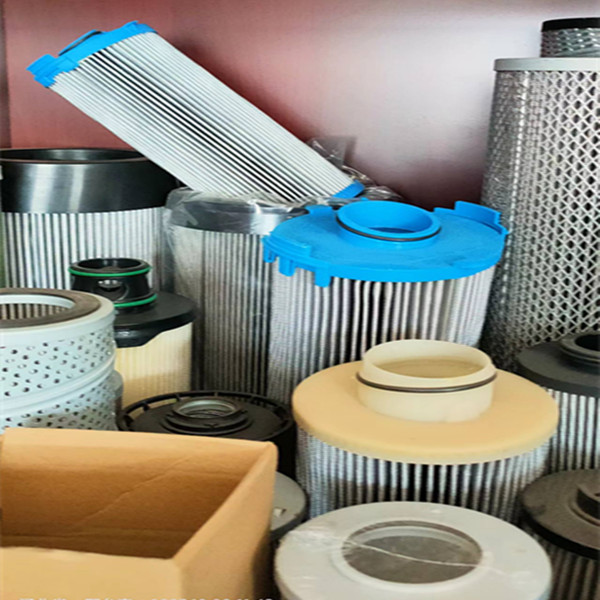
glass fiber filter
glass fiber filter media